How to Spot Storm Damage Scams After Heavy Rain in Philadelphia

Storm chasers target Philly neighborhoods after heavy rain. Learn how to spot roofing scams, protect your home, and find trusted local contractors.

How to Spot Storm Damage Scams After Heavy Rain in Philadelphia - Philadelphia roofing guide

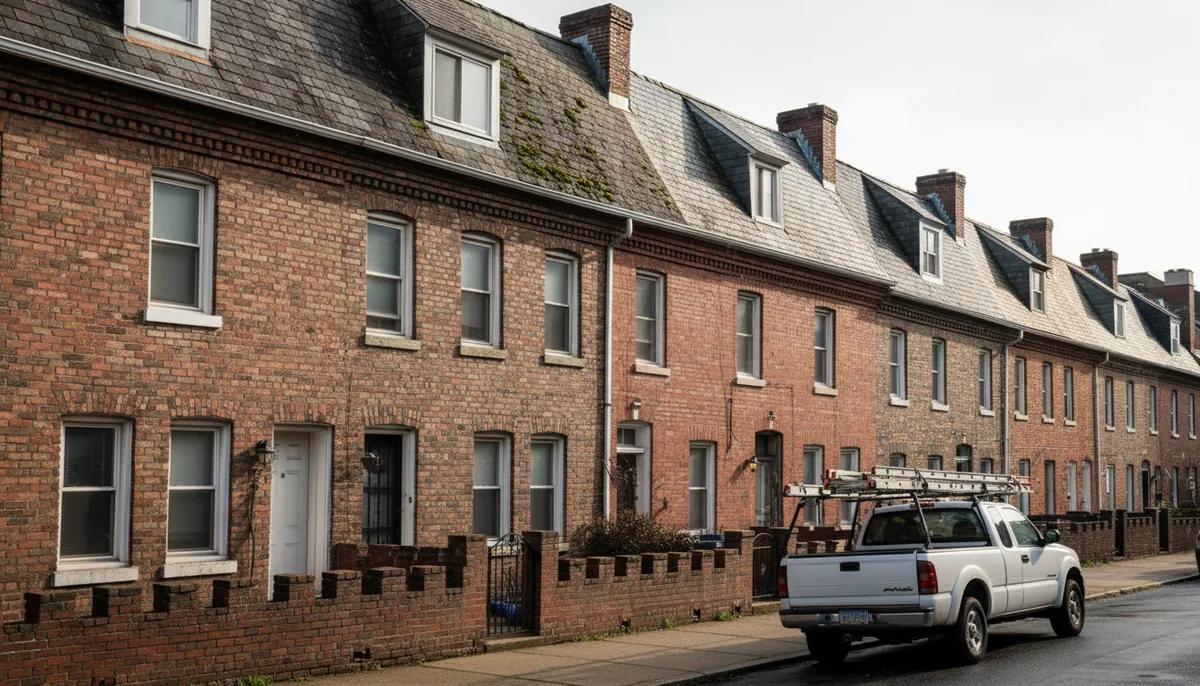
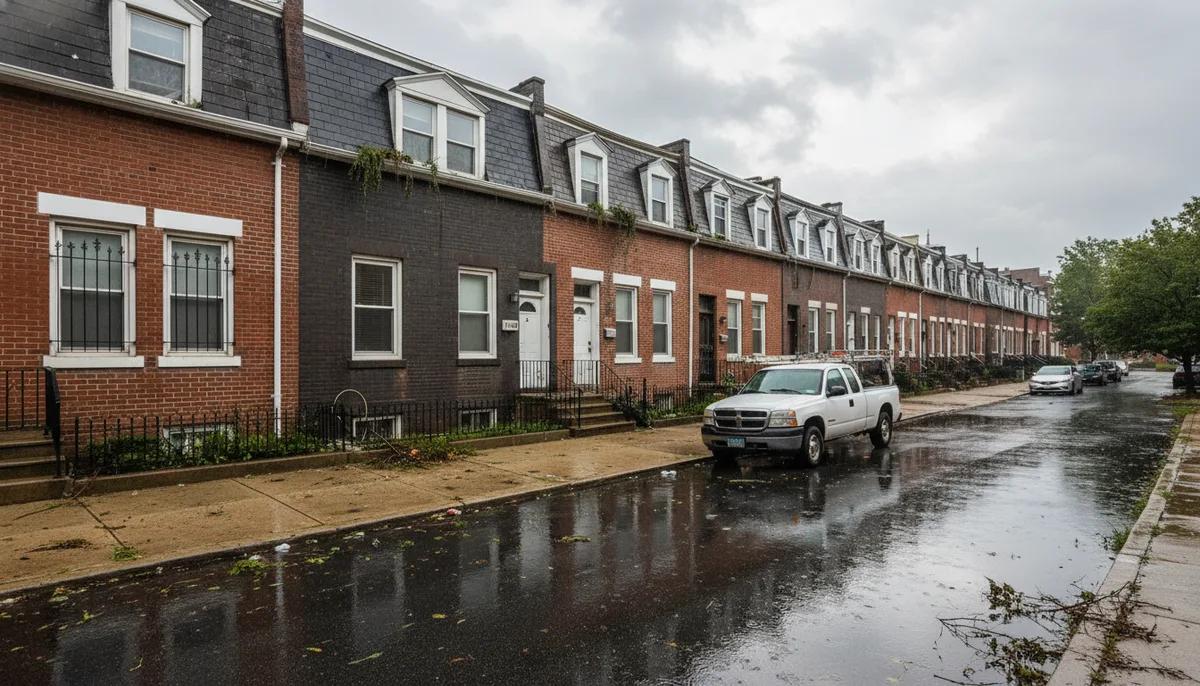
After heavy rain rolls through Philadelphia, storm-chasing contractors flood neighborhoods like Kensington, Germantown, and South Philly looking to take advantage of worried homeowners.

James Callahan
Published May 9, 2026·Updated May 9, 2026
1

Why Philadelphia Homeowners Are Prime Targets for Storm Chasers

Philadelphia's weather is notoriously unpredictable. The city regularly experiences heavy rain events, nor'easters, and fast-moving thunderstorms that can dump several inches of rain in just a few hours. Neighborhoods like Roxborough, Frankford, and West Philadelphia sit in low-lying areas prone to flash flooding, while densely packed row home blocks in South Philly and Kensington mean that one damaged roof can quickly cascade into water intrusion for multiple connected units.

This combination of weather vulnerability and dense housing stock makes Philadelphia an attractive hunting ground for so-called "storm chasers" — out-of-town roofing contractors who follow severe weather events from city to city, offering quick fixes that rarely hold up. These operators typically arrive within 24 to 48 hours of a major storm, working door-to-door through affected neighborhoods before local contractors have even had a chance to assess the damage.

The problem is especially acute in Philadelphia because of the city's large stock of aging housing. Many row homes were built in the early-to-mid 20th century, and flat or low-slope roofs — common on these properties — are particularly susceptible to pooling water, membrane failures, and flashing separations after heavy rain. When homeowners see water stains on ceilings or feel the panic of a dripping roof, they're emotionally primed to accept the first contractor who shows up and promises a fast solution.

Understanding that you are a target is the first step in protecting yourself. Storm chasers count on urgency and fear to bypass your better judgment. Taking even a few hours to slow down and verify a contractor's credentials can save you thousands of dollars and prevent shoddy work that leaves your home more vulnerable than before.
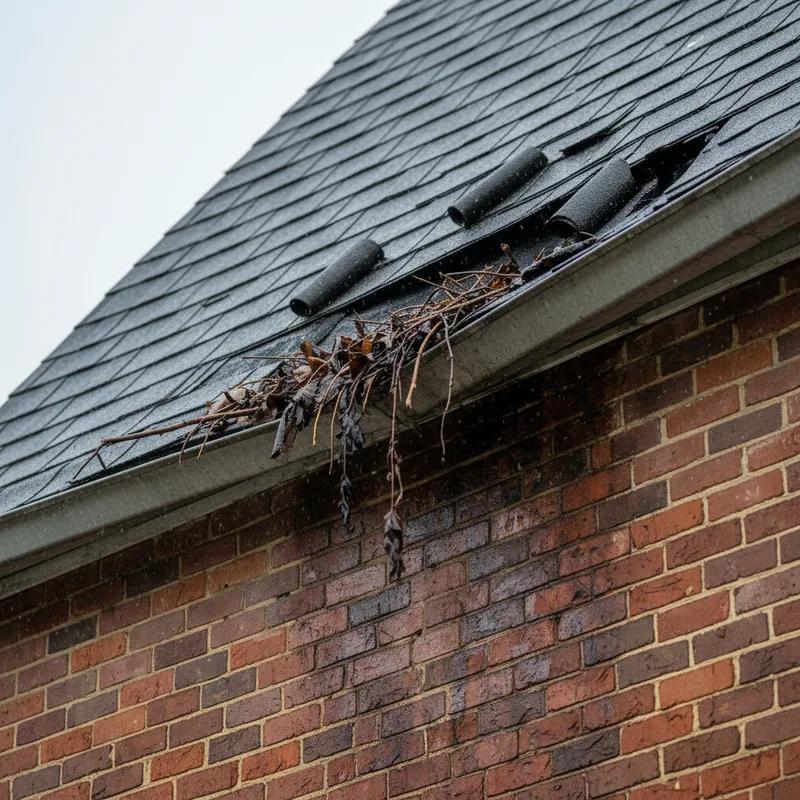
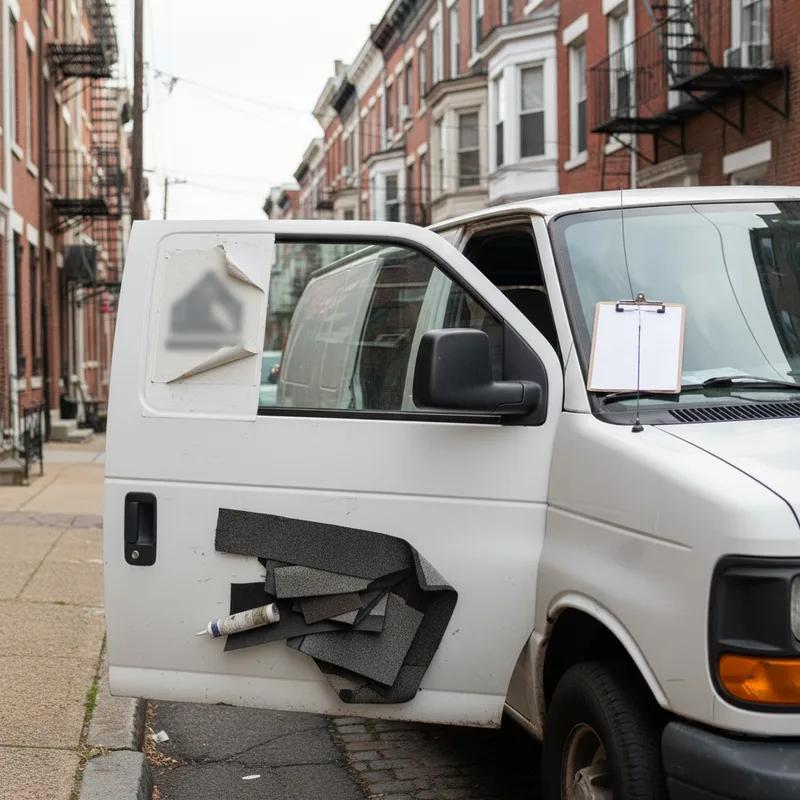
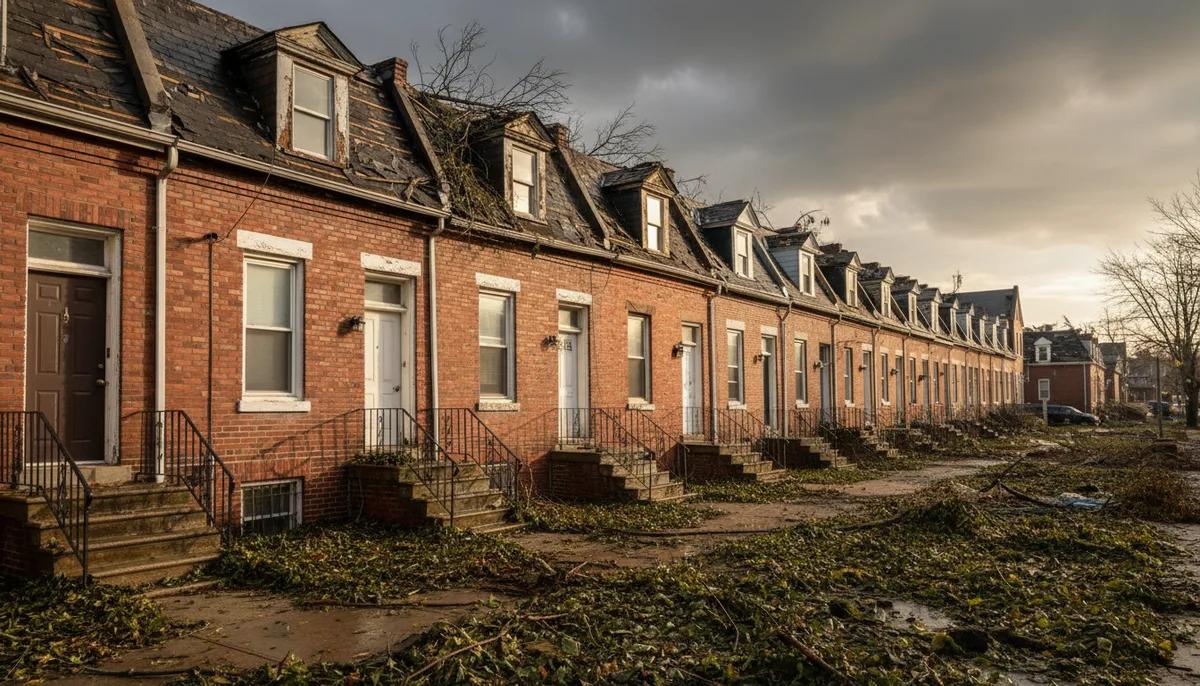
Storm clouds gathering over a row of Philadelphia row homes in a dense urban neighborhood after a heavy rainstorm, with wet streets and visible water on flat rooftops
Why Philadelphia Homeowners Are Prime Targets for Storm Chasers

2

The Most Common Storm Damage Scam Tactics Used in Philly

Storm chasers have refined their playbook over decades, and knowing their tactics in advance is your best defense. Here are the most common schemes Philadelphia homeowners encounter after heavy rain events.

The Door-to-Door Pressure Pitch: A contractor knocks on your door, claims they were "just working in the neighborhood," and says they noticed damage on your roof. They offer a free inspection and may even climb onto your roof before you've agreed to anything. Once up there, they may manufacture damage — loosening shingles, puncturing membranes, or taking misleading photos — to justify an expensive repair estimate.

The Insurance Assignment Scam: Some scammers push homeowners to sign an Assignment of Benefits (AOB) form, which legally transfers control of your insurance claim to the contractor. Once signed, they can negotiate directly with your insurer, inflate the claim, and collect payment without your oversight. Pennsylvania law has tightened regulations around AOB agreements in recent years, but fraudulent operators still attempt this tactic.

The Large Upfront Deposit Disappearing Act: A scammer collects a significant cash deposit — sometimes 50% or more of the total estimate — promising to return with materials and a crew. They never come back. This is particularly common in working-class neighborhoods like Frankford, Port Richmond, and Hunting Park where cash transactions are more normalized.

The Lowball-Then-Escalate Scheme: A contractor quotes an unusually low price to win the job, then claims to discover additional "hidden damage" mid-project, escalating the cost dramatically. By the time the real price emerges, materials are already off your roof and you feel trapped.

Storm Damage Exaggeration for Insurance Claims: Contractors encourage homeowners to file inflated insurance claims, sometimes coaching them to describe damage that doesn't exist. This exposes homeowners to insurance fraud liability — a serious legal risk many don't realize they're taking on.

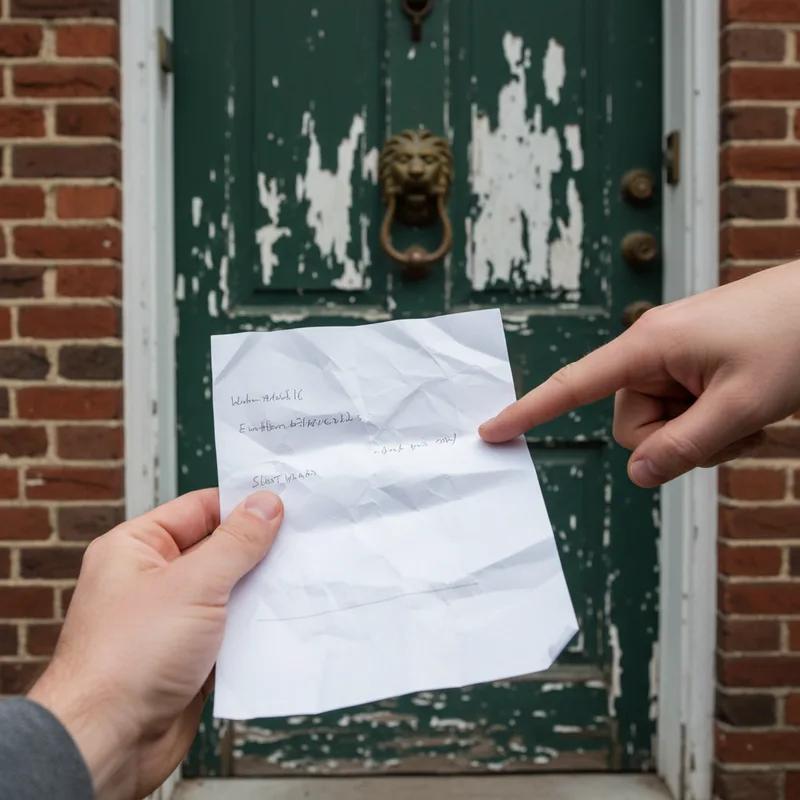
A door-to-door salesman in a company shirt holding a clipboard and speaking with a concerned Philadelphia homeowner on a front stoop after a rainstorm
The Most Common Storm Damage Scam Tactics Used in Philly

3

Red Flags to Watch for When a Roofer Contacts You After a Storm

Legitimate roofing contractors don't typically need to solicit business door-to-door hours after a storm. Knowing the specific warning signs can help you quickly separate trustworthy professionals from opportunistic scammers.

No Local Address or Physical Presence: Ask the contractor for a local business address — not a P.O. box or an out-of-state location. Reputable Philadelphia roofers have verifiable local offices, established reputations in the community, and can provide references from nearby customers. A contractor who says they're "just passing through" should raise immediate concern.

No Pennsylvania Home Improvement Contractor (HIC) Registration: Under Pennsylvania law, any contractor performing home improvement work — including roofing — must be registered with the Pennsylvania Attorney General's Office as a Home Improvement Contractor. You can verify a contractor's HIC registration number through the Pennsylvania Attorney General's website. Unregistered contractors are operating illegally and offer you no consumer protections.

Demands for Full or Large Cash Payment Upfront: Reputable contractors typically require a modest deposit (often 10–30%) with the balance due upon satisfactory completion. Any demand for full payment before work begins, or insistence on cash-only transactions, is a serious red flag.

No Written, Itemized Contract: Pennsylvania's Home Improvement Consumer Protection Act requires written contracts for jobs over $500. The contract must include the contractor's name, address, HIC registration number, a description of the work, materials to be used, start and completion dates, and total price. Refuse to proceed without one.

Pressure to Sign Immediately: Scammers create artificial urgency, telling you the damage will get much worse if you don't act today, or that their crew is only available for the next hour. Legitimate contractors understand that homeowners need time to review proposals and get multiple quotes. Never let urgency override due diligence.

Vague or Missing Licensing and Insurance Information: Always ask for proof of general liability insurance and workers' compensation coverage. If a worker is injured on your property and the contractor lacks workers' comp, you could be held liable.

A close-up of a homeowner carefully reviewing a roofing contract at a kitchen table, comparing two different written estimates side by side with a magnifying glass
Red Flags to Watch for When a Roofer Contacts You After a Storm

4

How to Verify a Roofing Contractor Is Legitimate in Philadelphia

Verification takes less time than you might think, and the steps below can be completed in under 30 minutes — time well spent when protecting what is likely your most valuable asset.

Check Pennsylvania HIC Registration: Visit the Pennsylvania Attorney General's website and use the Home Improvement Contractor search tool to confirm the contractor is currently registered. Registration must be renewed regularly, so confirm it's active and not expired.

Verify Philadelphia Licensing and Permits: In Philadelphia, roofing work typically requires a permit through the Department of Licenses and Inspections (L&I). A legitimate contractor will pull the required permits before starting work — and if they suggest skipping permits to save money, walk away. Unpermitted work can create serious problems when you sell your home or file an insurance claim. You can check permit status through the City of Philadelphia's eCLIPSE system.

Confirm Insurance Coverage: Ask the contractor to provide certificates of general liability insurance and workers' compensation. Call the insurance company directly to verify the policy is current. Don't accept a certificate that looks altered or unofficial.

Check Online Reviews and the BBB: Search the company name on Google, Yelp, and the Better Business Bureau (BBB) of Greater Philadelphia. Look for patterns in reviews — multiple complaints about disappearing after a deposit or poor workmanship are serious warning signs. Also check how long the company has been in business; a brand-new LLC formed right after a major storm is suspicious.

Ask for Local References: Request contact information for two or three recent customers in Philadelphia — ideally in your neighborhood or a nearby one. Call those references and ask specifically about the quality of work, whether the final cost matched the estimate, and whether the contractor was easy to reach after the job was complete.

Use the Philly Roof Find Directory: Philly Roof Find vets local contractors before listing them, giving you a curated starting point of roofing professionals with established Philadelphia track records.

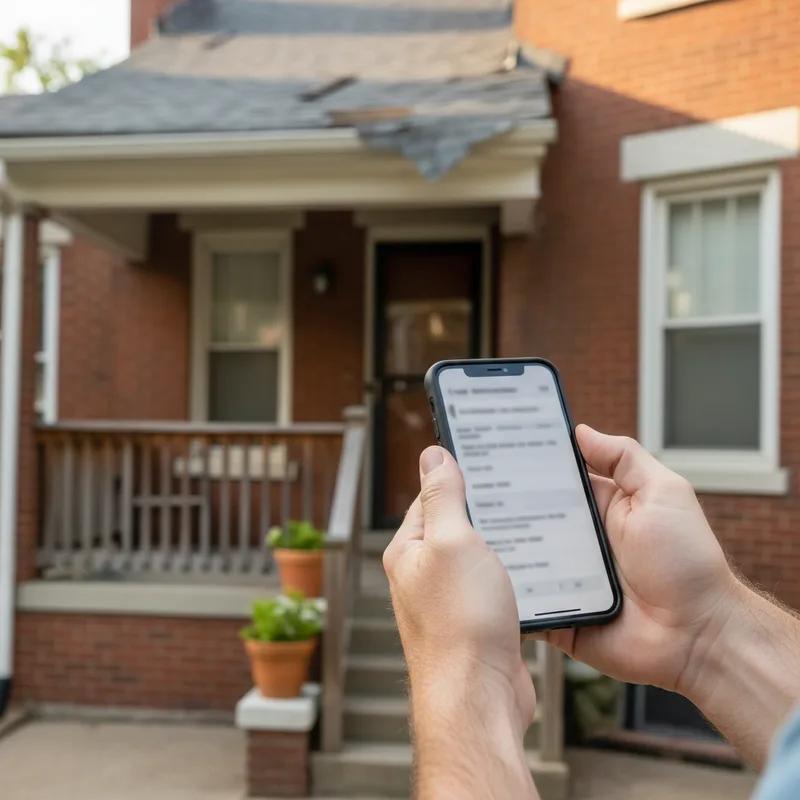
A Philadelphia homeowner sitting at a laptop searching for contractor reviews and license verification on official Pennsylvania government websites
How to Verify a Roofing Contractor Is Legitimate in Philadelphia

5

What to Do If You've Already Been Targeted or Scammed

If you suspect you've already been victimized by a storm-chasing contractor, or if a scammer has already taken your money and disappeared, you have several avenues for recourse — and acting quickly matters.

Stop Payment If Possible: If you paid by check or credit card, contact your bank or card issuer immediately to dispute the charge or stop payment. Credit card disputes offer strong consumer protections under federal law, which is one reason why paying by card is always preferable to cash for home improvement work.

File a Complaint with the Pennsylvania Attorney General: The Pennsylvania Attorney General's Bureau of Consumer Protection handles complaints against home improvement contractors, including roofing scammers. You can file a complaint online or by phone. The AG's office has the authority to investigate, pursue restitution, and impose penalties on fraudulent contractors.

Report to the Philadelphia District Attorney's Office: For cases involving significant fraud or theft, contact the Philadelphia District Attorney's Office. Roofing fraud can rise to the level of criminal theft or contractor fraud under Pennsylvania law.

Contact the Better Business Bureau: Filing a BBB complaint creates a public record that warns other homeowners and may prompt the contractor to respond and resolve the issue to avoid damaging their rating.

Document Everything: Preserve all contracts, receipts, text messages, emails, photos of the work (or lack thereof), and any other communications. This documentation is essential for any legal action or insurance dispute.

Notify Your Homeowner's Insurance: If a scammer performed shoddy work that caused additional damage, contact your homeowner's insurance company. Depending on your policy, some resulting damage may be covered, and your insurer may have resources to help pursue the contractor.

Finally, warn your neighbors. Storm chasers work entire blocks and neighborhoods. A quick post in your neighborhood's Facebook group or Nextdoor page can protect others from the same scammer.

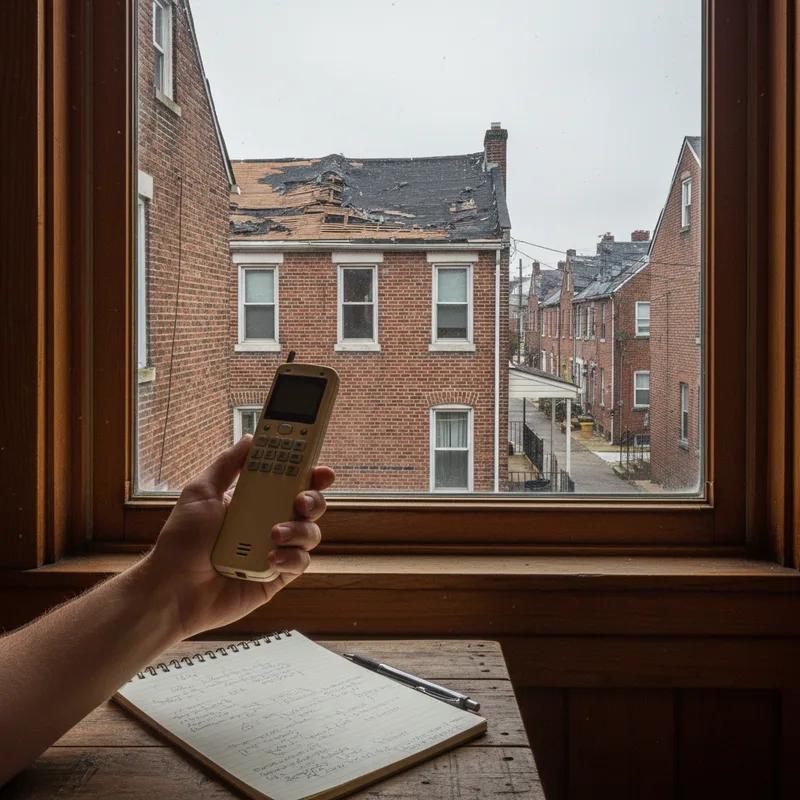
A frustrated Philadelphia homeowner on the phone with their insurance company while looking at an unfinished or poorly repaired roof visible through a second-floor window
What to Do If You've Already Been Targeted or Scammed

6

How to Find a Trusted Local Roofer After Storm Damage in Philadelphia

The best time to find a trusted roofer is before you need one urgently — but if a storm has already struck, there are still smart ways to connect with legitimate local contractors without falling prey to opportunists.

Start with Referrals from Neighbors and Community Groups: Philadelphia has an active network of neighborhood civic associations, block captains, and community Facebook groups. Asking for contractor recommendations in your specific neighborhood — whether that's Fishtown, Mt. Airy, Mayfair, or Overbrook — will surface contractors who have already earned the trust of people you know.

Use a Vetted Contractor Directory: Philly Roof Find lists licensed, insured, and locally established roofing contractors serving Philadelphia and the surrounding area. Using a directory that pre-screens contractors significantly reduces your risk compared to responding to an unsolicited knock at the door.

Get At Least Three Written Estimates: Even in an urgent situation, try to get estimates from at least two or three contractors before making a decision. Comparing estimates helps you identify outliers — both suspiciously low bids (a classic scam setup) and inflated ones. A reasonable estimate for common Philadelphia storm damage repairs, such as flat roof membrane patching, flashing repair, or shingle replacement, should be itemized and transparent.

Prioritize Temporary Protection First: If your roof is actively leaking, ask a trusted contractor about emergency tarping or temporary waterproofing to stop immediate damage while you take time to properly vet candidates for the permanent repair. Legitimate contractors offer this service and won't pressure you into a full contract on the spot.

Understand Philadelphia's Flat Roof Reality: Most Philadelphia row homes have flat or low-slope roofs covered in rubber (EPDM), modified bitumen, or TPO membranes. Make sure any contractor you hire has specific experience with these materials — not just pitched asphalt shingle work — as improper repairs on flat roofs can cause more harm than good.

Taking a measured approach, even when water is coming in, will almost always lead to better outcomes than making a panicked decision at the door.

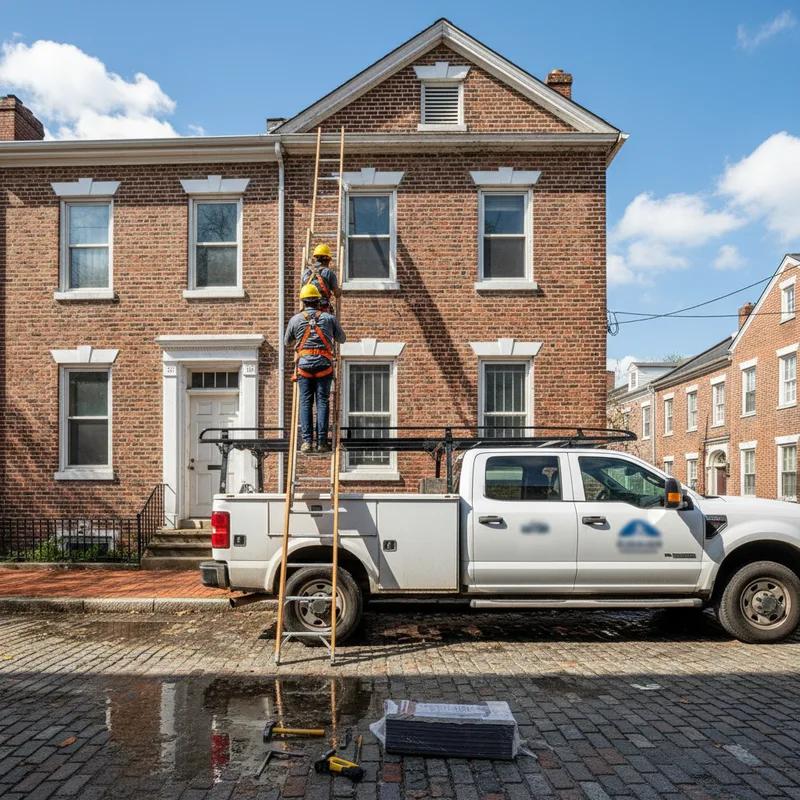
A licensed Philadelphia roofer in safety gear carefully inspecting a flat rubber roof on a row home in a dense urban neighborhood, with city skyline visible in the background
How to Find a Trusted Local Roofer After Storm Damage in Philadelphia

Frequently Asked Questions

How do I check if a roofing contractor is licensed in Philadelphia?

In Pennsylvania, roofing contractors must be registered as Home Improvement Contractors (HIC) with the Pennsylvania Attorney General's Office — you can verify this online at the AG's website. For work in Philadelphia specifically, contractors should also pull the required permits through the City's Department of Licenses and Inspections (L&I), which you can verify through the eCLIPSE permit portal at phila.gov.

Is it illegal for roofers to solicit door-to-door after a storm in Philadelphia?

Door-to-door solicitation is not automatically illegal in Philadelphia, but contractors must comply with city solicitation ordinances and Pennsylvania's Home Improvement Consumer Protection Act. However, many storm-chasing contractors who solicit this way are operating without proper HIC registration, which is illegal, and their high-pressure tactics may violate Pennsylvania consumer protection laws.

What should I do if a roofer asks me to sign an Assignment of Benefits form?

Be very cautious before signing any Assignment of Benefits (AOB) agreement, as this transfers control of your insurance claim directly to the contractor. Consult your insurance company and potentially an attorney before signing. Pennsylvania has strengthened consumer protections around AOB agreements, and many legitimate contractors do not require them.

How much should a roof repair cost after storm damage in Philadelphia?

Costs vary widely depending on the type of roof, extent of damage, and materials needed. Minor flat roof repairs on a Philadelphia row home might range from a few hundred to a couple thousand dollars, while more extensive damage can run significantly higher. Always get at least three itemized written estimates and be skeptical of quotes that are dramatically lower or higher than the others.

Where can I report a roofing scam in Philadelphia?

You can file a complaint with the Pennsylvania Attorney General's Bureau of Consumer Protection at attorneygeneral.gov, report to the Better Business Bureau of Greater Philadelphia, and for criminal fraud, contact the Philadelphia District Attorney's Office. Document all communications, contracts, and payments before filing your complaint.

James Callahan
Founder & Editor, Philly Roof Find

James founded Philly Roof Find to give Philadelphia homeowners a transparent, independent resource for evaluating roofing contractors. With a background in building trades and a focus on local construction practices, he writes practical guides grounded in Philadelphia-specific building codes, materials, and contractor standards.

Related Articles

How to Spot a Roofing Scam Before Hiring in Philadelphia - Philadelphia roofing guide

How to Spot a Roofing Scam Before Hiring in Philadelphia

Roofing fraud is one of the most common home improvement scams targeting Philadelphia homeowners, especially after major storms roll through neighborhoods from Kensington to Chestnut Hill. Whether you're dealing with a leaking flat roof in South Philly or missing shingles in Northeast Philadelphia, knowing how to spot a scam before you sign anything could save you thousands of dollars. This guide walks you through the red flags, verification steps, and local resources that every Philadelphia homeowner needs to know.

How to File a Storm Damage Roof Claim in Philadelphia - Philadelphia roofing guide

How to File a Storm Damage Roof Claim in Philadelphia

Filing a storm damage roof insurance claim in Philadelphia can feel overwhelming, especially when you're already dealing with leaks, missing shingles, or worse. This guide walks you through every step — from documenting damage right after a storm to working with a licensed Philadelphia roofer and avoiding lowball insurance settlements. Whether you have a row home in South Philly or a detached house in Chestnut Hill, knowing your rights and responsibilities can mean the difference between a full repair and an underpaid claim.

How to Hire a Roofer After Spring Storm Damage in Philadelphia - Philadelphia roofing guide

How to Hire a Roofer After Spring Storm Damage in Philadelphia

Spring storms in Philadelphia can leave your roof battered by high winds, hail, and heavy rain — and within hours, storm-chasing scammers are knocking on your door. Before you sign anything or let anyone on your roof, learn how to properly vet a local roofing contractor, protect yourself from fraud, and navigate the insurance claims process with confidence. This guide gives Philadelphia homeowners the step-by-step tools they need to hire the right roofer and get their home protected fast.