Understanding Philadelphia's Storm Risks and What They Do to Your Roof
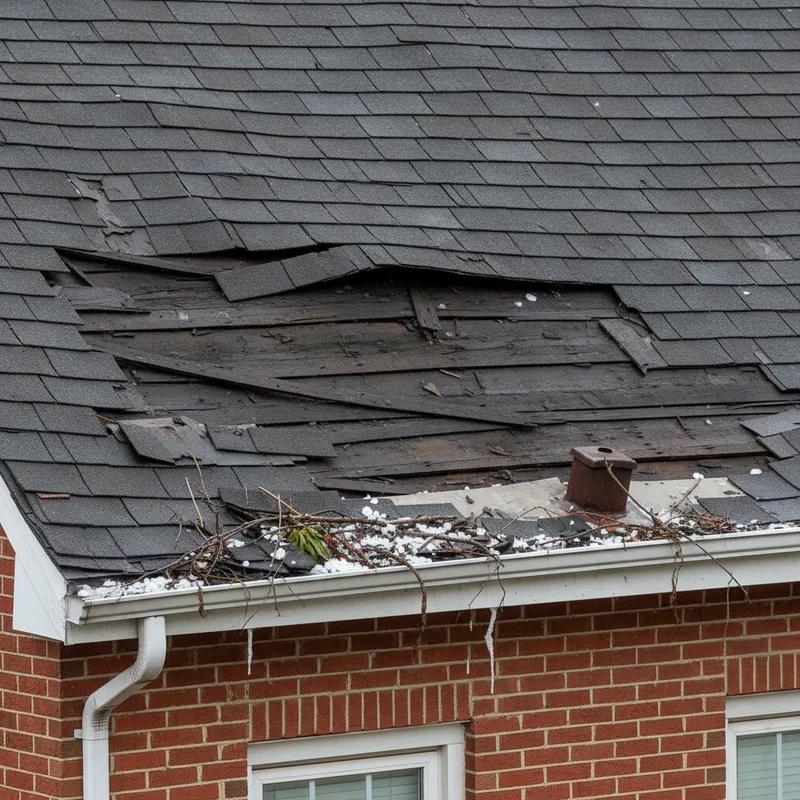
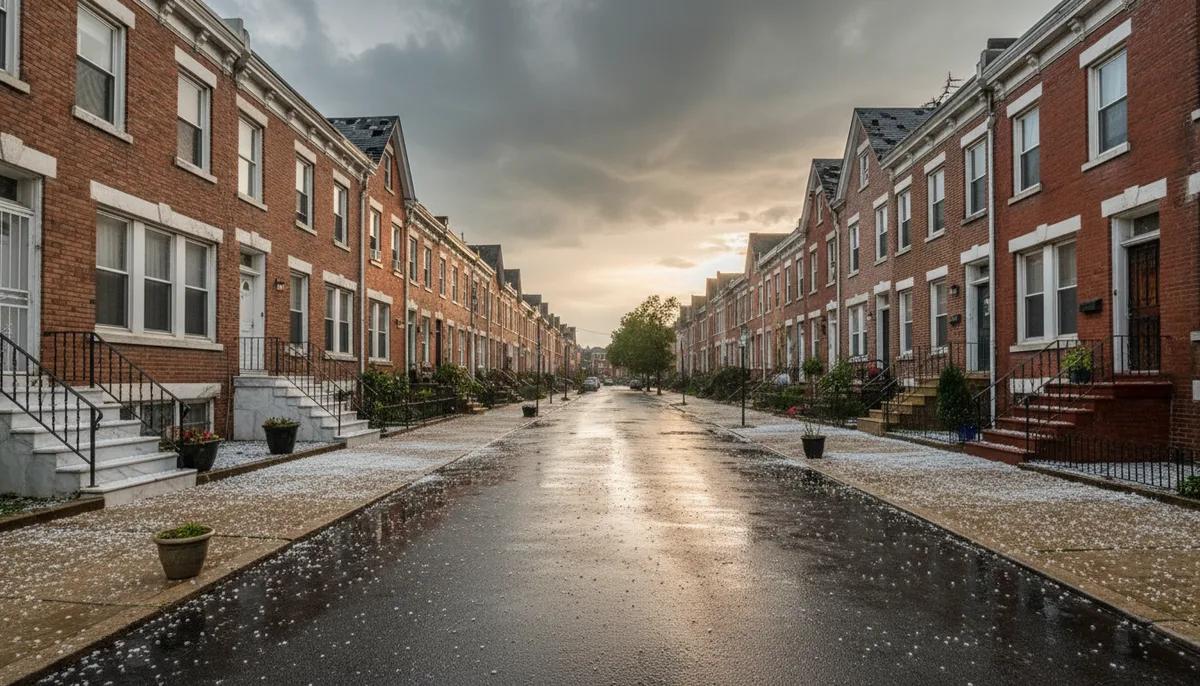
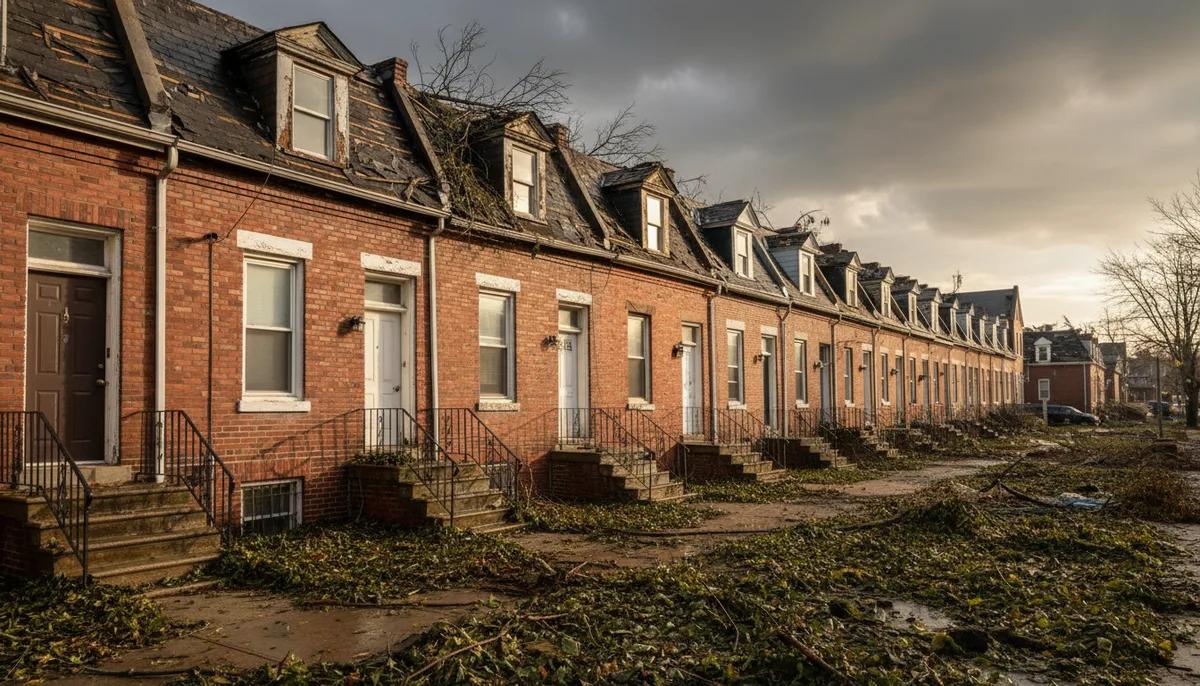
Philadelphia sits in a weather corridor that makes it surprisingly vulnerable to roof-damaging storms year-round. Nor'easters rolling up the Eastern Seaboard bring heavy snow loads and powerful winds between November and March. Spring and summer thunderstorms — increasingly intense in recent years — can produce hail, straight-line winds exceeding 60 mph, and torrential rain that overwhelms aging drainage systems. Tropical remnants occasionally push through in late summer and fall, bringing sustained wind damage that can strip flashing and lift shingles across entire neighborhoods.
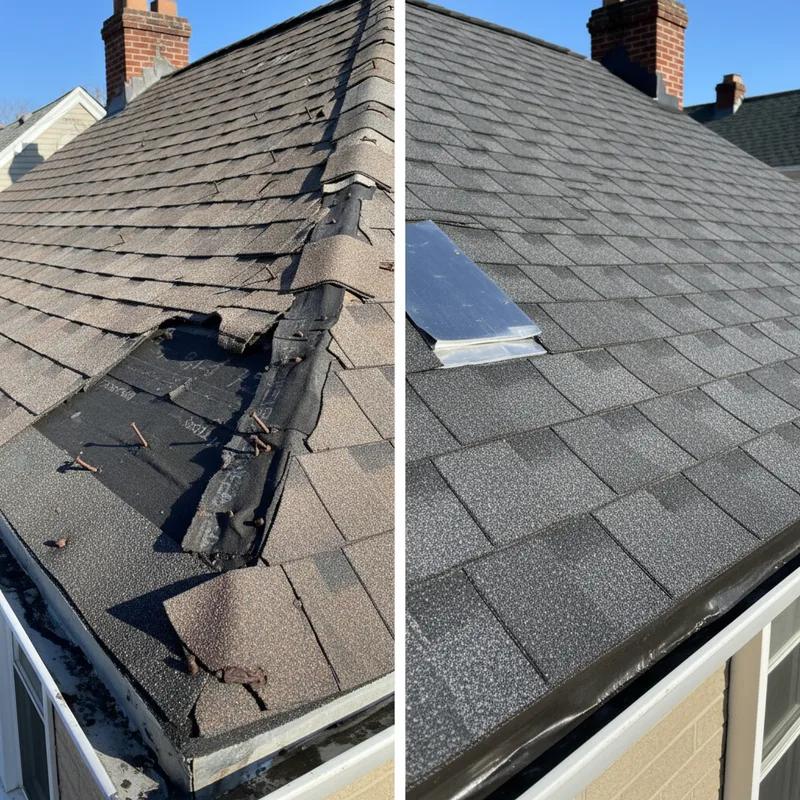
For Philadelphia homeowners, the roofing stakes are especially high because of the city's distinctive housing stock. The dense rows of attached brick homes in neighborhoods like Fishtown, Kensington, Point Breeze, and Passyunk Square often feature flat or low-slope roofs with rubber or modified bitumen membranes — surfaces that are particularly susceptible to punctures from hail, pooling water after heavy rain, and seam failures under freeze-thaw cycles. Meanwhile, older pitched roofs in neighborhoods like Germantown, West Mount Airy, and Roxborough may still have original slate or aging architectural shingles that can crack, shift, or lose granules after even moderate hail.
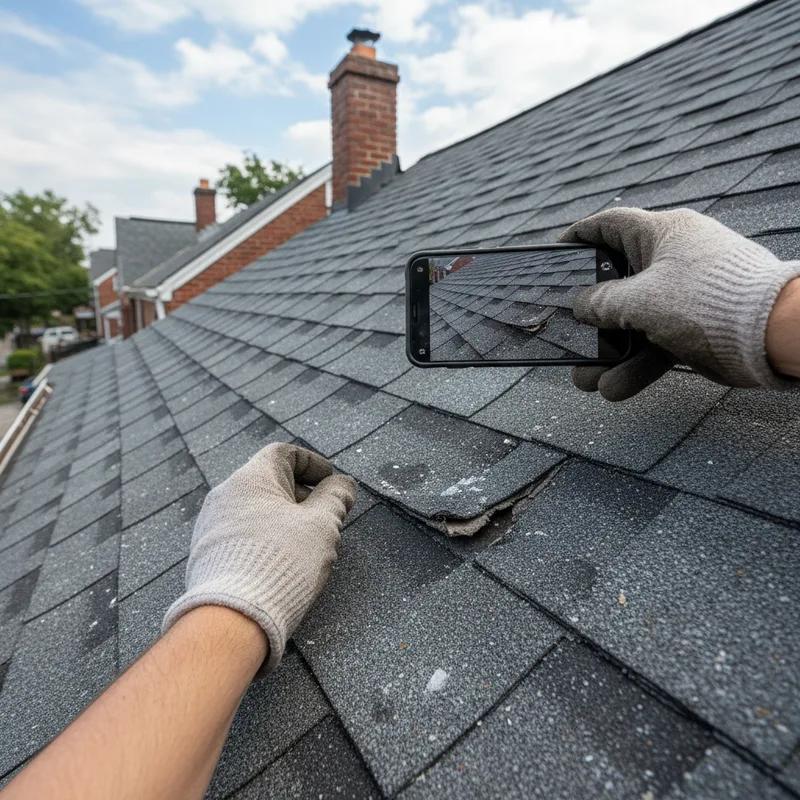
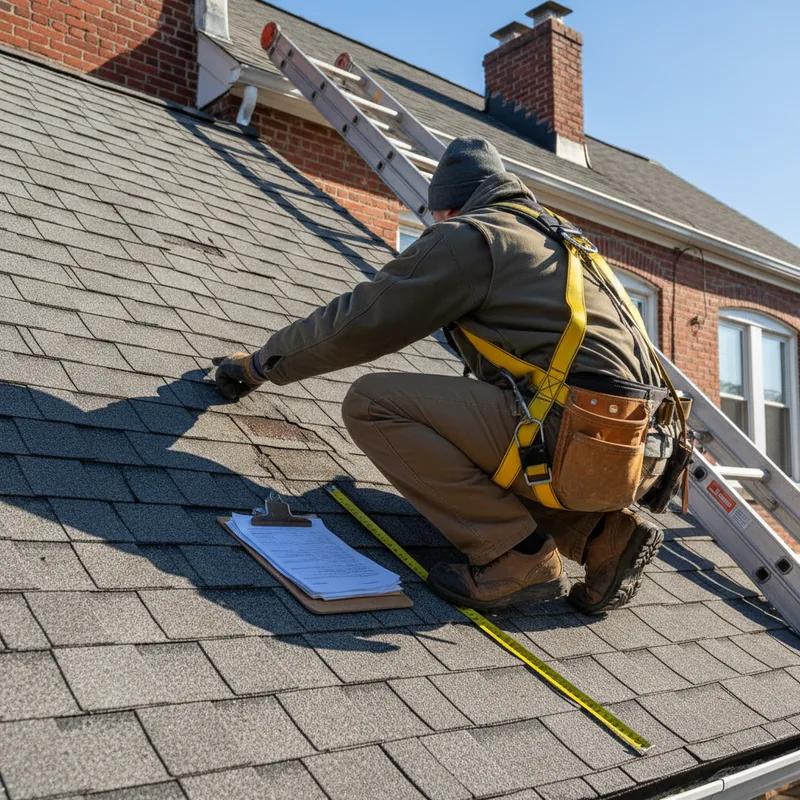
Understanding what type of damage is most likely given your roof's material and your neighborhood's exposure is the first step toward a successful insurance claim. Insurance adjusters are trained to minimize payouts, and they know that many homeowners can't distinguish cosmetic surface wear from genuine storm damage. Before you ever pick up the phone to call your insurer, you need to understand what you're looking at — and what it's worth. The sections below will walk you through exactly how to do that, step by step, with Philadelphia-specific context at every stage.