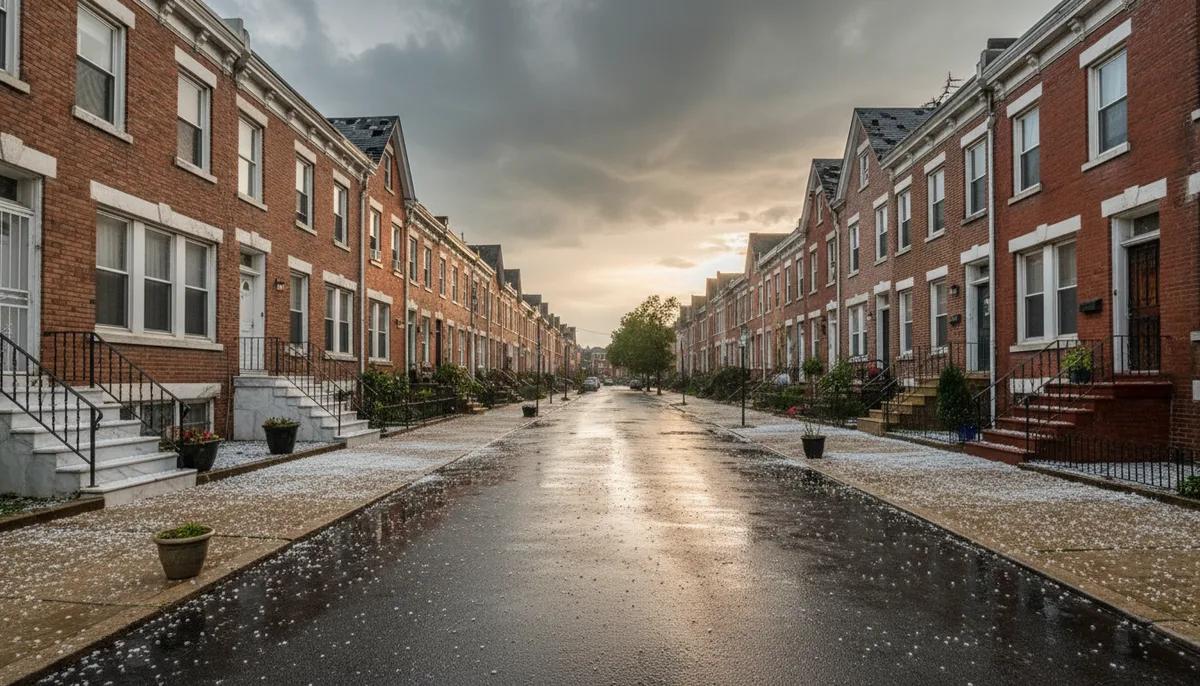
Why Philadelphia Homeowners Need to Take Hail Damage Seriously
Philadelphia sits in a weather corridor that makes it surprisingly vulnerable to hail-producing thunderstorms, particularly during spring and early summer. The Delaware Valley's geography channels moisture from the Atlantic and the Chesapeake region, feeding the kind of supercell thunderstorms that can drop hailstones ranging from pea-sized to golf ball-sized across neighborhoods from Frankford to West Philadelphia in a matter of minutes.
In recent years, the region has seen an uptick in severe convective storms — the type that produce hail alongside high winds and heavy rain. For homeowners in densely packed neighborhoods like Kensington, Roxborough, or South Philly, a single hail event can affect hundreds of row homes simultaneously, meaning local contractors get slammed with requests and response times stretch out for weeks.
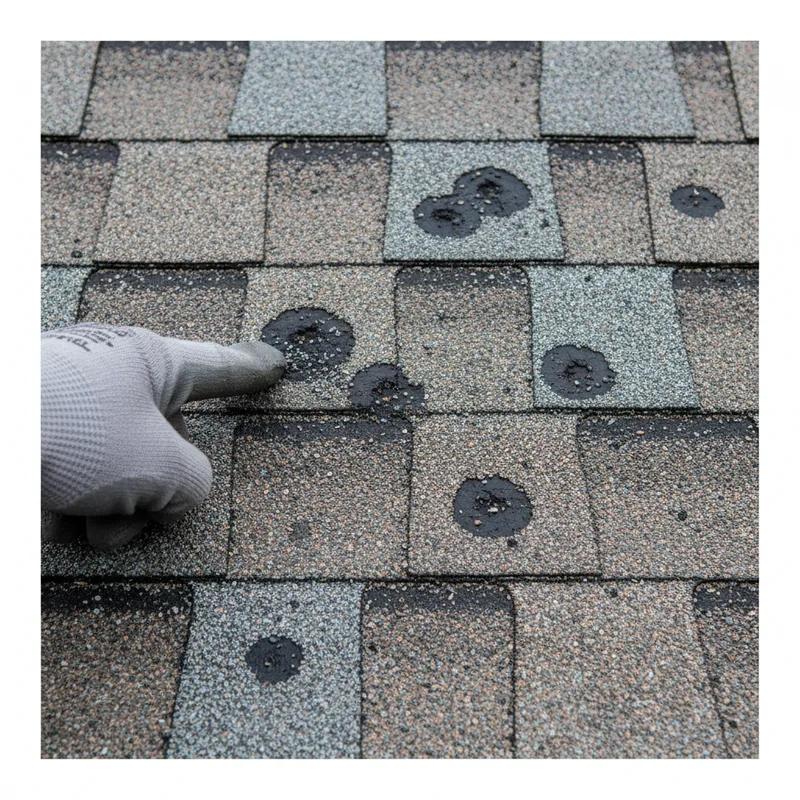
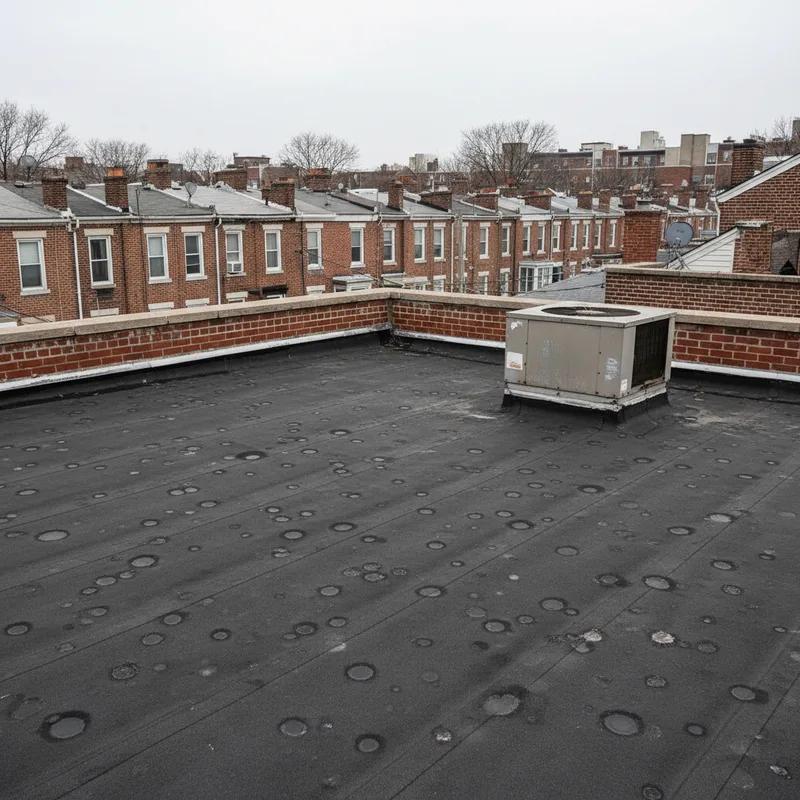
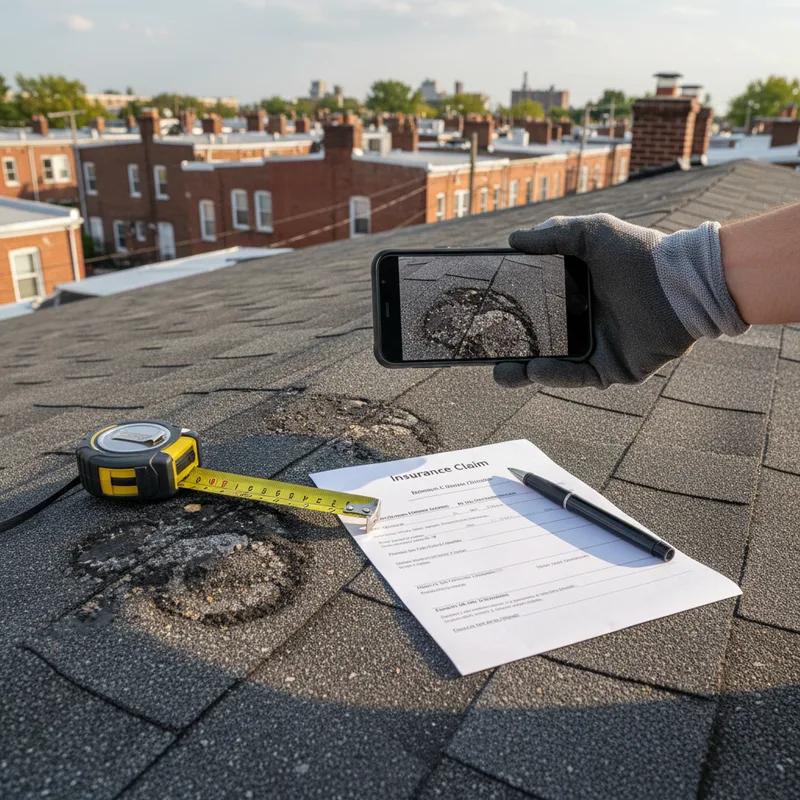
The real danger isn't always the visible damage you can spot from the street. Hail impacts can fracture the granule layer of asphalt shingles, compromise the underlying mat, and create micro-cracks that allow water infiltration long before you notice a stain on your ceiling. Left unaddressed, this kind of damage accelerates shingle deterioration, leads to deck rot, and can eventually compromise the structural integrity of your roof system.
Philadelphia's older housing stock adds another layer of complexity. Many homes in neighborhoods like Germantown, Fishtown, and Point Breeze have roofs that are already decades old, meaning even moderate hail can push a borderline roof into failure territory. Understanding how to assess your roof promptly after a storm gives you the information you need to act quickly, file an accurate insurance claim, and avoid the predatory storm-chasing contractors that descend on the city after every major weather event.