Roofing Insurance Claims in Pennsylvania: A Step-by-Step Homeowner Guide

How to file and manage a roofing insurance claim in Pennsylvania: documenting damage, working with adjusters, choosing contractors, understanding public adjusters, and appeals.

Homeowner reviewing insurance documentation for roof damage claim

Documentation is your strongest tool in the insurance claims process.

James Callahan
Published January 15, 2026·Updated January 25, 2026
1

When to file a claim: covered vs. non-covered events

Not all roof damage is covered by homeowner's insurance. Understanding the distinction before you file can save you time and prevent unnecessary claim history on your policy.

Typically covered events:

  • Storm damage (wind, hail, fallen trees or branches)
  • Fire and lightning strikes
  • Weight of ice and snow causing structural damage
  • Vandalism and sudden accidental damage

Typically NOT covered:

  • Normal wear and tear or aging of roofing materials
  • Damage from deferred maintenance (clogged drains, neglected flashing)
  • Gradual deterioration that develops over months or years
  • Damage caused by poor workmanship on a previous installation
  • Flood damage (requires separate flood insurance policy)

Before you call your insurer:

  • Determine whether the damage was caused by a sudden, specific event or by gradual deterioration
  • Review your policy's deductible—if repair costs are close to your deductible amount, filing a claim may not be beneficial
  • Remember that filing a claim creates a record, even if the claim is denied, which can affect future premiums

When in doubt, consult with a reputable roofing contractor first. They can assess the damage and give you an honest opinion about whether an insurance claim is appropriate before you contact your carrier.


Dark storm clouds gathering over buildings
Severe weather is the primary cause of emergency roof damage.

2

Documenting damage properly: photos, video, and timeline

Strong documentation is the single most important factor in a successful insurance claim. The quality of your evidence directly affects how quickly and fairly your claim is processed.

Immediate documentation (within hours of discovering damage):

  • Photograph all visible damage from multiple angles, both interior and exterior
  • Take video walkthroughs showing the scope and context of the damage
  • Document the date and time of the damaging event (storm date, when you first noticed the leak)
  • Save weather reports, news coverage, or alerts for the date of the storm or event
  • Photograph any temporary measures you take to prevent further damage

Detailed documentation (within days):

  • Create a written inventory of all damaged areas and materials
  • Get a professional inspection and written report from a licensed roofing contractor
  • Keep all receipts for emergency repairs, tarps, and temporary measures
  • Document any water damage to interior finishes, insulation, and personal property

Organization tips:

  • Create a dedicated folder (physical or digital) for all claim-related documents
  • Label photos with dates and descriptions of what they show
  • Keep a log of all phone calls with your insurance company, including names, dates, and what was discussed

Thorough documentation not only supports your claim—it also protects you if there's a dispute about the scope of damage or the cost of repairs.

Person using smartphone to document something
Documenting conditions with photos helps with insurance and repairs.

3

The adjuster process: what to expect and how to prepare

After you file a claim, your insurance company will send an adjuster to inspect the damage. Understanding this process helps you prepare and ensures nothing is overlooked.

What the adjuster does:

  • Inspects the damage in person (roof, interior, and any related areas)
  • Estimates the cost of repairs based on insurance industry pricing tools (typically Xactimate software)
  • Determines what portion of the damage is covered under your policy
  • Prepares a scope of work and cost estimate that forms the basis of your claim payment

How to prepare for the adjuster's visit:

  • Be present during the inspection if possible—you can point out damage they might miss
  • Have your documentation organized and available to share
  • If you have a contractor's estimate, provide it to the adjuster for comparison
  • Ask questions and take notes during the inspection

Getting an independent estimate:

  • Always obtain at least one independent estimate from a licensed roofing contractor before accepting the insurance company's assessment
  • If the adjuster's estimate seems significantly lower than your contractor's estimate, request a detailed line-by-line comparison
  • Common areas of disagreement include the scope of tear-off, flashing replacement, decking repairs, and code-required upgrades

Remember that the adjuster works for the insurance company, not for you. Being polite, prepared, and organized is the best way to ensure a fair assessment.

Professional conducting a building inspection
Professional inspections provide objective condition assessments.

4

Working with contractors on insurance jobs

Choosing the right contractor for an insurance-funded roofing project requires some additional considerations beyond a standard replacement.

Assignment of Benefits (AOB) warnings:

  • Some contractors ask you to sign an Assignment of Benefits, which transfers your insurance claim rights to the contractor
  • AOB can simplify the process but also removes your control over the claim
  • In many cases, it is better to maintain control of your claim and pay the contractor directly after receiving the insurance payment
  • Read any documents carefully before signing, and consider having an attorney review AOB agreements

Contractor fraud warning signs:

  • Door-to-door solicitation immediately after a storm ("We're working in the neighborhood...")
  • Offers to waive your deductible (this is insurance fraud in Pennsylvania)
  • Pressure to sign a contract before the insurance adjuster has visited
  • Demands for large upfront payments before the claim is settled
  • Promises that "insurance will cover everything" before the claim is even filed

Best practices for insurance jobs:

  • Get estimates from 2-3 reputable, local contractors—not just the one who knocked on your door
  • Ensure the contractor's scope of work matches the insurance adjuster's approved scope
  • Confirm in writing that the contractor will complete all work covered by the claim
  • Never let a contractor file the claim on your behalf without understanding exactly what they are doing

Legitimate contractors understand the insurance process and will work with you and your adjuster transparently. Pressure tactics and too-good-to-be-true promises are always red flags.

Professional handshake between contractor and client
A trustworthy contractor welcomes questions and provides documentation.

5

Public adjusters and appeals: when they help and what they cost

If your claim is denied or the payout seems unreasonably low, you have options. Understanding public adjusters and the appeals process can help you get a fair resolution.

What is a public adjuster?

  • A licensed professional who represents you (not the insurance company) in the claims process
  • They inspect the damage, prepare detailed estimates, and negotiate with your insurer on your behalf
  • In Pennsylvania, public adjusters must be licensed under Act 72 and carry a surety bond

When a public adjuster may be worth it:

  • Your claim was denied and you believe the damage is covered
  • The insurance company's payout is significantly lower than independent contractor estimates
  • The damage is extensive and the claim is complex (multiple areas, structural issues)
  • You don't have the time or expertise to negotiate effectively on your own

Costs and considerations:

  • Public adjusters in Pennsylvania typically charge 10-15% of the final claim settlement
  • The fee is contingency-based, meaning you only pay if they increase your settlement
  • Verify their Pennsylvania license and check references before hiring
  • Be cautious of public adjusters who appear at your door unsolicited after a storm

The formal appeals process:

  • If your claim is denied, you can file a written appeal with your insurance company, including additional documentation and contractor estimates
  • If the appeal is unsuccessful, you can file a complaint with the Pennsylvania Insurance Department
  • For significant disputes, consulting with an attorney who specializes in insurance claims may be advisable
  • Mediation and appraisal clauses in your policy may offer alternative dispute resolution paths

Most fair claims are resolved without needing a public adjuster or attorney. But knowing these options exist gives you leverage and ensures you aren't settling for less than you deserve.

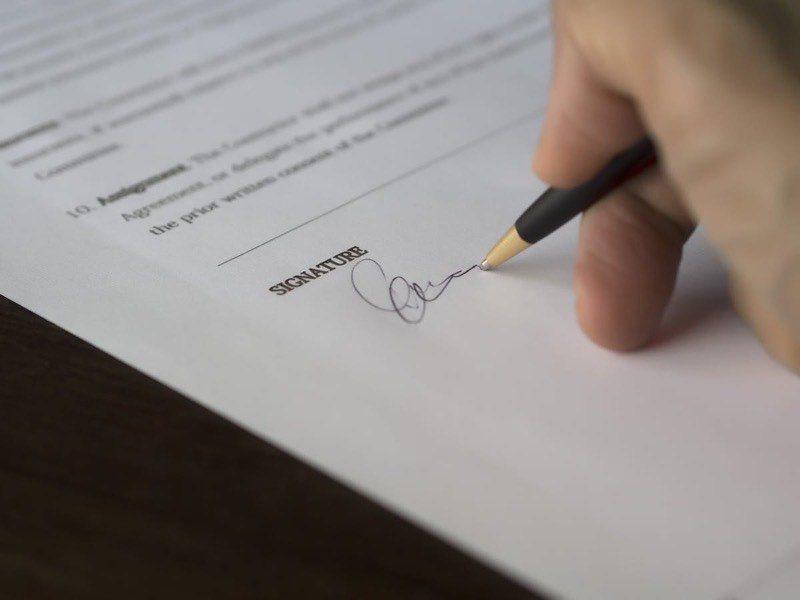
Person signing a professional contract document
Clear payment terms protect both homeowner and contractor.

Sources & References

  1. Pennsylvania Insurance Department – Filing a Property Insurance Claim
  2. Insurance Information Institute – Roof Damage Claims Guide
  3. National Association of Public Insurance Adjusters – Consumer Guide
  4. Pennsylvania Act 72 – Public Adjuster Licensing Requirements
James Callahan
Founder & Editor, Philly Roof Find

James founded Philly Roof Find to give Philadelphia homeowners a transparent, independent resource for evaluating roofing contractors. With a background in building trades and a focus on local construction practices, he writes practical guides grounded in Philadelphia-specific building codes, materials, and contractor standards.