Found a Roof Leak? What Philadelphia Homeowners Should Do First

A step-by-step guide for Philadelphia homeowners dealing with a roof leak: immediate containment, identifying common leak sources in Philly homes, temporary fixes, insurance documentation, and finding emergency roofers.

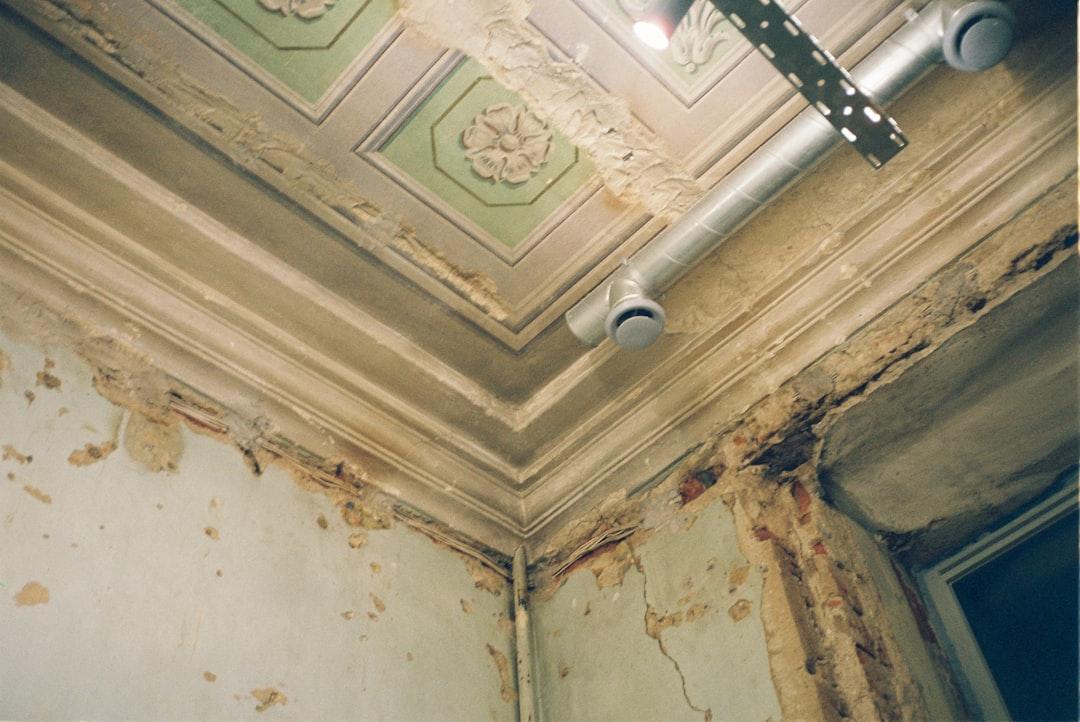
Water damage and peeling paint on a ceiling caused by a roof leak

Quick action limits water damage—every hour counts.

James Callahan
Published February 1, 2026·Updated February 1, 2026
1

Immediate steps: contain the water

When you discover an active roof leak, your first priority is limiting interior damage while keeping yourself safe.

Safety first:

  • If water is near light fixtures, outlets, or electrical panels, turn off power to the affected area at the breaker box before doing anything else
  • Stay away from sagging or bulging ceilings—waterlogged drywall can collapse without warning
  • Do not go onto the roof during rain, ice, or high winds. Wet roofs are extremely dangerous

Contain and control the water:

  • Place buckets, large bins, or trash cans under active drips. Line the area with towels or plastic sheeting to catch splashes
  • Move furniture, electronics, and valuables away from the affected area
  • If a ceiling is bulging with trapped water, carefully puncture the lowest point of the bulge with a screwdriver or nail and direct the stream into a bucket. This prevents a larger, uncontrolled collapse
  • If water is running along a wall, place plastic sheeting against the wall to direct water into a container at the base

Protect floors and belongings:

  • Lay plastic drop cloths or tarps over hardwood floors, rugs, and furniture that can't be moved
  • Remove items from closets and storage areas directly below or adjacent to the leak path

Rain drops on a window during a storm
Water intrusion can cause significant damage if not addressed quickly.

2

Common leak sources in Philadelphia homes

Understanding where leaks commonly originate in Philadelphia's housing stock helps you (and your contractor) narrow down the source faster.

Row home-specific leak sources:

  • Party wall flashing: The junction where your flat or low-slope roof meets the shared party wall is the single most common leak point in Philly row homes. Failed or improperly installed cap and counter-flashing allows water behind the membrane
  • Scupper and drain blockage: Flat roofs rely on internal drains or scuppers to evacuate water. Leaves, debris, or ice blockage causes ponding, which eventually forces water through seams or aging membrane
  • Rubber membrane failure: Many row homes use EPDM or modified bitumen. Seams can separate, and the membrane itself can crack with age, especially in areas of ponding water

Common leak sources in all Philadelphia homes:

  • Pipe boot failures: The rubber gaskets around plumbing vent pipes dry out and crack within 10-15 years, allowing water to run down the pipe into the interior
  • Chimney flashing: Step flashing and counter-flashing around chimneys deteriorate over time. Cracked mortar caps and deteriorating brick also allow water entry from above
  • Valley and transition flashing: Where two roof planes meet, flashing channeling water can corrode, shift, or get clogged with debris
  • Ice dams (winter): In cold snaps, ice can build up at roof edges and force water under shingles. Older Philly homes with poor attic insulation are particularly susceptible

Note: The visible drip location inside your home is often far from the actual point of entry. Water travels along rafters, decking, and pipes before appearing on your ceiling.

Dark storm clouds gathering over buildings
Severe weather is the primary cause of emergency roof damage.

3

Temporary fixes vs. calling a professional

Some temporary measures can limit damage until a professional arrives. Here's what's reasonable for a homeowner to do—and what isn't.

Reasonable temporary measures (from inside):

  • Placing a tarp in the attic beneath the leak point to redirect water into a container
  • Applying roofing cement or sealant to a visible crack from inside the attic (for slow leaks when the attic is accessible)
  • Clearing a clogged internal drain or scupper from the roof surface—but only if the roof is dry and safely accessible

When to wait for a professional:

  • Never attempt roof-top repairs in rain, snow, ice, or high winds
  • Tarp installation on a flat roof requires proper weighting and anchoring—incorrectly placed tarps can blow off or funnel water to new areas
  • Any repair involving flashing, membrane, or structural elements requires a qualified roofer
  • If the leak involves multiple areas or the source is unclear, attempting DIY fixes can mask the real problem and delay proper repair

What a professional emergency visit typically includes:

  • Assessment of the leak source (often using interior evidence, exterior inspection, or thermal imaging)
  • Temporary mitigation: professional tarp installation, emergency sealant application, or drain clearing
  • A separate written estimate for the permanent repair, which you can review without pressure
Professional conducting a building inspection
Professional inspections provide objective condition assessments.

4

Documenting for insurance

Proper documentation immediately after discovering a leak can make a significant difference in your insurance claim outcome.

Document everything with photos and video:

  • The active leak location: water entry point on the ceiling or wall
  • The extent of water damage: stained drywall, wet floors, damaged belongings
  • The path of water if visible (water stains along walls, saturated insulation in the attic)
  • Any exterior damage visible from ground level—missing shingles, flashing displacement, debris
  • Date and timestamp your photos (most smartphone cameras do this automatically)

File your claim promptly:

  • Contact your homeowner's insurance company as soon as the immediate situation is controlled
  • Most policies require "timely" notification—waiting weeks can jeopardize your claim
  • Describe the damage factually. Don't speculate on the cause; let the adjuster and your contractor assess

Important insurance considerations for Philadelphia homeowners:

  • Standard homeowner's policies typically cover sudden, accidental water damage from a roof leak (e.g., storm damage)
  • Gradual damage from deferred maintenance is generally not covered. This is why regular inspections matter
  • Keep all receipts for emergency mitigation (tarps, emergency plumber or roofer visits, temporary repairs). Most policies cover reasonable mitigation expenses
  • Get your own repair estimate in addition to the adjuster's assessment. Insurance adjusters work for the insurance company, not for you
Person using smartphone to document something
Documenting conditions with photos helps with insurance and repairs.

5

Finding an emergency roofer in Philadelphia

Not every roofer handles emergency calls, and the pressure of an active leak makes homeowners vulnerable to overcharging or poor-quality work.

How to find legitimate emergency help:

  • Start with contractors who are already established in the Philadelphia market with verifiable reviews and licensing
  • Ask whether they offer 24/7 emergency service and what the after-hours surcharge is (expect to pay a premium for nights, weekends, and holidays)
  • Request a written scope for the emergency/temporary repair and a separate estimate for the permanent fix
  • Verify their PA Home Improvement Contractor (HIC) registration before signing anything

Red flags during an emergency:

  • A contractor who pressures you to sign a full replacement contract during an active emergency. Emergency work and permanent repairs should be quoted separately
  • Cash-only demands or requests for large upfront deposits for emergency tarping. A reasonable emergency tarp fee is $300-$800 depending on roof size and conditions
  • Unsolicited door-knocking after a storm—"storm chasers" who canvass neighborhoods after weather events are often out-of-state operators without proper licensing
  • No written documentation of the emergency work performed

After the emergency is handled:

  • Get at least 2-3 estimates for the permanent repair from licensed, insured contractors
  • Don't rush into a full replacement decision based on emergency conditions. Many leaks can be permanently repaired without a full roof replacement
  • Use the experience as motivation to schedule a full inspection and develop a maintenance plan to prevent future emergencies
Professional handshake between contractor and client
A trustworthy contractor welcomes questions and provides documentation.

Sources & References

  1. Insurance Information Institute – Filing a Roof Damage Claim
  2. FEMA – Protecting Your Property from Flood and Water Damage
  3. Pennsylvania Attorney General – Home Improvement Fraud Prevention
  4. Philadelphia Office of Emergency Management – Storm Preparedness
  5. National Roofing Contractors Association (NRCA) – Emergency Roof Repair Guidelines
James Callahan
Founder & Editor, Philly Roof Find

James founded Philly Roof Find to give Philadelphia homeowners a transparent, independent resource for evaluating roofing contractors. With a background in building trades and a focus on local construction practices, he writes practical guides grounded in Philadelphia-specific building codes, materials, and contractor standards.