How to Spot a Roofing Scam Before Hiring in Philadelphia

Learn how Philadelphia homeowners can identify roofing scams, verify contractors, and protect themselves before signing any contract or paying a deposit.

How to Spot a Roofing Scam Before Hiring in Philadelphia - Philadelphia roofing guide

Roofing fraud is one of the most common home improvement scams targeting Philadelphia homeowners, especially after major storms roll through neighborhoods from Kensington to Chestnut Hill.

James Callahan
Published March 9, 2026·Updated March 9, 2026
1

Why Philadelphia Homeowners Are Prime Targets for Roofing Fraud

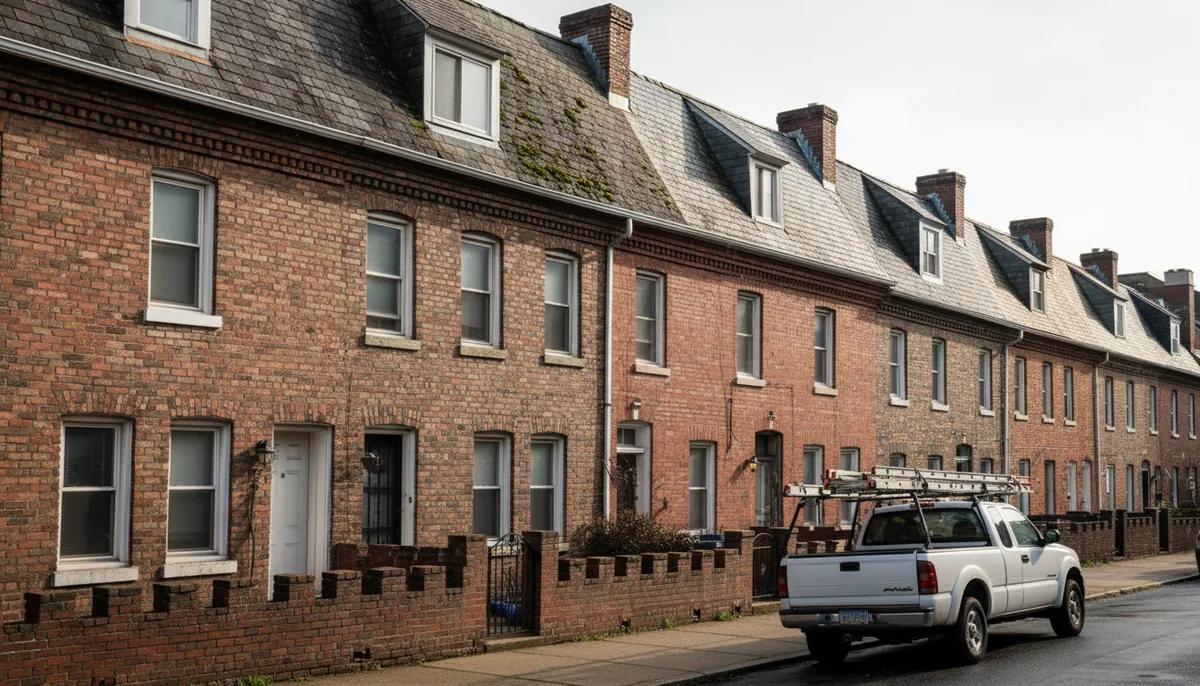
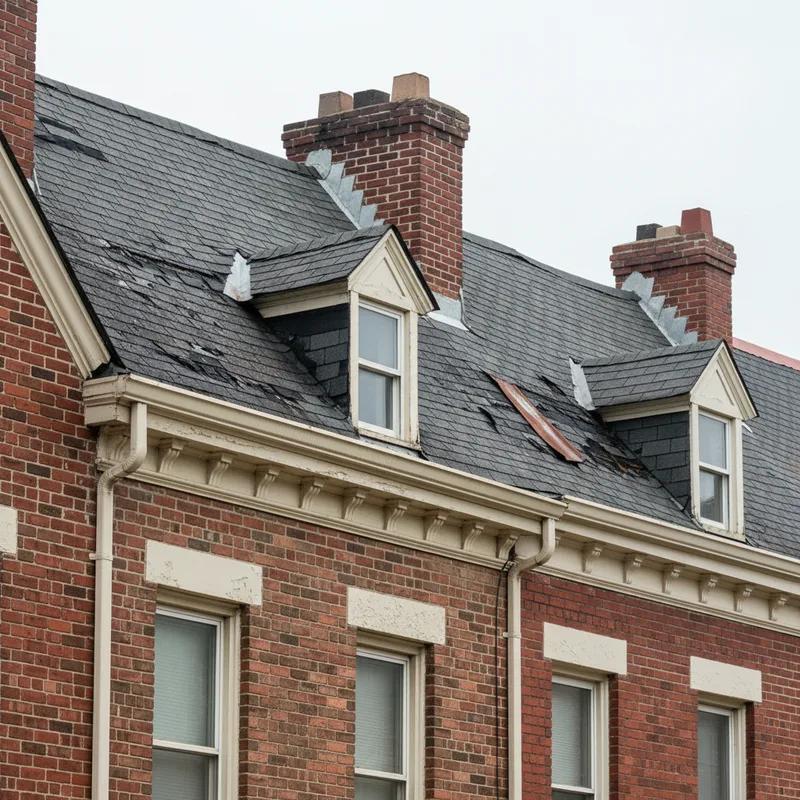
Philadelphia's housing stock is among the oldest and most diverse in the country, with hundreds of thousands of row homes, twin houses, and older detached properties spread across neighborhoods like Fishtown, Germantown, West Philadelphia, and the Northeast. Many of these homes feature aging flat roofs, deteriorating rubber membranes, and original slate or asphalt shingles that are well past their service life. That combination of aging infrastructure and a large population of longtime homeowners — many of them elderly or on fixed incomes — makes Philadelphia a frequent hunting ground for roofing scammers.

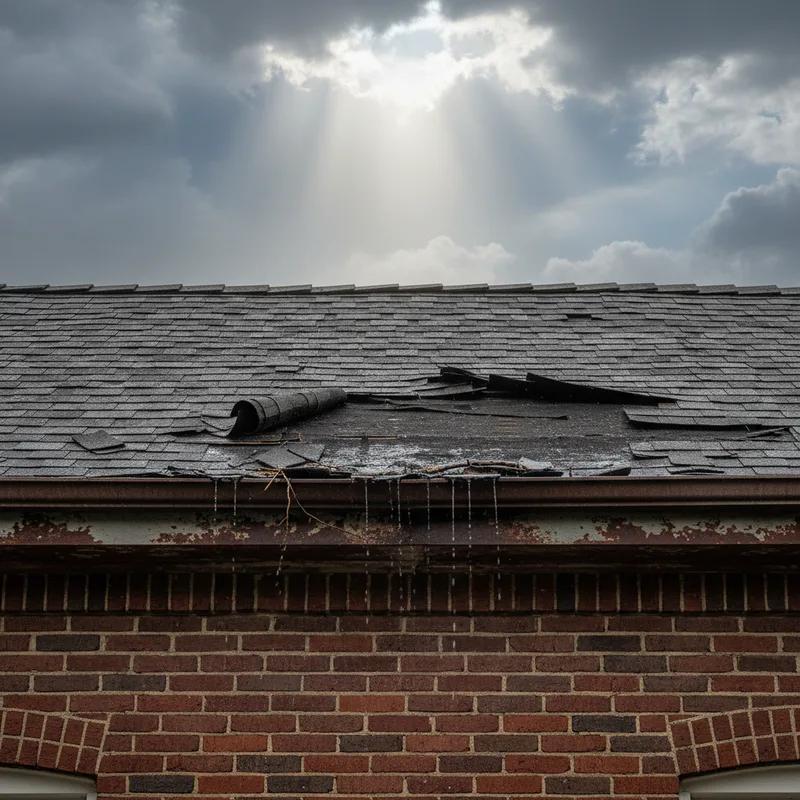
The problem intensifies after major weather events. Philadelphia sits in a mid-Atlantic climate zone that delivers punishing nor'easters, late-season ice storms, and heavy summer thunderstorms capable of stripping shingles and damaging flashing in a matter of minutes. After events like these, so-called "storm chasers" — traveling contractors with no local ties — flood into neighborhoods offering quick, cheap repairs. They knock on doors in hard-hit areas like Roxborough, Mayfair, or Olney, often before homeowners have even had a chance to assess the damage themselves.

Local consumer protection agencies consistently rank roofing fraud among the top complaints received from Philadelphia residents. The scams range from simple deposit theft — where a contractor takes your money and disappears — to more elaborate schemes involving substandard materials, inflated insurance claims, or work that creates new problems rather than solving existing ones.

Understanding why you're a target is the first step toward protecting yourself. The good news is that with a few straightforward verification steps and an awareness of the most common red flags, most roofing scams are entirely avoidable. The sections that follow will give you the tools you need to hire safely and confidently.
Why Philadelphia Homeowners Are Prime Targets for Roofing Fraud

2

The Biggest Red Flags: Warning Signs of a Roofing Scam

Recognizing a scam before it happens is far easier than recovering from one. Roofing fraudsters tend to follow predictable patterns, and knowing those patterns puts you in a much stronger position as a homeowner.

The most common red flag is unsolicited door-to-door solicitation, particularly in the days immediately following a storm. Legitimate, established Philadelphia roofing contractors rarely need to cold-knock doors for business — they rely on referrals, reviews, and repeat customers. If someone shows up uninvited claiming they "noticed damage" on your roof while working nearby, treat that with significant skepticism.

High-pressure sales tactics are another major warning sign. Scammers frequently claim that the deal is only available today, that materials are in limited supply, or that your roof is in immediate danger of collapse. Legitimate contractors understand that replacing or repairing a roof is a significant financial decision and will give you time to gather multiple estimates.

Watch out for contractors who demand a large upfront deposit — particularly in cash. While a reasonable deposit (typically 10–30% of the total job cost) is standard practice, any contractor asking for 50% or more upfront, or insisting on full payment before work begins, should raise serious concerns. Cash-only demands are especially problematic because they leave you with no payment record and no recourse.

Other red flags include:

  • No physical business address in or near Philadelphia
  • Reluctance to provide a written, itemized contract
  • Vague or verbal-only quotes with no material specifications
  • Pressure to let them handle your insurance claim directly
  • Out-of-state license plates on their vehicles
  • No verifiable online presence, reviews, or references

If even one or two of these warning signs appear, slow down and do your homework before committing to anything.

The Biggest Red Flags: Warning Signs of a Roofing Scam

3

How to Verify a Roofing Contractor's Credentials in Philadelphia

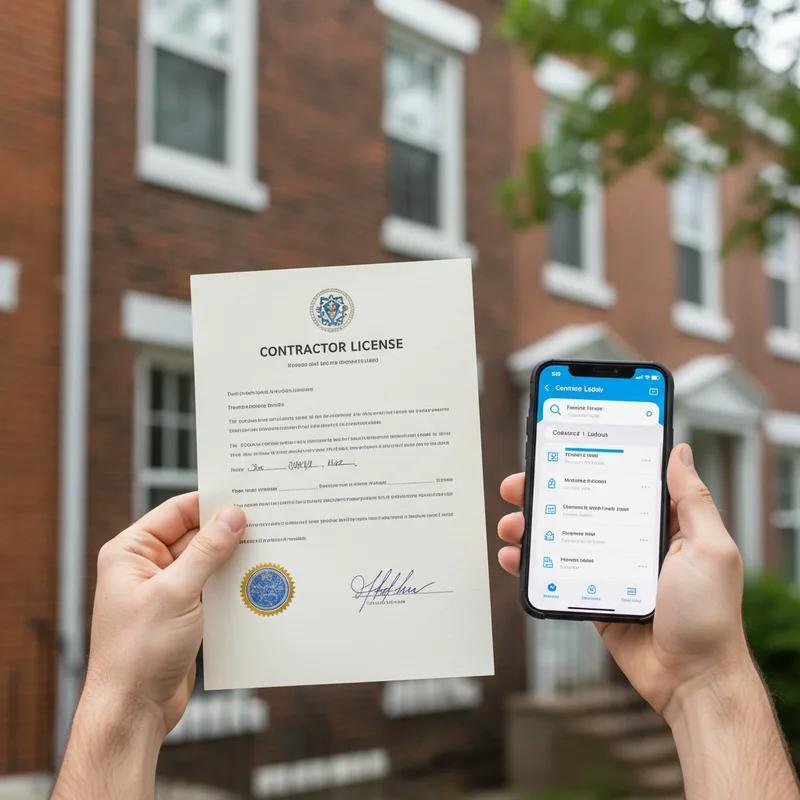
In Pennsylvania, roofing contractors are not required to hold a state-issued roofing-specific license, but they are required to register as a Home Improvement Contractor (HIC) with the Pennsylvania Attorney General's Office under the Home Improvement Consumer Protection Act. This registration is mandatory for any contractor performing work valued at $500 or more on a residential property. Always ask for a contractor's HIC registration number and verify it directly through the Pennsylvania Attorney General's online database before signing anything.

In addition to state registration, any contractor pulling permits for roofing work in Philadelphia must be licensed through the Philadelphia Department of Licenses and Inspections (L&I). Philadelphia's L&I portal allows homeowners to look up contractor license status, check for active violations, and confirm permit history. This is one of the most powerful verification tools available to Philly homeowners and takes only a few minutes to use.

Here's a practical verification checklist to run through before hiring any roofing contractor in Philadelphia:

  • Verify PA Home Improvement Contractor registration via the Attorney General's website
  • Check Philadelphia L&I licensing at phila.gov/li
  • Confirm active general liability insurance — ask for a certificate of insurance naming you as an additional insured
  • Verify workers' compensation coverage — this protects you if a worker is injured on your property
  • Check Better Business Bureau (BBB) rating and complaint history
  • Search Google, Yelp, and Houzz reviews for consistent, verifiable feedback
  • Ask for three local references from jobs completed in the past 12 months — and actually call them

Don't be embarrassed to ask for documentation. Any reputable contractor will have all of this information readily available and will respect a homeowner who does their due diligence. A contractor who becomes defensive or evasive when asked for credentials is telling you something important.

How to Verify a Roofing Contractor's Credentials in Philadelphia

4

Understanding Roofing Contracts and Estimates: What Should Be in Writing

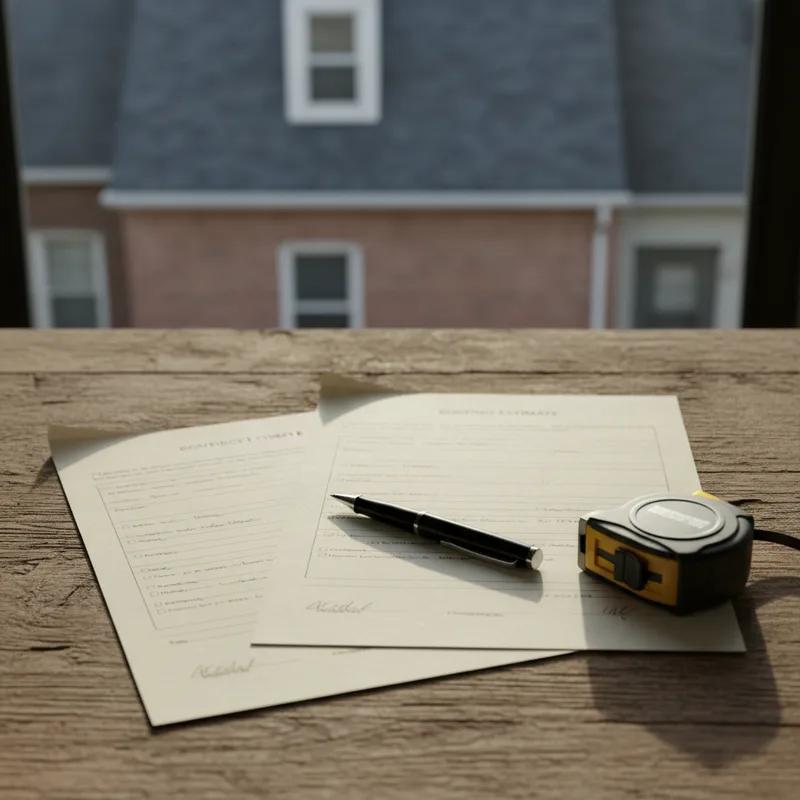
One of the most effective ways to protect yourself from roofing fraud is to insist on a detailed written contract before any work begins or any money changes hands. Pennsylvania's Home Improvement Consumer Protection Act actually requires written contracts for home improvement work exceeding $500, so this isn't just good practice — it's your legal right.

A legitimate roofing contract for a Philadelphia home should include, at minimum: the contractor's full legal business name, address, and HIC registration number; a detailed scope of work specifying exactly what will be done; a complete materials list with brand names, product lines, and quantities; the total project cost broken down by labor and materials; a payment schedule tied to project milestones; a start date and estimated completion date; warranty terms for both materials and workmanship; and a process for handling any changes or additional work discovered mid-project.

Pay close attention to the materials section. Vague language like "standard shingles" or "quality underlayment" is a red flag. For Philadelphia's climate — which includes freeze-thaw cycles, heavy snow loads, and summer humidity — you want specific products specified. For flat roofs common across South Philly and much of the rowhouse belt, the contract should specify the exact membrane system being installed (TPO, EPDM, modified bitumen, etc.) and the thickness.

Be equally careful with estimates. A written estimate is not a contract, and scammers sometimes use lowball estimates to get a foot in the door before dramatically inflating the final bill. Get at least three written estimates for any roofing job and be wary of any bid that comes in dramatically lower than the others — it often signals either inferior materials, unlicensed labor, or an intent to add surprise charges later.

Never sign a contract under pressure, and never sign one you haven't read in full. Under Pennsylvania law, you generally have three business days to cancel a home improvement contract signed in your home — know your rights before you sign.

Understanding Roofing Contracts and Estimates: What Should Be in Writing

5

Insurance Claim Scams: A Special Risk for Philadelphia Homeowners After Storms

One of the fastest-growing roofing scams in the Philadelphia region involves insurance claims. After a significant weather event — a nor'easter battering Roxborough, a hail storm over the Northeast, or a wind event tearing through Kensington — fraudulent contractors appear quickly, often offering to "handle everything" with your insurance company. This arrangement, which sometimes involves an Assignment of Benefits (AOB) agreement, can strip you of control over your own claim and expose you to serious financial and legal risk.

Here's how the scam typically works: A contractor inspects your roof (sometimes creating or exaggerating damage in the process), then encourages you to file an insurance claim. They may ask you to sign over the rights to your insurance payout directly to them. Once they control the claim, they can inflate the scope of damage, bill your insurer for work never performed, or pocket the difference between what the insurer pays and what the actual repair costs. You may end up with a poorly repaired roof, a denied future claim, or even accusations of insurance fraud yourself.

Protect yourself with these steps:

  • Never sign an Assignment of Benefits agreement without consulting your insurance company first
  • Contact your insurer directly to report damage and initiate the claims process yourself
  • Request your insurer send an independent adjuster to assess the damage before any contractor begins work
  • Get a second opinion on the damage assessment from a contractor you sourced independently
  • Be cautious of contractors who offer to waive your deductible — this is illegal in Pennsylvania and a major red flag

Pennsylvania's insurance fraud laws are serious, and homeowners can face consequences for participating in fraudulent claims even unknowingly. Your best protection is to keep control of the claims process yourself and only work with contractors you've independently verified.

Insurance Claim Scams: A Special Risk for Philadelphia Homeowners After Storms

6

Where to Report Roofing Fraud and Get Help in Philadelphia

If you believe you've been the victim of a roofing scam — or if you've encountered a contractor engaging in fraudulent practices — there are several local and state resources available to you. Reporting fraud not only helps your own case but protects other Philadelphia homeowners from falling victim to the same contractor.

Start with the Pennsylvania Attorney General's Bureau of Consumer Protection, which handles complaints against home improvement contractors and has the authority to investigate and prosecute violations of the Home Improvement Consumer Protection Act. You can file a complaint online or by calling their consumer protection hotline.

The Philadelphia Department of Licenses and Inspections (L&I) accepts complaints about unlicensed contractors operating in the city. If a contractor pulled permits under false pretenses or performed work without required permits on your Philadelphia property, L&I is the agency to contact.

The Better Business Bureau of Greater Philadelphia maintains a complaint database and can mediate disputes between homeowners and contractors. Filing a BBB complaint creates a public record that helps warn other consumers.

For seniors who may have been targeted specifically because of their age, Philadelphia Corporation for Aging (PCA) operates a helpline and can connect victims with legal assistance and consumer advocacy resources.

Finally, if you've lost money to a roofing scam, consult with a private attorney about your options for civil recovery. Pennsylvania's Home Improvement Consumer Protection Act provides for damages, and in some cases, attorney's fees may be recoverable.

The most important thing to remember is that you don't have to navigate this alone. Philadelphia has robust consumer protection infrastructure, and legitimate help is available. The best outcome, of course, is never needing these resources — and that starts with the verification steps and red flag awareness outlined throughout this guide. Use Philly Roof Find to connect with pre-screened, verified roofing contractors serving every Philadelphia neighborhood.

Where to Report Roofing Fraud and Get Help in Philadelphia

Frequently Asked Questions

Do roofing contractors need a license to work in Philadelphia?

In Pennsylvania, roofing contractors must register as Home Improvement Contractors (HIC) with the Pennsylvania Attorney General's Office for residential jobs over $500. Additionally, contractors pulling permits for roofing work in Philadelphia must be licensed through the city's Department of Licenses and Inspections (L&I). You can verify both credentials online before hiring anyone.

What should I do if a roofing contractor shows up at my door after a storm in Philadelphia?

Do not sign anything or make any payments on the spot. Take the contractor's information, then independently verify their PA Home Improvement Contractor registration, Philadelphia L&I license, and insurance coverage before proceeding. Legitimate contractors will not pressure you to decide immediately, and unsolicited door-to-door solicitation after storms is a common tactic used by fraudulent "storm chaser" contractors.

Is it illegal for a roofing contractor to waive my insurance deductible in Pennsylvania?

Yes. In Pennsylvania, it is illegal for a contractor to waive, absorb, or rebate a homeowner's insurance deductible as an inducement to perform work. Any contractor offering to "cover your deductible" is engaging in insurance fraud, which can expose both the contractor and the homeowner to serious legal consequences.

How much of a deposit should I pay a roofing contractor in Philadelphia?

A reasonable deposit for a roofing job typically ranges from 10% to 30% of the total project cost, paid after a written contract is signed. Be very cautious of any contractor demanding 50% or more upfront, or insisting on full payment before work begins — these are common warning signs of a scam. Always pay by check or credit card, never cash, so you have a payment record.

Where can I report a roofing scam in Philadelphia?

You can report roofing fraud to the Pennsylvania Attorney General's Bureau of Consumer Protection, the Philadelphia Department of Licenses and Inspections (L&I), and the Better Business Bureau of Greater Philadelphia. If you are a senior who was targeted, Philadelphia Corporation for Aging (PCA) can also connect you with consumer advocacy and legal assistance resources.

James Callahan
Founder & Editor, Philly Roof Find

James founded Philly Roof Find to give Philadelphia homeowners a transparent, independent resource for evaluating roofing contractors. With a background in building trades and a focus on local construction practices, he writes practical guides grounded in Philadelphia-specific building codes, materials, and contractor standards.