
How to Choose a Roofing Contractor in Philadelphia (Homeowner Checklist)

A detailed, Philly-specific checklist for hiring a roofer: licensing, insurance, scope, warranty, and how to compare bids without getting burned.

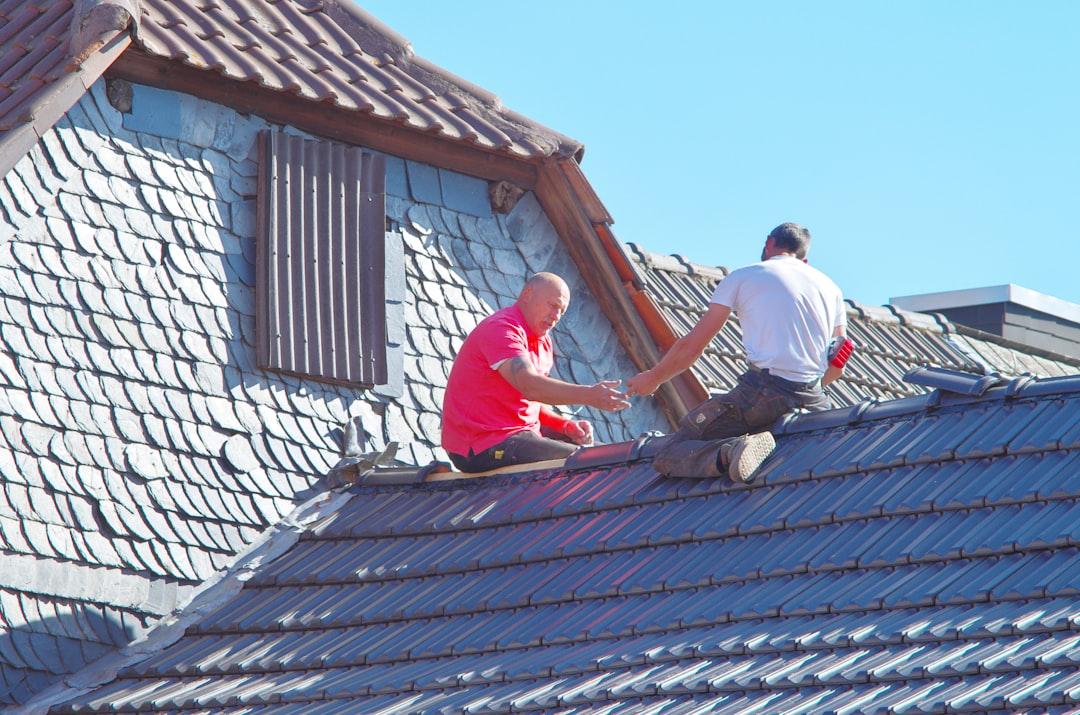
Professional roofing contractor inspecting a residential window installation

A calm, step-by-step approach beats "lowest bid wins."

James Callahan
Published December 15, 2025·Updated January 3, 2026
1

Start with the basics: who are you hiring?

Before discussing materials or price, confirm you're dealing with a real, accountable business.

Ask for:

  • Legal business name and physical address (not just a cell number)
  • A written estimate on company letterhead (PDF is acceptable)
  • Proof they can pull permits if the job requires it

In Philadelphia, many problems stem from "subcontractor-only" operations that disappear after final payment. A legitimate contractor should have a verifiable paper trail and established business presence.
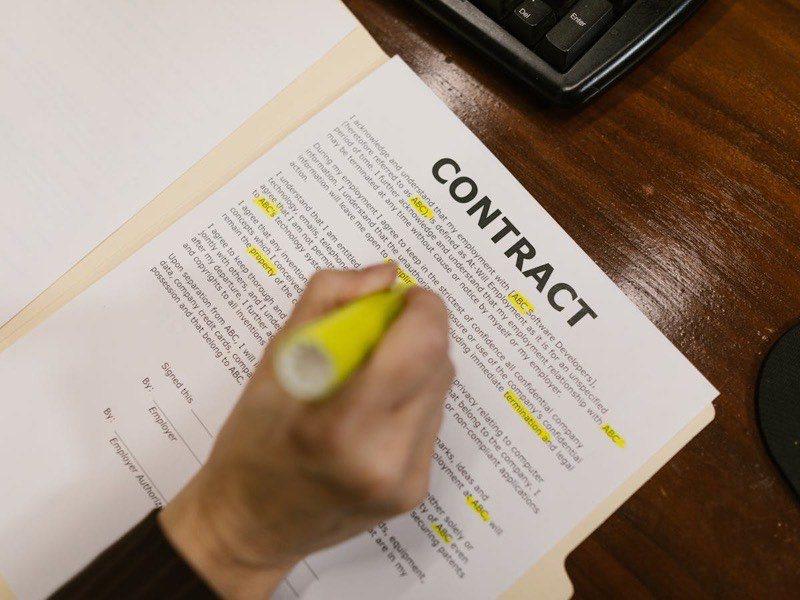

Professional reviewing contract documents at a desk
Always get estimates in writing with detailed scope.

2

Verify insurance (this matters more than the logo on the truck)

Request a current certificate of insurance (COI) showing:

  • General liability coverage
  • Workers' compensation insurance

Then call the insurance agent listed on the COI to confirm the policy is active. This is standard practice. If a contractor pushes back on this request, treat it as a serious warning sign.

Why it matters: if a worker is injured on your property or a neighboring property is damaged, inadequate insurance coverage can become your financial and legal problem.

Collection of construction safety helmets
Safety equipment is a sign of a professional operation.

3

Make bids comparable (apples-to-apples)

Most "cheap roof" horror stories are actually "vague scope" stories.

Your estimate should clearly specify:

  • Tear-off vs overlay (and number of existing layers)
  • Underlayment type and brand
  • Flashing scope (chimney, step flashing, wall flashing)
  • Ventilation modifications (intake/exhaust)
  • Decking repair allowance with unit pricing
  • Cleanup and disposal procedures
  • Warranty terms (materials vs workmanship, duration, exclusions)

If one bid says "includes everything" while another itemizes each component, ask the first contractor to provide the same level of detail. Otherwise you're comparing unknowns.

Business professionals discussing contract details
Take time to compare estimates before making decisions.

4

Ask the Philly questions (row homes and access)

Philadelphia projects often have constraints that significantly impact labor costs:

  • Tight driveways or no rear property access
  • Shared party walls with neighboring properties
  • Protecting neighbors' windows, vehicles, and walkways
  • Material staging requirements (street permits, traffic cones, dumpster placement)

An experienced Philly roofer will proactively discuss staging and protection logistics. If they don't mention these considerations, ask directly—their response reveals their experience level.

Philadelphia-style brick row homes with varied rooflines
Row homes present unique access and staging challenges.

5

How to use reviews without getting fooled

Star ratings provide useful signals, but they don't tell the complete story.

When evaluating feedback:

  • Look for reviews mentioning specific project details (flat roof work, chimney flashing, emergency leak repair)
  • Focus on patterns across multiple reviews rather than individual comments
  • Carefully read the 1-2 star reviews: do you see recurring themes around communication problems or warranty disputes?

For companies with hundreds of reviews, prioritize the most recent 6-12 months—teams change and quality can shift over time.

To-do checklist on a desk
A systematic approach helps ensure nothing is overlooked.

6

Payment terms that protect you

A reasonable payment structure for a typical residential roof:

  • Small deposit to schedule and order materials (10-20%)
  • Progress payment when work begins (30-40%)
  • Final payment only after walkthrough and cleanup confirmation

Never pay 100% upfront. If a contractor demands full payment before starting work, move on to another option. Legitimate contractors understand that final payment follows satisfactory completion.

Handshake over a desk with technology and documents
A good contractor-homeowner relationship is built on transparency.

Sources & References

  1. Pennsylvania Attorney General – Home Improvement Fraud Prevention
  2. Philadelphia L&I – Contractor Registration Requirements
  3. National Roofing Contractors Association (NRCA) – Hiring a Roofing Contractor
  4. Better Business Bureau – Tips for Hiring a Roofer
James Callahan
Founder & Editor, Philly Roof Find

James founded Philly Roof Find to give Philadelphia homeowners a transparent, independent resource for evaluating roofing contractors. With a background in building trades and a focus on local construction practices, he writes practical guides grounded in Philadelphia-specific building codes, materials, and contractor standards.