What to Expect from a Roof Inspection in Philadelphia

A complete guide to roof inspections in Philadelphia: when to schedule one, what inspectors check, Philly-specific issues like party walls and flat roof drainage, costs, and how to prepare.

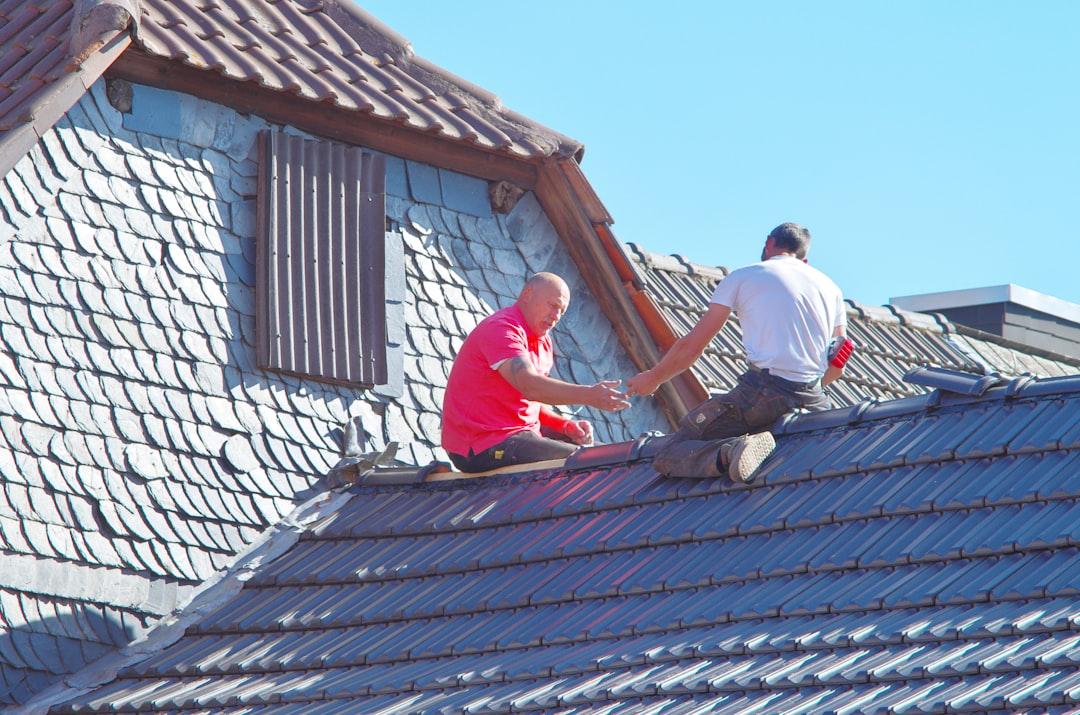
Professional roofing inspectors working on a residential roof

A thorough inspection catches problems before they become emergencies.

James Callahan
Published February 1, 2026·Updated February 1, 2026
1

When to get a roof inspection

Not every roof concern requires an inspection, but several situations make one well worth the cost.

Schedule an inspection when:

  • You're buying or selling a home—a pre-purchase inspection protects both parties and gives you negotiating leverage
  • Your roof is older than 15 years, even if there are no visible problems. Aging materials can fail suddenly
  • After a major storm (hail, high winds, heavy snow). Philadelphia gets significant nor'easters and summer thunderstorms that cause hidden damage
  • You notice interior signs like ceiling stains, peeling paint near the roofline, or musty attic odors
  • Before a warranty expires. Many manufacturer warranties require documented maintenance to remain valid

How often should you inspect?

  • Industry standard is every 2-3 years for residential roofs in good condition
  • Flat roofs (common on Philly row homes) should be checked annually due to their susceptibility to ponding water and membrane degradation
  • After any event that could cause damage—don't wait for a leak to confirm the problem
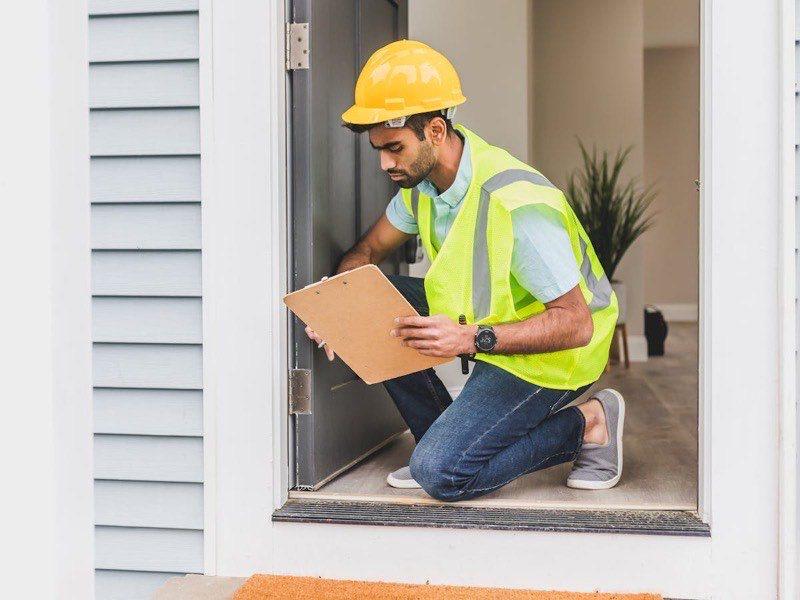
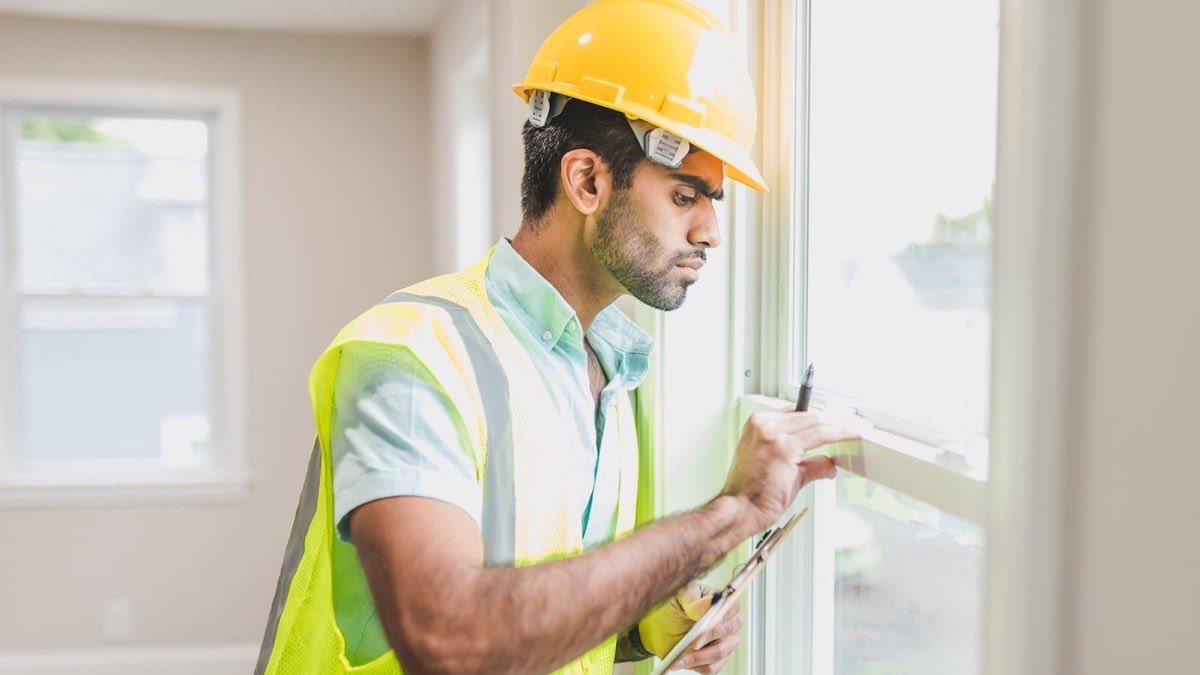
Professional conducting a building inspection
Professional inspections provide objective condition assessments.

2

What inspectors check

A professional roof inspection is methodical. Here's what a qualified inspector evaluates:

Exterior assessment:

  • Shingle or membrane condition—cracking, curling, blistering, granule loss, or seam separation
  • Flashing around chimneys, vents, skylights, and wall intersections. Flashing failures cause the majority of leaks
  • Gutter and downspout condition, attachment, and proper drainage away from the foundation
  • Roof penetrations (pipes, HVAC curbs, satellite mounts) and the integrity of their seals
  • General structural assessment—sagging ridgelines, uneven planes, or signs of deck deterioration

Interior assessment:

  • Attic ventilation—soffit vents, ridge vents, or mechanical ventilation and whether airflow is adequate
  • Insulation condition and coverage. Gaps or compressed insulation reduce energy efficiency
  • Signs of moisture—water stains, mold, mildew, or daylight visible through the roof deck
  • Structural members (rafters, trusses, decking) for rot, insect damage, or deflection
To-do checklist on a desk
A systematic approach helps ensure nothing is overlooked.

3

Philadelphia-specific issues inspectors look for

Philadelphia's housing stock and climate create inspection concerns you won't find in generic guides.

Row home party walls:

  • Shared walls between row homes create complex flashing conditions at the roofline. The junction where your roof meets the party wall is a common leak point
  • Inspectors check whether cap flashing is properly embedded into the masonry and whether counter-flashing overlaps correctly
  • Neighboring roof work can disturb your side of the party wall connection—ask if the inspector sees signs of recent work next door

Flat roof drainage:

  • Most Philadelphia row homes have low-slope or flat roofs. These require positive drainage—even "flat" roofs should slope toward drains or scuppers
  • Ponding water (standing water 48+ hours after rain) accelerates membrane breakdown and adds structural load
  • Inspectors check drain placement, scupper condition, and whether internal drains are clear of debris

Age of housing stock:

  • Many Philadelphia homes are 80-150+ years old. Inspectors look for signs of multiple roof layers (which add weight and hide problems) and outdated materials like coal-tar pitch or original slate that may need specialized repair
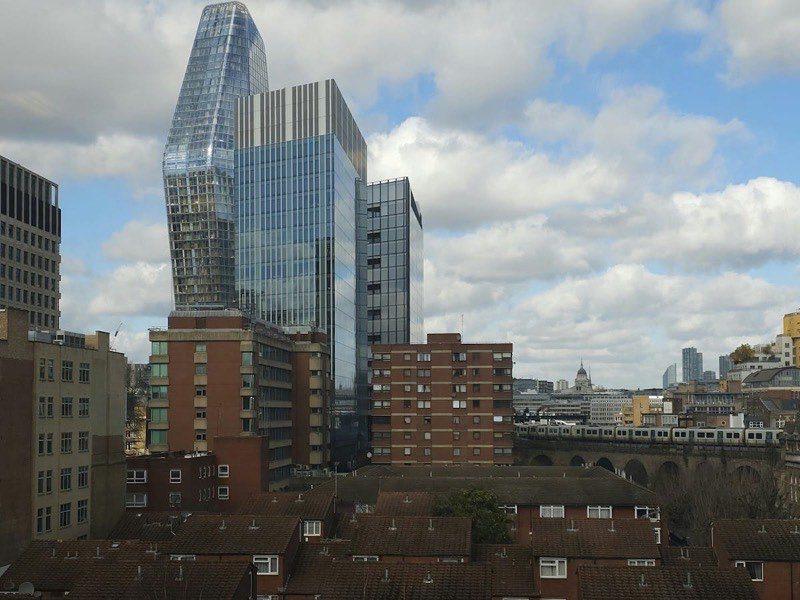
Philadelphia-style brick row homes with varied rooflines
Row homes present unique access and staging challenges.

4

Roof inspection cost breakdown

Roof inspection costs in Philadelphia vary based on the type of inspection, roof accessibility, and building size.

Typical cost ranges (2025-2026):

  • Standard residential inspection: $150-$400
  • Flat roof inspection (row home): $200-$400
  • Infrared/thermal scan (detects hidden moisture): $300-$600, often combined with a standard inspection
  • Pre-purchase inspection (detailed report for real estate transactions): $250-$500
  • Commercial building inspection: $400-$1,000+ depending on roof size and complexity

What affects the price:

  • Roof size and number of stories (taller buildings require more setup)
  • Roof type and complexity—multiple penetrations, skylights, or unusual configurations take longer
  • Whether the inspector includes a written report with photos (most reputable inspectors do)
  • Add-ons like drone photography or thermal imaging

Is it worth the cost?

A $300 inspection that catches a failing flashing condition before it causes $5,000 in water damage is a clear return on investment. For home purchases, the inspection cost is negligible compared to the price of unexpected roof work after closing.

Professional construction and roofing tools
Professional-grade tools indicate a serious operation.

5

How to prepare for a roof inspection

A little preparation makes the inspection more efficient and thorough.

Before the inspector arrives:

  • Clear access to the attic. Move stored items away from the hatch or access point so the inspector can enter safely
  • Trim back overhanging tree branches if possible—they obstruct the view and can hide damage
  • Note any specific concerns: leak locations, dates of previous repairs, age of current roof, and any warranty documentation you have
  • If your home is a row home, know which side is yours and whether neighbors have done recent roof work

Questions to ask your inspector:

  • What is the estimated remaining lifespan of the roof?
  • Are there any areas that need immediate attention vs. monitoring?
  • Do you see evidence of previous repairs, and were they done correctly?
  • Is ventilation adequate for this roof type and attic configuration?
  • Would you recommend any follow-up testing (thermal scan, core sample for flat roofs)?

After the inspection:

  • Request a written report with photos. A verbal summary is not sufficient for insurance claims, real estate negotiations, or warranty documentation
  • Keep the report on file and use it as a baseline for future inspections
  • If repairs are recommended, get at least 2-3 quotes from licensed contractors before proceeding
Person signing a professional contract document
Clear payment terms protect both homeowner and contractor.

Sources & References

  1. National Roofing Contractors Association (NRCA) – Homeowner's Guide to Roof Inspections
  2. InterNACHI – Standards of Practice for Inspecting Roofs
  3. Philadelphia Department of Licenses & Inspections – Building Code Requirements
  4. ASTM International – Standard Practice for Roof System Condition Assessment
James Callahan
Founder & Editor, Philly Roof Find

James founded Philly Roof Find to give Philadelphia homeowners a transparent, independent resource for evaluating roofing contractors. With a background in building trades and a focus on local construction practices, he writes practical guides grounded in Philadelphia-specific building codes, materials, and contractor standards.