How to Hire a Roofer After Spring Storm Damage in Philadelphia

Spring storms hit Philly hard. Learn how to vet, hire, and work with a trusted roofer after storm damage before scammers find you first.

How to Hire a Roofer After Spring Storm Damage in Philadelphia - Philadelphia roofing guide

Spring storms in Philadelphia can leave your roof battered by high winds, hail, and heavy rain — and within hours, storm-chasing scammers are knocking on your door.

James Callahan
Published April 6, 2026·Updated April 6, 2026
1

Why Philadelphia Spring Storms Are So Hard on Roofs

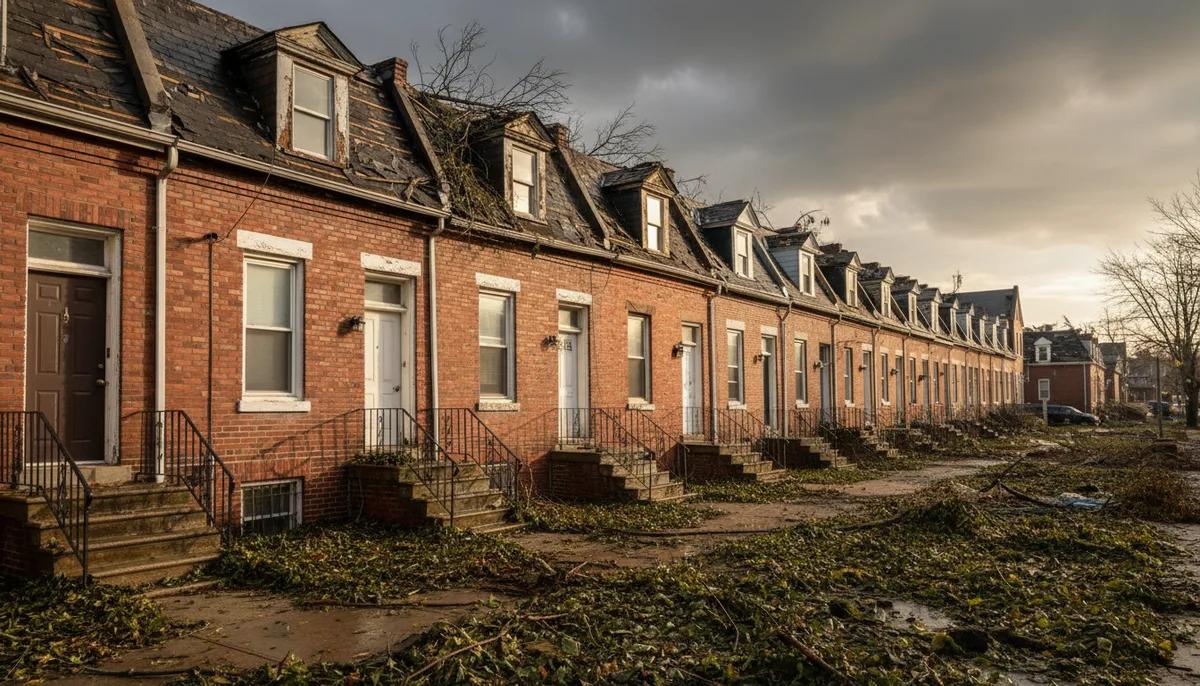
Philadelphia sits in a weather corridor that makes spring storms particularly punishing. From late March through June, the region regularly sees nor'easters, fast-moving thunderstorm lines, and occasional hail events that can peel shingles, crack flashing, and drive water into attic spaces before homeowners even realize there's a problem.

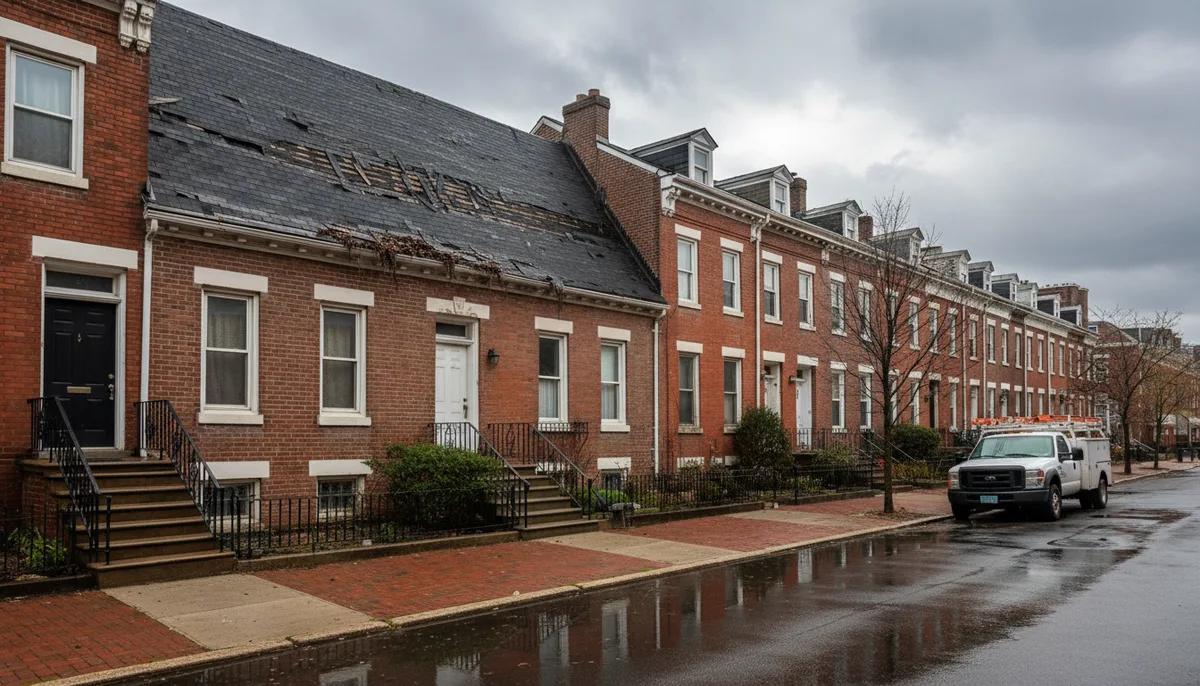
The city's dense housing stock makes things worse. Row homes in neighborhoods like Kensington, West Philly, Fishtown, and South Philadelphia share party walls, which means water from a damaged roof on one property can migrate horizontally and cause damage to neighboring units. Flat and low-slope roofs — extremely common on Philly row homes and twin houses — are especially vulnerable to ponding water after heavy rain events, since even minor storm debris can clog interior drains and scuppers.

Historic roofing materials add another layer of complexity. Many older homes in Germantown, Chestnut Hill, and Society Hill still have slate, clay tile, or aged built-up roofing systems. These materials can sustain damage that isn't immediately visible from the ground but will cause serious interior water intrusion within weeks if left unaddressed.

Wind is often the most underestimated threat. Philadelphia's spring storm systems frequently produce gusts between 40 and 60 mph — enough to lift the edges of improperly installed or aging asphalt shingles, compromise ridge caps, and dislodge flashing around chimneys and skylights. After any storm where winds exceed 40 mph or hail is reported, a professional roof inspection is strongly advisable, even if you don't see obvious damage from the street.

Understanding what your roof has been through is the first step toward making smart hiring decisions. Don't wait for a ceiling stain to confirm what a storm may have already done.
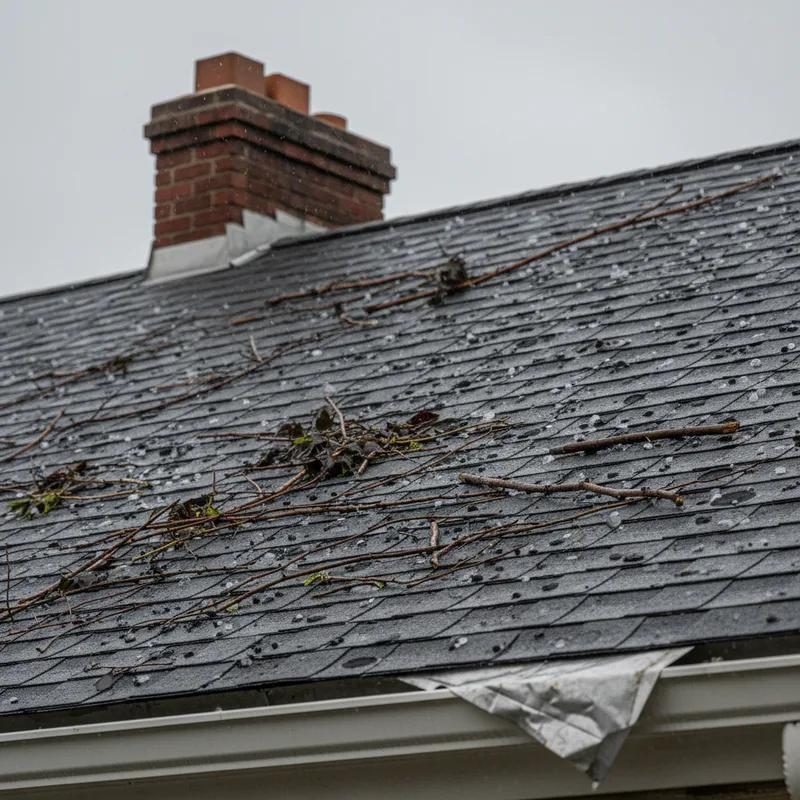
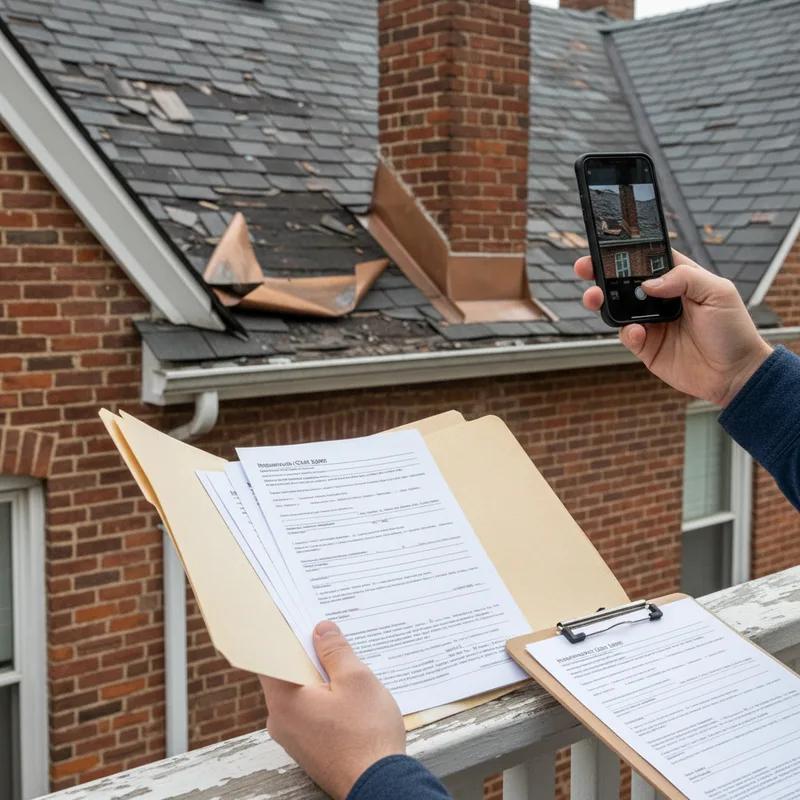
Storm-damaged asphalt shingle roof on a Philadelphia row home with missing shingles and debris after a spring thunderstorm
Why Philadelphia Spring Storms Are So Hard on Roofs

2

The First 48 Hours: What to Do Before You Call a Roofer

The window right after a storm is critical — and it's also when you're most vulnerable to making a rushed, costly mistake. Before you pick up the phone or answer the door for a contractor, take these steps to protect yourself and document your damage properly.

First, do a safe visual inspection from the ground or through an upstairs window. Look for missing or curled shingles, sagging gutters, visible debris on the roof, and any granule buildup in your downspouts or gutters — a sign that shingles are shedding protective material. Do not climb onto your roof yourself. Wet roofing surfaces are extremely dangerous, and untrained homeowners can inadvertently cause additional damage that complicates insurance claims.

Next, document everything with photos and video before any cleanup or temporary repairs begin. Use your phone to timestamp images and capture wide shots of the full roof, close-ups of visible damage, and any interior water stains or leaks. This documentation is essential for your insurance claim and protects you if a contractor later disputes the scope of work.

If you have active water intrusion, place buckets, use towels, and consider calling a water mitigation company to prevent mold — but avoid making permanent repairs until your insurance adjuster has had a chance to assess the damage. Temporary protective measures like tarping are generally covered and acceptable.

Contact your homeowner's insurance company to report the damage and begin the claims process. Get a claim number and ask what documentation they'll need from a roofing contractor. In Pennsylvania, insurers are required to respond to claims in a timely manner, so starting the process early keeps things moving.

Only after these steps should you begin reaching out to licensed Philadelphia roofing contractors for inspections and estimates.

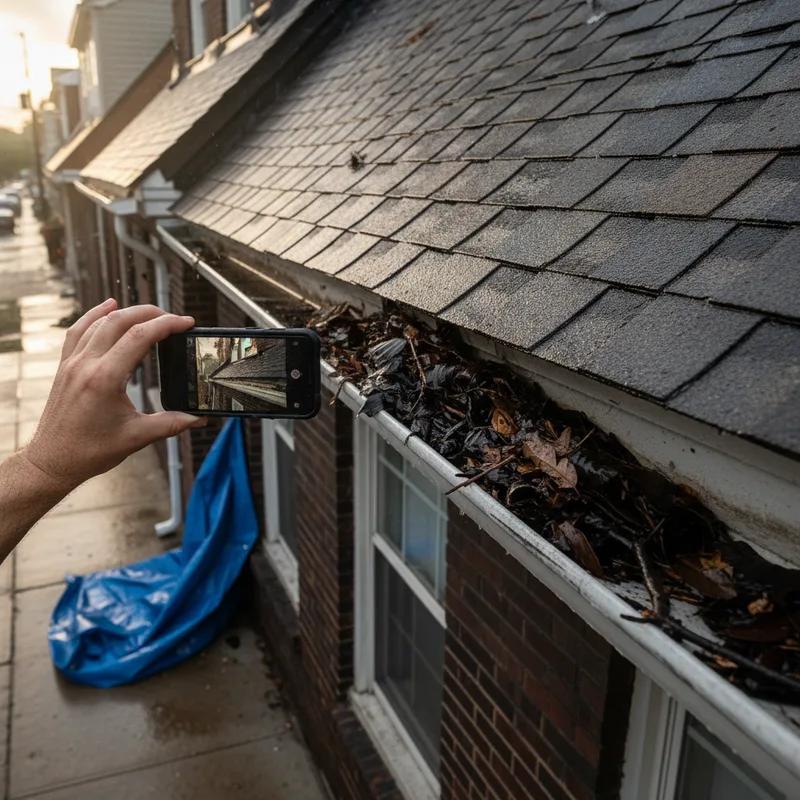
Philadelphia homeowner photographing roof damage on a row home from the backyard after a spring storm, using a smartphone to document missing shingles
The First 48 Hours: What to Do Before You Call a Roofer

3

How to Spot and Avoid Storm-Chasing Roofing Scammers in Philly

Within 24 to 48 hours of a major storm, Philadelphia neighborhoods are flooded with out-of-town contractors going door to door offering free inspections and same-day deals. These storm chasers are one of the most persistent consumer fraud threats in the region, and they specifically target homeowners who are stressed, confused, and eager to get their roof fixed quickly.

Here's how to identify them before they cost you thousands of dollars:

No local address or verifiable presence. Legitimate Philadelphia roofing contractors have a physical business address, local phone number, and an established reputation in the area. If a contractor can only give you a P.O. box or a cell number with an out-of-state area code, walk away.

High-pressure tactics and urgency. Scammers will tell you the damage is catastrophic, that they have a crew available today only, or that they can waive your deductible (which is actually insurance fraud in Pennsylvania). Any contractor pressuring you to sign immediately should be disqualified on the spot.

Requests for large upfront payments. Reputable contractors typically require a deposit of 10–30% to begin work, with the balance due upon completion. Anyone demanding full payment or more than half upfront before work begins is a red flag.

No Pennsylvania Home Improvement Contractor (HIC) registration. Pennsylvania law requires all contractors performing home improvement work to be registered with the Attorney General's Office. You can verify registration at the Pennsylvania Attorney General's website. Unregistered contractors have no legal accountability.

Vague or verbal-only contracts. Every legitimate roofing job should be backed by a written contract detailing scope of work, materials, timeline, warranty terms, and payment schedule. Never agree to work without a signed written agreement.

If you're unsure about a contractor, check reviews on Google, the Better Business Bureau, and ask neighbors in your block or civic association for referrals. Philadelphia's neighborhood Facebook groups and Nextdoor communities are also valuable resources for real-time contractor recommendations and warnings.

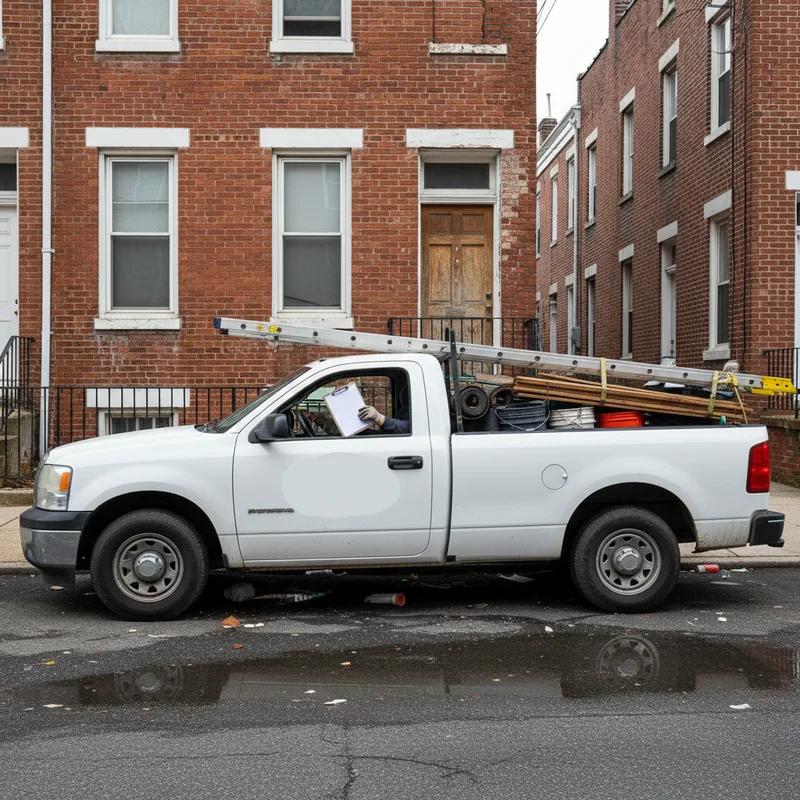
A door-to-door contractor in a pickup truck parked on a Philadelphia street talking to a homeowner on their front stoop after a storm, illustrating storm chaser warning signs
How to Spot and Avoid Storm-Chasing Roofing Scammers in Philly

4

How to Properly Vet a Philadelphia Roofing Contractor

Once you've ruled out the obvious scammers, it's time to build a shortlist of legitimate candidates. Vetting a roofing contractor in Philadelphia requires checking several layers of credentials, and it's worth taking a day or two to do it right rather than rushing into a contract.

Verify licensing and registration. Pennsylvania doesn't issue a state roofing license, but all contractors doing home improvement work must be registered under the Pennsylvania Home Improvement Consumer Protection Act. Verify their HIC registration number through the Pennsylvania Attorney General's Consumer Protection portal. Additionally, Philadelphia's Department of Licenses & Inspections (L&I) issues contractor licenses for work within city limits — confirm your contractor holds a current City of Philadelphia contractor license.

Confirm insurance coverage. Any contractor working on your roof must carry general liability insurance and workers' compensation insurance. Ask for certificates of insurance and call the insurer directly to verify the policy is active. If a worker is injured on your property and the contractor lacks workers' comp, you could be held liable.

Check their permit history. In Philadelphia, most roofing work — particularly full replacements and significant structural repairs — requires a permit from L&I. You can search permit history through the city's eCLIPSE system to see whether a contractor has a history of pulling permits or operating without them. Unpermitted work can create serious problems when you sell your home or file future insurance claims.

Get at least three written estimates. Estimates should itemize materials (including brand and grade of shingles or membrane), labor, disposal fees, permit costs, and warranty terms. Be cautious of bids that are dramatically lower than others — they often signal inferior materials or hidden costs.

Ask for local references. Request contact information for two or three recent customers in Philadelphia, preferably in your neighborhood or with a similar home type. A contractor who has successfully worked on Philly row homes, flat roofs, or historic properties in your area is far better equipped than a generalist from the suburbs.

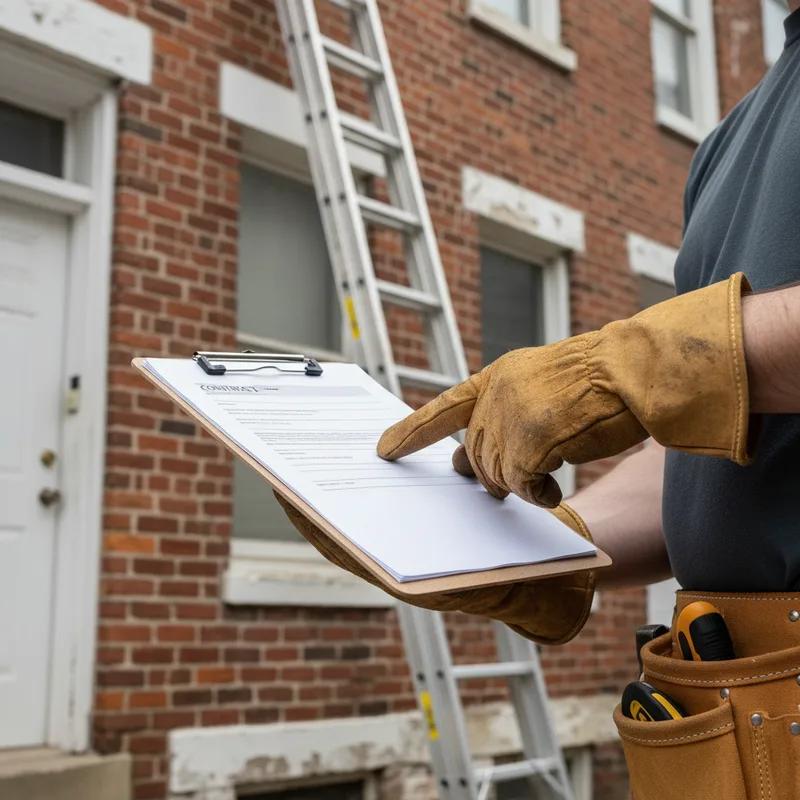
A licensed Philadelphia roofing contractor reviewing a written estimate with a homeowner on the front steps of a brick row home in a residential neighborhood
How to Properly Vet a Philadelphia Roofing Contractor

6

What to Expect During and After Your Roof Repair or Replacement

Once you've selected a vetted contractor and your insurance claim is in order, it's time to move into the project itself. Knowing what to expect helps you stay in control and catch problems before they become disputes.

Permits come first. For most roofing replacements in Philadelphia, your contractor must pull a permit from the Department of Licenses & Inspections before work begins. This is non-negotiable. The permit process protects you by ensuring the work is inspected and meets the Philadelphia Building Code, which references the International Building Code with local amendments. If your contractor suggests skipping the permit to save time or money, find someone else.

Understand the work timeline. A typical Philadelphia row home roof replacement can be completed in one to two days under good conditions. Flat roof membrane replacements may take longer depending on the system being installed. Your contract should include a projected start date and estimated completion window. Weather delays are common in spring, so build in some flexibility.

Communicate about access and logistics. Roofing work in dense Philadelphia neighborhoods requires coordination. Contractors may need to park a dumpster on the street (which requires a city street occupancy permit), and debris management in tight alleyways or shared rear yards needs to be discussed in advance. Confirm who is responsible for protecting your landscaping, HVAC equipment, and any skylights or solar panels during the project.

Get your warranty documentation in writing. You should receive two separate warranties: a manufacturer's warranty on the roofing materials and a workmanship warranty from the contractor. Manufacturer warranties on quality shingle products typically range from 25 to 50 years, while workmanship warranties from reputable contractors generally run 5 to 10 years. Confirm that your contractor is a certified installer for the manufacturer — uncertified installers often void the manufacturer warranty.

Do a final walkthrough before final payment. Inspect the completed work with your contractor present. Check that all debris has been removed, gutters are clear, and the finished roof matches what was specified in your contract. Only release final payment when you're fully satisfied.

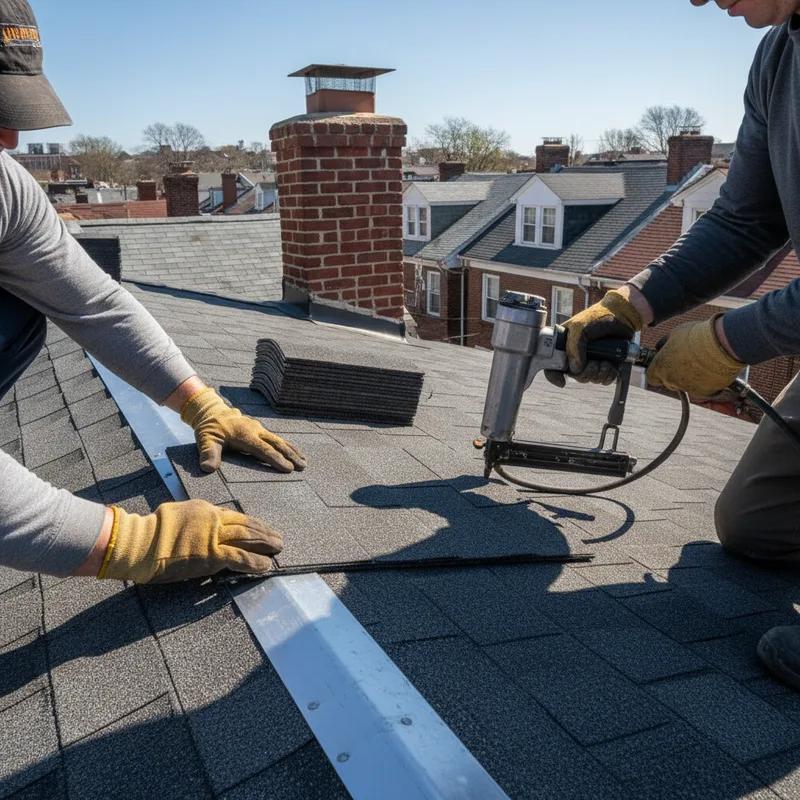
A roofing crew installing new architectural shingles on a Philadelphia row home while a dumpster sits in the street below, with the city skyline visible in the background
What to Expect During and After Your Roof Repair or Replacement

Frequently Asked Questions

How soon after a spring storm should I get my Philadelphia roof inspected?

You should arrange a professional roof inspection within a few days of any storm that brought hail, winds over 40 mph, or heavy sustained rain. Many types of storm damage — including lifted flashing, cracked shingles, and membrane punctures on flat roofs — aren't visible from the ground but will cause serious interior water damage if left unaddressed. Early inspection also strengthens your insurance claim by documenting damage before it worsens.

Do I need a permit for roof repairs in Philadelphia?

Yes, most significant roofing work in Philadelphia requires a permit from the Department of Licenses & Inspections (L&I), including full replacements and major structural repairs. Minor repairs like patching a few shingles may not require a permit, but your contractor should confirm this. Unpermitted work can create complications when selling your home or filing future insurance claims, so always insist that your contractor pull the necessary permits.

Is it illegal for a roofer to waive my insurance deductible in Pennsylvania?

Yes. In Pennsylvania, a contractor offering to waive, absorb, or rebate your insurance deductible as an incentive to hire them is committing insurance fraud. Your deductible is a required out-of-pocket contribution under your policy, and any arrangement to circumvent it is illegal for both the contractor and potentially the homeowner. Report such offers to the Pennsylvania Insurance Department.

How do I verify that a roofing contractor is legitimate in Philadelphia?

Check that the contractor is registered as a Home Improvement Contractor (HIC) with the Pennsylvania Attorney General's Office and holds a current City of Philadelphia contractor license through L&I. Ask for proof of general liability and workers' compensation insurance, verify their permit history through the city's eCLIPSE system, and check reviews on Google and the Better Business Bureau. Always get a written contract before any work begins.

What should a roofing estimate include after storm damage in Philadelphia?

A thorough roofing estimate should itemize the scope of work, specific materials (including brand, product line, and grade), labor costs, permit fees, debris disposal, project timeline, payment schedule, and both the manufacturer and workmanship warranty terms. It should also clearly state whether the estimate is based on insurance-approved scope or an independent assessment. Never accept a verbal-only estimate or a single-line-item quote for storm damage work.

James Callahan
Founder & Editor, Philly Roof Find

James founded Philly Roof Find to give Philadelphia homeowners a transparent, independent resource for evaluating roofing contractors. With a background in building trades and a focus on local construction practices, he writes practical guides grounded in Philadelphia-specific building codes, materials, and contractor standards.