What 'Shrinking' Roof Coverage Actually Means for Philadelphia Homeowners
If you haven't reviewed your homeowners insurance policy recently, there's a good chance your roof coverage isn't what it used to be. Across Pennsylvania and the broader Mid-Atlantic region, insurers have been quietly shifting policy language in ways that reduce how much they'll pay when your roof is damaged. This isn't always announced with a bold notice — it often appears buried in renewal documents or endorsement pages that most homeowners never read.
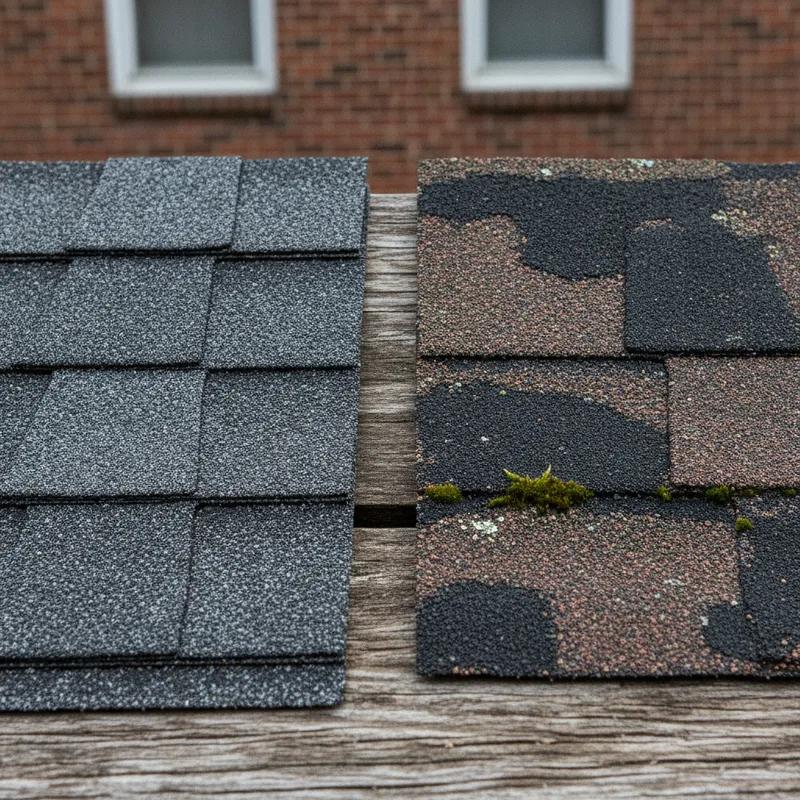
The most significant change involves the shift from Replacement Cost Value (RCV) to Actual Cash Value (ACV) coverage for roofs. Under RCV policies, your insurer pays what it costs to replace your roof with a comparable new one. Under ACV, the insurer deducts depreciation based on your roof's age and condition — meaning a 15-year-old asphalt shingle roof in Roxborough might only net you a fraction of the actual replacement cost after depreciation is applied.
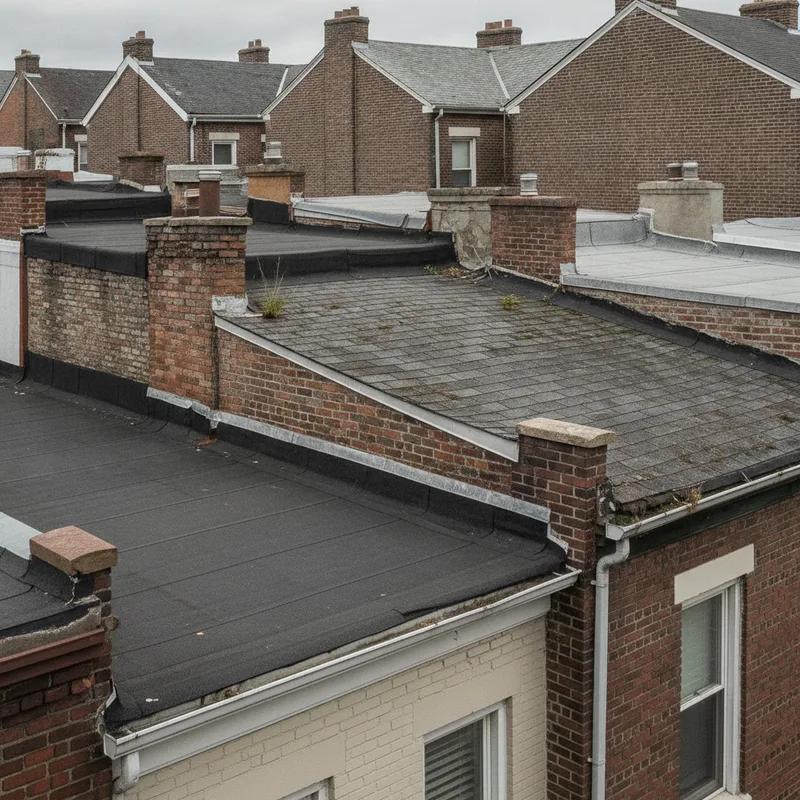
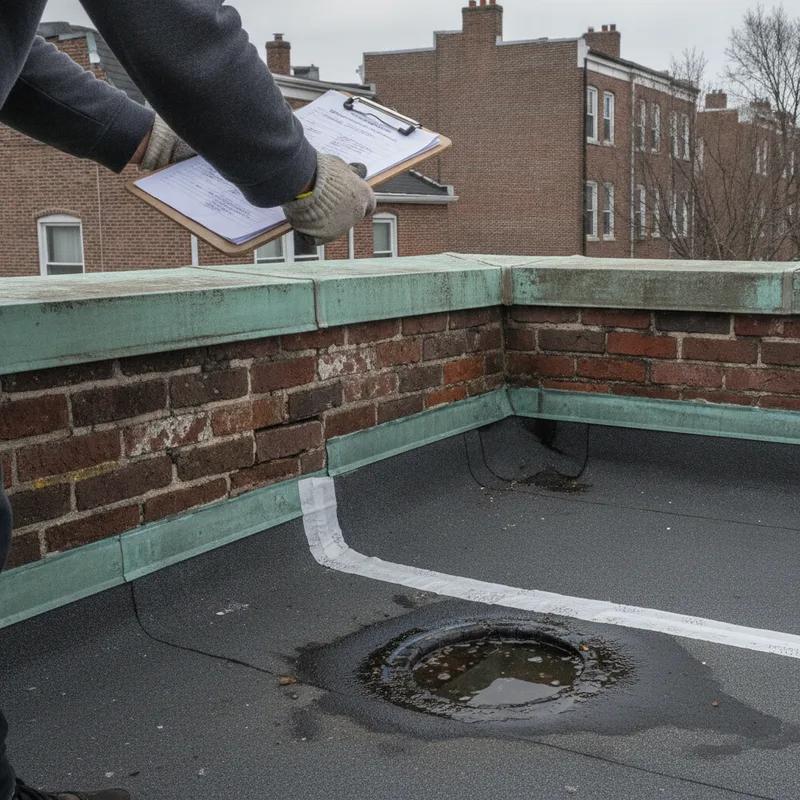
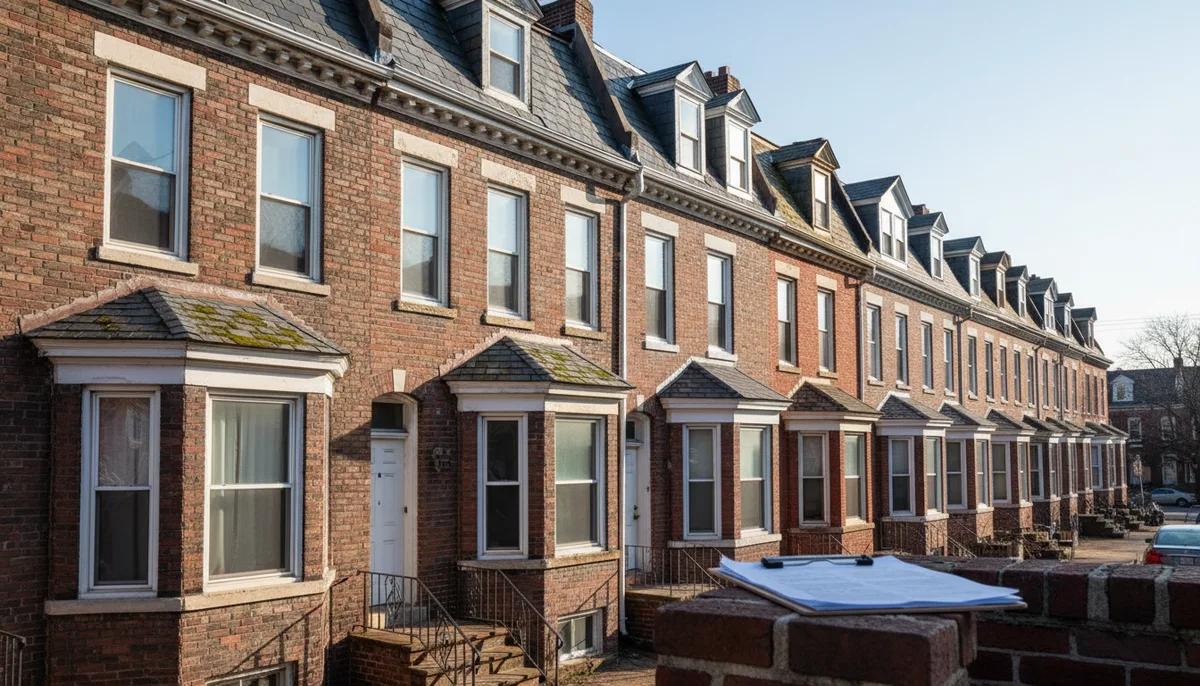
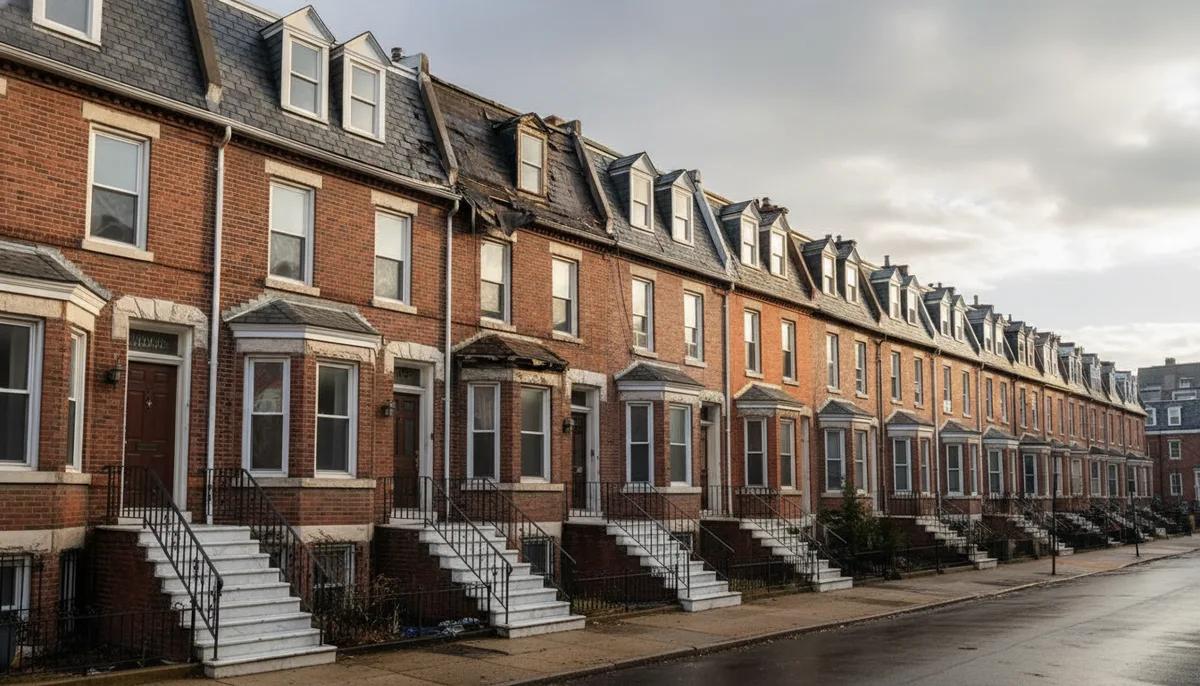
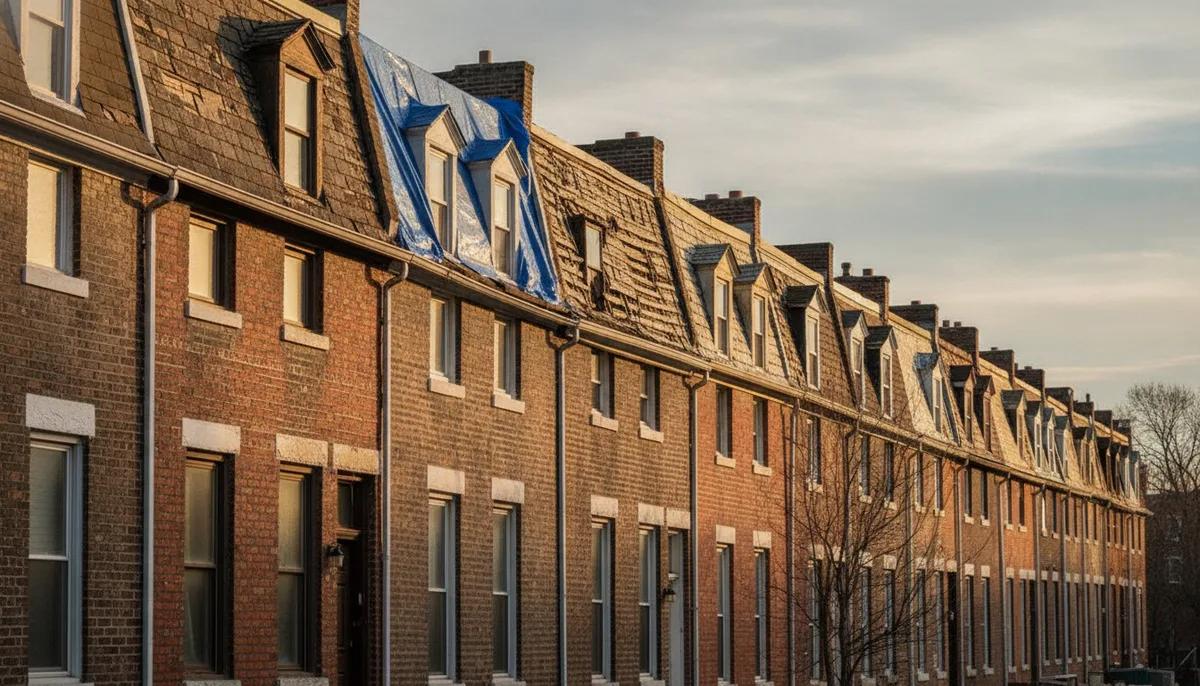
For Philadelphia homeowners, this shift carries extra weight. The city's housing stock is among the oldest in the nation, with a significant portion of roofs on row homes and twins well over 20 years old. In neighborhoods like Kensington, Fishtown, and West Philadelphia, many homeowners are sitting on aging flat or low-slope roofs that insurers now view as high-depreciation liabilities.
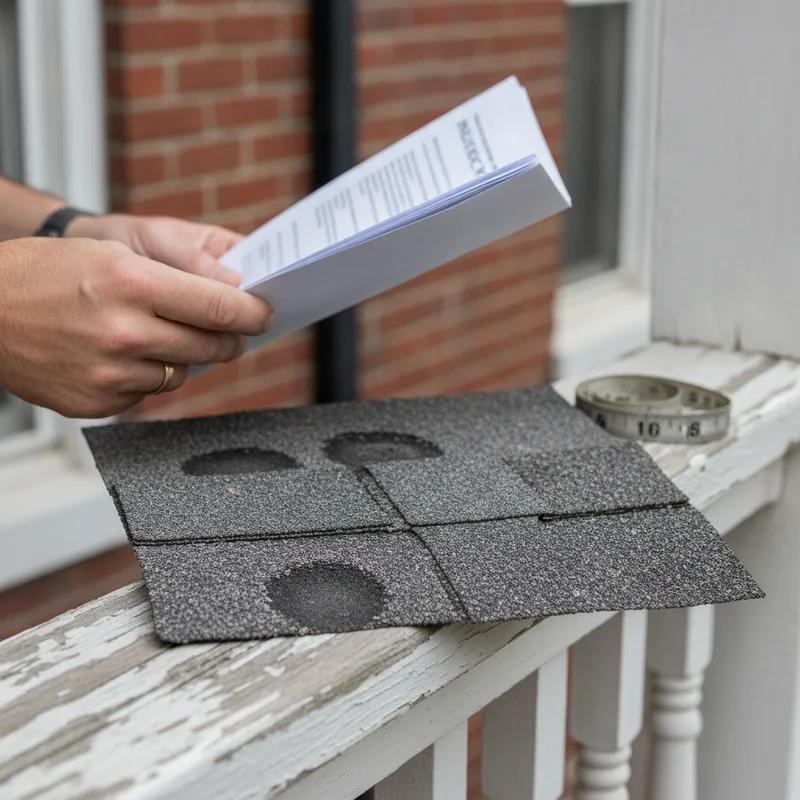
Some insurers are also introducing cosmetic damage exclusions, meaning they won't cover damage that doesn't affect the structural function of the roof — even if it affects the appearance or resale value of your home. Others are capping coverage based on roof age, refusing to pay full claims on any roof older than 10 or 15 years.
Understanding these distinctions before you file a claim — not after — is the key to avoiding a financially devastating surprise. The first step is pulling out your current policy and reading the roof-specific language carefully.