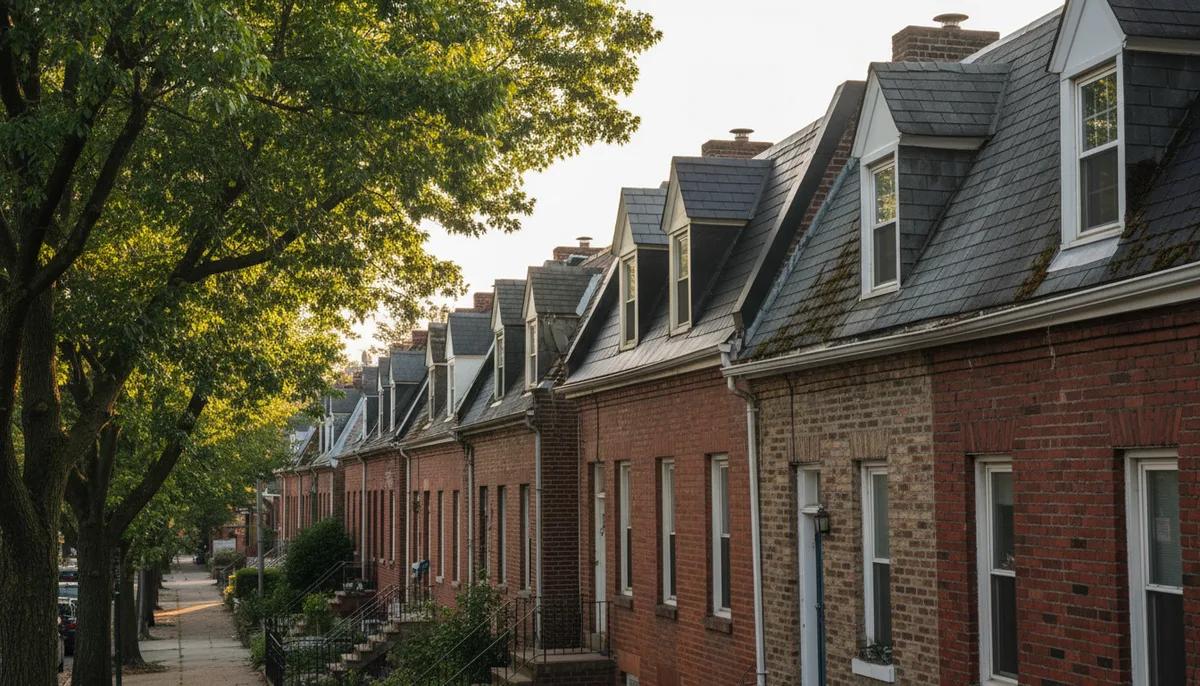
How Roof Age Affects Your Philadelphia Home Insurance Rates

Learn how your roof's age impacts home insurance premiums in Philadelphia and how a new roof could save you money every year.

How Roof Age Affects Your Philadelphia Home Insurance Rates - Philadelphia roofing guide

If you own a home in Philadelphia, your roof's age could be quietly driving up your homeowners insurance premiums — or even putting your coverage at risk.

James Callahan
Published March 30, 2026·Updated March 30, 2026
1

Why Insurers Care So Much About Your Roof's Age

To a homeowner, a roof that isn't actively leaking might seem perfectly fine. To an insurance underwriter, that same roof could represent a significant financial liability — one they're increasingly unwilling to absorb without charging you for it.

Insurance companies assess risk, and few structural elements carry more risk than an aging roof. Roofing materials have finite lifespans. Asphalt shingles — the most common roofing material on Philadelphia row homes and detached houses alike — typically last 20 to 30 years depending on quality and installation. Once a roof passes the 15-to-20-year mark, insurers begin to see it as a claim waiting to happen.

The reasoning is straightforward: older roofs are more likely to fail during a storm, more likely to develop leaks, and more expensive to repair when materials have degraded. In Philadelphia specifically, roofs endure a punishing cycle of weather events throughout the year — from heavy snow and ice accumulation in January and February to intense summer thunderstorms and the occasional nor'easter that can bring 50+ mph wind gusts. That kind of sustained stress accelerates wear on any roofing system.

Insurers also factor in the cost of a total loss. If a 25-year-old roof is severely damaged, replacing it costs the same as replacing a 5-year-old roof — but the older roof was far more likely to fail. That asymmetry is exactly why age matters so much in underwriting decisions.

In recent years, many major insurers operating in Pennsylvania have tightened their policies around roof age. Some now require a professional inspection before renewing coverage on homes with roofs over 20 years old. Others have introduced tiered premium structures that charge significantly more for older roofs. Understanding this dynamic is the first step toward managing your insurance costs proactively.
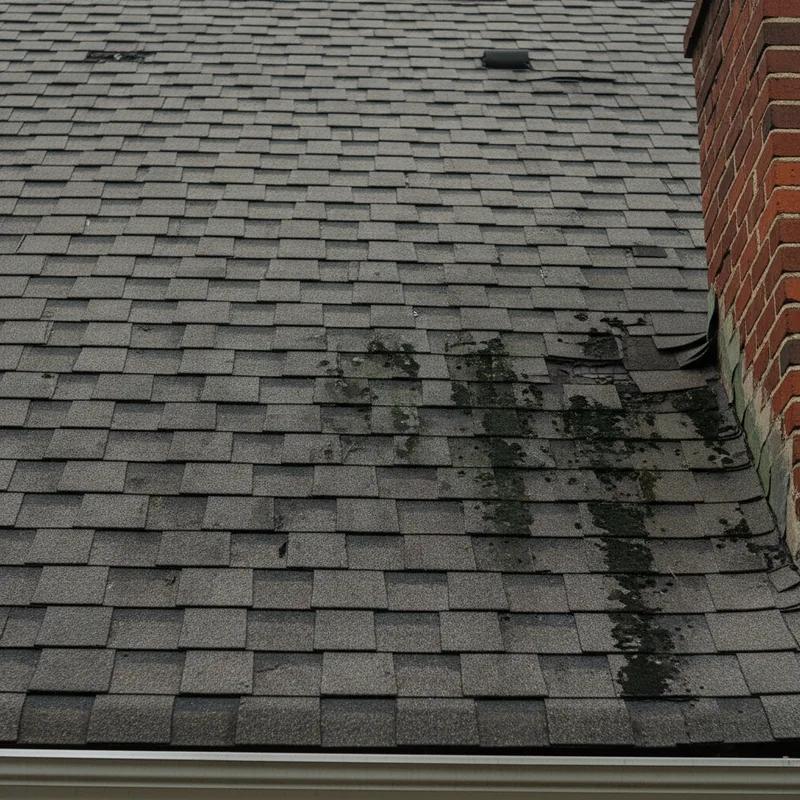
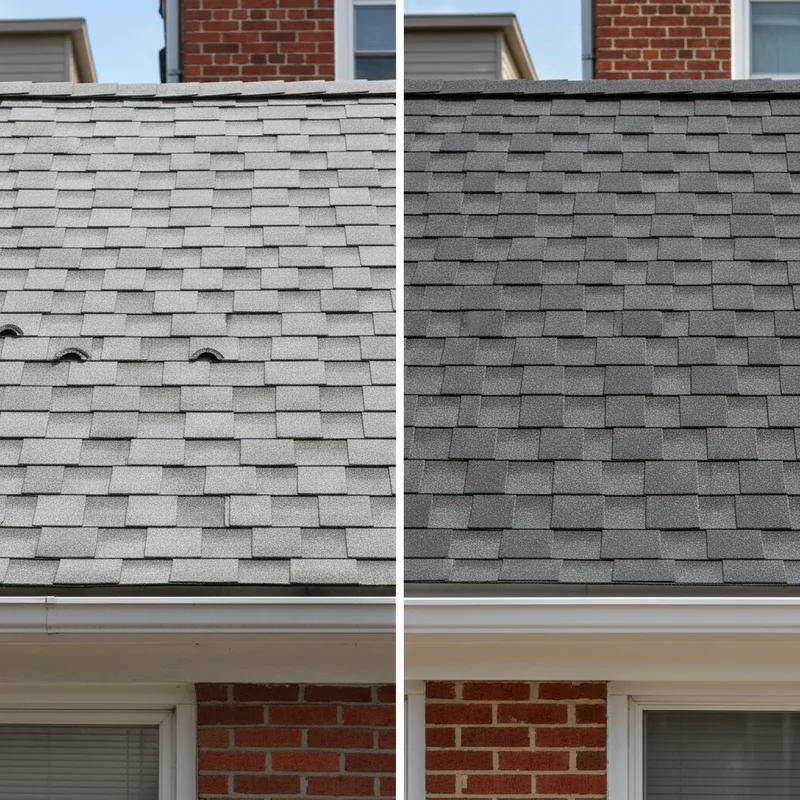
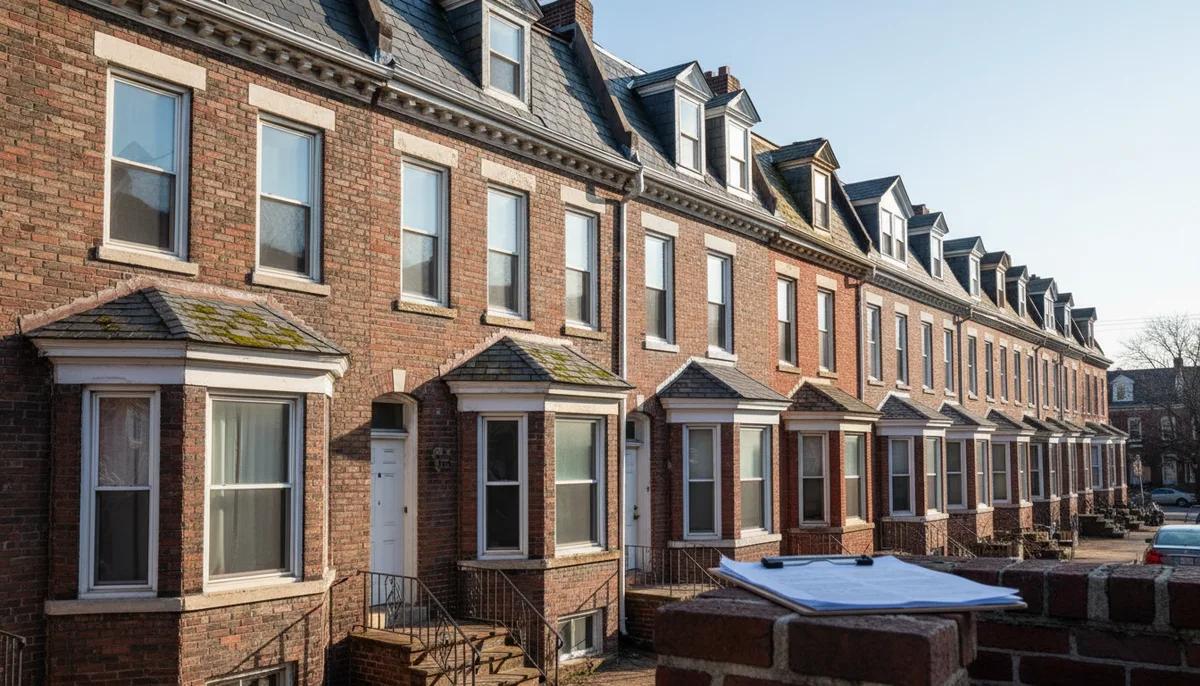
Close-up of weathered and curling asphalt shingles on an older Philadelphia row home roof showing signs of age and wear
Why Insurers Care So Much About Your Roof's Age

2

How Philadelphia's Climate Makes Roof Age an Even Bigger Factor

Philadelphia sits in a climate zone that is genuinely hard on roofs. The city experiences all four seasons in full force, and the transitions between them — freeze-thaw cycles in late winter and early spring, in particular — are especially destructive to roofing materials.

During winter, Philadelphia averages around 22 inches of snowfall annually, though individual storms can deposit significantly more. Snow and ice accumulation adds weight stress to roof decking and framing, and when ice dams form along eaves (a common problem on the older, less-insulated homes found throughout neighborhoods like Germantown, Kensington, and West Philadelphia), meltwater can back up under shingles and cause interior water damage. Insurers in the region are well aware of this pattern.

Summer brings its own challenges. Philadelphia's humid subtropical climate means hot, humid summers with frequent afternoon thunderstorms. Hail events, while not as common as in the Midwest, do occur and can cause significant granule loss on aging shingles. High UV exposure during summer months also accelerates shingle degradation, making older roofs even more vulnerable by the time fall storms arrive.

For flat roofs — which are extremely common on Philadelphia's iconic row homes and rowhome-style twins — age brings additional concerns. Flat roof membranes, whether modified bitumen, TPO, or traditional built-up roofing, are susceptible to ponding water, membrane cracking, and seam failures. An aging flat roof in a neighborhood like South Philly or Point Breeze is a particular concern for insurers because water intrusion can spread quickly across the flat surface before it's detected.

All of these regional factors compound the standard age-related risk that insurers already price into their policies. Philadelphia homeowners with older roofs are not just dealing with a national trend — they're dealing with a local climate that makes the risk very real.

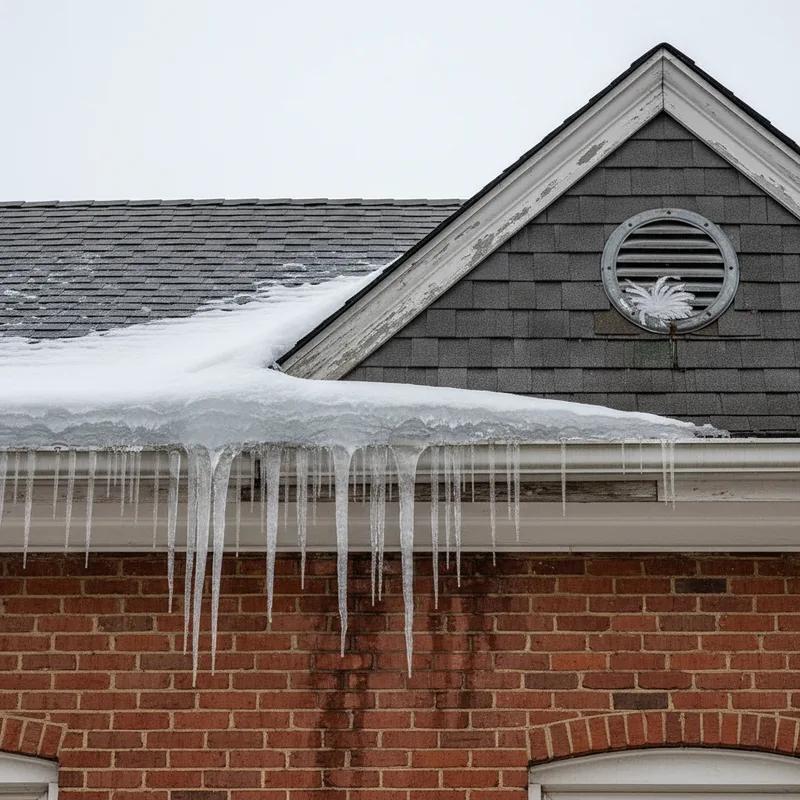
Ice dam formation along the eaves of a brick Philadelphia row home roof during a winter freeze-thaw cycle
How Philadelphia's Climate Makes Roof Age an Even Bigger Factor

3

The Real Impact on Your Premiums: What to Expect at Different Roof Ages

So what does roof age actually mean for your wallet? The answer depends on your insurer, your policy type, and the current age and condition of your roof — but the general pattern is consistent across the industry.

For roofs under 10 years old, most insurers offer the best available rates and will typically cover a full replacement cost value (RCV) in the event of a covered loss. This means if a storm destroys your new roof, your insurer pays to replace it at current material and labor costs, minus your deductible.

Once a roof passes the 10-to-15-year mark, some insurers begin shifting toward actual cash value (ACV) coverage rather than replacement cost value. Under ACV, the insurer factors in depreciation — meaning a 20-year-old roof that costs $18,000 to replace might only net you $7,000 to $9,000 after depreciation is applied. This is a significant financial exposure that many Philadelphia homeowners don't realize they're carrying until they file a claim.

For roofs over 20 years old, the picture gets more serious. Many insurers in Pennsylvania will require a professional roof inspection before renewing your policy. Some will decline to renew coverage entirely if the inspection reveals significant deterioration. Others will offer coverage only at substantially higher premiums — sometimes 20% to 40% more than a comparable home with a newer roof.

In some cases, insurers are now issuing non-renewal notices to Philadelphia homeowners with roofs that fail inspection criteria. This leaves homeowners scrambling to either replace the roof quickly or find coverage in the surplus lines market, which typically comes at a much higher cost.

The bottom line: the older your roof, the more you're likely paying — and the less protection you may actually have when you need it most.

Philadelphia homeowner reviewing home insurance policy documents at a kitchen table with a worried expression
The Real Impact on Your Premiums: What to Expect at Different Roof Ages

4

How a New Roof Can Lower Your Insurance Premiums in Philadelphia

The good news is that replacing an aging roof is one of the most impactful home improvement investments a Philadelphia homeowner can make from an insurance standpoint. A new roof doesn't just protect your home — it can meaningfully reduce what you pay for coverage every single year.

Most insurers offer premium discounts for new roofs, particularly when the replacement uses impact-resistant materials. Class 4 impact-resistant shingles, for example, have earned premium discounts from many carriers because they perform significantly better in hail and wind events. In Pennsylvania, where wind-driven rain and occasional hail are real hazards, this can translate to discounts of 5% to 20% on your homeowners premium depending on your carrier.

Beyond discounts, replacing your roof also restores your eligibility for replacement cost value coverage rather than actual cash value. For a Philadelphia home with a roof replacement cost of $15,000 to $25,000 — a realistic range in today's market given material and labor costs — the difference between RCV and ACV coverage could mean tens of thousands of dollars in a worst-case scenario.

When getting a new roof installed, be sure to work with a licensed Philadelphia contractor who can provide proper documentation. Your insurer will want proof of the installation date, the materials used, and the contractor's credentials. Keep your permit records from the Philadelphia Department of Licenses and Inspections (L&I) as well — these serve as official documentation of when the work was completed and that it met city code requirements.

It's also worth calling your insurance agent before and after a roof replacement. Before, to understand exactly what discounts your carrier offers for new roofs and which materials qualify. After, to formally update your policy and ensure your premium reflects the improvement. Some insurers won't automatically adjust your rate — you have to ask.

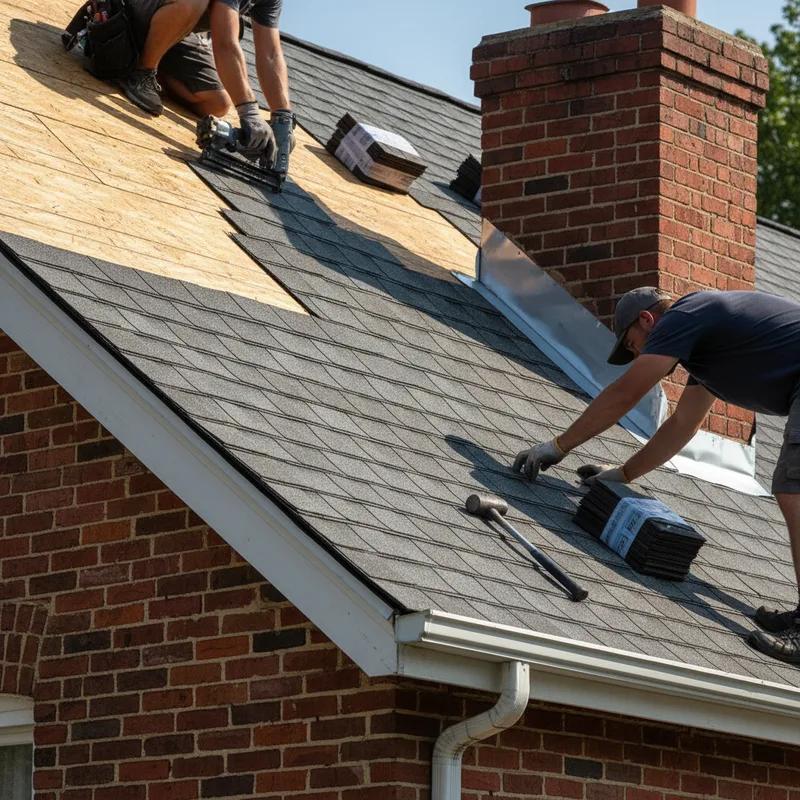
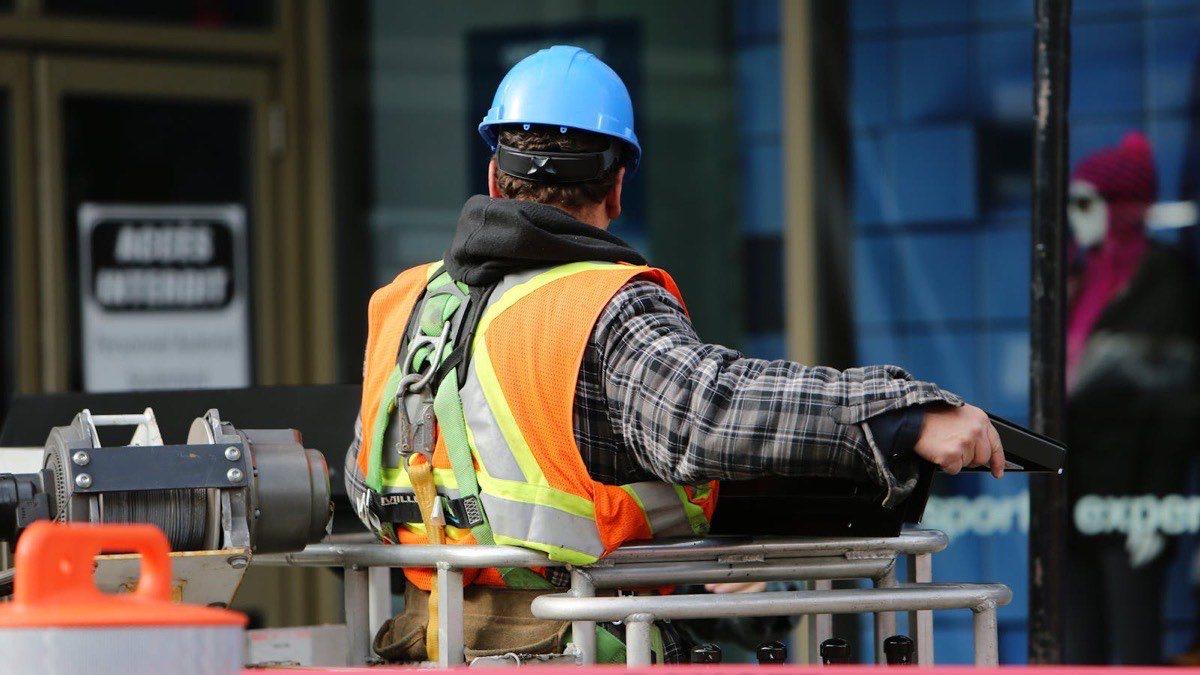
Roofing crew installing new architectural asphalt shingles on a Philadelphia twin home on a clear spring day
How a New Roof Can Lower Your Insurance Premiums in Philadelphia

6

Practical Steps Philadelphia Homeowners Should Take Right Now

Whether your roof is aging gracefully or showing its years, there are concrete steps you can take today to protect both your home and your insurance standing.

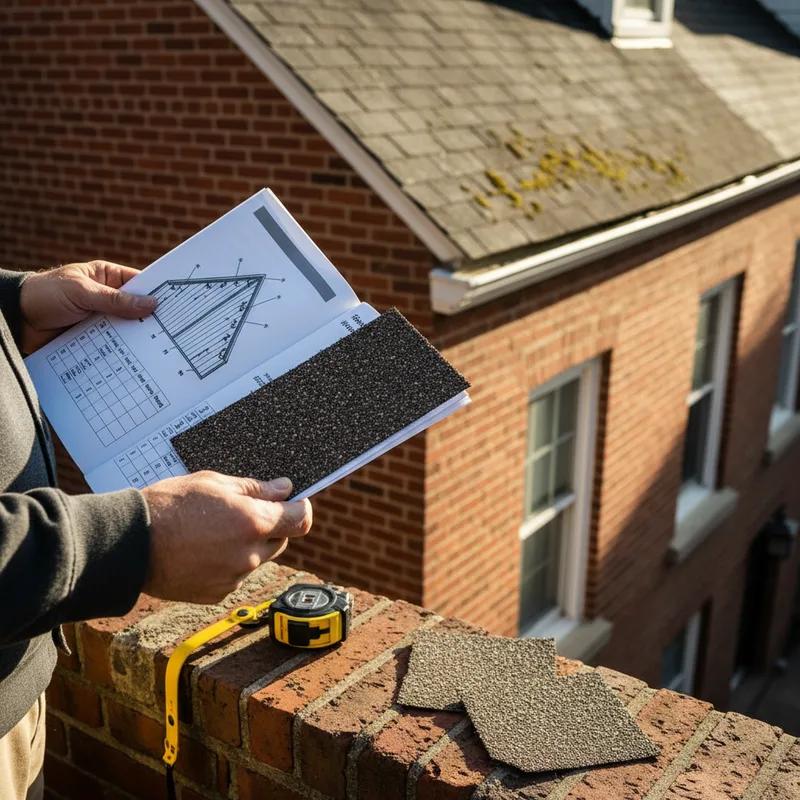
First, know your roof's age. This sounds obvious, but many Philadelphia homeowners — particularly those who purchased older homes in neighborhoods like Fishtown, Manayunk, or Roxborough — don't have clear records of when the roof was last replaced. Check your home's disclosure documents, pull permit records through the City of Philadelphia's online permit portal, or have a professional inspection done to assess the roof's approximate age and condition.

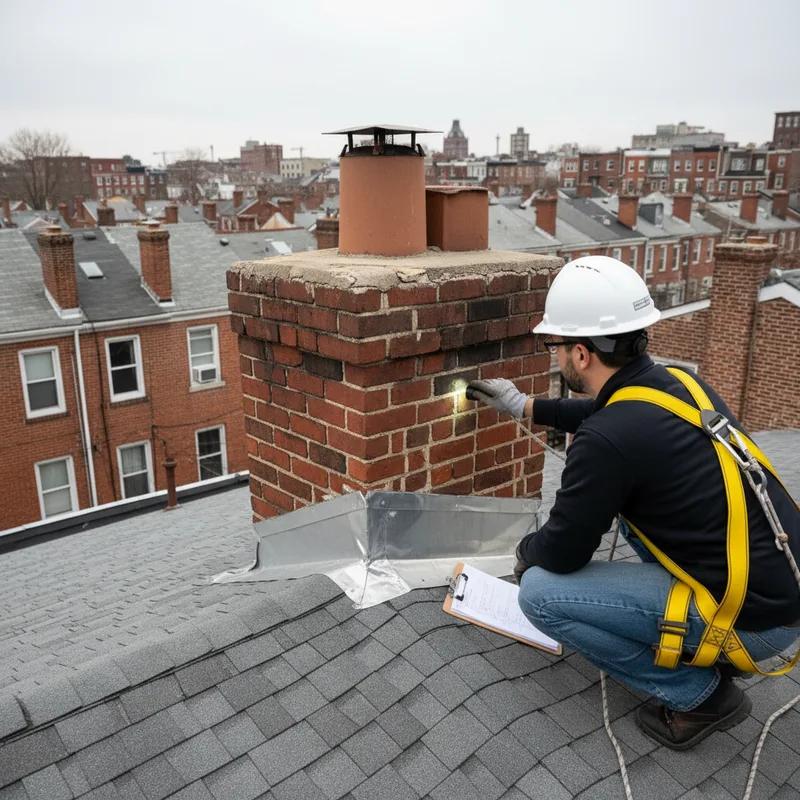
Second, schedule a professional roof inspection if your roof is more than 15 years old. A qualified local roofing contractor can give you an honest assessment of remaining lifespan and flag any issues before your insurer's inspector finds them. Addressing minor problems proactively — resealing flashing, replacing a handful of damaged shingles, clearing debris from valleys — can extend your roof's life and improve how it performs under an insurance inspection.

Third, contact your insurance agent and ask specifically about how your roof's age is affecting your current premium and coverage type. Ask whether your policy provides replacement cost value or actual cash value for roof claims. Ask what discounts are available for roof replacement or for impact-resistant materials. Get the answers in writing.

Fourth, if replacement is on the horizon, get multiple quotes from licensed, insured Philadelphia roofing contractors. The Philly Roof Find directory is a good starting point for finding vetted local professionals. Compare not just price but also material options, warranty terms, and the contractor's familiarity with Philadelphia's permitting process.

Finally, keep meticulous records. Save your permits, your contractor's invoice, photos of the completed work, and any warranty documentation. These records will be invaluable when updating your insurance policy, filing a future claim, or selling your home.

Philadelphia homeowner on the phone with their insurance agent while looking at roofing contractor quotes spread on a dining room table
Practical Steps Philadelphia Homeowners Should Take Right Now

Frequently Asked Questions

At what roof age do Philadelphia home insurance premiums typically increase?

Most insurers begin adjusting premiums or coverage terms once a roof reaches 15 to 20 years of age. After 20 years, many carriers in Pennsylvania may require a professional inspection before renewing your policy, and some will shift from replacement cost value to actual cash value coverage, which significantly reduces your payout in the event of a claim.

Can a new roof lower my homeowners insurance in Philadelphia?

Yes. A new roof — especially one installed with impact-resistant materials — can qualify you for premium discounts ranging from 5% to 20% depending on your insurer. It also restores your eligibility for full replacement cost value coverage, which provides much stronger financial protection than the depreciated actual cash value coverage typically applied to older roofs.

Will my Philadelphia home insurance be canceled because of my old roof?

It's possible. Some insurers are issuing non-renewal notices to Philadelphia homeowners whose roofs fail inspection criteria, particularly for roofs over 20 years old with visible deterioration. If this happens, you'll typically have a grace period to replace the roof or find alternative coverage, but acting quickly is essential to avoid a lapse in protection.

Do I need a permit to replace my roof in Philadelphia?

Yes. Philadelphia's Department of Licenses and Inspections (L&I) requires a permit for most roof replacement projects. Working with a licensed contractor who pulls the proper permit is important not just for code compliance but also for insurance documentation — your insurer may request proof of permitted work when you update your policy after a replacement.

Does the type of roofing material affect my insurance rate in Philadelphia?

Yes, material choice can impact your premium. Impact-resistant shingles rated Class 3 or Class 4 often qualify for discounts from insurers because they perform better under hail and wind stress. Metal roofing and certain composite materials may also qualify for favorable underwriting treatment. Ask your insurance agent which materials qualify for discounts before finalizing your roofing material selection.

James Callahan
Founder & Editor, Philly Roof Find

James founded Philly Roof Find to give Philadelphia homeowners a transparent, independent resource for evaluating roofing contractors. With a background in building trades and a focus on local construction practices, he writes practical guides grounded in Philadelphia-specific building codes, materials, and contractor standards.