How Changing Insurance Rules Affect Philadelphia Roof Replacement

Learn how 2026 FHFA and insurance rule changes affect Philadelphia roof replacement costs, coverage, and what homeowners need to know now.

How Changing Insurance Rules Affect Philadelphia Roof Replacement - Philadelphia roofing guide

New mortgage and insurance regulations from the FHFA and private insurers are reshaping how Philadelphia homeowners pay for roof replacements—and what their policies will actually cover.

James Callahan
Published March 23, 2026·Updated March 23, 2026
1

What the Latest FHFA and Insurance Rule Changes Actually Mean

Over the past few years, the Federal Housing Finance Agency (FHFA)—which oversees Fannie Mae and Freddie Mac—has steadily tightened property condition standards for federally backed mortgages. As of 2026, those tightened standards have real teeth, and Philadelphia homeowners are feeling the effects directly in their roofing decisions.

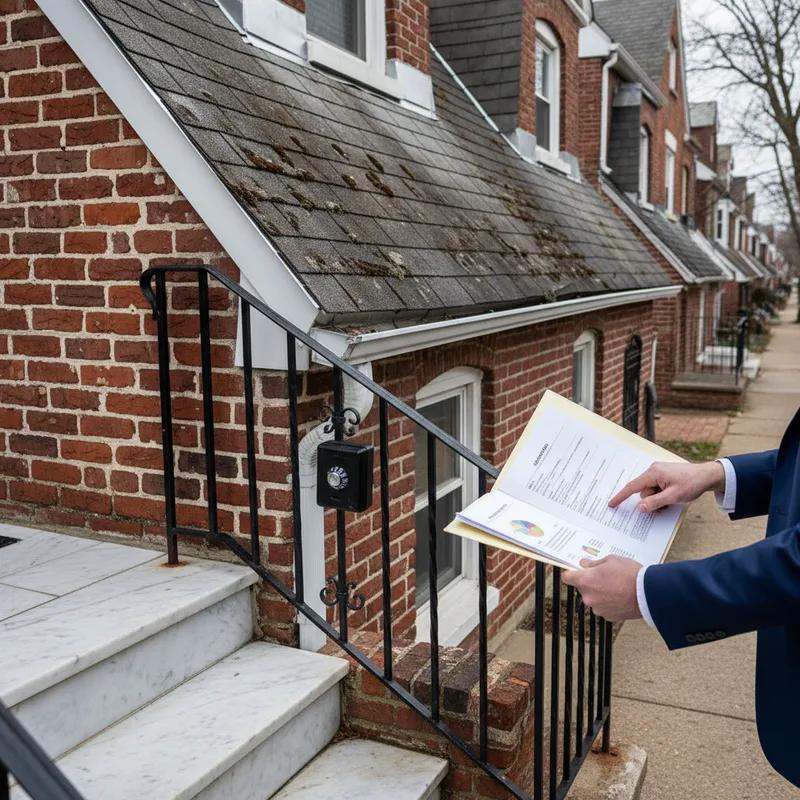
At the core of the changes is a stricter appraisal and underwriting framework that flags roofs with significant wear, visible damage, or limited remaining useful life. If your roof doesn't meet minimum condition thresholds during a home sale or refinance, lenders backed by Fannie Mae or Freddie Mac can now require proof of repair or replacement before closing. This is no longer a rare exception—it's becoming routine in Philadelphia's active real estate market.

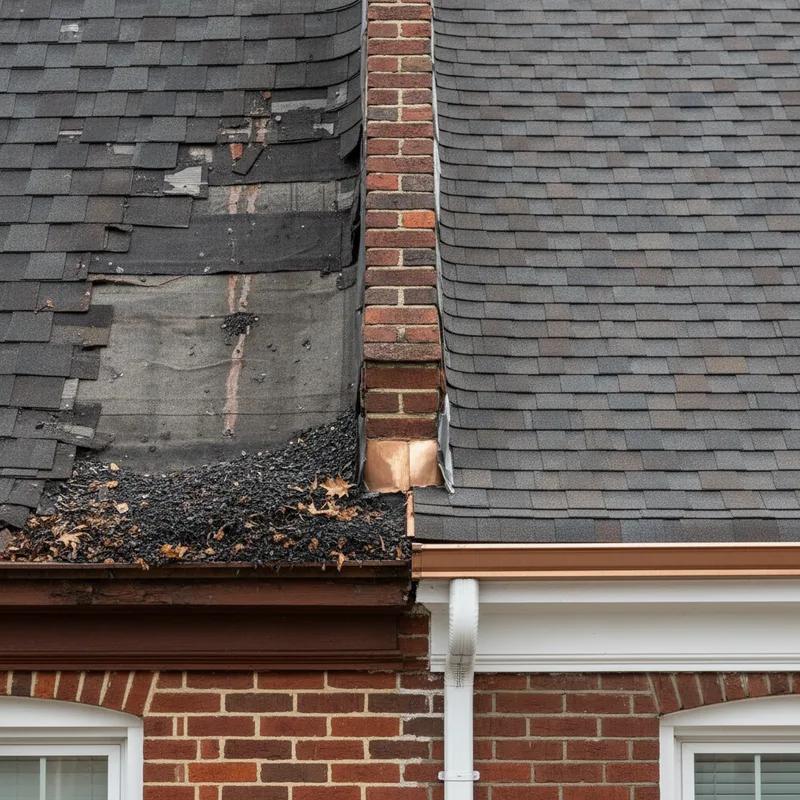
Simultaneously, private homeowners insurance carriers operating in Pennsylvania have updated their underwriting guidelines. Many insurers now conduct aerial inspections using satellite imagery and drone technology to assess roof condition before issuing or renewing policies. Roofs over a certain age—commonly 15 to 20 years depending on material—may only qualify for actual cash value (ACV) coverage rather than full replacement cost value (RCV) coverage. That distinction can mean thousands of dollars out of pocket for Philadelphia homeowners when a claim is filed.

For a city like Philadelphia, where a substantial portion of the housing stock was built between the 1920s and 1970s, these changes hit harder than in newer suburban markets. Many roofs in neighborhoods like Kensington, Olney, and West Philadelphia are approaching or exceeding the age thresholds that trigger coverage downgrades. Understanding exactly what the new rules require—and how they interact with your specific mortgage and insurance situation—is the essential first step before you call a roofer.
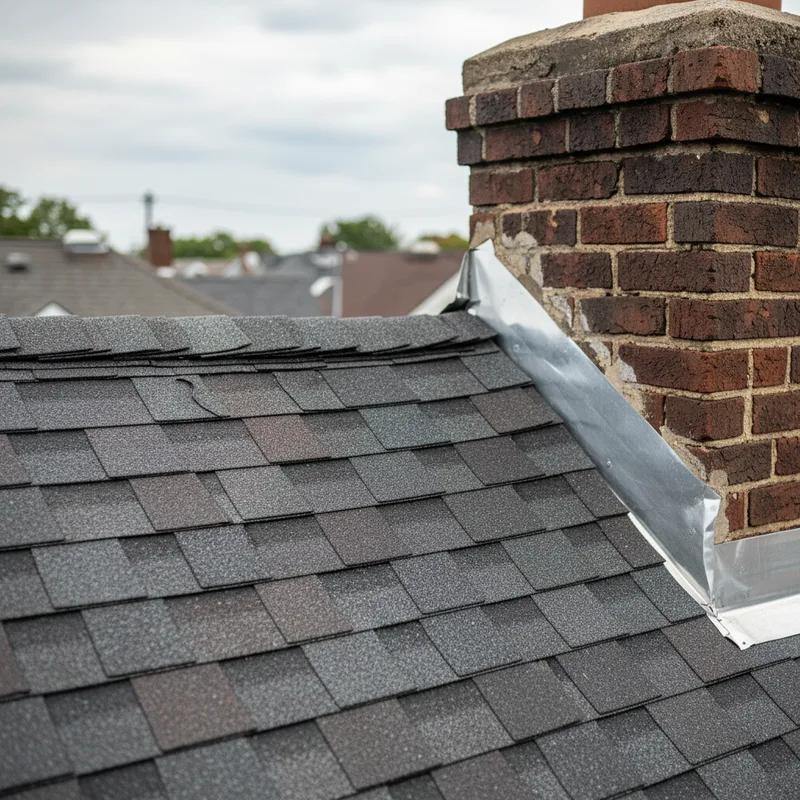
A Philadelphia homeowner reviewing insurance policy documents at a kitchen table with a laptop open to an FHFA mortgage guidelines page
What the Latest FHFA and Insurance Rule Changes Actually Mean

2

How Philadelphia's Older Housing Stock Creates Unique Vulnerabilities

Philadelphia is one of the oldest major cities in the United States, and its housing stock reflects that history. The city's iconic row homes, twin houses, and older detached colonials were built with roofing materials and construction standards that were state-of-the-art decades ago but now face increasing scrutiny from insurers and mortgage lenders alike.

Flat and low-slope roofs are especially common in Philadelphia row homes across neighborhoods like Point Breeze, Passyunk Square, and Northern Liberties. These roofs—often covered in modified bitumen, built-up roofing (BUR), or EPDM rubber membrane—have a typical lifespan of 15 to 25 years. Many Philadelphia homeowners don't realize their flat roof is nearing the end of its serviceable life until an insurer flags it during a policy renewal audit or a lender requires an inspection during a refinance.

Sloped roofs in neighborhoods like Chestnut Hill, Mt. Airy, and Roxborough face different pressures. Older three-tab asphalt shingles, slate, and even aging fiberglass shingles can trigger insurance downgrades based on visual inspection alone. Philadelphia's weather patterns compound the problem: the city experiences significant freeze-thaw cycling each winter, nor'easters that bring heavy wet snow, and summer thunderstorms that can include hail. This accelerates roof aging faster than in more temperate climates, meaning a 15-year-old roof in Philadelphia may show the wear of a 20-year-old roof in a milder region.

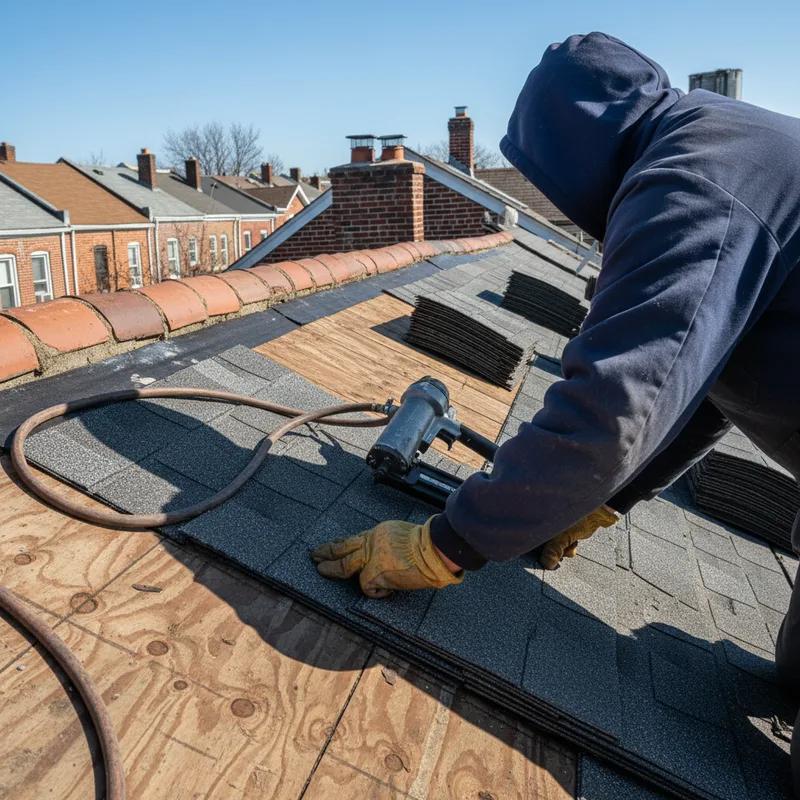
Philadelphia's L&I (Department of Licenses and Inspections) also enforces building codes that require roofing work to meet current standards—meaning a replacement isn't just a swap of old for new. Any permitted roofing project must comply with the Philadelphia Building Code, which incorporates updated wind uplift, insulation, and ventilation requirements. Homeowners who try to defer replacement risk compounding problems: a roof that fails an insurance inspection may trigger policy cancellation, leaving the property uninsured and potentially in violation of mortgage terms.

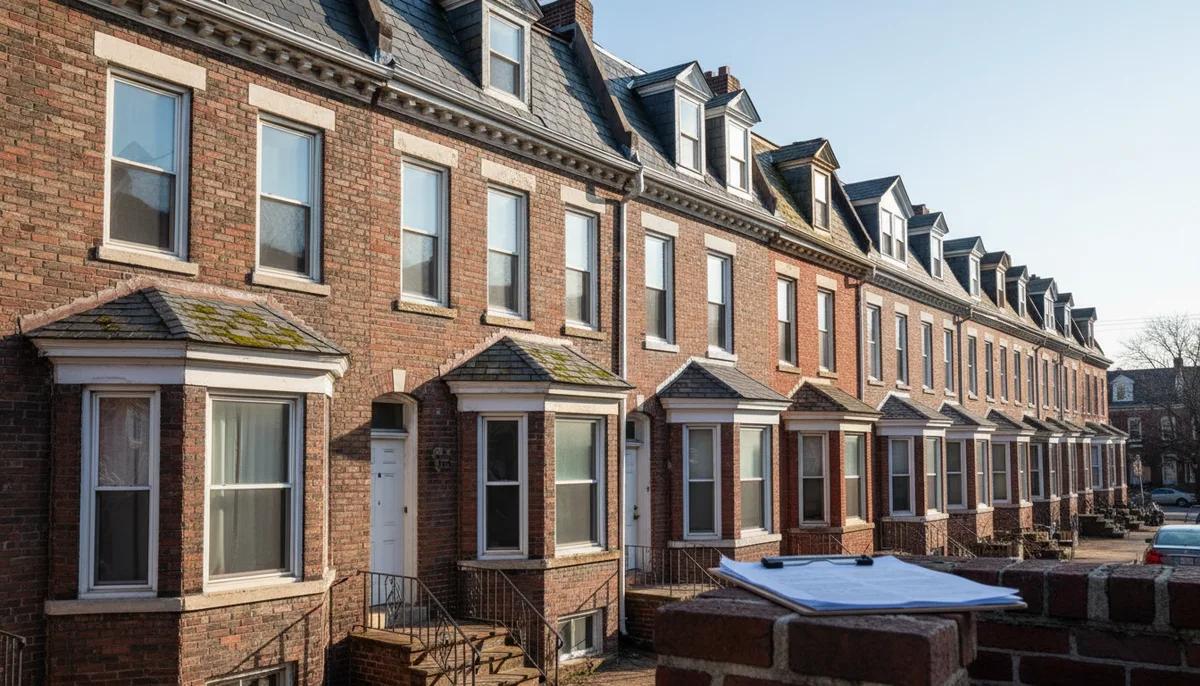
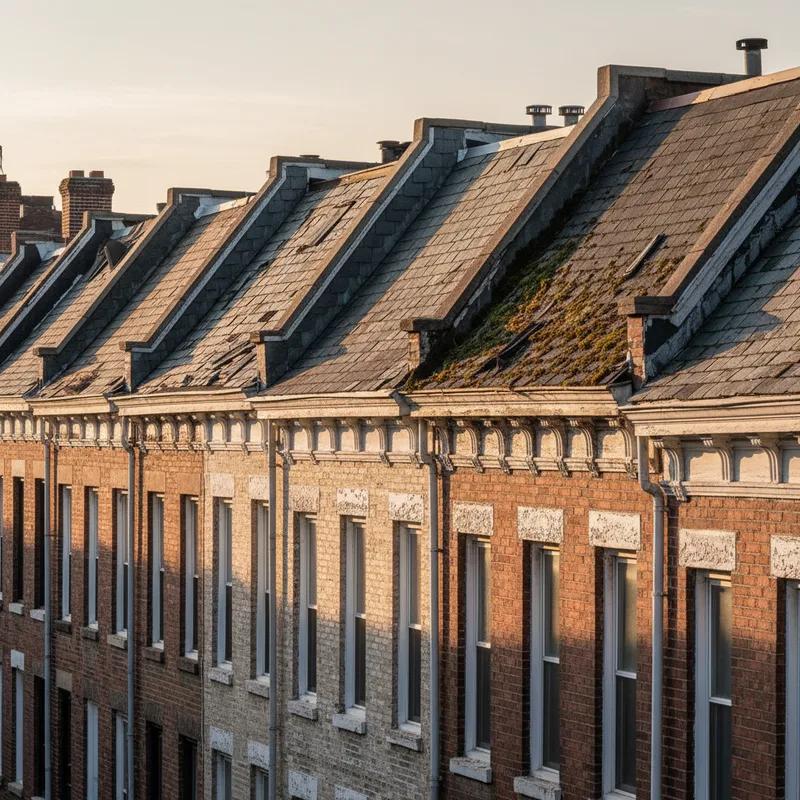
Aerial view of Philadelphia row home rooftops in a dense neighborhood showing a mix of flat roofs and sloped roofs in various states of wear
How Philadelphia's Older Housing Stock Creates Unique Vulnerabilities

3

Actual Cash Value vs. Replacement Cost Value: The Coverage Gap That Costs Philadelphians

One of the most consequential—and least understood—impacts of the new insurance rules is the shift from replacement cost value (RCV) to actual cash value (ACV) coverage for aging roofs. This distinction can mean the difference between a fully covered roof replacement and a bill that leaves you paying tens of thousands of dollars out of pocket.

Replacement cost value coverage pays for what it actually costs to replace your roof with comparable materials at current prices. Actual cash value coverage, by contrast, pays only the depreciated value of your old roof—what it was worth at the time of the loss, accounting for its age and condition. For a 20-year-old roof in Germantown or Frankford, that depreciated value might be a fraction of what a new roof actually costs.

In Philadelphia's current market, a full roof replacement on a typical row home ranges from roughly $8,000 to $18,000 depending on roof size, pitch, material, and access complexity. For a larger detached home in neighborhoods like Overbrook or Mayfair, costs can climb significantly higher. If your insurer has downgraded your policy to ACV coverage due to roof age, you could receive a claims payout of $2,000 to $5,000 on a $14,000 replacement job—leaving a gap you must cover yourself.

The practical advice here is straightforward: review your current homeowners insurance declarations page and look specifically for how your roof is covered. Call your agent and ask directly whether your roof is covered at RCV or ACV. If you've been downgraded to ACV without realizing it, you may have options—some insurers offer endorsements that restore RCV coverage if you can demonstrate the roof has been recently inspected and maintained, or if you agree to replace it within a specified timeframe.

Getting a professional roof inspection from a licensed Philadelphia contractor and sharing that report with your insurer can sometimes reverse an ACV downgrade and restore your full coverage.

A Philadelphia homeowner speaking with an insurance agent at a kitchen table, reviewing a roof inspection report and insurance declarations page side by side
Actual Cash Value vs. Replacement Cost Value: The Coverage Gap That Costs Philadelphians

5

Financial Assistance and Cost-Sharing Options for Philadelphia Homeowners

The convergence of tighter insurance rules and rising material costs has made roof replacement a significant financial burden for many Philadelphia homeowners—particularly seniors, lower-income residents, and those living on fixed incomes in neighborhoods like Frankford, Hunting Park, and Southwest Philadelphia. Fortunately, several assistance pathways exist that can reduce out-of-pocket costs.

The City of Philadelphia's Basic Systems Repair Program (BSRP), administered through the Philadelphia Housing Development Corporation (PHDC), provides grants to income-eligible homeowners for essential repairs including roofing. Eligibility is based on income limits and owner-occupancy requirements. The program has historically had a waitlist, so applying early is strongly advised. Check the PHDC website for current eligibility thresholds and application status.

Pennsylvania's Whole-Home Repairs Program, funded through the state budget, provides additional resources for housing repairs including roofing for both homeowners and small landlords. Philadelphia County has been one of the program's most active participants. Funds are distributed through the county and administered locally, so contacting the Philadelphia Office of Housing can clarify current availability.

For homeowners who don't qualify for grants, several financing options exist. Many Philadelphia roofing contractors offer financing through third-party lenders, and the terms vary widely—always read the fine print on interest rates and repayment schedules. The Pennsylvania Housing Finance Agency (PHFA) also offers home improvement loan products that can be used for roof replacement.

Finally, if your roof damage was caused by a covered weather event—a common occurrence given Philadelphia's nor'easters, hailstorms, and summer derechos—filing a homeowners insurance claim may still be your best path to coverage. Working with a licensed public adjuster or a reputable Philadelphia roofing contractor who has experience documenting storm damage can help maximize your claim payout under your current policy terms.

A PHDC housing counselor meeting with an elderly Philadelphia homeowner at a community center, reviewing home repair grant application materials
Financial Assistance and Cost-Sharing Options for Philadelphia Homeowners

6

How to Choose the Right Philadelphia Roofing Contractor Under New Insurance Rules

The new insurance and mortgage landscape means that the contractor you choose for your roof replacement matters more than ever. A poorly documented or unpermitted job can create insurance complications, trigger lender flags, and leave you without recourse if problems arise down the road.

First and foremost, verify that any contractor you consider is licensed and registered in Pennsylvania. Pennsylvania requires roofing contractors to be registered as Home Improvement Contractors (HIC) through the Attorney General's office. Ask for their HIC registration number and verify it online. Additionally, confirm they carry both general liability insurance and workers' compensation coverage—request certificates of insurance directly from their carrier, not just a copy from the contractor.

For work in Philadelphia specifically, your contractor must pull permits through the City's eCLIPSE system for any full replacement or significant repair. Be wary of any contractor who suggests skipping the permit process to save time or money—this is a red flag that can create serious problems with your insurer and lender later.

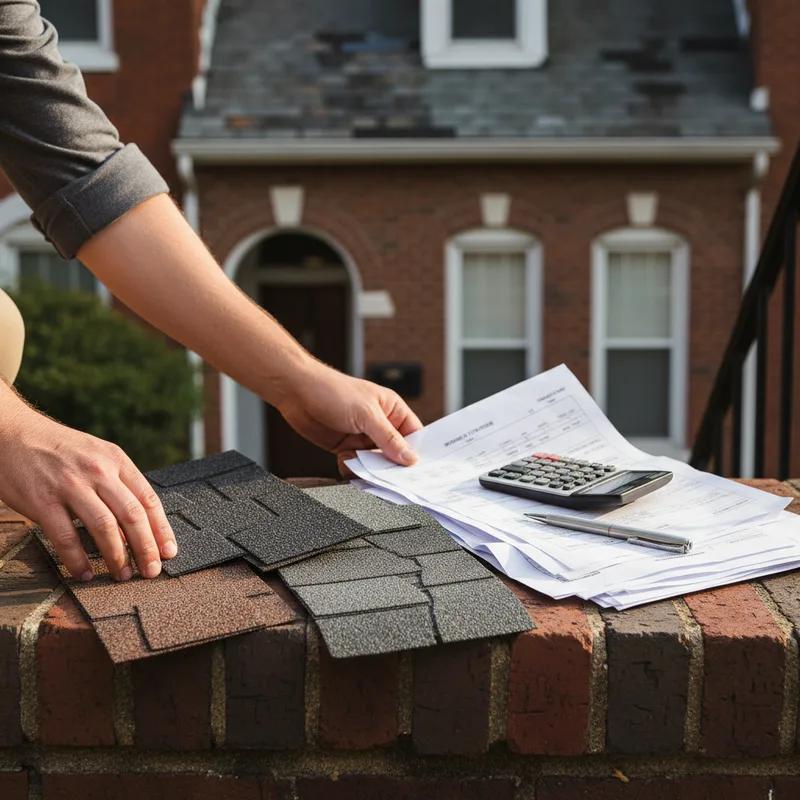
When it comes to documentation for insurance purposes, choose a contractor who provides a detailed written scope of work, photographs of existing conditions, and a final completion report. Many insurers now require this level of documentation to process claims or restore RCV coverage after a replacement. A contractor experienced with Philadelphia's insurance claim process can be invaluable here.

Check reviews on Google, the Better Business Bureau, and Philadelphia-specific platforms. Ask for references from recent jobs in your neighborhood—row home roofing in South Philly presents different challenges than a pitched roof in Chestnut Hill, and local experience matters. Finally, get at least three written estimates before committing. Roofing prices in Philadelphia can vary significantly, and comparing detailed line-item estimates helps you evaluate quality, not just price.

Using a trusted local directory like Philly Roof Find can help you identify vetted, licensed contractors who understand Philadelphia's building codes, neighborhood-specific challenges, and the current insurance documentation requirements.

A Philadelphia homeowner shaking hands with a licensed roofing contractor in front of a row home, with a signed contract and permit paperwork visible
How to Choose the Right Philadelphia Roofing Contractor Under New Insurance Rules

Frequently Asked Questions

Can my homeowners insurance be cancelled because of my roof's age in Pennsylvania?

Yes, insurers in Pennsylvania can non-renew or cancel a homeowners policy if the roof is deemed to be in poor condition or past a certain age threshold during an underwriting review. Many carriers now use aerial imagery to assess roof condition at renewal. If your insurer flags your roof, you'll typically receive a notice giving you time to repair or replace it before the policy lapses—acting quickly and providing documentation from a licensed inspector can sometimes prevent cancellation.

What happens if a home appraisal flags my Philadelphia roof during a refinance?

If an appraiser notes significant roof deterioration under Fannie Mae or Freddie Mac guidelines, your lender will likely issue a 'subject to repair' condition, meaning the loan won't close until the roof issue is resolved and verified. You'll need to hire a licensed contractor, complete the required work, and provide documentation to the lender. Getting a pre-refinance roof inspection can help you identify and address issues before the appraisal.

What is the difference between ACV and RCV roof coverage, and how do I know which I have?

Actual Cash Value (ACV) pays the depreciated value of your roof at the time of loss, while Replacement Cost Value (RCV) pays the full cost to replace it with comparable materials at current prices. Check your homeowners insurance declarations page or call your agent directly to confirm which applies to your roof—many Philadelphia homeowners have been quietly downgraded to ACV as their roofs aged without realizing it.

Are there grants available to help Philadelphia homeowners pay for roof replacement?

Yes. The City of Philadelphia's Basic Systems Repair Program (BSRP), administered by PHDC, offers grants to income-eligible owner-occupants for essential repairs including roofing. Pennsylvania's Whole-Home Repairs Program also provides funding distributed through Philadelphia County. Both programs have eligibility requirements and may have waitlists, so applying as early as possible is recommended.

Do I need a permit to replace my roof in Philadelphia?

Yes. The City of Philadelphia requires permits for roof replacement work, issued through the eCLIPSE online permitting system managed by the Department of Licenses and Inspections. Any licensed contractor should pull this permit on your behalf before work begins. Unpermitted roofing work can create complications with your homeowners insurance, future mortgage transactions, and resale of the property.

James Callahan
Founder & Editor, Philly Roof Find

James founded Philly Roof Find to give Philadelphia homeowners a transparent, independent resource for evaluating roofing contractors. With a background in building trades and a focus on local construction practices, he writes practical guides grounded in Philadelphia-specific building codes, materials, and contractor standards.