How Philadelphia Homeowners Can Use the H.O.M.E. Initiative for Roof Repairs

Learn how Philadelphia's H.O.M.E. Initiative can help qualifying homeowners fund roof repairs or replacements. Eligibility, application tips & more.

How Philadelphia Homeowners Can Use the H.O.M.E. Initiative for Roof Repairs - Philadelphia roofing guide

Philadelphia's H.

James Callahan
Published March 16, 2026·Updated March 16, 2026
1

What Is Philadelphia's H.O.M.E. Initiative and How Does It Help Homeowners?

Philadelphia's H.O.M.E. (Housing Opportunities Made Equal) Initiative is a city-backed program administered through the Philadelphia Housing Development Corporation (PHDC) that provides grants and low-interest loans to income-qualifying homeowners for essential home repairs. The goal is straightforward: keep Philadelphians safely housed by making critical repairs affordable — and roofing is one of the most frequently funded repair categories.

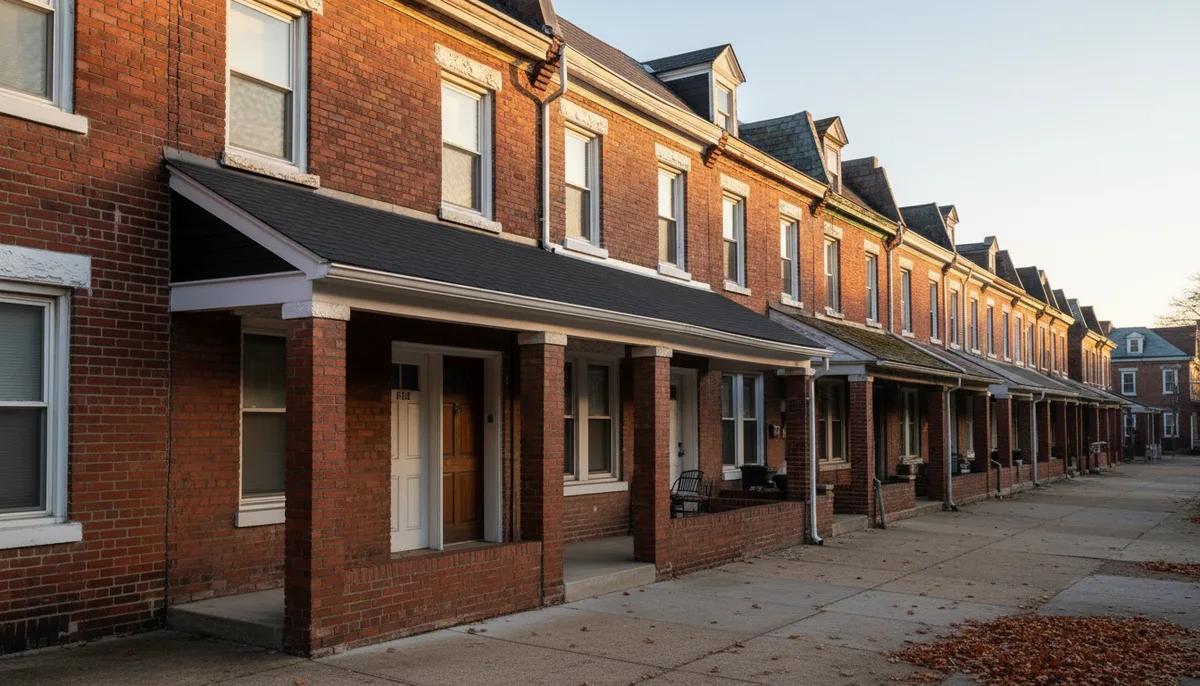
The program recognizes that a damaged or deteriorating roof isn't just a cosmetic issue. In a city where aging housing stock, nor'easters, and freeze-thaw cycles put constant pressure on rooftops, a failing roof can quickly become a public health and safety emergency. Water intrusion leads to mold, structural damage, and compromised insulation — problems that compound rapidly in Philadelphia's dense row home neighborhoods like Kensington, Germantown, West Philadelphia, and Frankford.

Under the H.O.M.E. Initiative umbrella, homeowners may be eligible for funding through programs like the Basic Systems Repair Program (BSRP) or the Adaptive Modifications Program, depending on the nature of the repair needed. The BSRP, in particular, has historically covered roofing systems as part of its mandate to address structural and weatherproofing deficiencies.

What makes this initiative especially valuable is that qualifying homeowners do not always need to repay the funding as a traditional loan — in many cases, assistance is structured as a forgivable grant, provided the homeowner continues to occupy the property for a set period after repairs are completed.

For Philadelphia homeowners who have been putting off a roof repair due to financial constraints, the H.O.M.E. Initiative represents one of the most accessible and meaningful resources available. Understanding how it works — and how to navigate the application process — is the first step toward getting your roof fixed and your home protected.
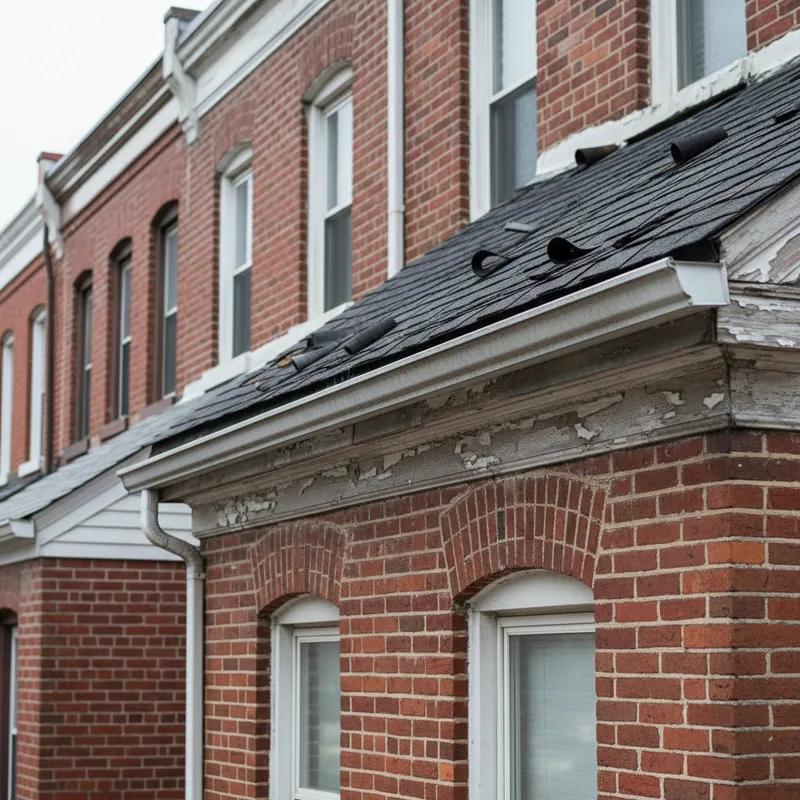
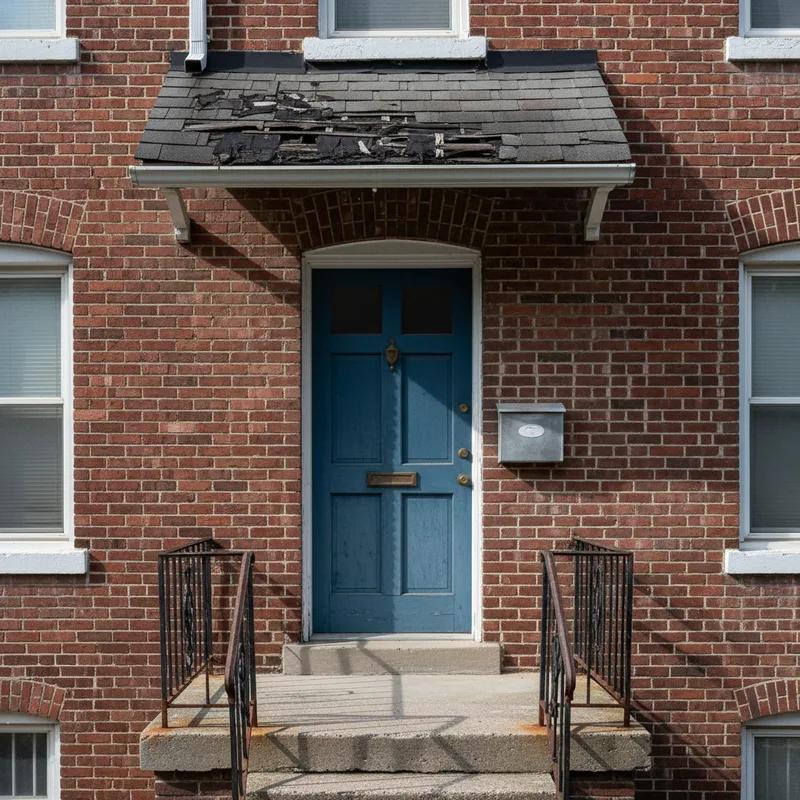
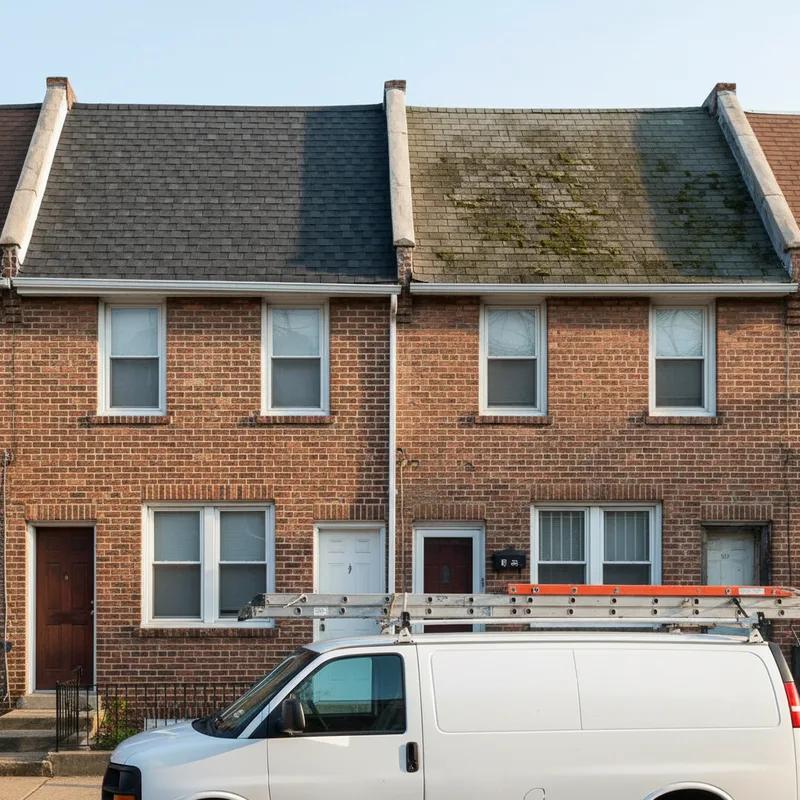
A Philadelphia row home on a tree-lined street with a visibly aging roof showing missing shingles and water staining near the gutters
What Is Philadelphia's H.O.M.E. Initiative and How Does It Help Homeowners?

2

Who Qualifies for H.O.M.E. Initiative Roof Repair Funding in Philadelphia?

Eligibility for the H.O.M.E. Initiative and its associated programs is based on several key criteria. Understanding these requirements before you apply can save you time and help you gather the right documentation from the start.

Income Limits: The program is designed for low- to moderate-income homeowners. Eligibility thresholds are typically based on Area Median Income (AMI) for the Philadelphia metropolitan area, as updated annually by HUD. As of 2026, households earning at or below 80% of AMI generally qualify for the Basic Systems Repair Program. Income limits vary by household size, so a family of four will have a higher ceiling than a single-person household.

Homeownership and Occupancy: You must own and occupy the property as your primary residence. Investment properties, rental units, and vacant homes do not qualify. You'll need to provide proof of ownership — typically a deed — and proof of residency such as a utility bill or government-issued ID with your Philadelphia address.

Property Taxes: Your property taxes must be current, or you must be enrolled in an approved payment agreement with the City of Philadelphia. Outstanding tax liens can disqualify an application, so it's worth checking your tax status through the Philadelphia Revenue Department before applying.

Property Type: The program covers a wide range of residential property types common in Philadelphia, including single-family homes, row homes, and twin homes. Multi-unit properties may have different eligibility rules depending on the program tier.

Condition of the Roof: The damage must be verified as a health or safety hazard. A leaking roof that is causing water damage to interior living spaces, compromising structural integrity, or contributing to mold growth is typically prioritized. A PHDC inspector will assess the property to confirm eligibility and scope of work.

If you're unsure whether you qualify, PHDC offers pre-screening assistance by phone and through their online portal. Don't assume you're ineligible — many Philadelphia homeowners are surprised to find they meet the criteria.

A homeowner reviewing eligibility documents at a kitchen table in a Philadelphia row home, with a visible ceiling water stain in the background
Who Qualifies for H.O.M.E. Initiative Roof Repair Funding in Philadelphia?

3

How to Apply for Roof Repair Assistance Through the H.O.M.E. Initiative

Applying for the H.O.M.E. Initiative is a multi-step process, but it's manageable if you come prepared. Here's a practical breakdown of what to expect.

Step 1: Contact PHDC Directly

The Philadelphia Housing Development Corporation is the primary point of contact. You can reach them through their official website at phdc.phila.gov or by calling their intake line. Staff can walk you through which specific program under the H.O.M.E. umbrella best fits your situation and confirm basic eligibility before you submit a full application.

Step 2: Gather Your Documentation

Before your intake appointment, collect the following: proof of income for all household members (recent tax returns, pay stubs, or benefit award letters), proof of homeownership (deed or mortgage statement), proof of residency, recent utility bills, and documentation of the roof damage (photos, contractor estimates, or inspection reports if available).

Step 3: Complete the Application

Applications can often be initiated online or by mail. Be thorough and accurate — incomplete applications are a common cause of delays. If you need help filling out the application, PHDC can connect you with a housing counselor.

Step 4: Property Inspection

Once your application is received and preliminarily approved, PHDC will schedule an inspection of your home. An inspector will assess the roof's condition and determine the scope of repairs needed. This step is critical — the inspection report forms the basis for the work order and funding authorization.

Step 5: Contractor Assignment and Work Order

For most H.O.M.E. Initiative repairs, PHDC works with a network of pre-approved, licensed contractors. In many cases, the contractor is assigned by PHDC rather than chosen by the homeowner. These contractors must be licensed with the City of Philadelphia and comply with all applicable building codes under the Philadelphia Building Construction and Occupancy Code.

Step 6: Repairs and Final Inspection

Once work is completed, a final inspection is conducted to verify quality and compliance. Keep copies of all paperwork throughout the process for your records.

A PHDC housing inspector on a ladder examining the flat roof of a Philadelphia row home during a property assessment visit
How to Apply for Roof Repair Assistance Through the H.O.M.E. Initiative

4

What Types of Roof Repairs and Replacements Does the Program Cover?

One of the most common questions Philadelphia homeowners have is: exactly what roofing work is eligible under the H.O.M.E. Initiative? The answer depends on the specific program tier and the findings of the PHDC property inspection, but here's a general overview of what has historically been covered.

Flat Roof Repairs and Replacement: Philadelphia's row homes are notorious for their flat or low-slope roofs, which are particularly vulnerable to pooling water, membrane deterioration, and flashing failures. Flat roof repairs — including membrane patching, full membrane replacement (EPDM, TPO, or modified bitumen), and drain clearing — are among the most commonly funded repairs under the Basic Systems Repair Program.

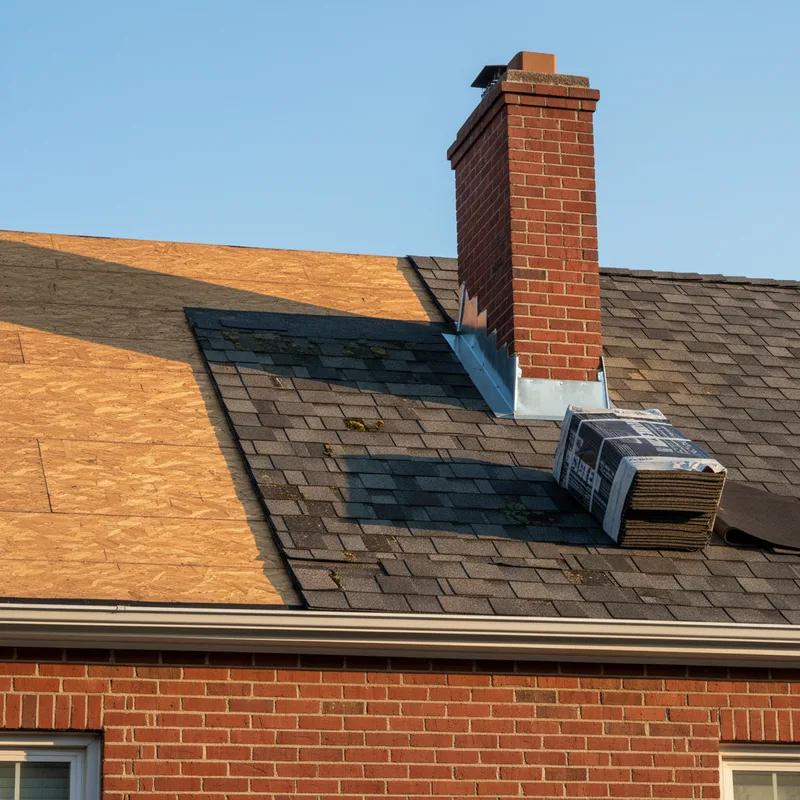
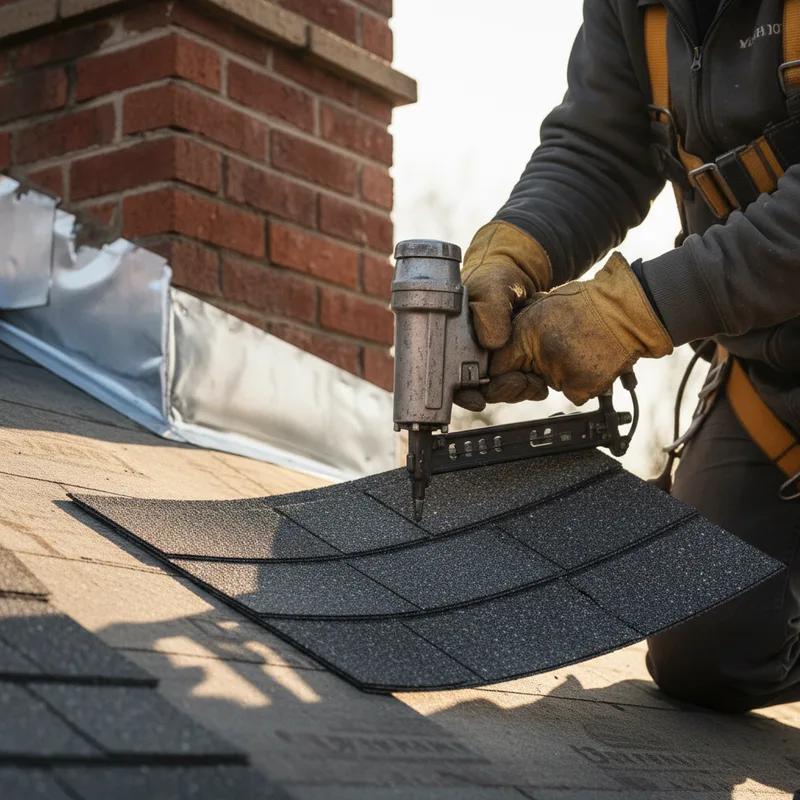
Pitched Roof Repairs: For Philadelphia homes with pitched roofs — more common in neighborhoods like Chestnut Hill, Mount Airy, and parts of Northeast Philadelphia — eligible repairs may include replacing damaged or missing asphalt shingles, repairing ridge caps, fixing deteriorated flashing around chimneys and skylights, and addressing structural deck damage caused by prolonged water intrusion.

Gutters and Drainage Systems: Because improper drainage is a leading cause of roof and foundation damage in Philadelphia's dense housing stock, gutter repair or replacement is sometimes included as part of a broader roofing repair scope.

Emergency Repairs: If your roof has suffered sudden damage — from a severe storm, a fallen tree, or sudden structural failure — PHDC may be able to expedite your application under an emergency repair protocol. Philadelphia's storm seasons, including heavy spring rains and nor'easters, frequently generate emergency repair requests.

What's Typically Not Covered: Cosmetic improvements, upgrades beyond like-for-like replacement, and repairs to non-primary residences are generally excluded. The program focuses on restoring safe, habitable conditions rather than renovating or upgrading.

Always confirm the specific scope with your PHDC caseworker and the assigned contractor before work begins to avoid misunderstandings about what is and isn't authorized.

A roofing contractor applying new EPDM membrane to the flat roof of a Philadelphia row home in a dense urban neighborhood
What Types of Roof Repairs and Replacements Does the Program Cover?

5

Working With Licensed Philadelphia Roofing Contractors Under the H.O.M.E. Initiative

Whether PHDC assigns a contractor or you have some input in the selection process, understanding how licensed roofing contractors operate in Philadelphia is essential to ensuring your repair goes smoothly and meets city code requirements.

Licensing and Permits: All roofing contractors working in Philadelphia must hold a valid Home Improvement Contractor (HIC) license issued by the Pennsylvania Attorney General's Office, as well as any applicable City of Philadelphia business licenses. Roofing work that involves structural repairs or full replacement typically requires a permit from the Department of Licenses & Inspections (L&I). Permitted work is inspected by L&I, providing an additional layer of quality assurance.

Philadelphia Building Code Compliance: Roofing work in Philadelphia must comply with the Philadelphia Building Construction and Occupancy Code, which is based on the International Building Code with local amendments. This includes requirements for insulation R-values, drainage design, flashing installation, and fire ratings for roofing materials. In historic districts like Society Hill or Fairmount, the Philadelphia Historical Commission may also impose material and aesthetic restrictions.

Verifying Your Contractor: Even when PHDC assigns a contractor, it's smart to verify their credentials independently. You can check contractor license status through the Pennsylvania Attorney General's Home Improvement Contractor database and confirm permit history through Philadelphia's eCLIPSE permit portal.

Communication During the Project: Establish clear communication with your assigned contractor from the start. Request a written scope of work before any repairs begin, confirm the materials being used, and ask for a timeline. Document everything with photos before, during, and after the repair.

After the Work Is Done: Once repairs are complete, make sure you receive all warranty documentation for materials and labor. Reputable roofing contractors typically offer a workmanship warranty separate from the manufacturer's material warranty. File these documents safely — they'll be important if issues arise later and may be required by PHDC for final program closeout.

A licensed Philadelphia roofing contractor in safety gear reviewing a work order with a homeowner outside their row home before beginning roof repairs
Working With Licensed Philadelphia Roofing Contractors Under the H.O.M.E. Initiative

6

Other Philadelphia Roof Repair Funding Options to Combine With the H.O.M.E. Initiative

The H.O.M.E. Initiative is a powerful resource, but it's not the only funding avenue available to Philadelphia homeowners dealing with roof damage. Savvy homeowners can sometimes layer multiple programs to cover more of the cost — or use alternatives if they don't qualify for H.O.M.E.

Weatherization Assistance Program (WAP): Administered through the Pennsylvania Department of Community and Economic Development, WAP provides energy efficiency improvements to income-qualifying households. While its primary focus is insulation and HVAC, roof-related weatherization work — such as attic air sealing and insulation — can sometimes be included, reducing heat loss and extending roof longevity.

Restore, Repair, Renew (RRR) Loan Program: Philadelphia's RRR program offers low-interest loans (not grants) to homeowners who may not qualify for grant-based assistance but still need affordable financing for major repairs including roofing. Loan terms are designed to be manageable for working-class homeowners.

Homeowner's Insurance: If your roof damage was caused by a covered peril — such as a windstorm, hail, or a fallen tree — your homeowner's insurance policy may cover repair or replacement costs. Filing a claim before applying for city assistance is often advisable, as program administrators may factor in insurance proceeds when determining funding levels.

Utility Company Programs: PECO and Philadelphia Gas Works (PGW) occasionally offer rebates or assistance for energy-related home improvements that can indirectly support roofing projects, particularly those involving insulation upgrades tied to roof replacement.

Federal Programs: The U.S. Department of Agriculture's Section 504 Home Repair Program assists very-low-income homeowners in eligible areas with grants for critical repairs. While more common in rural areas, Philadelphia homeowners in certain census tracts may qualify.

Working with a HUD-approved housing counseling agency in Philadelphia can help you identify and coordinate multiple funding sources simultaneously. Organizations like Clarifi and NHS Philadelphia offer free or low-cost counseling to help homeowners navigate the full landscape of available assistance.

A Philadelphia homeowner speaking with a housing counselor at a community resource center, with program brochures and a laptop visible on the table
Other Philadelphia Roof Repair Funding Options to Combine With the H.O.M.E. Initiative

Frequently Asked Questions

How long does it take to get roof repairs approved through Philadelphia's H.O.M.E. Initiative?

Processing times vary depending on application volume and the complexity of the repair needed. Routine applications can take several weeks from submission to contractor assignment, while emergency repairs may be expedited. Contacting PHDC directly and submitting a complete application with all required documentation is the best way to avoid unnecessary delays.

Can I choose my own roofing contractor if I receive H.O.M.E. Initiative funding?

In most cases, PHDC assigns contractors from their pre-approved network rather than allowing homeowners to select their own. These contractors are vetted, licensed, and familiar with city code requirements. However, it's always worth asking your PHDC caseworker about the contractor selection process for your specific program tier.

Does the H.O.M.E. Initiative cover flat roof replacement on Philadelphia row homes?

Yes, flat roof repairs and replacements are among the most commonly funded repairs under programs like the Basic Systems Repair Program, given how prevalent flat roofs are on Philadelphia's row homes. Coverage is subject to inspection findings and program funding availability.

What income level qualifies for Philadelphia roof repair grants?

Eligibility is generally based on earning at or below 80% of the Area Median Income (AMI) for the Philadelphia area, as defined by HUD and updated annually. Income limits vary by household size. Contact PHDC or a HUD-approved housing counselor for the most current income thresholds.

What happens if my roof damage was caused by a storm — should I file insurance first or apply to H.O.M.E.?

It's generally advisable to file a homeowner's insurance claim first if the damage was caused by a covered event like a windstorm or hail. PHDC may take insurance proceeds into account when calculating grant amounts, and coordinating both sources can help maximize total coverage. A housing counselor can help you navigate both processes simultaneously.

James Callahan
Founder & Editor, Philly Roof Find

James founded Philly Roof Find to give Philadelphia homeowners a transparent, independent resource for evaluating roofing contractors. With a background in building trades and a focus on local construction practices, he writes practical guides grounded in Philadelphia-specific building codes, materials, and contractor standards.