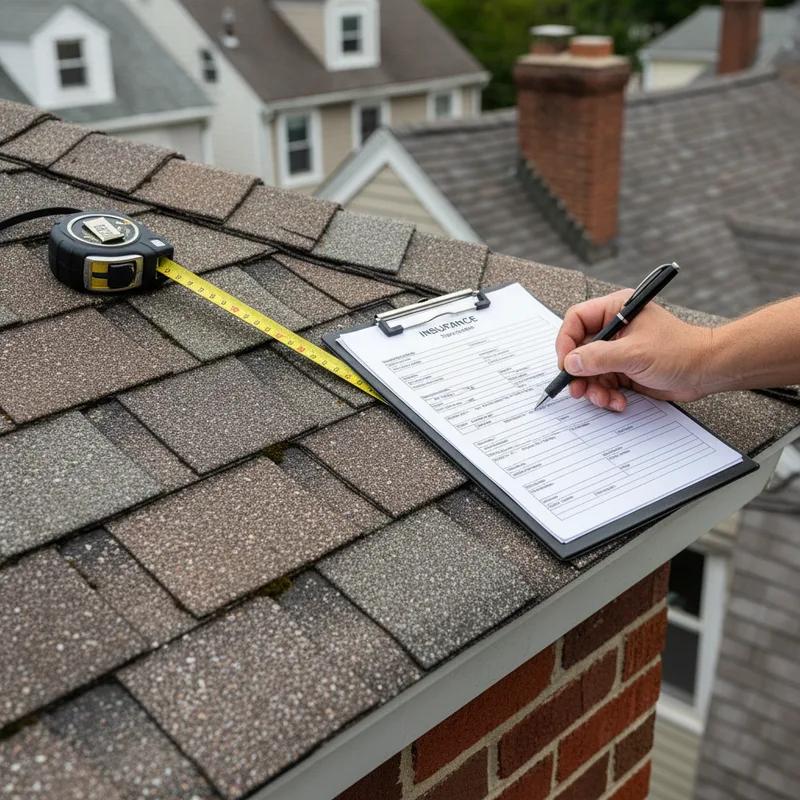

Step 1: Assess and Document the Roof Damage Before Calling Your Insurer
Before you pick up the phone to call your insurance company, your first priority is thorough documentation. In Philadelphia, storms can bring a brutal combination of wind, hail, ice, and heavy rain—especially during nor'easters and the increasingly intense spring storm season. Whether you're in Chestnut Hill dealing with fallen tree limbs or in Point Breeze where flat-roofed row homes are prone to ponding water after heavy downpours, capturing detailed evidence is the foundation of a successful claim.
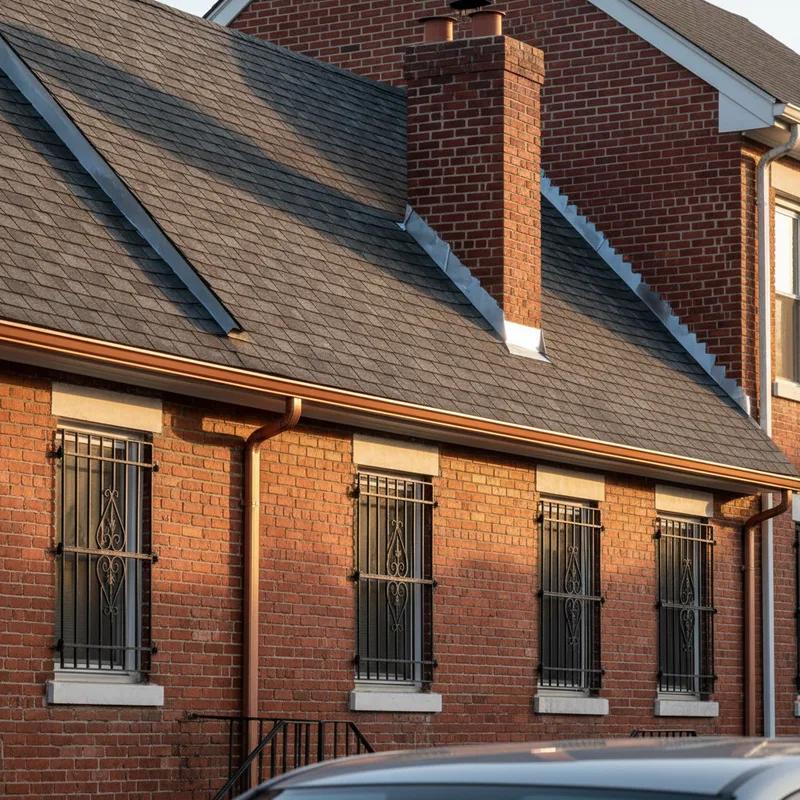
Start by doing a safe ground-level inspection of your roof immediately after the storm passes. Look for missing or curled shingles, damaged flashing around chimneys and skylights, dented gutters, and any visible sagging. Do not climb onto the roof yourself—this is both a safety risk and can inadvertently cause additional damage that complicates your claim.
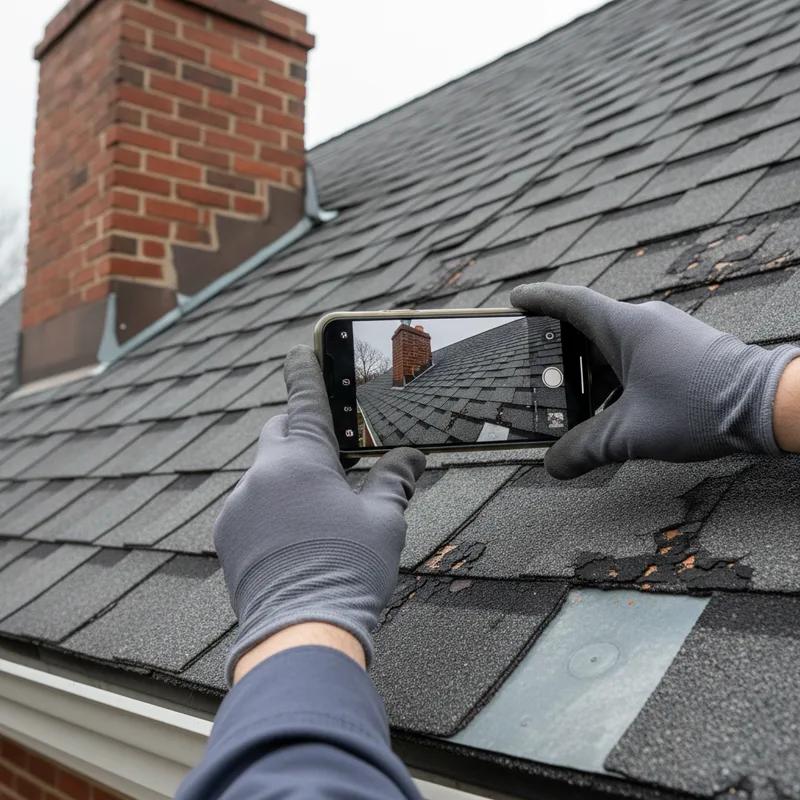
Use your smartphone to take time-stamped photos and videos from multiple angles. Capture close-ups of specific damage points as well as wide shots that show the overall condition of the roof. If you have interior damage—water stains on ceilings, wet insulation in the attic, or damaged drywall—photograph those too, as they support your claim by demonstrating that the roof breach caused consequential damage.
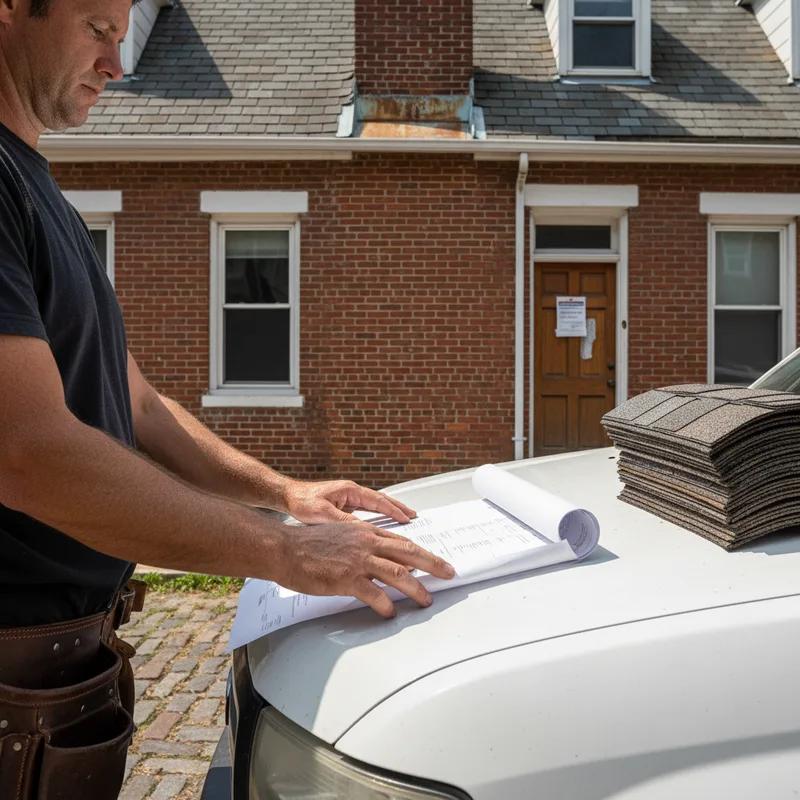
Also gather any pre-storm documentation you have: previous inspection reports, receipts for past repairs, and photos of your roof in good condition. Many Philadelphia homeowners overlook this step, but a clear before-and-after comparison is one of the most persuasive tools you can bring to an adjuster. If you have a home inspection report from when you purchased the property, dig that out as well.
Finally, check local weather records or apps like Weather.com to download storm data confirming the date, wind speeds, and hail size for your ZIP code. This third-party verification prevents insurers from disputing whether a qualifying weather event actually occurred.