Roofing a Historic Home in Philadelphia: Rules, Materials, and Finding the Right Contractor

A guide to roofing historic properties in Philadelphia: Historical Commission rules, approved materials, balancing authenticity with performance, and finding experienced contractors.

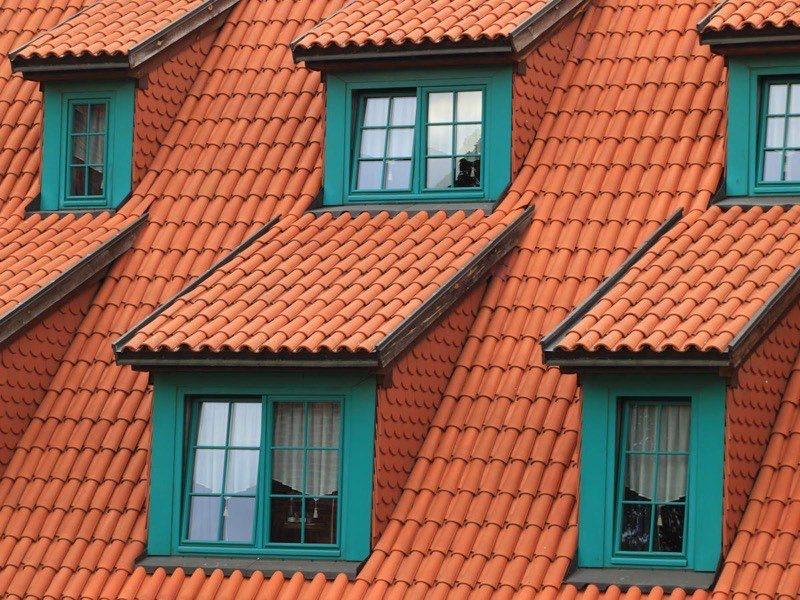
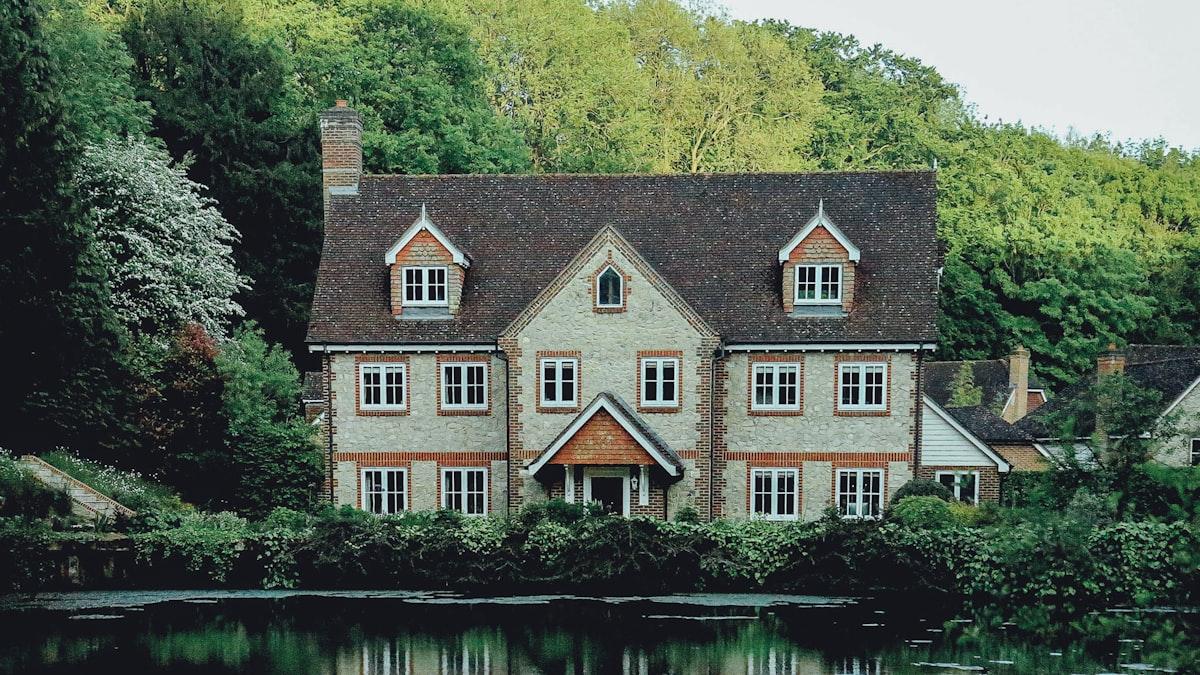
Historic Philadelphia brownstone architecture with detailed roofline

Historic roofing balances preservation requirements with modern performance needs.

James Callahan
Published January 18, 2026·Updated January 28, 2026
1

Philadelphia Historical Commission overview: what triggers review

The Philadelphia Historical Commission (PHC) is the city body responsible for identifying and protecting historically significant buildings. If your property falls under their jurisdiction, roofing projects may require approval before work can begin.

Properties subject to Historical Commission review:

  • Buildings individually listed on the Philadelphia Register of Historic Places
  • Properties located within a designated local historic district (there are currently over a dozen in Philadelphia, including Society Hill, Rittenhouse-Fitler, Old City, and portions of Germantown and Chestnut Hill)
  • Contributing buildings within National Register historic districts may also be subject to review

What triggers the review process:

  • Changing visible roofing materials (e.g., replacing slate with shingles)
  • Adding features visible from the public right-of-way (skylights, dormers, roof decks)
  • Altering the roofline profile or height
  • Demolishing or significantly modifying original architectural features

What does NOT typically trigger review:

  • In-kind replacement (replacing slate with slate, same color and profile)
  • Repairs to non-visible roof areas (flat roof sections behind parapets that cannot be seen from the street)
  • Interior work that does not affect the exterior appearance

The first step for any historic property owner is to determine whether your property is designated or located in a historic district. The PHC website and staff can help you confirm your property's status before you invest in contractor estimates.


Urban cityscape with commercial buildings
Urban environments present unique roofing challenges.

2

Approved materials and the Certificate of Appropriateness

When Historical Commission review is required, you must obtain a Certificate of Appropriateness (COA) before applying for an L&I building permit. This certificate confirms that your proposed materials and methods are consistent with the historic character of the property.

Commonly approved roofing materials in historic districts:

  • Natural slate: Almost always approved as an in-kind replacement and the preferred material for visible pitched roofs in historic districts
  • Standing-seam metal: Historically appropriate for many Philadelphia building styles, particularly Federal, Victorian, and early 20th-century commercial buildings
  • Flat roof membranes: Generally approved for non-visible flat roof areas, as the membrane is not seen from the street
  • Synthetic slate: Some products have been approved as alternatives, but approval varies by district and building
  • Architectural shingles: May be approved in some contexts, particularly for less prominent roof sections, but are frequently rejected for primary visible rooflines

The COA application process:

  • Submit an application describing the proposed work, materials, and appearance
  • Include photographs of existing conditions and any deterioration
  • Provide material samples or manufacturer specifications for proposed replacements
  • Staff-level approvals may be granted for straightforward in-kind replacements
  • Material changes or additions visible from the street typically require a full committee or commission hearing

Timeline expectations:

  • Staff-level review: typically 2-4 weeks
  • Committee/commission review: may take 4-8 weeks or more, depending on meeting schedules and application completeness
Person signing a professional contract document
Clear payment terms protect both homeowner and contractor.

3

Balancing authenticity with modern performance

One of the biggest challenges in historic roofing is finding the right balance between preserving the building's historic character and incorporating modern performance improvements.

Where modern upgrades are usually acceptable:

  • Underlayment: Modern synthetic underlayment and ice-and-water shield can be installed beneath historic-looking surface materials, dramatically improving waterproofing without affecting appearance
  • Flashing: Modern flashing materials (copper, lead-coated copper, or high-quality aluminum) can replace deteriorated originals while maintaining visual consistency
  • Insulation: Adding insulation above or below the roof deck can improve energy performance without changing the exterior appearance
  • Flat roof areas: Non-visible flat sections behind parapets can use any modern membrane system

Where preservation standards apply strictly:

  • Visible roofing material on pitched sections (the Historical Commission will evaluate material, color, profile, and pattern)
  • Decorative elements like cresting, finials, snow guards, and copper gutters
  • Roofline profile and pitch (cannot be altered without significant justification)

Practical compromise strategies:

  • Use natural slate on street-facing visible slopes and a more cost-effective material on rear or non-visible sections (if the Commission approves)
  • Install modern ventilation improvements from inside the attic rather than adding visible exterior vents
  • Upgrade drainage systems at non-visible locations while preserving historic gutter profiles where they are visible

The key is working with both the Historical Commission and your contractor to find solutions that respect the building's character while delivering reliable, long-lasting performance.

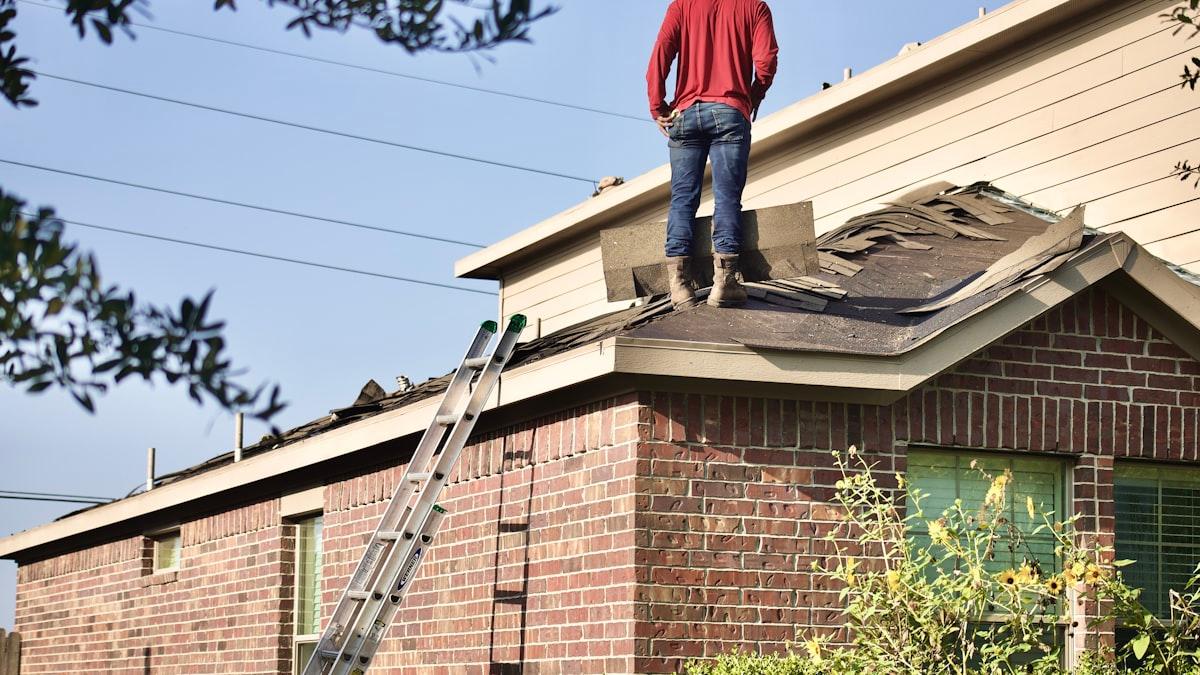
Close-up of quality roof shingles and tiles
Material quality matters, but installation quality matters more.

4

Finding contractors with historic roofing experience

Historic roofing requires specialized skills that not every contractor possesses. Choosing the wrong contractor can result in rejected permit applications, improper installations, and damage to irreplaceable historic materials.

What to look for in a historic roofing contractor:

  • Demonstrated experience with projects in Philadelphia historic districts (ask for specific addresses and project references)
  • Familiarity with the PHC application and approval process
  • Experience working with slate, standing-seam metal, or other historically appropriate materials
  • Knowledge of traditional installation methods as well as modern best practices
  • Willingness to coordinate with the Historical Commission on material approvals

Questions to ask during the bidding process:

  • "Have you completed roofing projects in designated historic districts in Philadelphia? Which ones?"
  • "Will you handle the Certificate of Appropriateness application, or do I need to manage that separately?"
  • "Can you provide references from historic property owners?"
  • "How do you handle unexpected conditions when working with older roof structures?"

Where to find qualified contractors:

  • The Philadelphia Historical Commission may be able to provide general guidance (though they do not endorse specific contractors)
  • Preservation Alliance for Greater Philadelphia can be a resource
  • Recommendations from owners of other historic properties in your district
  • National organizations like the National Trust for Historic Preservation maintain contractor directories

Expect to pay a premium for genuine historic expertise. Contractors who understand preservation standards, can navigate the approval process, and have the skills to work with traditional materials deliver value that justifies the additional cost.

Professional handshake between contractor and client
A trustworthy contractor welcomes questions and provides documentation.

5

Costs and timelines for historic roofing projects

Historic roofing projects typically cost more and take longer than standard residential roofing. Understanding these realities upfront helps you plan effectively and avoid frustration.

Cost factors unique to historic projects:

  • Material premiums: Natural slate can cost 3-5 times more than architectural shingles. Standing-seam copper is even more expensive. Even salvaged or recycled slate carries a premium.
  • Labor intensity: Working with slate and traditional metal requires specialized skills and slower, more careful installation
  • Scaffolding and access: Historic buildings often have complex facades and ornamentation that require more elaborate scaffolding and protection measures
  • Application and review fees: Certificate of Appropriateness application fees and any required professional documentation add to project costs
  • Structural repairs: Older buildings may require framing repairs or reinforcement to support heavy materials like slate

Timeline expectations:

  • Historical Commission review and approval: 2-8 weeks depending on complexity
  • L&I permit processing (after COA approval): 1-3 weeks
  • Material sourcing (especially for matching existing slate): 2-6 weeks, sometimes longer for specialty materials
  • Installation: Varies by scope, but expect longer timelines than standard roofing due to the precision required

Budgeting recommendations:

  • Plan a contingency budget of 15-20% above the contractor's estimate for unexpected conditions common in older buildings
  • Get estimates from at least three contractors with demonstrated historic experience
  • Ask about phased approaches if the full scope exceeds your current budget (some work can be prioritized)
  • Investigate historic preservation tax credits that may offset a portion of the cost for eligible properties
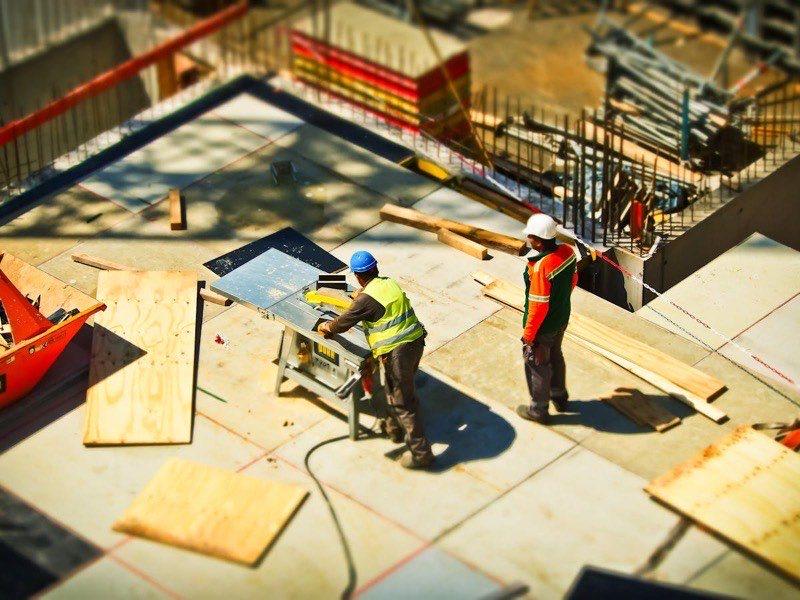
Active construction site with building materials
Quality roofing requires proper staging and material handling.

6

Common mistakes to avoid on historic roofing projects

Learning from others' mistakes is far less expensive than making your own. These are the most common pitfalls Philadelphia homeowners encounter on historic roofing projects.

Mistake 1: Starting work before obtaining approvals

Beginning work without a Certificate of Appropriateness can result in stop-work orders, fines, and potentially being required to remove non-approved materials and start over. Always secure all approvals before your contractor starts.

Mistake 2: Hiring a contractor without historic experience

Standard roofing contractors may not understand PHC requirements, leading to rejected applications, improper material choices, and installation methods that damage original features. The cheapest bid is rarely the best value on a historic project.

Mistake 3: Replacing repairable materials unnecessarily

Natural slate and standing-seam metal often last far longer than people assume. A roof that needs targeted repairs (replacing broken slates, resoldering seams) may not need full replacement. An experienced contractor can assess whether repair or selective replacement is more appropriate.

Mistake 4: Ignoring non-visible improvements

While the Historical Commission focuses on visible elements, non-visible improvements (underlayment upgrades, flashing, insulation, ventilation) are critical for performance. Don't spend all your budget on visible materials while neglecting the waterproofing system underneath.

Mistake 5: Not documenting existing conditions

Before any work begins, thoroughly photograph and document existing roofing materials, details, and conditions. This documentation is valuable for the COA application, for the contractor's planning, and as a reference if disputes arise later.

Mistake 6: Assuming the cheapest "historic-look" material will be approved

Synthetic and composite materials are improving rapidly, but the Historical Commission evaluates each product individually. Don't assume a material will be approved—verify with PHC staff before purchasing materials or signing a contract based on a specific product.

To-do checklist on a desk
A systematic approach helps ensure nothing is overlooked.

Sources & References

  1. Philadelphia Historical Commission – Design Guidelines for Roofing
  2. National Park Service – Preservation Brief 4: Roofing for Historic Buildings
  3. Secretary of the Interior Standards for Rehabilitation
  4. Philadelphia Historical Commission – Local Historic Districts Map
James Callahan
Founder & Editor, Philly Roof Find

James founded Philly Roof Find to give Philadelphia homeowners a transparent, independent resource for evaluating roofing contractors. With a background in building trades and a focus on local construction practices, he writes practical guides grounded in Philadelphia-specific building codes, materials, and contractor standards.