Philadelphia climate challenges for roofing materials
Philadelphia's climate is demanding on roofing materials in ways that set it apart from many other regions. Understanding these stresses helps explain why some materials thrive here while others underperform.
Freeze-thaw cycling: Philadelphia typically experiences 50-80 freeze-thaw cycles per winter. Water that seeps into small cracks or under shingle edges expands when it freezes, widening gaps and accelerating deterioration. Materials that resist moisture absorption handle this stress far better.
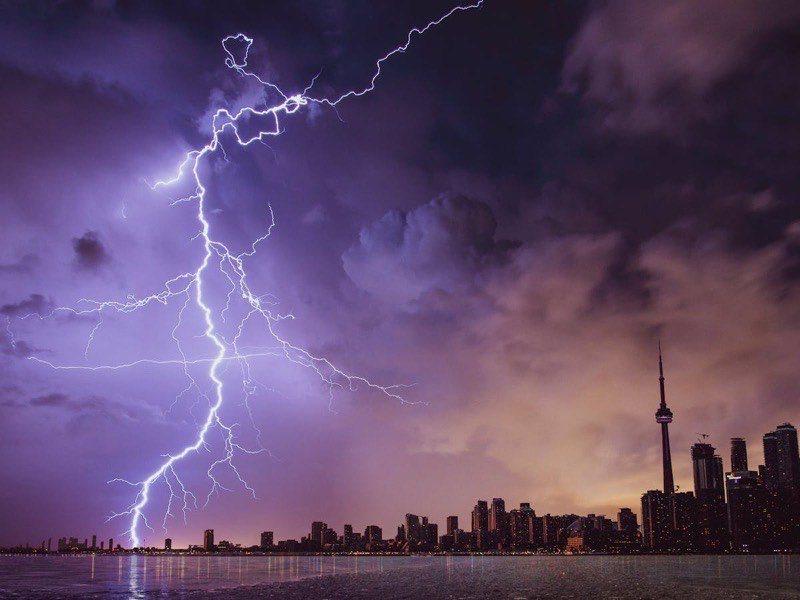
Nor'easters and high winds: Coastal storms bring sustained high winds and driving rain. Roofing materials need strong wind resistance ratings and secure fastening methods. Poorly attached shingles and improperly adhered membranes are vulnerable to blow-off.
Summer heat and UV exposure: Philadelphia summers regularly bring temperatures above 90 degrees with intense UV exposure. Dark-colored materials absorb significant heat, accelerating chemical breakdown of asphalt-based products and sealants.
Heavy rainfall: The Philadelphia region averages around 47 inches of rain annually. Drainage design and waterproofing integrity are not optional—they are essential. Low-slope roofs are especially vulnerable if drainage is compromised even slightly.
The "best" roofing material is the one that handles all of these stresses while matching your roof's geometry, your budget, and your maintenance commitment.