Energy-Efficient Roofing in Philadelphia: Cool Roofs, Insulation, and Tax Credits

A practical guide to energy-efficient roofing for Philadelphia homeowners: cool roof systems, insulation upgrades, energy codes, federal tax credits, and calculating ROI.

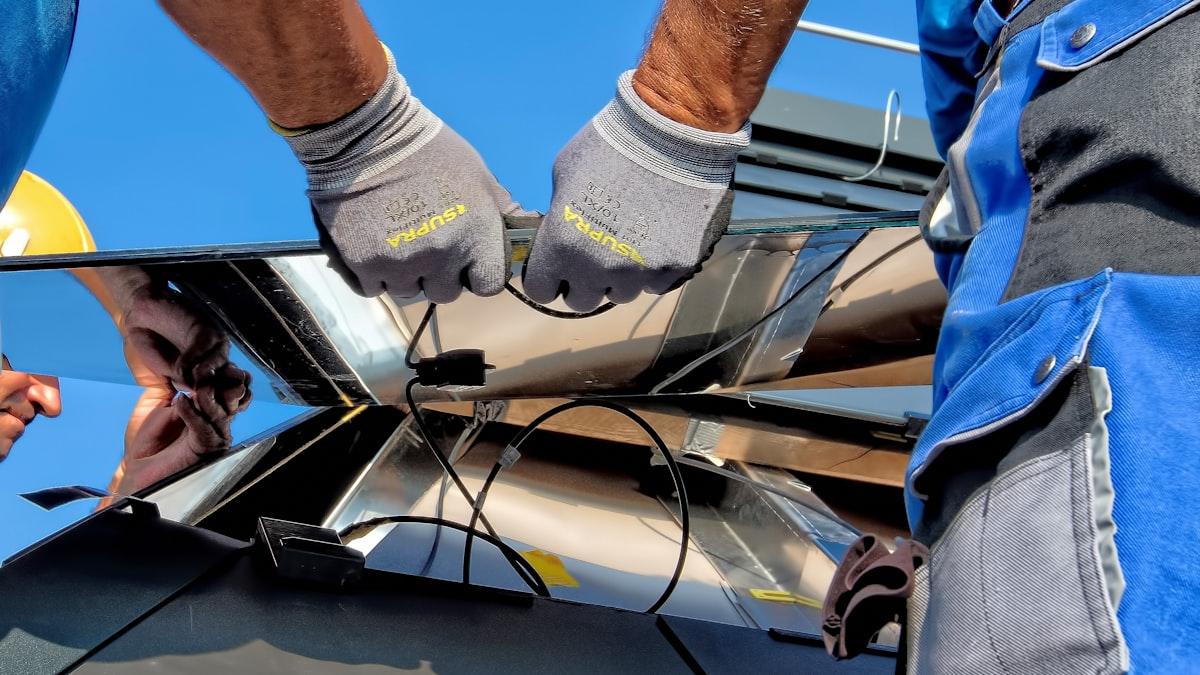
Modern energy-efficient roofing installation with reflective membrane

Energy-efficient roofing reduces costs and can qualify for tax credits.

James Callahan
Published January 21, 2026·Updated January 31, 2026
1

Energy efficiency concepts for roofs: heat transfer, R-value, and reflectivity

Understanding a few basic concepts helps you evaluate energy-efficient roofing options and have informed conversations with contractors.

How roofs affect energy use:

Your roof is one of the largest surfaces exposed to the elements. In summer, it absorbs solar radiation and transfers heat into your home. In winter, it is a major pathway for heat loss from your living space to the outdoors. Improving your roof's energy performance addresses both of these challenges.

R-value (thermal resistance):

  • R-value measures how well a material resists heat flow—higher numbers mean better insulation
  • Philadelphia falls in Climate Zone 4A, where the International Energy Conservation Code recommends roof insulation values of R-38 to R-49 for residential buildings
  • Many older Philadelphia homes have far less insulation than current code requires, meaning even modest upgrades can produce noticeable energy savings

Solar reflectance and thermal emittance:

  • Solar reflectance measures how much sunlight a roof surface reflects (higher is cooler)
  • Thermal emittance measures how efficiently a roof radiates absorbed heat back into the atmosphere (higher means the roof cools down faster)
  • Together, these properties determine the Solar Reflectance Index (SRI), which is used by energy codes and incentive programs to rate cool roof performance

The stack effect in row homes:

Philadelphia row homes are particularly affected by the "stack effect"—warm air rising through the building and escaping through the roof. This makes attic insulation and air sealing especially impactful for row home energy performance. Addressing the roof and attic together often produces better results than either improvement alone.
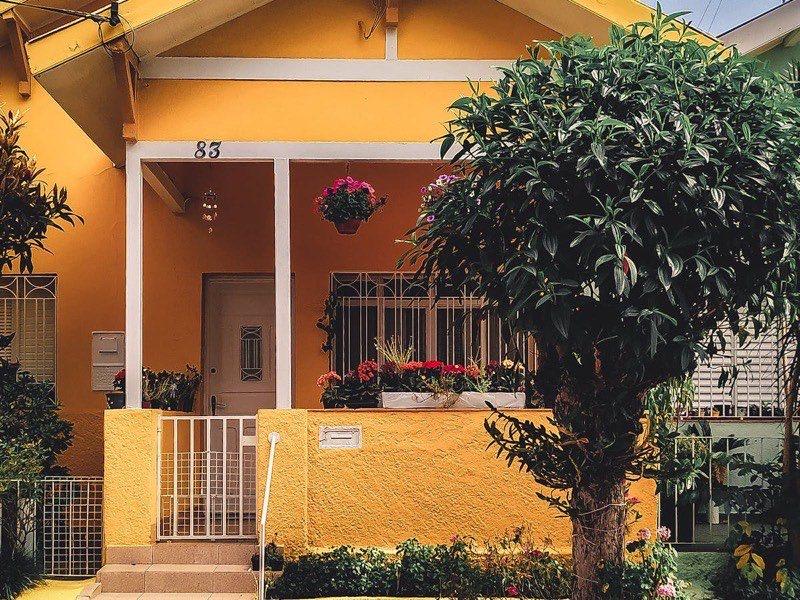
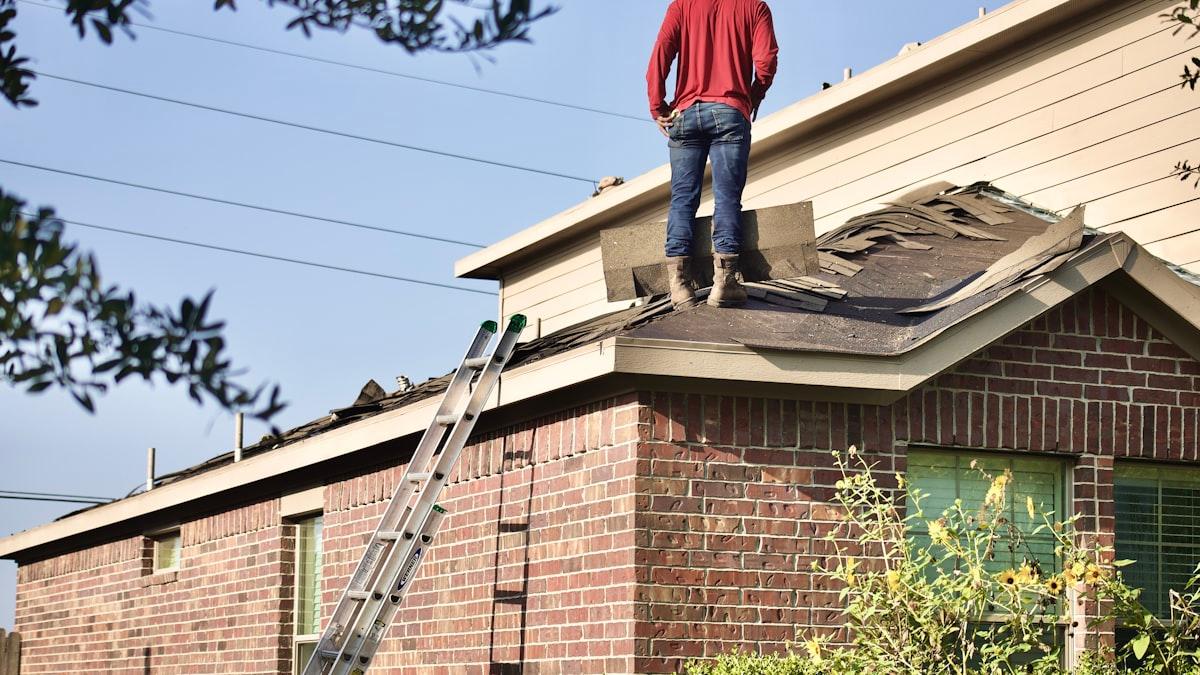
Detailed view of a residential roof
Regular inspections help catch problems early.

2

Cool roof systems: reflective membranes, coated roofs, and light-colored shingles

Cool roofing technology reduces the amount of heat your roof absorbs from the sun. In Philadelphia's hot, humid summers, this can meaningfully reduce air conditioning costs and improve indoor comfort.

Reflective single-ply membranes (TPO and PVC):

  • White or light-colored TPO and PVC membranes are inherently reflective, with initial solar reflectance values of 0.70-0.85
  • Ideal for flat and low-slope roofs common on Philadelphia row homes and commercial buildings
  • Heat-welded seams provide strong waterproofing while maintaining reflective properties across the entire surface
  • Reflectance does decrease over time as the membrane ages and accumulates dirt, but periodic cleaning can restore much of the performance

Roof coatings over existing membranes:

  • Elastomeric and silicone roof coatings can be applied over existing flat roofs to add reflectivity
  • Cost-effective option for roofs that are structurally sound but lack energy-efficient properties
  • Typical reflectance improvement of 50-70% over dark, uncoated roofing
  • Coatings must be applied to properly prepared surfaces—prep quality determines longevity

Cool-colored and reflective shingles:

  • Several manufacturers now offer asphalt shingles with reflective granules that maintain a traditional appearance while reflecting more solar energy
  • Available in a range of colors (not just white), making them suitable for neighborhoods and historic areas where appearance matters
  • ENERGY STAR-rated shingles must meet minimum reflectance thresholds
  • The energy savings from cool shingles are more modest than from cool membranes, but they still contribute to reduced cooling costs

Is a cool roof right for your situation?

Cool roofs provide the greatest benefit on buildings with high cooling loads—particularly flat-roofed row homes and commercial buildings without significant shade. If your roof is heavily shaded by trees or taller buildings, the energy benefit will be smaller, and insulation upgrades may deliver a better return on investment.

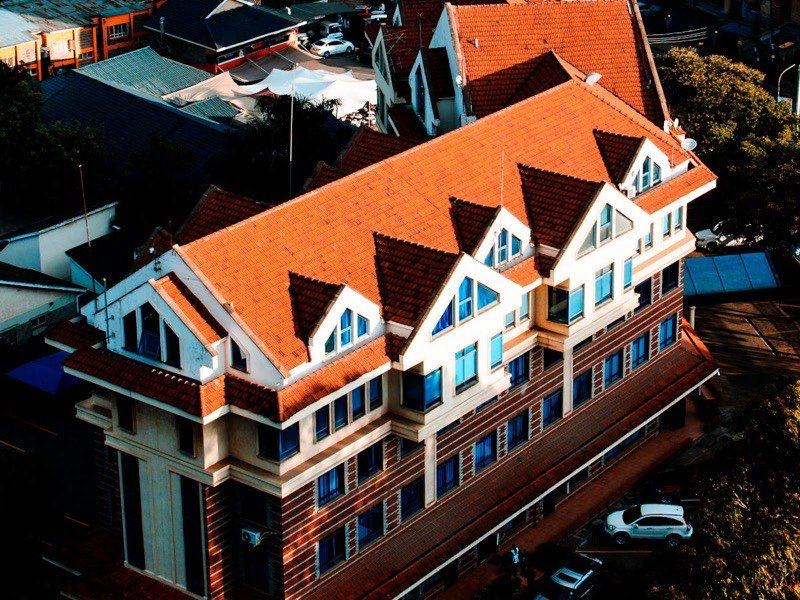
Aerial view of commercial building with flat roof drainage system
Low-slope roofs need positive drainage (even "flat" roofs are sloped).

3

Insulation upgrades: types, R-value requirements, and Philadelphia specifics

Insulation is often the most impactful energy upgrade you can make during a roofing project. Adding or improving insulation at the time of roof replacement is significantly more cost-effective than doing it as a separate project later.

Common insulation types used in Philadelphia roofing:

  • Polyisocyanurate (polyiso) rigid board: The most common above-deck insulation for flat roofs. R-value of approximately 5.7 per inch (note: performance decreases slightly in cold temperatures). Available in tapered configurations to improve drainage.
  • Expanded polystyrene (EPS): Another rigid board option, typically less expensive than polyiso. R-value of approximately 3.8-4.4 per inch. Consistent performance across temperature ranges.
  • Extruded polystyrene (XPS): R-value of approximately 5.0 per inch. Good moisture resistance. Often used in protected membrane roof assemblies.
  • Spray foam (closed-cell): R-value of approximately 6.5 per inch. Excellent air sealing properties. Commonly used in attic applications and cathedral ceiling assemblies.
  • Fiberglass and cellulose: Traditional attic insulation materials. Cost-effective for accessible attic spaces. R-values of approximately 2.2-3.8 per inch depending on type and density.

Philadelphia code requirements:

  • Philadelphia follows the International Energy Conservation Code (IECC), which requires minimum R-38 attic insulation and R-20 continuous or R-13 + R-10 continuous for roof assemblies in new construction and significant renovations
  • When more than 50% of the roof is being replaced, energy code upgrades may be triggered
  • Your contractor should be able to explain which insulation requirements apply to your specific project

Practical considerations for existing homes:

  • Many older Philadelphia homes have little or no roof insulation—even adding partial upgrades produces significant energy savings
  • Insulation must be paired with proper air sealing and ventilation to prevent moisture problems
  • Above-deck insulation on flat roofs can be added during membrane replacement without affecting interior spaces
  • Attic insulation in pitched-roof homes can often be improved from inside without touching the roof itself
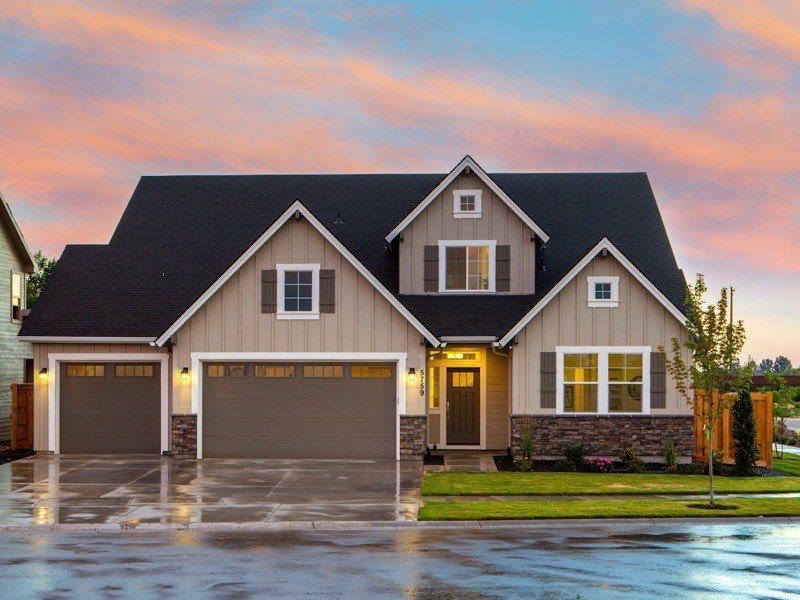
Beautiful residential home showing roof ventilation and construction
Ventilation reduces moisture and heat buildup, improving roof lifespan.

4

Energy codes and tax credits: Philadelphia requirements and federal incentives

Understanding applicable energy codes and available tax credits can save you money and ensure your project meets current standards.

Philadelphia Energy Code:

  • Philadelphia has adopted the International Energy Conservation Code (IECC) with local amendments
  • Commercial buildings (including multi-family residential with 4+ units) have more stringent cool roof and insulation requirements
  • New construction and major renovations must demonstrate compliance with energy code through the permit process
  • For residential roof replacements, the extent of energy code applicability depends on the scope of the project—your contractor and the L&I plan reviewer can clarify requirements

Federal tax credits under the Inflation Reduction Act (IRA):

  • The Energy Efficient Home Improvement Credit (Section 25C) provides a tax credit for qualifying roofing improvements
  • Qualifying improvements include: ENERGY STAR-certified roof products (metal roofing and asphalt shingles meeting reflectance criteria), insulation meeting IECC prescriptive requirements
  • Credit amount: 30% of the cost of qualifying improvements, up to annual limits (check current IRS guidance for the latest figures)
  • Important distinctions: The credit applies to the cost of the qualifying material and installation labor. Not all components of a roofing project qualify—the reflective roofing product or insulation must meet specific standards

How to claim the credit:

  • Keep all receipts and manufacturer certifications showing the product meets ENERGY STAR or relevant efficiency standards
  • Ask your contractor to provide product specification sheets that document qualifying performance ratings
  • Claim the credit on your federal tax return (IRS Form 5695)
  • Consult with a tax professional for guidance specific to your situation

State and local incentives:

  • PECO (Philadelphia's electric utility) periodically offers rebates for energy-efficient home improvements, including insulation upgrades
  • Check the DSIRE database (Database of State Incentives for Renewables and Efficiency) for current Pennsylvania and Philadelphia programs
  • Some programs have income-based eligibility or limited funding, so apply early when programs are announced
Person signing a professional contract document
Clear payment terms protect both homeowner and contractor.

5

ROI calculations: energy savings vs. cost premiums

The ultimate question for most homeowners is whether energy-efficient roofing improvements pay for themselves. The answer depends on your specific situation, but here is a framework for evaluating the investment.

Factors that determine ROI:

  • Current energy costs: Higher utility bills mean faster payback from efficiency improvements
  • Current insulation levels: Homes with little or no existing insulation see the largest percentage improvement from upgrades
  • Roof type and exposure: Flat roofs with full sun exposure benefit most from cool roof technology
  • Building size and HVAC efficiency: Larger buildings and older HVAC systems produce larger absolute savings
  • Cost premium: The additional cost of efficient materials compared to standard alternatives determines the payback period

Typical energy savings estimates for Philadelphia homes:

  • Cool roof membrane on a flat-roofed row home: 10-25% reduction in summer cooling costs
  • Adding R-30 insulation to an uninsulated flat roof: 15-30% reduction in heating and cooling costs combined
  • Reflective shingles on a pitched roof: 5-15% reduction in summer cooling costs
  • Comprehensive upgrade (insulation + cool roof + air sealing): 20-40% reduction in total HVAC energy costs

Payback period examples:

  • Adding polyiso insulation during a flat roof replacement (incremental cost only): Often 3-7 years through energy savings alone
  • Choosing a reflective TPO membrane over a dark EPDM membrane: The cost difference is modest and payback is typically 2-5 years
  • Cool-rated shingles vs. standard shingles: Minimal cost premium, making this an easy upgrade with fast payback
  • Full insulation + cool roof upgrade: 5-12 years payback, shorter when combined with available tax credits

Beyond direct energy savings:

  • Improved indoor comfort (fewer hot spots, more consistent temperatures)
  • Reduced strain on HVAC equipment, potentially extending its service life
  • Increased home resale value as energy efficiency becomes a more prominent buyer consideration
  • Contribution to reducing urban heat island effects in Philadelphia

When evaluating quotes, ask your contractor to separate the cost of standard materials from the cost of energy-efficient upgrades. This allows you to calculate the true incremental investment and make an informed decision.

Business professionals discussing contract details
Take time to compare estimates before making decisions.

Sources & References

  1. U.S. Department of Energy – Cool Roof Fact Sheet
  2. ENERGY STAR – Roof Products Program
  3. Cool Roof Rating Council – Product Directory
  4. IRS – Energy Efficient Home Improvement Credit (25C)
  5. Philadelphia Energy Code – Commercial and Residential Requirements
James Callahan
Founder & Editor, Philly Roof Find

James founded Philly Roof Find to give Philadelphia homeowners a transparent, independent resource for evaluating roofing contractors. With a background in building trades and a focus on local construction practices, he writes practical guides grounded in Philadelphia-specific building codes, materials, and contractor standards.