Flat Roofs vs. Shingles for Philly Row Homes: What Actually Works

A detailed guide to flat/low-slope roofing vs shingles in Philadelphia row homes: materials, drainage, maintenance, and common failure points.

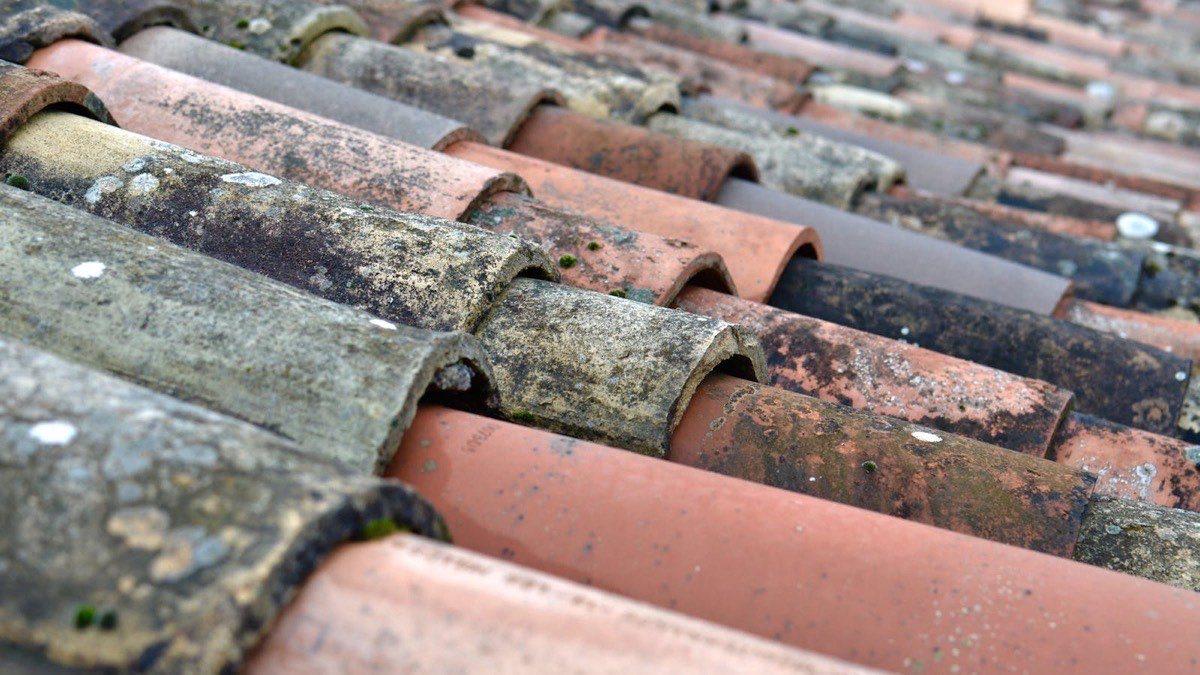
Close-up of quality roof tiles showing texture and installation

"Flat" roofs aren't actually flat—drainage details matter most.

James Callahan
Published December 20, 2025·Updated January 7, 2026
1

Why this decision is different in Philadelphia

Row homes and twins often feature low-slope roofs with parapet walls. These roof systems succeed or fail based on drainage design, flashing details, and membrane terminations—not just material selection.

If your home has both pitched and low-slope areas, you may need two different roofing systems working together. Don't let a contractor force a one-size-fits-all approach that doesn't match your home's architecture.

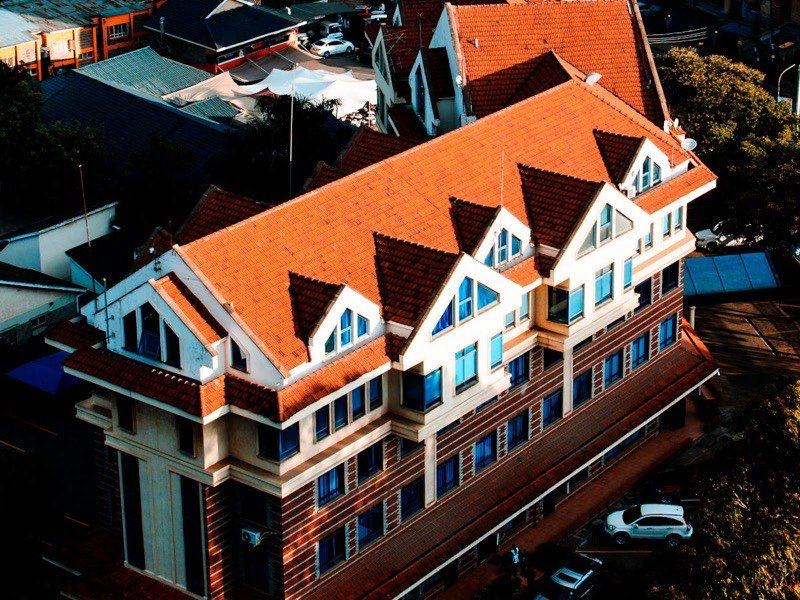
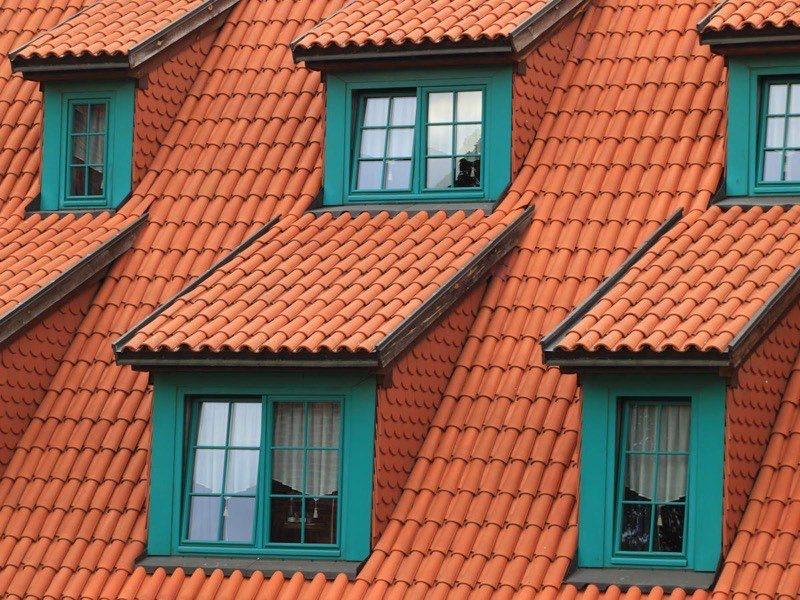
Philadelphia-style brick row homes with varied rooflines
Row homes present unique access and staging challenges.

2

Low-slope systems: what you'll hear (and what it means)

Common low-slope roofing materials include:

  • Modified bitumen: Torch-down or cold-applied systems
  • EPDM: Rubber membrane roofing
  • TPO/PVC: Heat-welded single-ply membranes

Each system can perform well when installed correctly by an experienced crew. The "best" choice is often the one your contractor installs flawlessly with proper attention to details around drains, penetrations, and wall terminations.

Aerial view of commercial building with flat roof drainage system
Low-slope roofs need positive drainage (even "flat" roofs are sloped).

3

Shingles: great on pitch, risky on low slope

Shingles require adequate slope and proper ventilation to perform well. On very low-slope applications, shingles often fail prematurely because water drains too slowly, allowing moisture to work under the shingle edges.

If you're considering converting a roofline or adding pitch, discuss the full implications: framing requirements, ventilation strategy, and how water will be managed at all transitions between roof sections.

Close-up of quality roof shingles and tiles
Material quality matters, but installation quality matters more.

4

Maintenance: the truth homeowners need

Low-slope roofs require simple but consistent maintenance checks:

  • Clear debris from drains and scuppers regularly
  • Inspect flashing after major storms
  • Watch for ponding water that doesn't drain within 48 hours

Most roof leaks start small and grow over time. Catching issues early through regular observation can save thousands in repair costs.

Professional conducting a building inspection
Professional inspections provide objective condition assessments.

5

How to evaluate a contractor's plan

Ask two essential questions: "Where does the water go?" and "How are you terminating the membrane at the parapet wall?"

If a contractor cannot explain drainage paths and termination details clearly and confidently, you're likely paying for a future leak. A professional should be able to walk you through their approach without hesitation.

Detailed view of a residential roof showing flashing and shingle details
Most "mystery leaks" are flashing or drainage problems—not bad shingles.

Sources & References

  1. National Roofing Contractors Association (NRCA) – Low-Slope Roofing Materials Guide
  2. ASTM International – Standards for Roofing Membranes
  3. Philadelphia Historical Commission – Roofing Guidelines
James Callahan
Founder & Editor, Philly Roof Find

James founded Philly Roof Find to give Philadelphia homeowners a transparent, independent resource for evaluating roofing contractors. With a background in building trades and a focus on local construction practices, he writes practical guides grounded in Philadelphia-specific building codes, materials, and contractor standards.