Metal Roofing in Philadelphia: Costs, Types, and Pros & Cons

A comprehensive guide to metal roofing for Philadelphia homeowners: standing seam vs. metal shingles vs. corrugated, costs, pros and cons for the Philly climate, historic district rules, and finding a qualified installer.

Standing seam metal roof on a residential building

Metal roofs offer exceptional longevity but require specialized installation.

James Callahan
Published February 1, 2026·Updated February 1, 2026
1

Types of metal roofing

Metal roofing isn't one product—it's a category with distinct options, each suited to different budgets and aesthetics.

Standing seam:

  • Raised interlocking seams run vertically from ridge to eave. The seams are the defining visual feature
  • Panels are typically steel or aluminum, available in a wide range of factory-applied colors
  • Concealed fastener system means no exposed screws or nails—reducing leak potential and improving longevity
  • Best for: homeowners who want a modern, clean-lined look and maximum durability

Metal shingles:

  • Stamped metal panels designed to mimic the appearance of traditional shingles, slate, or tile
  • Lighter than real slate or tile, so they work on roof structures that can't support heavier materials
  • Available in steel, aluminum, or copper. Steel with stone-coated finish is the most common
  • Best for: homeowners who want metal's durability with a traditional roofline appearance

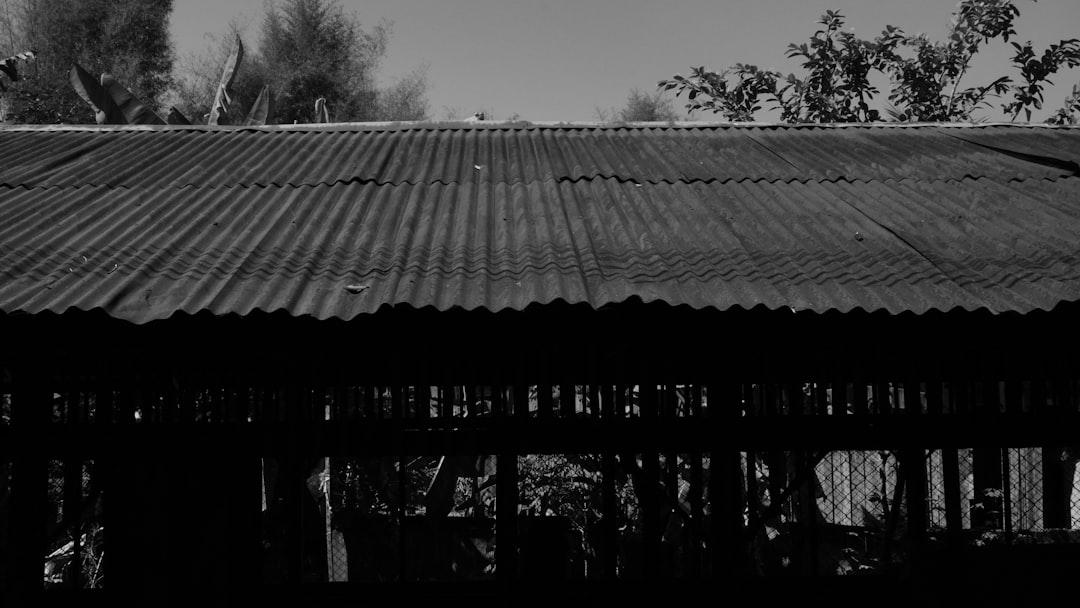
Corrugated metal:

  • Wavy or ribbed panels, typically galvanized steel or aluminum
  • The most affordable metal roofing option but also the most utilitarian in appearance
  • Uses exposed fasteners, which require periodic maintenance and are potential leak points over time
  • Best for: garages, sheds, additions, or homeowners with a budget priority who accept the industrial aesthetic
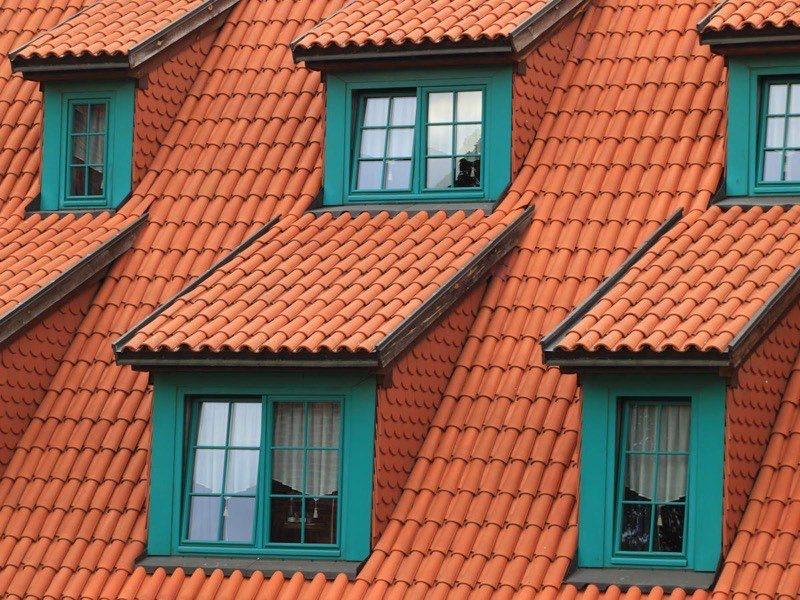
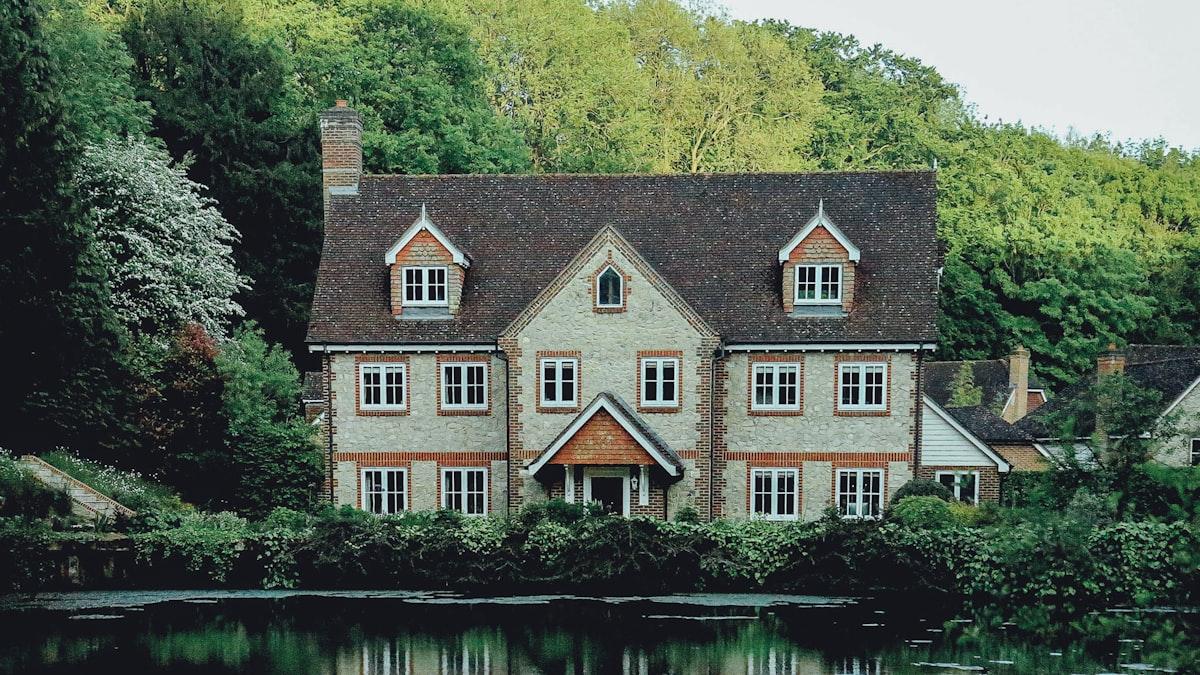
Close-up of quality roof shingles and tiles
Material quality matters, but installation quality matters more.

2

Metal roofing costs in Philadelphia

Metal roofing costs more upfront than asphalt shingles, but the lifecycle economics often favor metal for homeowners who plan to stay in their home.

Installed cost ranges (2025-2026, Philadelphia metro):

  • Standing seam steel: $10-$16 per square foot installed
  • Standing seam aluminum: $12-$20 per square foot installed
  • Metal shingles (stone-coated steel): $8-$14 per square foot installed
  • Corrugated steel panels: $5-$9 per square foot installed
  • Copper standing seam: $25-$40+ per square foot installed (premium material)

For a typical Philadelphia row home (1,000-1,500 sq ft roof area):

  • Standing seam steel: $10,000-$24,000
  • Metal shingles: $8,000-$21,000
  • Corrugated steel: $5,000-$13,500

What drives cost variation:

  • Panel gauge (thickness)—heavier gauge costs more but dents less
  • Paint system quality—Kynar/PVDF finishes hold color longer than standard polyester
  • Roof complexity—more penetrations, valleys, and angles increase labor time
  • Tear-off requirements—removing an existing roof before installation adds $1-$3 per square foot
  • Row home access challenges—limited staging area and shared walls can increase labor costs in Philadelphia
Quality roofing materials and supplies
Quality materials are only part of the equation—installation matters most.

3

Pros and cons for the Philadelphia climate

Philadelphia's climate—hot, humid summers and cold, wet winters with occasional heavy snow—creates specific advantages and considerations for metal roofing.

Advantages in the Philly climate:

  • Longevity: 40-70+ year lifespan vs. 20-30 years for asphalt shingles. Metal handles freeze-thaw cycles well
  • Snow shedding: Smooth metal surfaces shed snow and ice more readily than textured shingles, reducing ice dam risk
  • Wind resistance: Properly installed standing seam roofs withstand 110-140+ mph winds—important during nor'easters
  • Cool roof potential: Light-colored or reflective metal reduces summer cooling costs by reflecting solar heat
  • No moss or algae: Unlike asphalt shingles, metal surfaces don't support organic growth in humid conditions

Considerations and potential drawbacks:

  • Noise: Rain and hail are louder on metal. Proper underlayment and attic insulation mitigate this significantly
  • Thermal expansion: Metal panels expand and contract with temperature swings. Fastening systems must accommodate this movement
  • Denting: Hail can dent thinner-gauge panels. Heavier gauge (24-gauge steel minimum) resists denting better
  • Cost barrier: Higher upfront cost, even if lifecycle cost is lower. Not ideal if you plan to sell within 5-10 years
  • Condensation: In Philadelphia's humid climate, proper ventilation beneath the metal panels is critical to prevent condensation on the underside of the roof deck
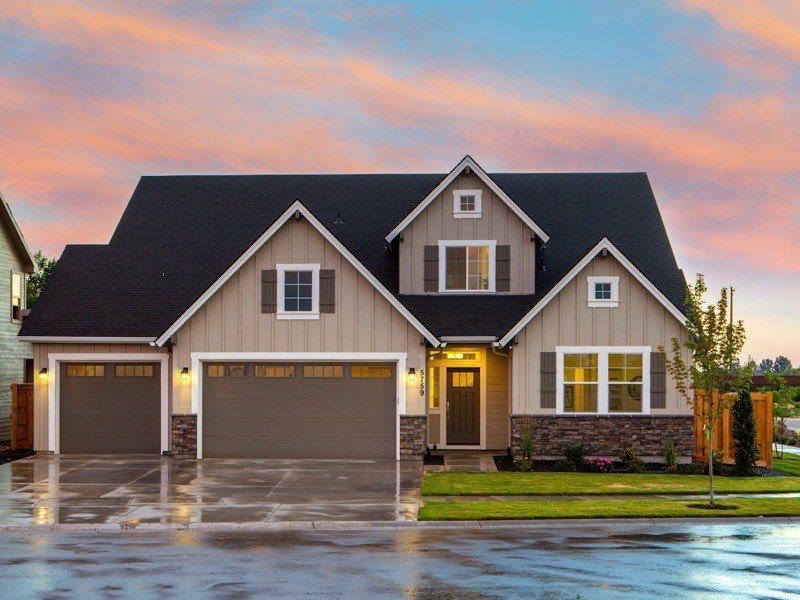
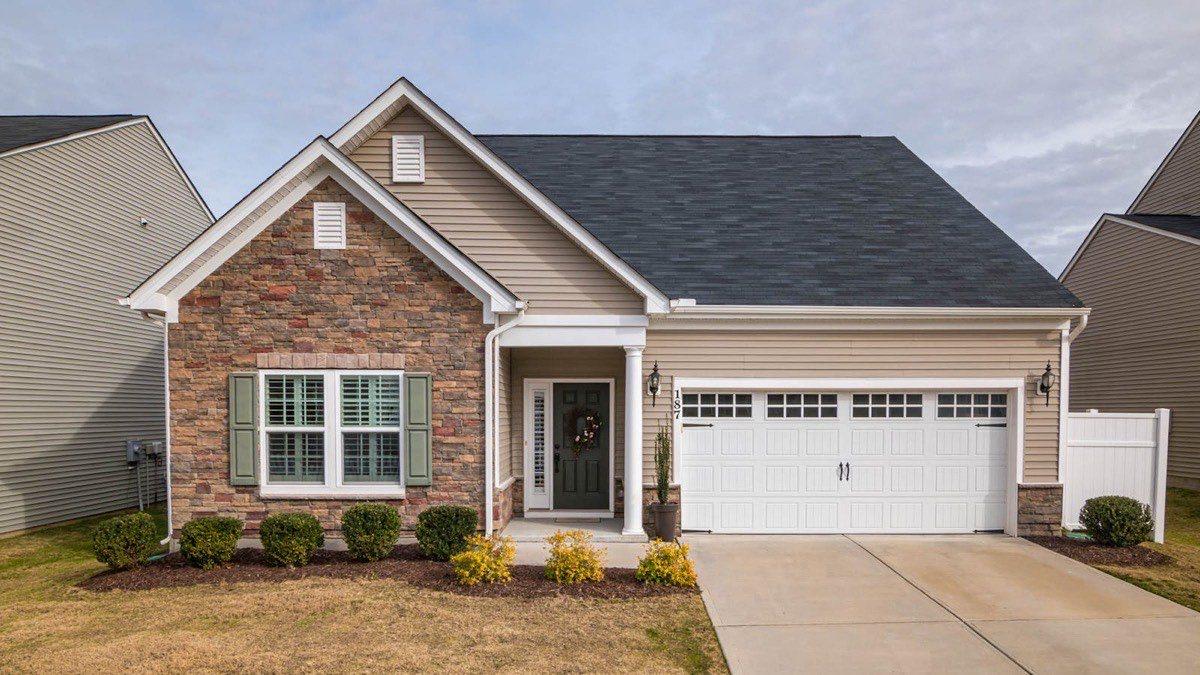
Beautiful residential home exterior
A well-maintained roof protects your home's value.

4

Metal roofing in Philadelphia historic districts

If your home is in a Philadelphia historic district or is individually listed on the Philadelphia Register of Historic Places, roofing changes require approval from the Philadelphia Historical Commission (PHC).

What the Historical Commission typically requires:

  • Materials that match the historic character of the building and the surrounding streetscape
  • Standing seam metal is often approvable for buildings that historically had metal roofs (many 19th-century Philadelphia buildings did)
  • Metal shingles that closely mimic the profile of original slate or tile may be approved as a replacement when original materials aren't feasible
  • Corrugated metal is generally not approved for visible roof surfaces in historic districts

Navigating the approval process:

  • Check whether your property is in a historic district using the PHC's online maps before planning any roof work
  • Apply for a review before purchasing materials or signing a contract. The review process takes time, and unapproved work can result in fines or required removal
  • Work with a contractor experienced in historic Philadelphia properties—they'll know what materials and profiles the commission is likely to approve
  • If your building originally had a metal roof, replacing in-kind (same material, same profile) is generally straightforward

Flat roofs on historic row homes:

Flat or low-slope roofs that aren't visible from the street typically have more flexibility in material choice, since the PHC focuses on visible character-defining features. Even in historic districts, TPO or EPDM on a flat roof section is usually acceptable.

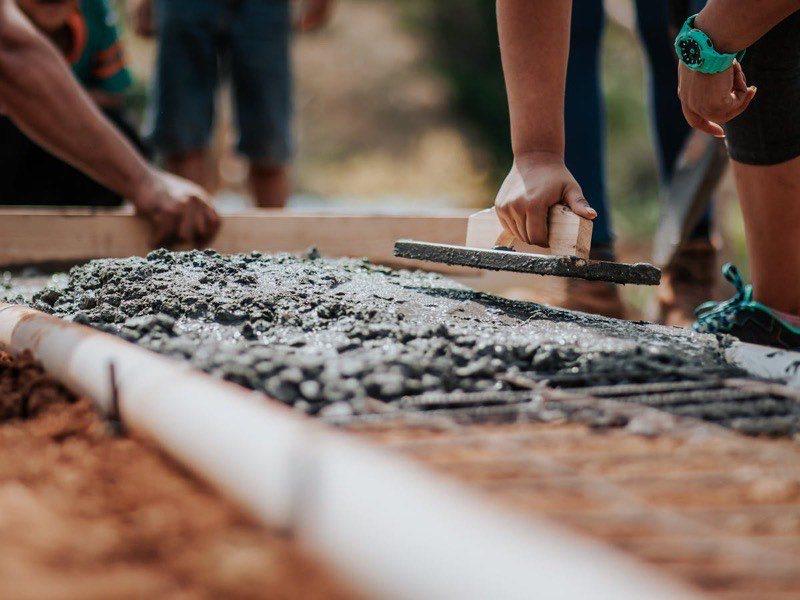
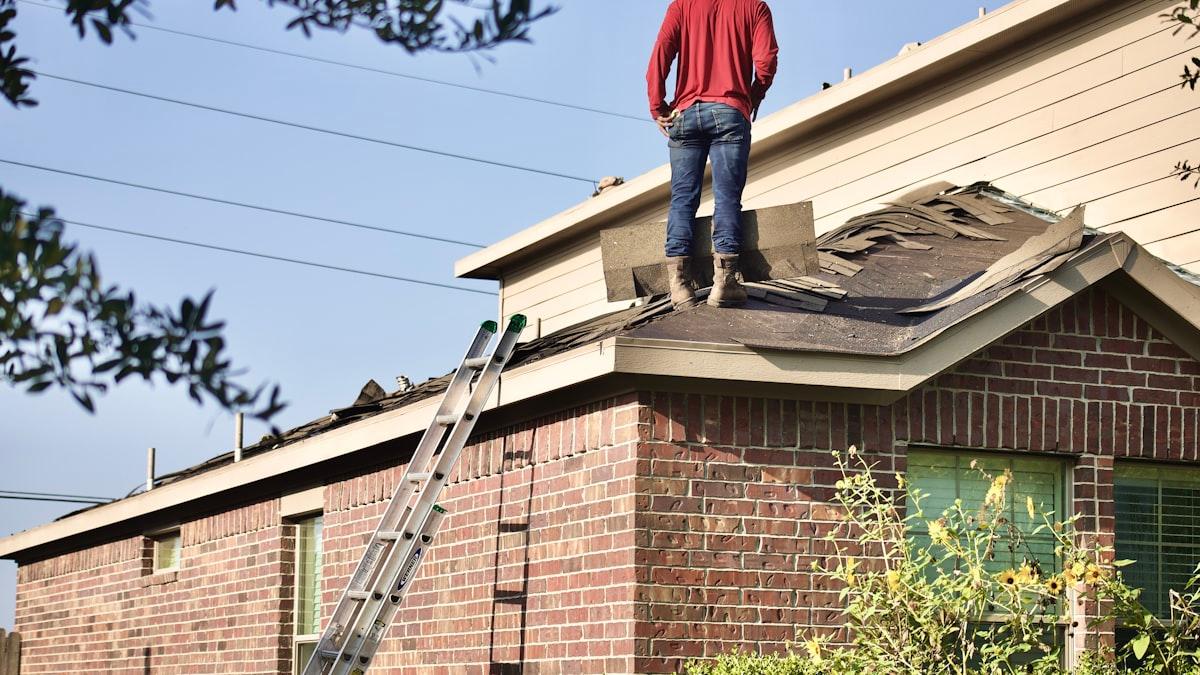
Construction worker wearing safety equipment
Professional roofers prioritize safety and proper equipment.

5

Finding a qualified metal roof contractor in Philadelphia

Metal roofing installation is a specialty. Not every roofer who installs asphalt shingles has the skills and equipment for metal.

What to look for in a metal roofing contractor:

  • Documented experience with metal roof installations—ask for project photos and references specific to metal work
  • Manufacturer certifications. Major metal roofing manufacturers (e.g., Sheffield Metals, Drexel Metals, Englert) certify installers who meet their training standards
  • Proper equipment—metal roofing requires specialized tools including seamers, brakes, and sometimes on-site panel forming machines
  • Familiarity with Philadelphia-specific conditions: row home party wall flashing, limited staging areas, and permit requirements

Red flags to watch for:

  • A contractor who primarily installs shingles but says they "also do metal." Metal installation is a different skill set
  • No manufacturer warranty offered on the panels. Reputable metal roof products come with 30-50 year paint warranties and lifetime substrate warranties
  • Unwillingness to provide a detailed written scope specifying gauge, finish type, underlayment, and flashing details
  • Significantly lower bids that may indicate thinner gauge panels, inferior paint systems, or shortcuts on flashing and trim

Getting quotes:

  • Get at least 3 written estimates from contractors with verifiable metal roofing experience
  • Ask each bidder to specify the panel manufacturer, gauge, finish system, and warranty terms
  • Compare apples to apples—a standing seam bid shouldn't be compared directly to a corrugated panel bid
Urban cityscape with commercial buildings
Urban environments present unique roofing challenges.

Sources & References

  1. Metal Roofing Alliance – Homeowner Resources
  2. Sheffield Metals – Standing Seam Metal Roofing Installation Guide
  3. Philadelphia Historical Commission – Guidelines for Exterior Alterations
  4. Oak Ridge National Laboratory – Cool Metal Roofing Performance Data
  5. National Roofing Contractors Association (NRCA) – Metal Roofing Systems Manual
James Callahan
Founder & Editor, Philly Roof Find

James founded Philly Roof Find to give Philadelphia homeowners a transparent, independent resource for evaluating roofing contractors. With a background in building trades and a focus on local construction practices, he writes practical guides grounded in Philadelphia-specific building codes, materials, and contractor standards.