Philadelphia Roofing Permits: What Homeowners Need to Know (2026 L&I Guide)

A comprehensive guide to roofing permits in Philadelphia: when you need one, how to apply through L&I, inspections, penalties for unpermitted work, and historic district considerations.

City hall and permit documents for Philadelphia roofing projects

Permits protect you—and skipping them can cost more than the permit fee.

James Callahan
Published January 10, 2026·Updated January 20, 2026
1

When is a roofing permit required in Philadelphia?

Not every roofing job requires a permit, but most significant projects do. Understanding where the line falls can save you from fines, failed inspections, and complications when you sell your home.

Permit typically required:

  • Full roof replacement (tear-off and re-roof)
  • Structural modifications to the roof deck or framing
  • Adding new penetrations (skylights, vents, HVAC curbs)
  • Converting a flat roof to a pitched roof or adding a roof deck

Permit usually not required:

  • Minor repairs to an existing roof (patching, resealing flashings)
  • Applying a roof coating over an existing membrane
  • Replacing a small number of damaged shingles

When in doubt, call Philadelphia Licenses & Inspections (L&I) directly. The call is free, and their guidance can prevent expensive problems. The key principle is straightforward: if you are changing the roof system or its structural components, you almost certainly need a permit.

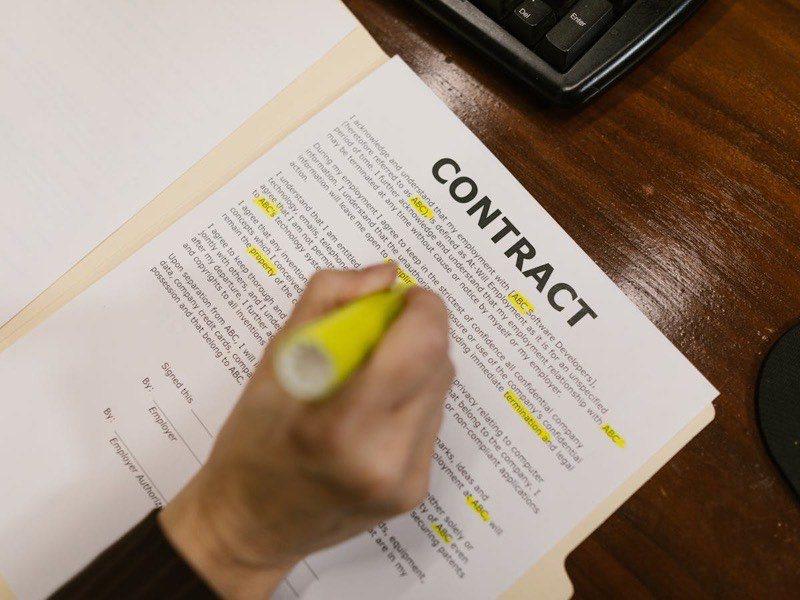
Person signing a professional contract document
Clear payment terms protect both homeowner and contractor.

2

How to apply for a roofing permit through L&I

Philadelphia has moved much of its permitting process online through the eCLIPSE portal, though some applications still require in-person visits to the Municipal Services Building.

The basic application process:

  • Create an eCLIPSE account at the Philadelphia L&I website if you don't already have one
  • Submit the application with a description of the work, the property address, and contractor information
  • Pay the permit fee, which varies based on the estimated project cost (typically a few hundred dollars for residential roofing)
  • Wait for review and approval before work begins—processing times vary but plan for 1-3 weeks for straightforward residential projects

What you will need:

  • Contractor's Philadelphia Commercial Activity License (CAL) number
  • Contractor's Pennsylvania Home Improvement Contractor (HIC) registration number
  • A description of the scope of work and materials being used
  • For larger or structural projects, engineered drawings may be required

Many reputable contractors handle the permit application as part of their service. If your contractor suggests skipping the permit to "save you money," treat that as a significant red flag about their professionalism and accountability.

Professional reviewing contract documents at a desk
Always get estimates in writing with detailed scope.

3

The inspection process: what happens after the permit is issued

Once your permit is approved and work begins, Philadelphia L&I requires inspections at specific stages to verify code compliance. For most residential roofing projects, the process is relatively straightforward.

Typical inspection stages:

  • Pre-work inspection (sometimes waived for simple re-roofs): Verifies existing conditions match the permit application
  • Progress inspection: May be required for structural work or multi-phase projects to verify framing, decking, and underlayment before the final roofing layer is installed
  • Final inspection: Confirms the completed work matches the permitted scope and meets Philadelphia building code requirements

Tips for a smooth inspection:

  • Schedule inspections promptly—your contractor should coordinate timing with L&I
  • Ensure the permit is posted visibly at the job site during all work
  • Keep the work area accessible so the inspector can evaluate all relevant details
  • Have the approved permit documents on-site for reference

Inspections exist to protect you as the homeowner. An inspector verifying that flashing, drainage, and materials meet code is a valuable quality check that costs you nothing beyond the original permit fee.

Professional conducting a building inspection
Professional inspections provide objective condition assessments.

4

Penalties for unpermitted roofing work

Skipping a required permit might seem like a shortcut, but the consequences can be far more expensive than the permit itself.

Potential penalties include:

  • Fines from L&I: Philadelphia can issue violations and fines for unpermitted construction work, and these fines can accumulate over time
  • Stop-work orders: If L&I discovers unpermitted work in progress, they can halt the project until permits are obtained, adding delays and costs
  • Required removal or correction: In some cases, unpermitted work must be partially or fully removed so that inspections can verify compliance—this means paying twice for the same work
  • Problems at sale: When you sell your home, title searches and buyer inspections often reveal unpermitted work, which can delay closing, reduce sale price, or kill deals entirely
  • Insurance complications: If roof damage occurs and your insurer discovers the roof was installed without required permits, claim disputes become much more likely

The permit fee for a typical residential roof replacement in Philadelphia is modest compared to any of these consequences. Think of it as inexpensive insurance that your project was done correctly and is fully documented.

Urban cityscape with commercial buildings
Urban environments present unique roofing challenges.

5

Contractor responsibilities: who should pull the permit?

In Pennsylvania, the contractor performing the work is typically responsible for obtaining the required permits. This is an important distinction that protects homeowners.

Why the contractor should pull the permit:

  • It ensures the contractor is properly licensed and registered with Philadelphia L&I
  • The contractor's license and insurance information are tied to the permit, creating accountability
  • If code violations are found during inspection, the contractor—not the homeowner—is responsible for corrections
  • It demonstrates that the contractor is familiar with local building codes and standard practices

Red flags to watch for:

  • A contractor who asks you to pull the permit yourself (this can shift liability to you)
  • A contractor who claims permits are unnecessary for a full replacement
  • A contractor who cannot provide their Philadelphia CAL number or PA HIC registration

Before signing a contract, confirm in writing that the contractor will obtain all required permits and that the permit fee is included in the project cost. This is standard practice for professional roofing companies operating in Philadelphia.

Professional handshake between contractor and client
A trustworthy contractor welcomes questions and provides documentation.

6

Historic district considerations for roofing permits

If your home is located within one of Philadelphia's local historic districts or is individually designated on the Philadelphia Register of Historic Places, roofing projects face additional review requirements beyond standard L&I permits.

What triggers Historical Commission review:

  • Any change to visible roofing materials on a designated property
  • Adding or modifying roof features visible from the public right-of-way (skylights, dormers, roof decks)
  • Material changes that alter the historic character of the roofline

The Certificate of Appropriateness process:

  • You (or your contractor) must apply to the Philadelphia Historical Commission for a Certificate of Appropriateness before obtaining an L&I building permit
  • The application requires descriptions and sometimes samples of proposed materials
  • Review timelines vary—simple in-kind replacements may be approved by staff, while material changes may require a full commission hearing
  • Approved materials often include slate, standing-seam metal, or specific flat-roof membranes that maintain visual consistency with the historic district

Practical tips for historic district projects:

  • Start the process early, as combined L&I and Historical Commission review can add weeks or months to your timeline
  • Work with a contractor who has specific experience in Philadelphia historic districts
  • In-kind replacement (same material, same appearance) is almost always the fastest path to approval
  • Budget for potentially higher material costs, as historically appropriate materials can carry a premium
Philadelphia-style brick row homes with varied rooflines
Row homes present unique access and staging challenges.

Sources & References

  1. Philadelphia L&I – Building Permit Application Guide
  2. Philadelphia Code – Chapter 9 Building Regulations
  3. Pennsylvania Uniform Construction Code (UCC)
  4. Philadelphia Historical Commission – Certificate of Appropriateness Requirements
James Callahan
Founder & Editor, Philly Roof Find

James founded Philly Roof Find to give Philadelphia homeowners a transparent, independent resource for evaluating roofing contractors. With a background in building trades and a focus on local construction practices, he writes practical guides grounded in Philadelphia-specific building codes, materials, and contractor standards.