Wind damage to roofs: Philadelphia-specific risks and solutions

Learn how Philadelphia's unique wind patterns damage roofs, which neighborhoods face the highest risk, and what wind-resistant solutions protect your home.

Wind damage to roofs: Philadelphia-specific risks and solutions - Philadelphia roofing guide

Philadelphia's geography, dense row home construction, and increasingly volatile storm seasons create a perfect storm for wind roof damage that many homeowners underestimate.

James Callahan
Published April 17, 2026·Updated April 17, 2026
1

How Philadelphia's Wind Patterns Put Your Roof at Unique Risk

Philadelphia sits at a geographic crossroads that makes it unusually vulnerable to a wide variety of wind events. The city lies in the Delaware Valley corridor, a natural funnel that accelerates winds moving northeast along the Eastern Seaboard. Nor'easters — the region's most notorious storm type — can sustain winds of 40 to 60 mph with gusts exceeding 70 mph, enough to strip shingles, tear off flashing, and lift entire roof sections on older homes.

But nor'easters aren't the only threat. Philadelphia also experiences summer derechos, which are fast-moving inland wind storms that can produce straight-line winds rivaling hurricane force. In recent years, the frequency of these events has increased, and meteorologists tracking Mid-Atlantic weather patterns note that intense wind events are becoming a more regular feature of Philadelphia summers.

The city's urban heat island effect adds another layer of complexity. Dense neighborhoods like Kensington, Fishtown, and South Philadelphia generate localized thermal currents that can intensify wind turbulence at roof level, particularly around taller structures or corner properties. Row homes in these areas are especially susceptible because wind wraps around end-of-row units and creates uplift pressure that mid-block homes don't experience to the same degree.

Elevation also plays a role. Neighborhoods in Northwest Philadelphia — including Chestnut Hill, Mt. Airy, and Germantown — sit on higher ground and are regularly exposed to stronger sustained winds compared to lower-lying areas near the Delaware and Schuylkill rivers. Homeowners in these areas often discover their roofs are aging faster than expected, not just from precipitation but from constant wind abrasion.

Understanding your neighborhood's specific wind exposure is the first step toward making smart roofing decisions. A qualified Philadelphia roofing contractor should assess your property's orientation, surrounding structures, and tree canopy before recommending materials or repair strategies.
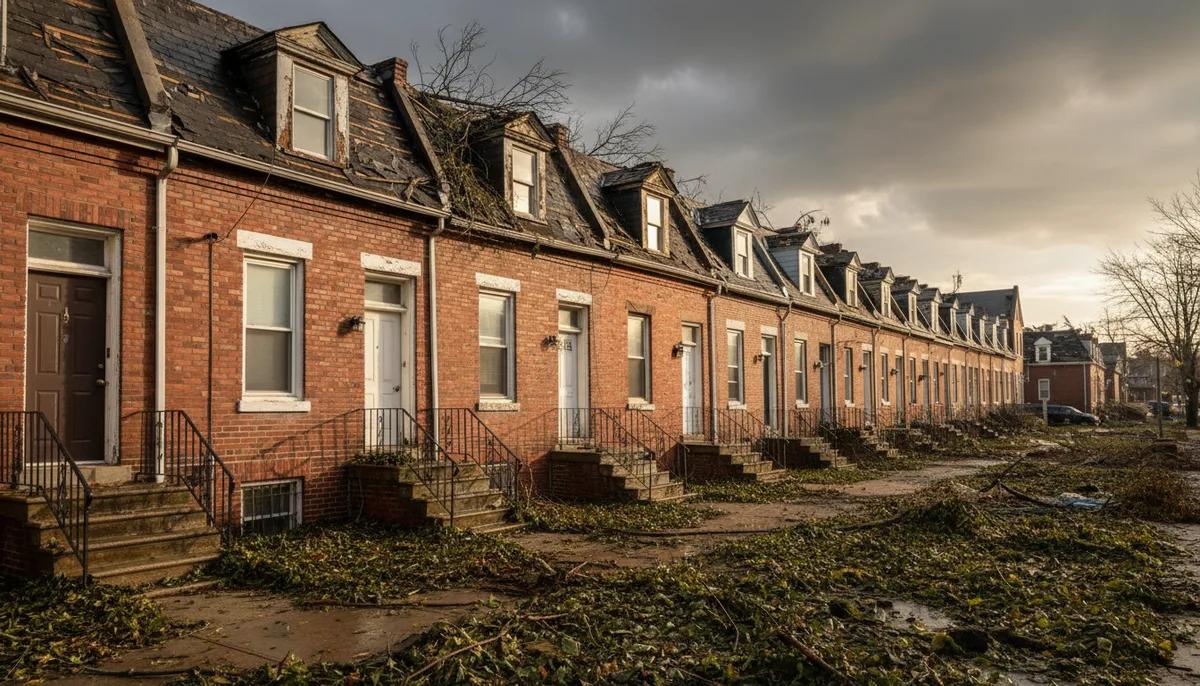
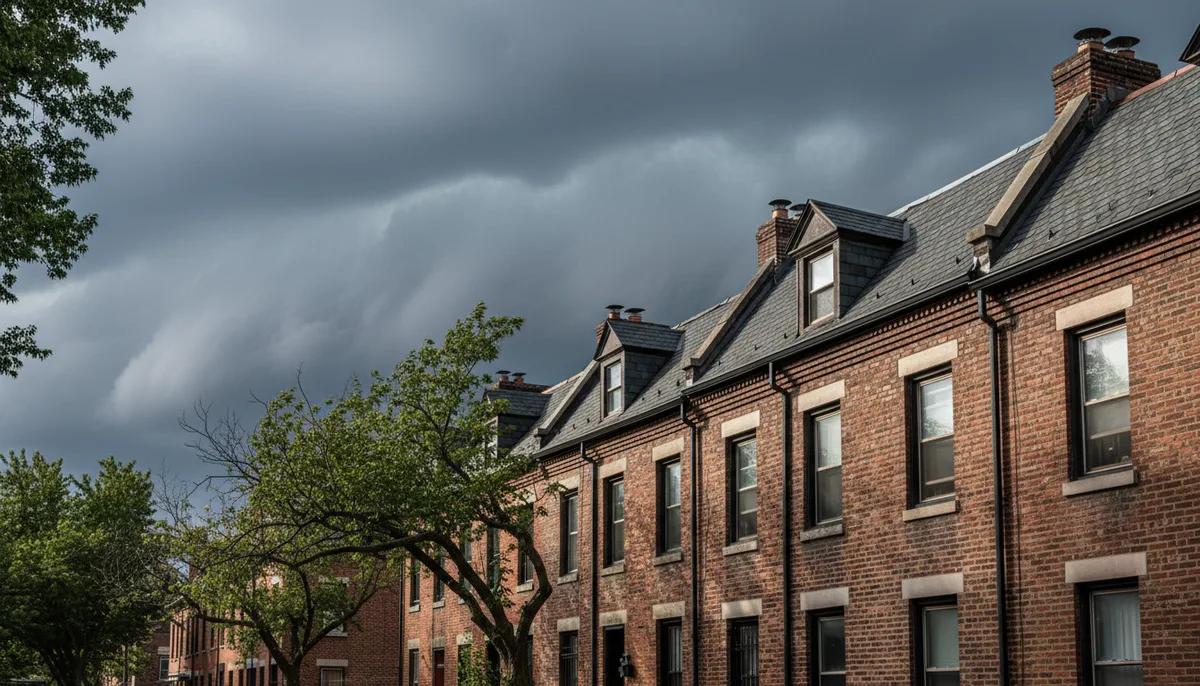
Aerial view of dense Philadelphia row homes in South Philadelphia with dark storm clouds approaching from the southwest, illustrating wind exposure risk
How Philadelphia's Wind Patterns Put Your Roof at Unique Risk

2

Common Types of Wind Damage on Philadelphia Roofs

Wind damage isn't always dramatic. While a major storm might visibly rip shingles off a roof, most wind damage in Philadelphia accumulates gradually and goes unnoticed until it causes a serious leak or structural problem. Knowing what to look for can save you thousands in repair costs.

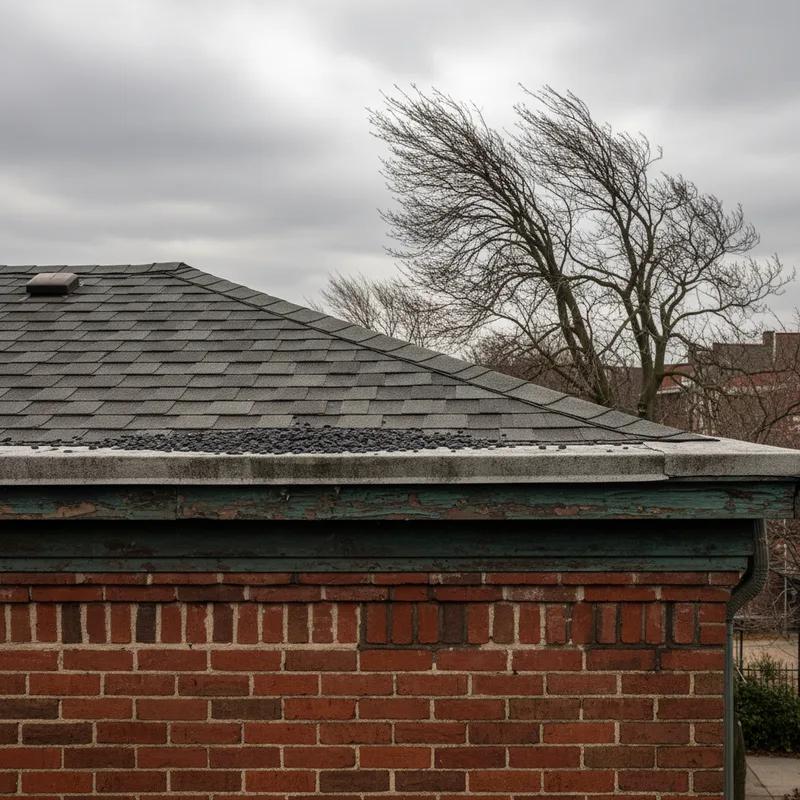
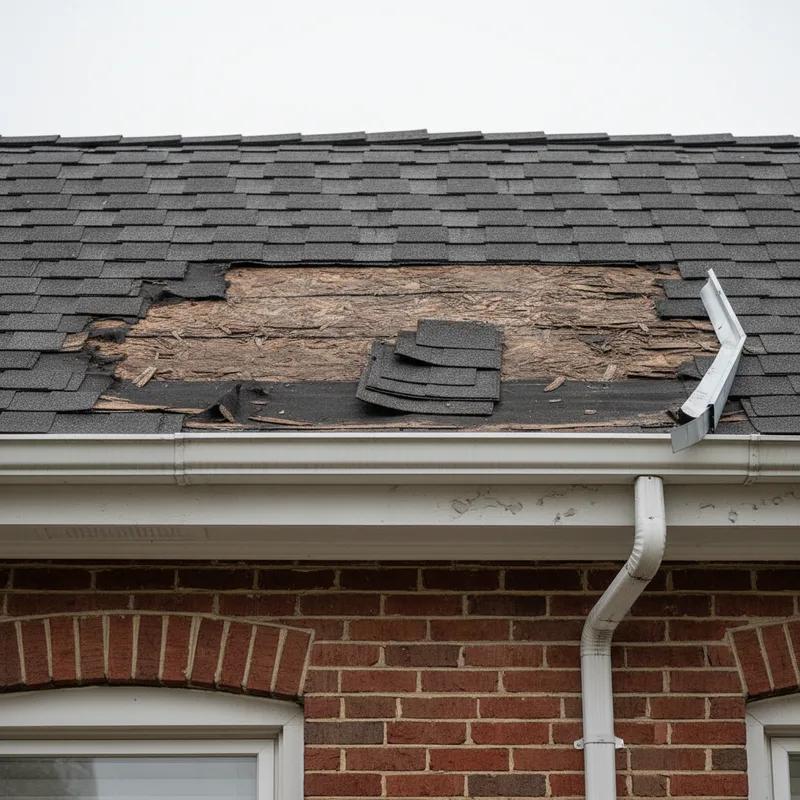
The most common form of wind damage is shingle lifting and tab breakage. When wind gets beneath the edge of a shingle, it creates uplift force that can break the adhesive seal strip, allowing the shingle to flap repeatedly during storms. Over time, this repeated flexing cracks the shingle and exposes the underlayment beneath. This type of damage is extremely common on Philadelphia's older housing stock, much of which features 3-tab asphalt shingles installed decades ago before modern wind-resistance standards existed.

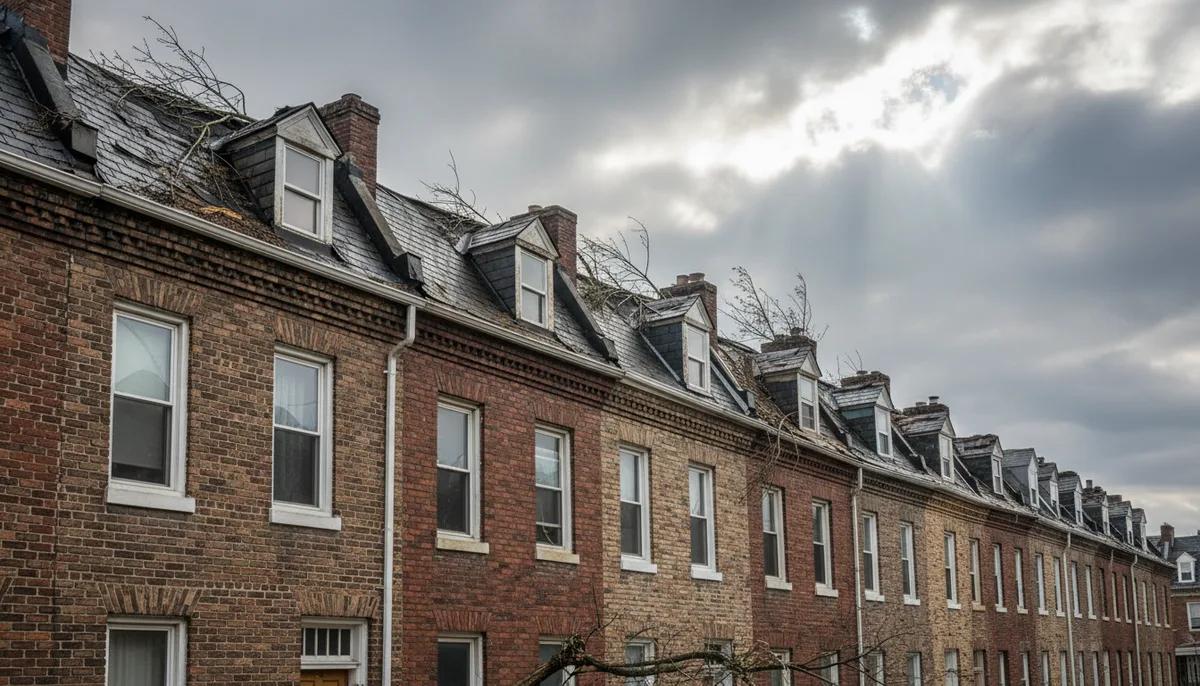
Flashing failures are another widespread problem. The metal flashing around chimneys, skylights, dormers, and roof-to-wall transitions is particularly vulnerable to wind-driven movement. Philadelphia's many brick chimneys — a hallmark of row home architecture — are frequent sites of flashing separation, especially after a nor'easter. Once flashing lifts even slightly, water infiltration follows quickly.

Ridge cap and hip shingle loss is also common after high-wind events. These exposed areas bear the brunt of wind pressure and are often the first to fail. Homeowners in Roxborough, Manayunk, and other hillside neighborhoods frequently report ridge damage after significant storms.

Flat roofs, which are ubiquitous on Philadelphia row homes and commercial properties, face a different set of wind challenges. Membrane edges and seams can peel back under sustained wind pressure, and rooftop HVAC equipment, parapet walls, and drainage components can all become wind-borne hazards if not properly secured.

After any significant wind event, a visual inspection from the ground using binoculars — or better yet, a professional drone inspection — can help identify early-stage damage before it escalates.

Close-up of lifted and cracked asphalt shingles on a Philadelphia row home roof after a nor'easter wind storm, showing exposed underlayment beneath
Common Types of Wind Damage on Philadelphia Roofs

3

Philadelphia Building Codes and Wind Load Requirements

Philadelphia's building codes set minimum standards for how roofing materials must perform under wind conditions, and understanding these requirements helps homeowners make informed decisions when repairing or replacing a roof.

The city follows the Pennsylvania Uniform Construction Code (PA UCC), which is based on the International Building Code (IBC) and International Residential Code (IRC). For wind design, Philadelphia falls within a designated wind speed zone. The current code requires roofing materials and installation methods to meet specific wind uplift resistance standards measured in miles per hour. As of 2026, most residential roofing in Philadelphia must be designed to withstand basic wind speeds consistent with the city's mapped wind zone, which generally falls in the 115 mph (3-second gust) design category under ASCE 7 standards.

What this means practically is that shingles must meet minimum wind resistance ratings — typically Class D (90 mph) at the low end, though many contractors and code officials now recommend Class F (110 mph) or Class H (150 mph) rated products for new installations and full replacements.

Importantly, Philadelphia's Department of Licenses and Inspections (L&I) requires permits for full roof replacements and significant structural repairs. Pulling the proper permit ensures that work is inspected and meets current code, which matters enormously for insurance claims and future home sales. Contractors who suggest skipping the permit process — a common red flag in Philly's roofing market — should be avoided.

Historic districts present additional considerations. Neighborhoods like Society Hill, Old City, and parts of Germantown fall under the jurisdiction of the Philadelphia Historical Commission, which may restrict certain roofing materials or colors even when they offer superior wind resistance. Homeowners in these areas should consult both L&I and the Historical Commission before proceeding with any significant roofing work.

Always verify that your contractor is licensed with the City of Philadelphia and familiar with current local code requirements before signing any contract.

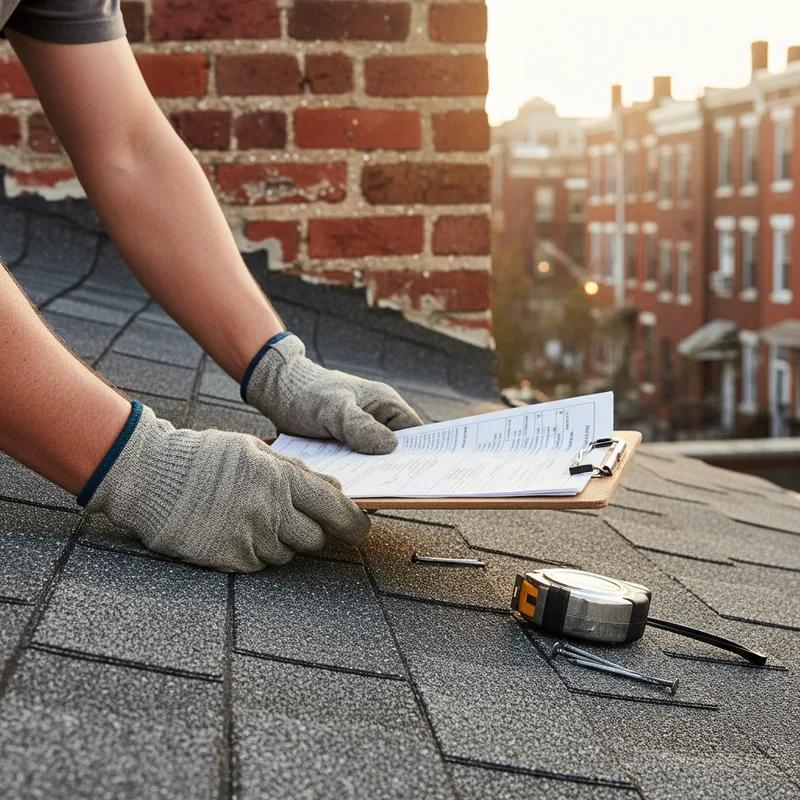
Philadelphia Department of Licenses and Inspections building exterior with a contractor reviewing roofing permit documents on a clipboard
Philadelphia Building Codes and Wind Load Requirements

4

Wind-Resistant Roofing Materials and Solutions for Philly Homes

The good news for Philadelphia homeowners is that the roofing industry has made significant advances in wind-resistant materials, and there are strong options available for every budget and building type — from the classic row home to a Victorian twin in West Philadelphia.

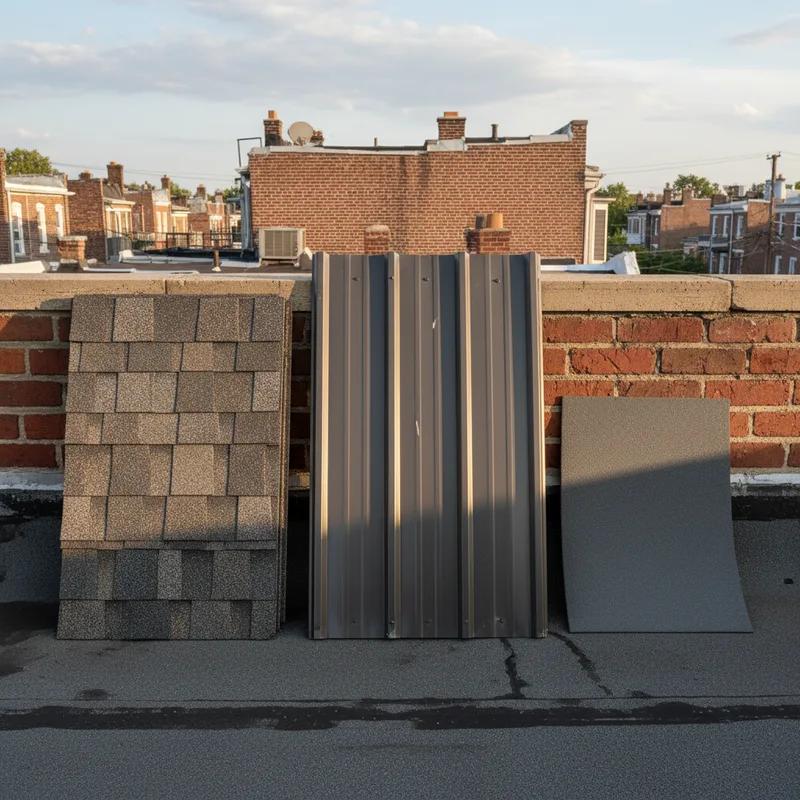
For sloped roofs, the most practical upgrade is switching to impact-rated, high-wind asphalt shingles. Products rated to withstand 130 mph or higher winds use a modified adhesive strip and thicker mat construction that dramatically reduces the risk of shingle blow-off. Leading manufacturers offer these products in architectural (dimensional) styles that complement Philadelphia's traditional aesthetic while meeting modern performance standards. When comparing estimates, look specifically for products with a Class F or Class H wind rating and a UL 2218 or FM 4473 impact resistance designation.

Metal roofing is increasingly popular in Philadelphia, particularly for end-of-row homes and properties with complex rooflines. Standing seam metal roofs, in particular, offer exceptional wind resistance because the panels interlock mechanically rather than relying on exposed fasteners or adhesive strips. Metal roofs are also highly durable against the wind-driven debris that frequently damages softer roofing materials during storms. The upfront cost is higher than asphalt, but the long-term performance in wind-prone areas often justifies the investment.

For Philadelphia's vast inventory of flat-roofed row homes, wind resistance means securing membrane edges, reinforcing parapet flashings, and using mechanically fastened or fully adhered membrane systems rather than loose-laid ballasted designs. TPO and EPDM membranes installed with proper perimeter securement perform well in high-wind conditions when installed correctly.

Regardless of material choice, installation quality is the single biggest factor in wind performance. Proper nail patterns, adequate fastener count, and correct starter strip installation at eaves and rakes can mean the difference between a roof that survives a nor'easter and one that doesn't. Always ask your contractor to specify the nail pattern and fastener schedule they'll use — a detail that separates professional installers from cut-rate operators.

Philadelphia roofing contractor installing high-wind rated architectural shingles on a row home in Fishtown, showing proper nail placement along the roof deck
Wind-Resistant Roofing Materials and Solutions for Philly Homes

5

Filing an Insurance Claim for Wind Roof Damage in Philadelphia

Wind damage is one of the most common homeowner insurance claims in Pennsylvania, but the process of getting a fair payout can be frustrating if you're not prepared. Understanding how to document damage and navigate the claims process gives you the best chance of a successful outcome.

The first step after a wind event is to document everything before any cleanup or temporary repairs. Take photos and video of all visible damage — lifted shingles, missing ridge caps, damaged flashing, fallen debris — from multiple angles. Note the date and time, and cross-reference with local weather service records showing wind speeds in your area during the event. The National Weather Service's Philadelphia/Mount Holly office maintains detailed storm records that can be invaluable when an adjuster questions whether wind speeds were sufficient to cause the damage you're claiming.

Most Pennsylvania homeowners insurance policies cover wind damage as a standard peril, but policy language varies significantly. Pay close attention to your deductible structure — some policies now include separate wind or hurricane deductibles that are higher than your standard deductible. Review your policy's actual cash value (ACV) versus replacement cost value (RCV) provisions, as ACV policies deduct depreciation and may leave you well short of actual repair costs, particularly on older roofs.

When the adjuster visits, you have the right to have your own contractor present. A reputable Philadelphia roofing contractor experienced with insurance claims can advocate for a complete scope of work and ensure that related damage — like water infiltration from lifted flashing — is included in the claim.

Be cautious of storm-chasing contractors who appear in your neighborhood immediately after a major wind event offering to handle your insurance claim. While some legitimate contractors do assist with claims, high-pressure tactics and demands for large upfront payments are red flags. Philadelphia has seen significant roofing fraud activity following major storms, and L&I maintains resources to help homeowners verify contractor credentials.

Philadelphia homeowner photographing wind-damaged roof shingles with a smartphone while a roofing contractor documents damage on a clipboard for an insurance claim
Filing an Insurance Claim for Wind Roof Damage in Philadelphia

6

Protecting Your Philadelphia Roof Before the Next Wind Event

Proactive maintenance is far less expensive than emergency repairs, and Philadelphia's predictable storm seasons — nor'easters from October through April, severe thunderstorms and derechos from May through September — give homeowners clear windows for preparation.

Start with a professional roof inspection every one to two years, and always schedule one in the spring after the nor'easter season and again in the early fall before winter storms arrive. A qualified inspector will identify lifted or cracked shingles, compromised flashing, deteriorating sealants, and any areas where wind has begun to work its way under roofing materials. Catching these issues early, when they can be addressed with targeted repairs rather than full replacement, is the most cost-effective approach available.

Tree management is critically important in Philadelphia's tree-lined neighborhoods. Overhanging branches from the city's abundant street trees and backyard canopy are a leading cause of wind-related roof damage. Branches that overhang the roof should be trimmed back, and any trees showing signs of disease, root damage, or structural weakness should be evaluated by a certified arborist. Philadelphia's Parks and Recreation department manages street trees, but trees on private property are the homeowner's responsibility.

Gutters and downspouts deserve attention as part of wind preparedness. Clogged or improperly secured gutters can tear away from the fascia during high winds, taking edge flashing and shingle tabs with them. Ensure gutters are clean, properly pitched, and secured with adequate hangers — particularly on older Philadelphia homes where original gutter hardware may be decades old.

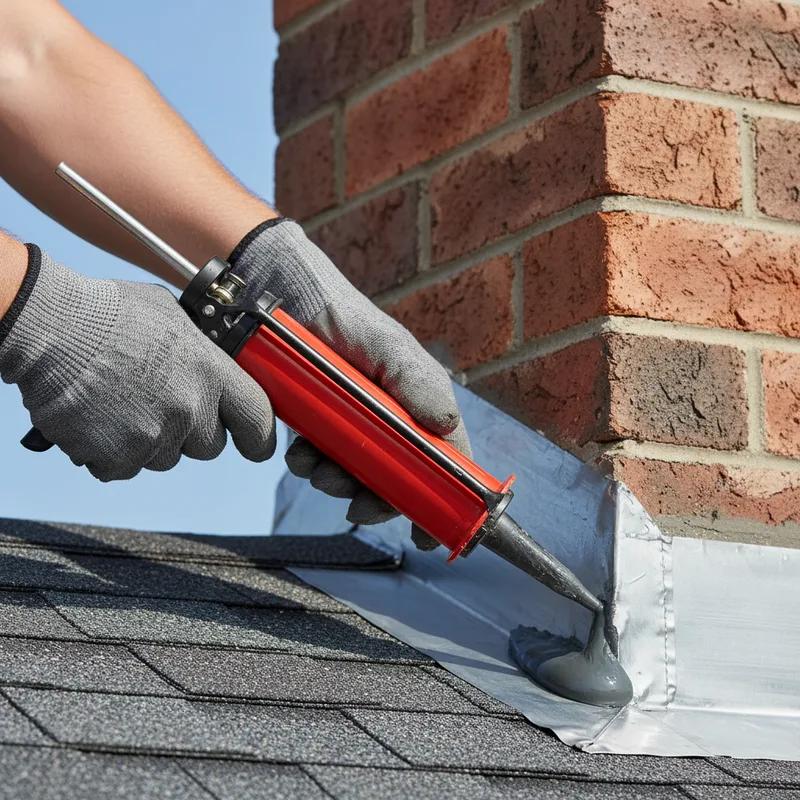
Finally, consider asking your roofing contractor about applying a roof sealant or adhesive reinforcement to existing shingles as a cost-effective interim measure if full replacement isn't in your budget yet. Re-sealing lifted shingle tabs and reinforcing flashing sealants can meaningfully improve wind resistance on an aging roof while you plan for a full replacement.

Philadelphia's wind risks are real and growing, but they're manageable with the right materials, the right contractor, and a consistent maintenance routine.

Philadelphia homeowner and roofing contractor performing a spring roof inspection on a Northwest Philadelphia twin home, examining shingle edges and flashing around a brick chimney
Protecting Your Philadelphia Roof Before the Next Wind Event

Frequently Asked Questions

What wind speed causes roof damage in Philadelphia?

Most standard asphalt shingles can begin to lift or crack at sustained winds above 45 to 55 mph, with significant damage occurring at gusts above 60 mph — wind speeds that Philadelphia regularly experiences during nor'easters and summer derechos. Older roofs with compromised adhesive strips can sustain damage at even lower wind speeds. Upgrading to shingles rated for 110 mph or higher significantly reduces this vulnerability.

Does homeowners insurance cover wind damage to roofs in Pennsylvania?

Yes, most standard Pennsylvania homeowners insurance policies cover wind damage as a named peril. However, coverage details vary — including deductible amounts, actual cash value versus replacement cost provisions, and exclusions for pre-existing deterioration. Review your policy carefully and document all damage thoroughly before filing a claim to maximize your payout.

How do I know if my Philadelphia row home roof has wind damage?

After a significant wind event, look for missing or curled shingles, exposed dark underlayment, lifted flashing around the chimney or skylights, granules collecting in gutters, and any sagging or water stains on interior ceilings. A professional inspection — including a drone assessment for hard-to-see areas — is the most reliable way to identify all wind damage, including subtle issues that worsen over time.

Are flat roofs more vulnerable to wind damage than sloped roofs?

Flat roofs face different wind risks than sloped roofs — primarily membrane edge peeling, seam separation, and uplift pressure on rooftop equipment — rather than shingle blow-off. Properly installed flat roofing systems with mechanically fastened or fully adhered membranes and reinforced perimeter flashings perform well in high winds. The key is correct installation and regular maintenance of edge details and seams.

Do I need a permit for wind damage roof repairs in Philadelphia?

Minor repairs such as replacing a few shingles or resealing flashing typically do not require a permit in Philadelphia. However, full roof replacements and any structural repairs do require a permit from the Department of Licenses and Inspections. Always confirm permit requirements with L&I or your contractor before work begins, as unpermitted work can create complications with insurance claims and future home sales.

James Callahan
Founder & Editor, Philly Roof Find

James founded Philly Roof Find to give Philadelphia homeowners a transparent, independent resource for evaluating roofing contractors. With a background in building trades and a focus on local construction practices, he writes practical guides grounded in Philadelphia-specific building codes, materials, and contractor standards.