Guide to Hurricane-Proofing Your Philadelphia Roof

Discover effective strategies to hurricane-proof your Philadelphia roof and safeguard your home from severe weather damage this season.

Guide to Hurricane-Proofing Your Philadelphia Roof - Philadelphia roofing guide

Learn how to hurricane-proof your Philadelphia roof with practical strategies tailored to local weather patterns and building codes.

James Callahan
Published March 5, 2026·Updated March 5, 2026
1

Understanding Philadelphia's Weather Patterns and Risks

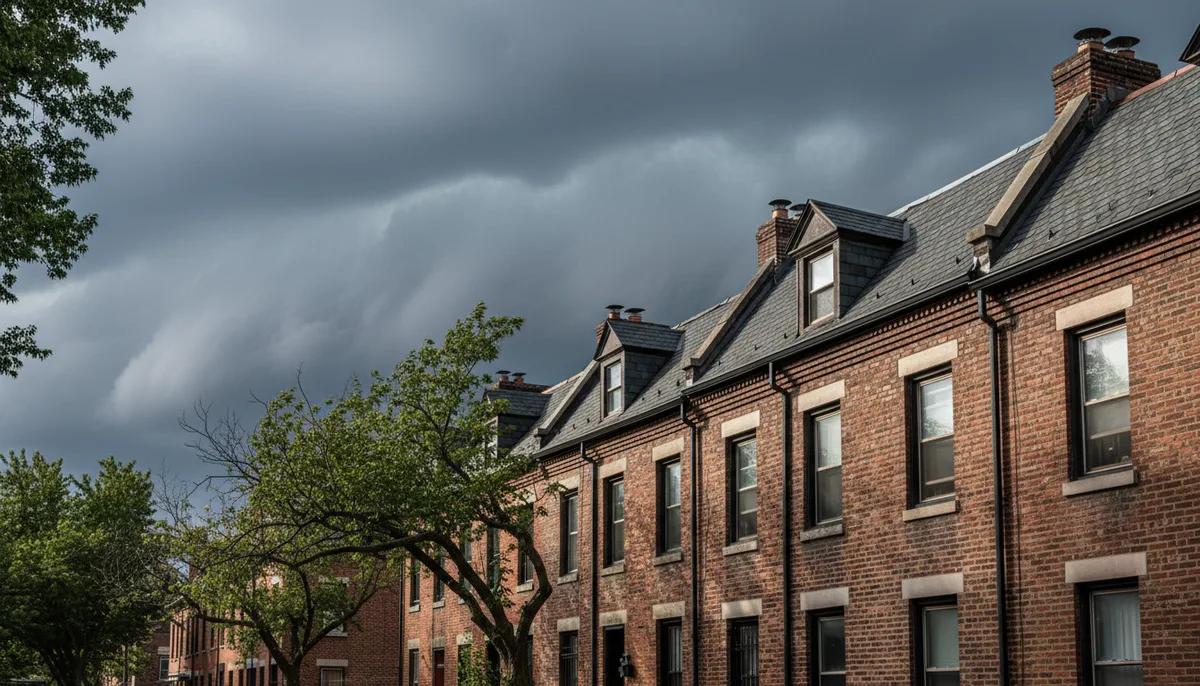
Philadelphia, while not directly on the coast, still experiences significant impacts from hurricanes and tropical storms. The city's infrastructure, with its historic row homes and diverse neighborhoods such as Fishtown, South Philly, and Chestnut Hill, requires special attention when it comes to roof maintenance. Understanding the typical weather patterns, which include heavy rains and strong winds, is essential in planning for hurricane season. By familiarizing yourself with these local conditions, you can better prepare your home and ensure your roof is up to the task of withstanding severe weather.
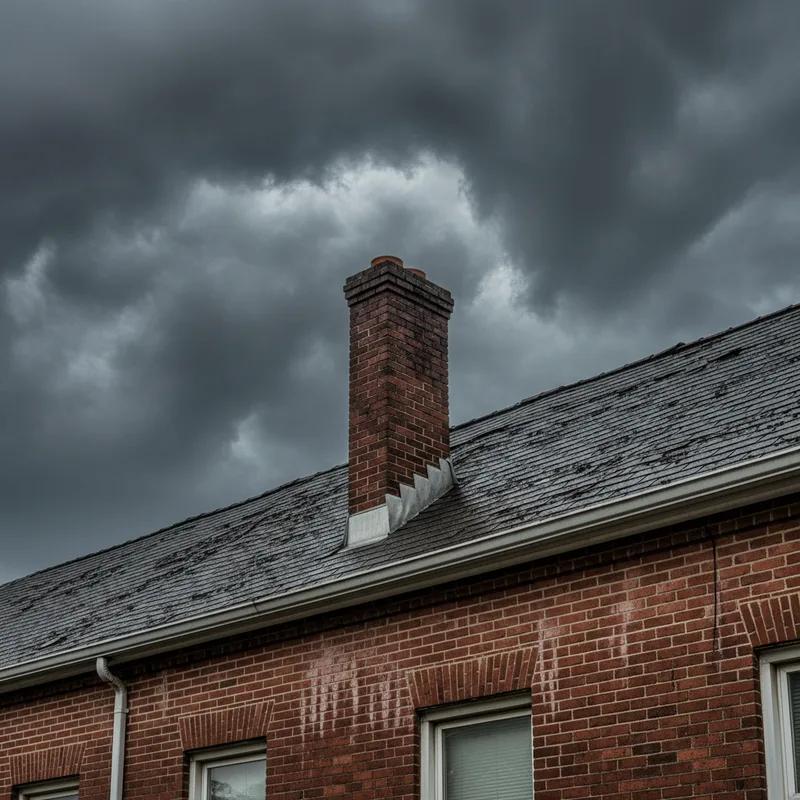
Aerial view of Philadelphia neighborhoods with diverse roof types, under cloudy skies.
Understanding Philadelphia's Weather Patterns and Risks

2

Philadelphia Building Codes: What Homeowners Need to Know

Adhering to Philadelphia's building codes is a critical step in hurricane-proofing your roof. The Philadelphia Department of Licenses & Inspections provides guidelines that ensure structures can withstand harsh weather conditions. For instance, roofs must be able to handle wind speeds typical of hurricanes. Consulting with a local roofing contractor familiar with these regulations can help ensure your roof meets or exceeds these standards. Additionally, permits are often required for significant roofing work, so understanding these requirements is crucial for compliance and safety.

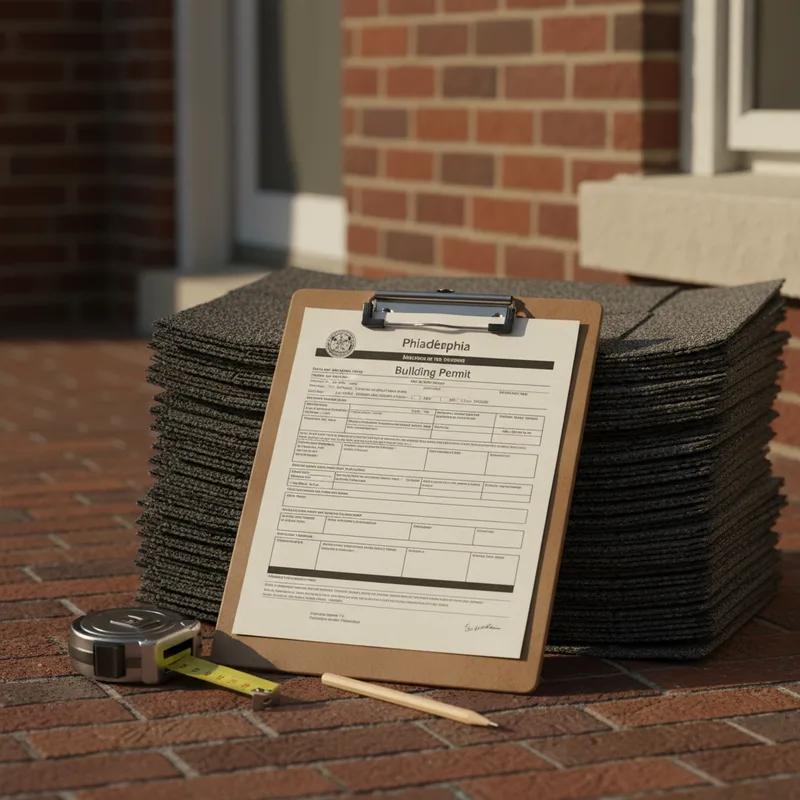
A contractor reviewing Philadelphia building code documents in front of a row home roof.
Philadelphia Building Codes: What Homeowners Need to Know

3

Choosing the Right Materials for a Hurricane-Resistant Roof

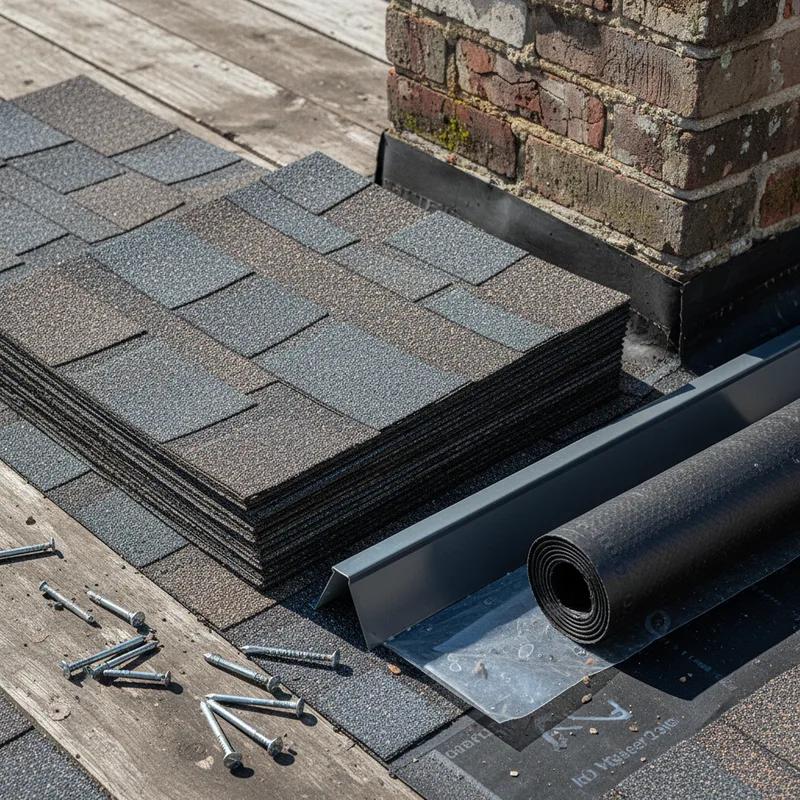
Selecting the appropriate materials is vital for constructing a hurricane-resistant roof. Metal roofing, known for its durability and resistance to high winds, is an excellent option for Philadelphia homes. Additionally, architectural shingles offer enhanced performance compared to traditional three-tab shingles. It's also beneficial to incorporate waterproof underlayment, which provides an extra layer of protection against water infiltration during heavy rains. Consulting with a local roofing expert can help you choose materials that will best suit your home's design and the regional climate.

Close-up of metal roofing panels being installed on a Philadelphia home.
Choosing the Right Materials for a Hurricane-Resistant Roof

4

Hiring a Philadelphia Roofing Contractor: What to Look For

Hiring the right roofing contractor is crucial for ensuring your roof is hurricane-proof. Look for contractors with extensive experience in the Philadelphia area, as they will be familiar with local building codes and weather challenges. Verify their credentials and check references to ensure quality workmanship. It’s also advisable to get multiple quotes to compare services and prices. Trusted contractors will provide detailed estimates and discuss all aspects of the job, from materials to timelines, ensuring transparency and peace of mind.

A Philadelphia roofing contractor discussing project details with a homeowner on-site.
Hiring a Philadelphia Roofing Contractor: What to Look For

5

Routine Maintenance: Keeping Your Roof in Top Shape

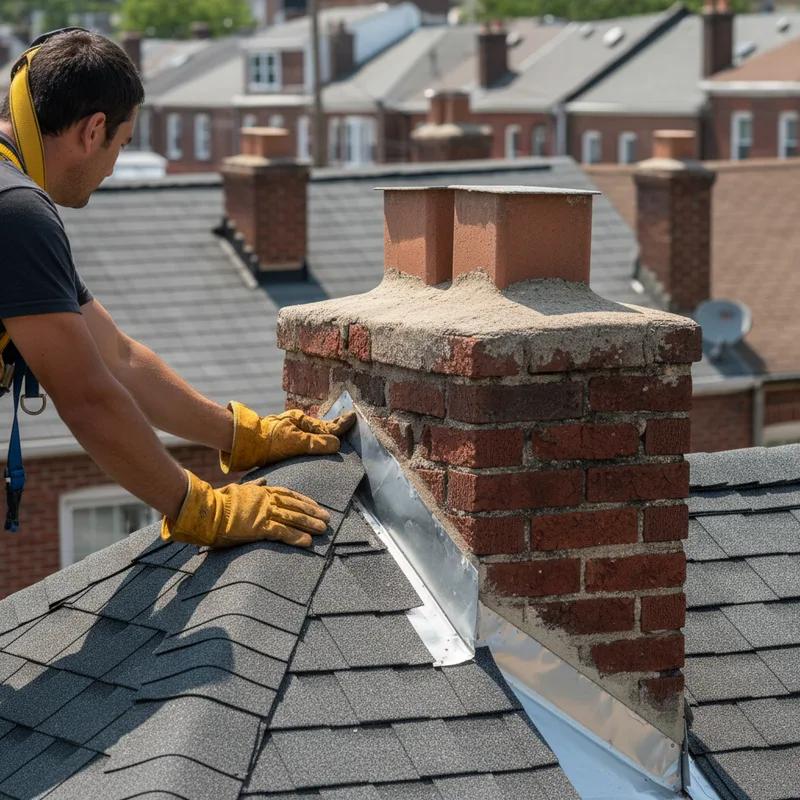
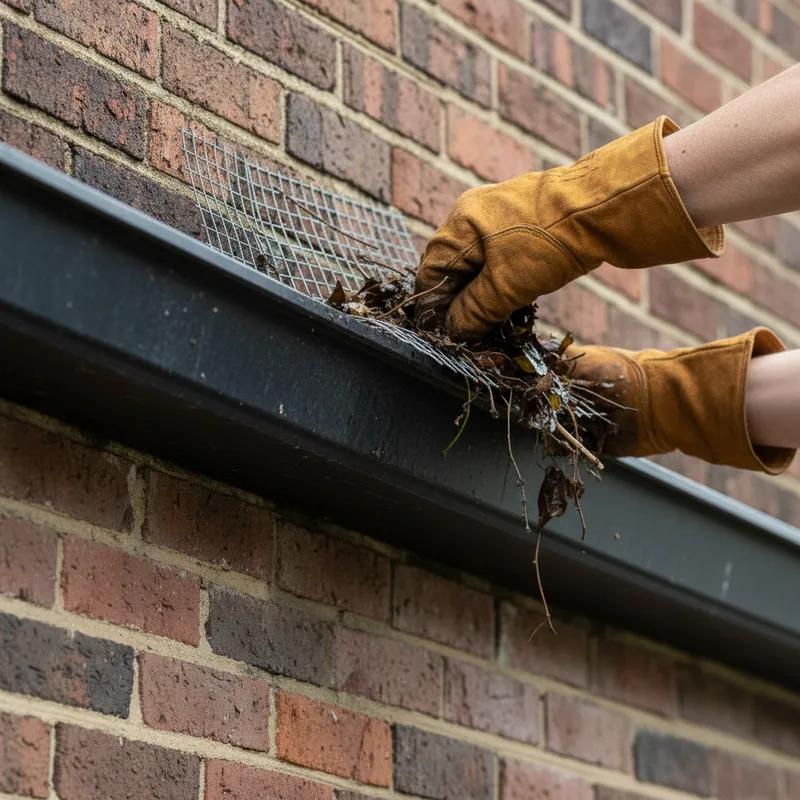
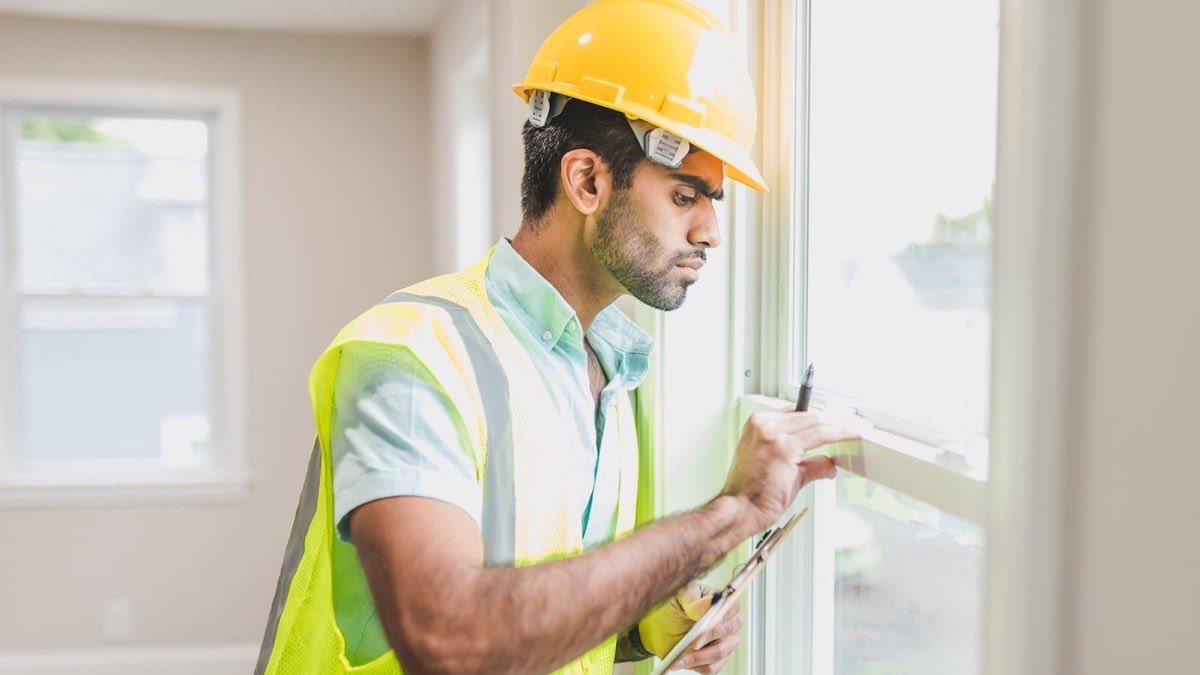
Regular maintenance is key to keeping your roof hurricane-ready. Inspect your roof at least twice a year, ideally in the spring and fall, to identify and address any damage. Look for loose shingles, signs of water damage, and any structural weaknesses. Cleaning gutters and downspouts ensures proper drainage and prevents water buildup during heavy rains. Consider scheduling professional inspections to catch issues that might not be visible to the untrained eye. Consistent maintenance helps extend the lifespan of your roof and enhances its ability to withstand severe weather.

Homeowner inspecting a Philadelphia roof for damages and debris before a storm season.
Routine Maintenance: Keeping Your Roof in Top Shape

6

Emergency Preparations: What to Do Before a Storm Hits

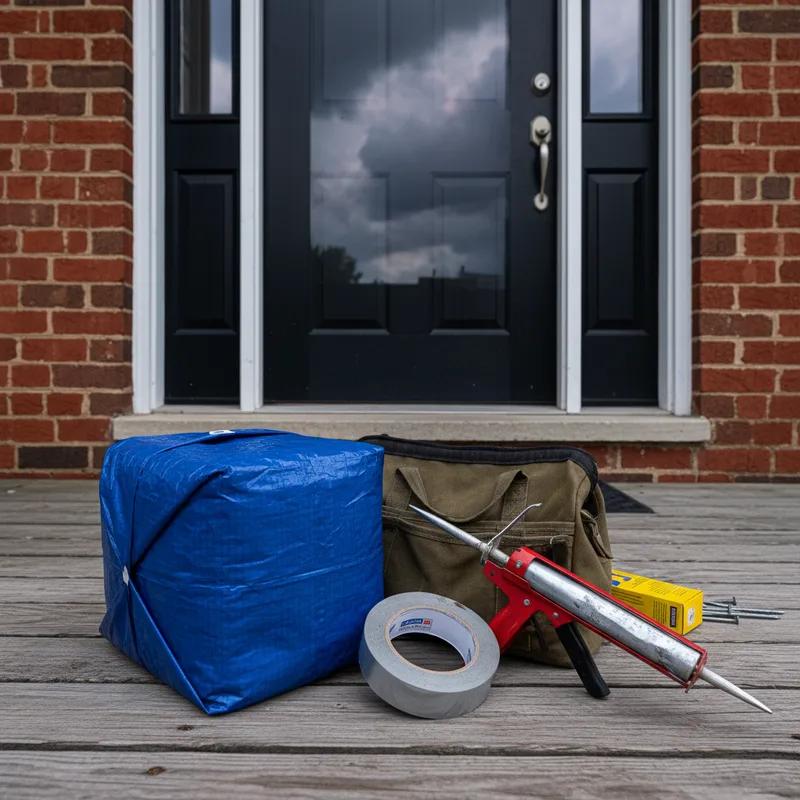
As a storm approaches, there are several last-minute preparations you can make to protect your home. Secure outdoor furniture and any loose items that could become projectiles during high winds. Reinforce vulnerable areas, such as skylights and chimneys, with storm shutters or protective covers. Additionally, ensure that family emergency plans are in place, including having emergency supplies and contact information ready. These steps can minimize damage and keep your family safe during a hurricane.

A Philadelphia family securing outdoor furniture and preparing their home for a storm.
Emergency Preparations: What to Do Before a Storm Hits

Frequently Asked Questions

What materials are best for hurricane-proofing a roof in Philadelphia?

Metal roofing and architectural shingles are highly recommended due to their durability and resistance to high winds. Waterproof underlayment is also crucial for added protection.

Are there specific building codes in Philadelphia for hurricane-proof roofs?

Yes, Philadelphia has building codes that dictate the standards for wind resistance and structural integrity. It's essential to consult local codes and work with experienced contractors to ensure compliance.

How often should I inspect my roof for hurricane readiness?

It's advisable to inspect your roof at least twice a year, ideally in the spring and fall, to identify and address any potential issues before they become severe.

James Callahan
Founder & Editor, Philly Roof Find

James founded Philly Roof Find to give Philadelphia homeowners a transparent, independent resource for evaluating roofing contractors. With a background in building trades and a focus on local construction practices, he writes practical guides grounded in Philadelphia-specific building codes, materials, and contractor standards.