What to Expect During a Professional Roof Inspection in Philadelphia

Learn what Philadelphia roof inspectors check, how long inspections take, and what a thorough inspection report should include for row homes and beyond.

What to Expect During a Professional Roof Inspection in Philadelphia - Philadelphia roofing guide

A professional roof inspection is one of the smartest investments a Philadelphia homeowner can make, whether you're buying a property in Fishtown, maintaining a row home in South Philly, or recovering from a brutal winter storm.

James Callahan
Published March 26, 2026·Updated March 26, 2026
1

Why Roof Inspections Matter More in Philadelphia Than Most Cities

Philadelphia's climate is uniquely punishing on roofs. The city sits in a mid-Atlantic weather corridor that delivers hot, humid summers, freezing winters, nor'easters, and increasingly intense spring storms. Temperatures can swing 60 degrees or more between seasons, causing roofing materials to expand and contract repeatedly — a process that accelerates wear on flashing, sealants, and shingles alike.

Philadelphia's housing stock adds another layer of complexity. The city is home to more than 60,000 row homes, many built between the 1880s and 1950s, with flat or low-slope roofs covered in built-up roofing, modified bitumen, or aging rubber membranes. These roof types require a different inspection approach than the pitched asphalt shingle roofs common in newer suburban construction. Older neighborhoods like Kensington, Germantown, and West Philadelphia often feature roofs that have been patched and re-patched over decades, making professional evaluation especially critical.

Beyond weather and housing style, Philadelphia's Department of Licenses and Inspections (L&I) has specific code requirements that affect roofing work. If an inspection reveals damage that requires permitted repairs or a full replacement, understanding L&I's process upfront can save you time and money. A qualified inspector familiar with Philadelphia's building codes will flag issues that could affect permitting before work begins.

Routine inspections also matter for homeowners insurance. Many insurers now require documentation of roof condition at policy renewal or when filing a claim. Having a dated, professional inspection report on file can be the difference between a smooth claims process and a disputed payout after storm damage. For Philadelphia homeowners, scheduling an inspection at least once every two years — and always after a major storm — is considered best practice by most roofing professionals in the region.
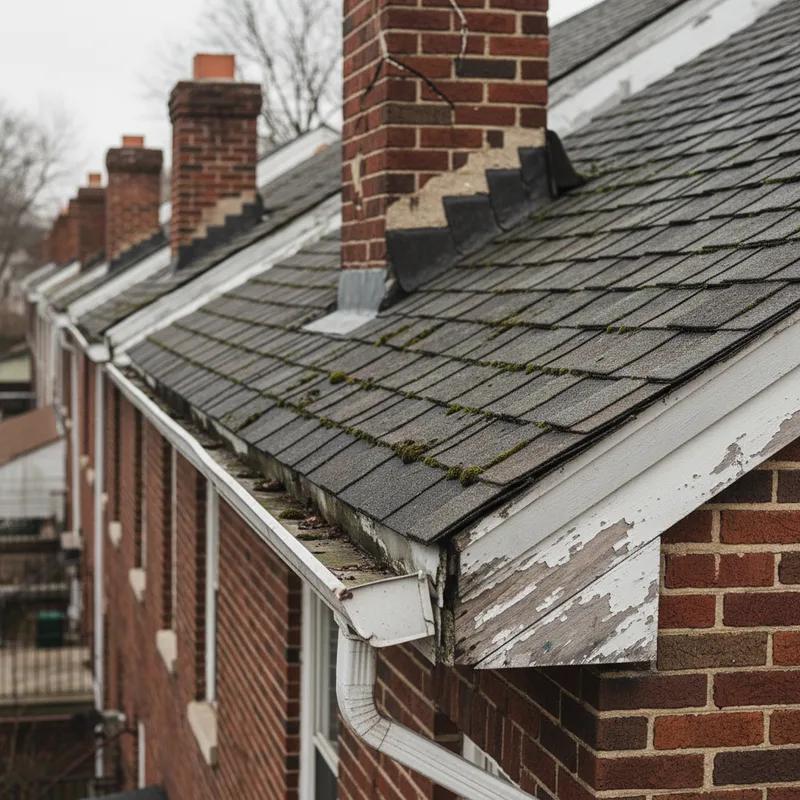
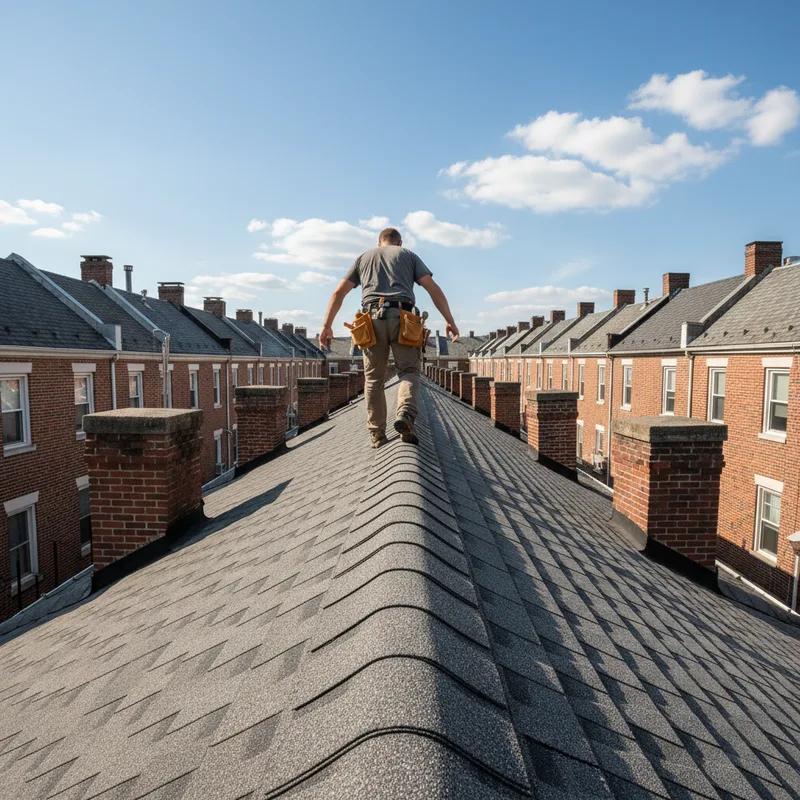
Philadelphia row homes with flat roofs viewed from above on a clear day, showing the dense urban roofscape of a South Philadelphia neighborhood
Why Roof Inspections Matter More in Philadelphia Than Most Cities

2

What a Qualified Roof Inspector Actually Looks For

A thorough professional roof inspection covers far more than a quick visual scan from the sidewalk. Qualified inspectors evaluate multiple systems and components, both from the exterior and, when safely accessible, from the interior of your home.

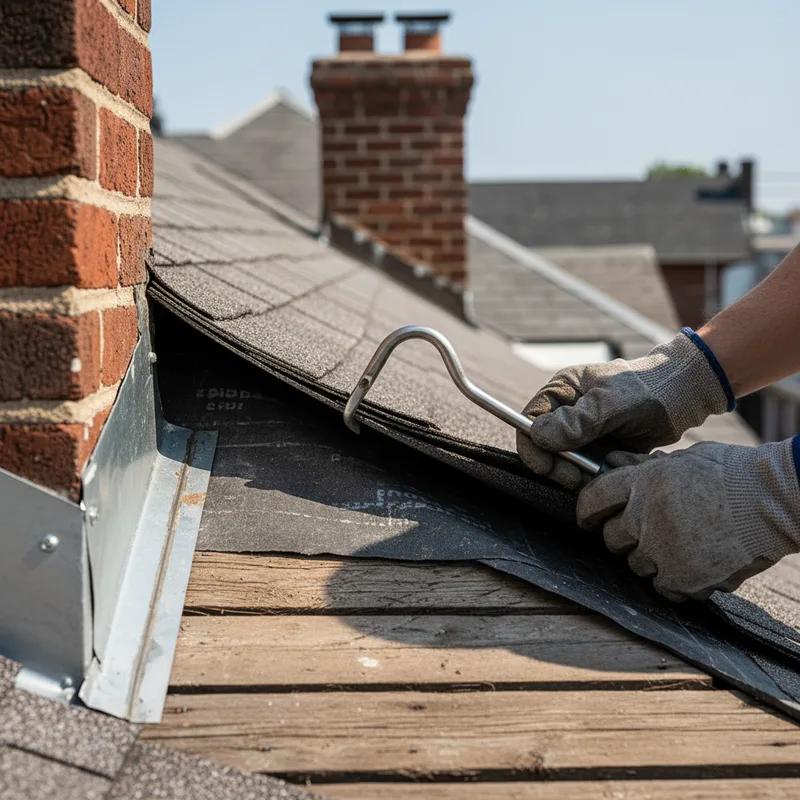
On the exterior, inspectors examine the roofing surface itself — looking for cracked, curling, or missing shingles on pitched roofs, or blistering, ponding water, and membrane separation on flat roofs. They check the condition of all flashing, which is the metal or rubberized material sealing joints around chimneys, skylights, vents, and parapet walls. Flashing failures are one of the most common sources of leaks in Philadelphia row homes, particularly where roofs meet shared party walls.

Gutters and downspouts receive close attention. Inspectors look for sagging, improper pitch, rust, separated joints, and signs that water is backing up toward the fascia or foundation. In Philadelphia's older housing stock, cast iron gutters and undersized downspouts are common culprits behind water infiltration.

Ventilation is another critical focus area. Poor attic ventilation accelerates shingle deterioration, promotes ice dam formation in winter, and can void manufacturer warranties. Inspectors assess ridge vents, soffit vents, and any mechanical ventilation systems for blockages or inadequate capacity.

From inside the attic or top floor, inspectors look for daylight penetration, water staining, mold or mildew growth, compressed or wet insulation, and signs of structural sagging in the roof deck. In historic Philadelphia homes — particularly those in Rittenhouse Square, Society Hill, or along the Main Line border neighborhoods — original wood sheathing and rafters may show deterioration that isn't visible from the outside.

A comprehensive inspection also includes the chimney structure, any rooftop HVAC equipment, satellite dish penetrations, and the condition of caulking around all roof penetrations.

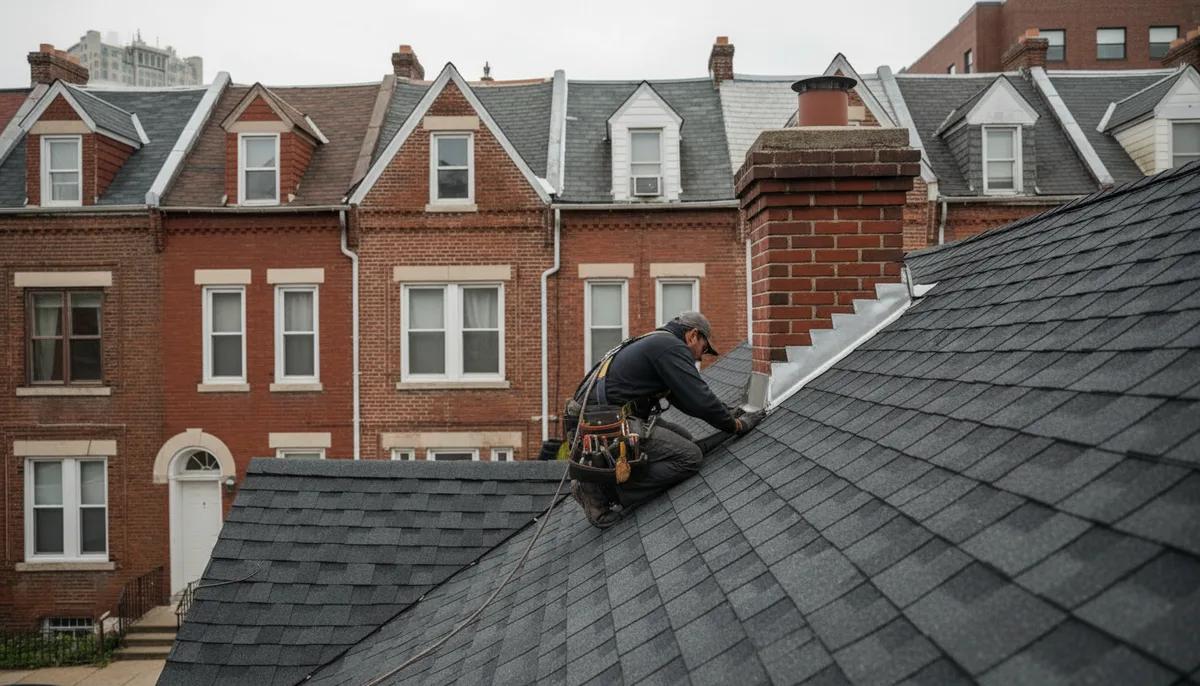
A licensed roof inspector in a safety harness examining flashing around a brick chimney on a Philadelphia row home roof
What a Qualified Roof Inspector Actually Looks For

3

How Long a Professional Roof Inspection Takes — and What Affects the Timeline

Most homeowners are surprised by how involved a thorough roof inspection can be. For a standard Philadelphia row home with a flat or low-slope roof, expect the on-site inspection to take between 45 minutes and 90 minutes. Larger homes, multi-unit properties, or buildings with complex roof geometries — multiple levels, dormers, skylights, or extensive rooftop equipment — can take two hours or more.

Several factors influence the total time. Accessibility is a major one. If your roof requires ladder access only, the inspector will need to set up safely before beginning their evaluation. If there's an interior attic space, they'll need time to inspect that separately. Homes in dense neighborhoods like Northern Liberties or Point Breeze sometimes present challenges with limited side yard access, which can slow the process.

The age and condition of the roof also matters. An older roof with multiple layers of material, previous repairs, or signs of complex damage will require more time to document thoroughly than a recently replaced roof. Inspectors may use moisture meters, infrared cameras, or drone photography on more complex jobs — tools that add time but significantly improve the accuracy of the assessment.

After the on-site visit, most professional inspectors take additional time to compile their written report. Depending on the company, you may receive a preliminary verbal summary the same day, with a full written report delivered within 24 to 72 hours. Ask about this timeline upfront, especially if you're working within a real estate transaction deadline.

For Philadelphia homeowners scheduling inspections in spring or fall — the two peak seasons for roofing work — booking at least one to two weeks in advance is advisable, as reputable inspectors fill up quickly during those periods.

A roofing professional using a tablet and moisture meter to document findings during a roof inspection on a Philadelphia home
How Long a Professional Roof Inspection Takes — and What Affects the Timeline

4

What Your Roof Inspection Report Should Include

The written report is the most tangible deliverable from a professional roof inspection, and not all reports are created equal. A thorough, professional report should give you a clear picture of your roof's current condition, specific problems identified, and recommended next steps — with enough detail to get accurate repair estimates from multiple contractors.

At minimum, a quality inspection report should include the inspector's credentials and license information, the date of inspection, the property address, and a description of the roof type, estimated age, and approximate square footage. It should document all roofing materials present, including any evidence of previous repairs or layering.

The findings section should be organized by component — roof surface, flashing, gutters, ventilation, attic/interior, chimney, and penetrations. Each finding should be described in plain language with a severity rating (such as immediate concern, monitor, or maintenance item) and accompanied by photographs. In Philadelphia, where many homeowners are managing aging properties and tight budgets, clear prioritization in the report is especially valuable.

The report should also include recommended actions for each finding, with a general indication of urgency. While inspectors typically don't provide repair cost estimates (to avoid conflicts of interest), the best reports give you enough specificity — "replace approximately 12 linear feet of step flashing along the east party wall" — to get meaningful quotes from contractors.

Finally, look for a report that notes any Philadelphia L&I permit requirements that may apply to recommended work. Roof replacements in Philadelphia generally require a permit, and some repair scopes do as well. An inspector who flags this upfront is saving you potential headaches down the road. Keep your inspection report on file — it's a valuable document for insurance claims, future sales, and tracking your roof's condition over time.

A homeowner reviewing a detailed roof inspection report with photographs on a laptop at a kitchen table
What Your Roof Inspection Report Should Include

5

How to Choose a Qualified Roof Inspector in Philadelphia

Not everyone who calls themselves a roof inspector has the same level of training, tools, or accountability. In Pennsylvania, roofing contractors must be registered with the Pennsylvania Attorney General's Office under the Home Improvement Contractor (HIC) law, but there is no separate state license specifically for roof inspectors. This makes it especially important to vet whoever you hire.

Look for inspectors who hold credentials from recognized professional organizations. The most widely respected are the Certified Roof Inspector (CRI) designation from the National Roofing Contractors Association (NRCA), or certification through the American Society of Home Inspectors (ASHI) or InterNACHI, both of which include roofing as a core competency. These certifications require ongoing education and adherence to professional standards.

In Philadelphia, there are two main scenarios where you'll hire a roof inspector: as part of a general home inspection during a real estate transaction, or as a standalone inspection for maintenance, insurance, or pre-repair planning. For standalone inspections, consider hiring a roofing contractor with strong local references who offers inspections as a separate service — just be aware that some contractors offer free inspections as a sales tool, which can create bias. For the most objective assessment, a fee-based inspection from an independent inspector is often worth the investment.

Ask prospective inspectors whether they carry liability insurance and errors and omissions (E&O) coverage. Request sample reports before hiring so you can assess the level of detail they provide. Check reviews on Google, the Better Business Bureau, and Philadelphia-specific platforms.

For homeowners in historically designated areas — including parts of Old City, Fairmount, and Chestnut Hill — look for an inspector familiar with the Philadelphia Historical Commission's requirements, as certain repairs may require approval before work begins.

A certified roof inspector in a branded polo shirt reviewing credentials and paperwork with a Philadelphia homeowner on a front stoop
How to Choose a Qualified Roof Inspector in Philadelphia

6

After the Inspection: Next Steps for Philadelphia Homeowners

Receiving your inspection report is the beginning of a process, not the end. Once you have your findings in hand, the most important thing is to act on them in a prioritized, informed way — rather than either ignoring the results or rushing into an expensive repair without doing your homework.

Start by reviewing the report's severity ratings. Items flagged as immediate concerns — active leaks, significant structural compromise, or flashing failures that are allowing water infiltration — should be addressed as soon as possible, especially heading into Philadelphia's rainy spring season or before winter sets in. Deferred maintenance items can be scheduled and budgeted for over the coming months.

For any significant repair or replacement work, get at least three written estimates from licensed Philadelphia roofing contractors. Use the specific language in your inspection report when describing the scope of work to each contractor — this ensures you're comparing apples to apples. Be wary of any contractor who suggests dramatically more or less work than the inspector identified without a clear explanation.

If your inspection reveals damage that may be covered by your homeowners insurance — such as storm damage from a recent nor'easter or hail event — contact your insurer promptly. Your inspection report serves as independent documentation of the damage and its likely cause, which can support your claim. Philadelphia homeowners should be aware that insurance policies vary significantly in how they handle roof age and depreciation.

Finally, schedule your next inspection. Most roofing professionals recommend inspections every one to two years for roofs over ten years old, and after any significant weather event. Building this into your regular home maintenance calendar — ideally each spring after winter weather has passed — is one of the most cost-effective ways to protect one of your home's most important systems.

A Philadelphia homeowner on the phone with a roofing contractor while reviewing a printed roof inspection report at a desk, with a window showing row homes outside
After the Inspection: Next Steps for Philadelphia Homeowners

Frequently Asked Questions

How much does a professional roof inspection cost in Philadelphia?

Standalone professional roof inspections in Philadelphia typically range from $150 to $400, depending on the size and complexity of the roof, the inspector's credentials, and whether specialized tools like infrared cameras or drones are used. Some roofing contractors offer free inspections, but these may come with a sales pitch — a fee-based inspection from an independent inspector often provides a more objective assessment.

How often should Philadelphia homeowners get a roof inspection?

Most roofing professionals recommend inspections every one to two years for roofs over ten years old, and after any significant weather event such as a nor'easter, hailstorm, or heavy ice accumulation. Spring is an ideal time for Philadelphia homeowners to schedule inspections, as it allows you to assess any damage from winter before the rainy season arrives.

Can a roof inspection be required before selling a home in Philadelphia?

While Philadelphia does not mandate a seller-provided roof inspection, buyers routinely request one as part of a general home inspection during the purchase process. Sellers who obtain a pre-listing roof inspection can address issues proactively, potentially avoiding last-minute renegotiations or deal delays when buyer inspections reveal problems.

What's the difference between a roof inspection and a home inspection?

A general home inspection includes a basic visual assessment of the roof as one of many systems evaluated, but it typically lacks the depth of a dedicated roof inspection. A specialized roof inspector spends significantly more time on the roof, uses more targeted diagnostic tools, and produces a more detailed report focused exclusively on roofing components — making it the better choice when you have specific concerns about roof condition.

Do I need a permit for roof repairs found during an inspection in Philadelphia?

In Philadelphia, a full roof replacement generally requires a permit from the Department of Licenses and Inspections (L&I). Some significant repairs — particularly those involving structural components or changes to roofing material type — may also require permits. Minor repairs like patching or replacing a small number of shingles typically do not. Your contractor or inspector can advise on what your specific scope of work requires under current L&I guidelines.

James Callahan
Founder & Editor, Philly Roof Find

James founded Philly Roof Find to give Philadelphia homeowners a transparent, independent resource for evaluating roofing contractors. With a background in building trades and a focus on local construction practices, he writes practical guides grounded in Philadelphia-specific building codes, materials, and contractor standards.