Essential Guide to Spring Roof Inspections for Philadelphia Homes

Learn how to conduct a thorough spring roof inspection to protect your Philadelphia home from seasonal storm damage.

Essential Guide to Spring Roof Inspections for Philadelphia Homes - Philadelphia roofing guide

Spring roof inspections are crucial for Philadelphia homeowners looking to protect their homes from seasonal storm damage.

James Callahan
Published February 20, 2026·Updated February 20, 2026
1

Understanding Philadelphia's Spring Weather Challenges

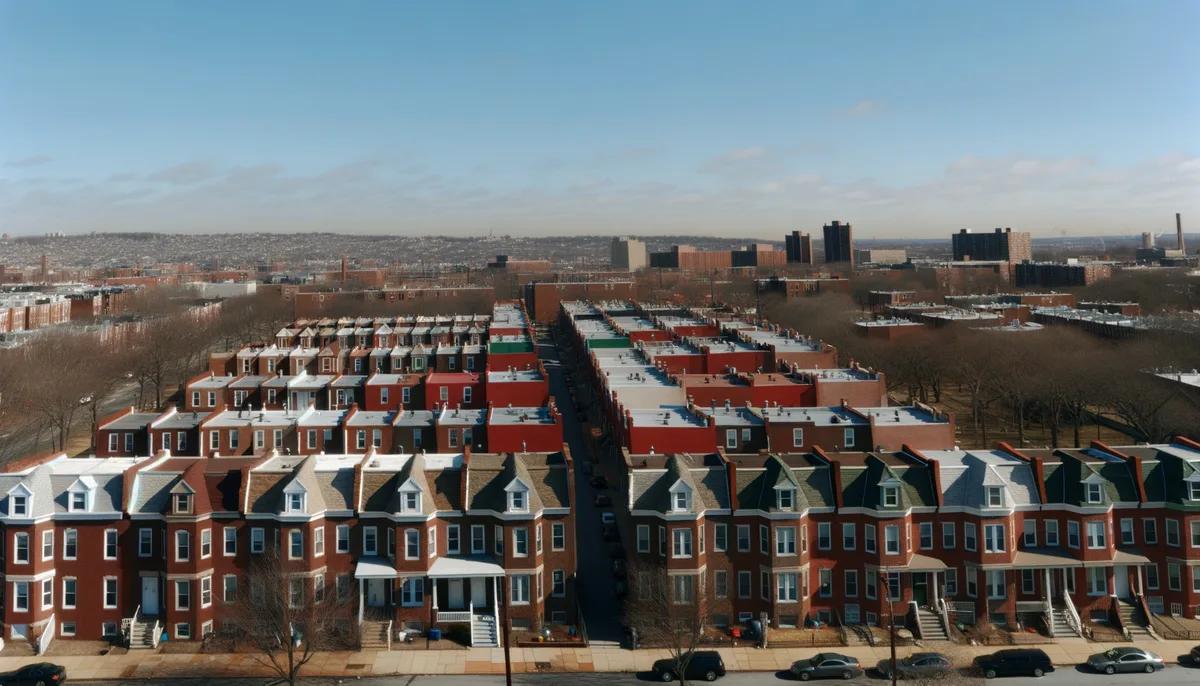
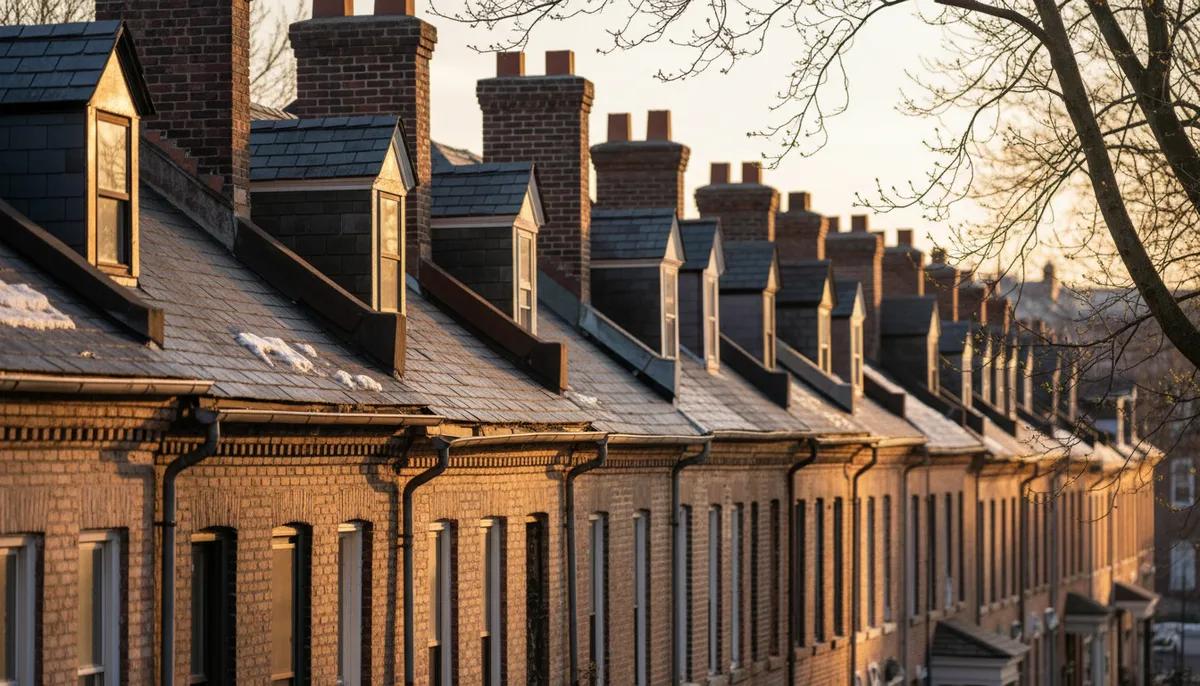
Philadelphia homeowners face unique challenges during the spring months due to fluctuating temperatures and frequent storms. These weather patterns can stress roofing materials, leading to potential damage. Understanding these local weather dynamics is the first step in preparing your roof for the season. Spring often brings heavy rain and occasional hail, which can exacerbate existing roof issues. Homeowners should be aware that Philadelphia's older row homes are particularly susceptible to water damage due to their age and design. Regular inspections can help identify vulnerabilities before they become significant problems.
A typical Philadelphia row home roof under a cloudy spring sky, illustrating potential weather challenges.
Understanding Philadelphia's Spring Weather Challenges

2

Step-by-Step Guide to Conducting a Spring Roof Inspection

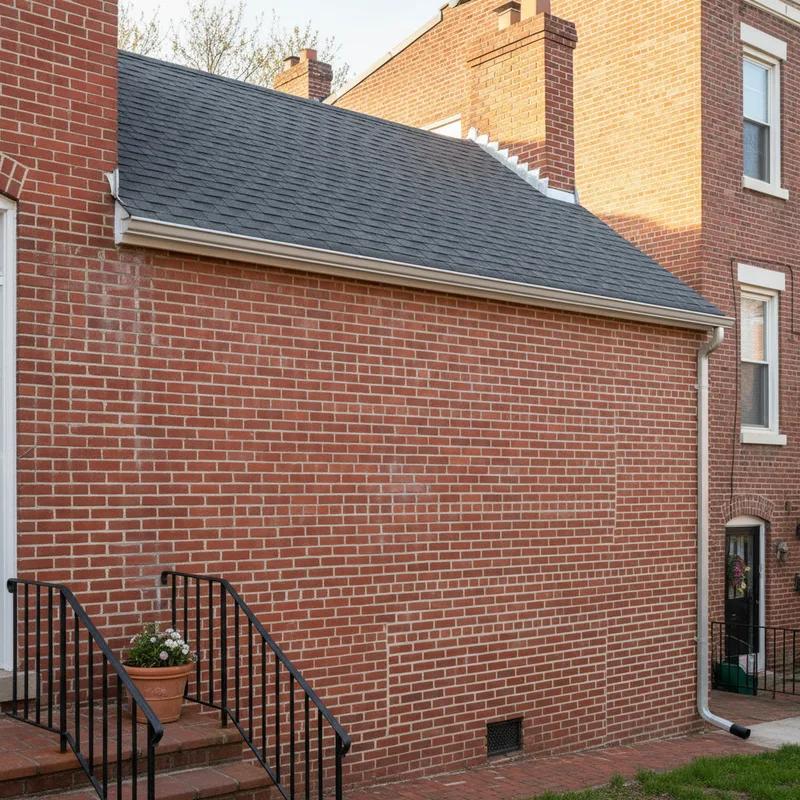
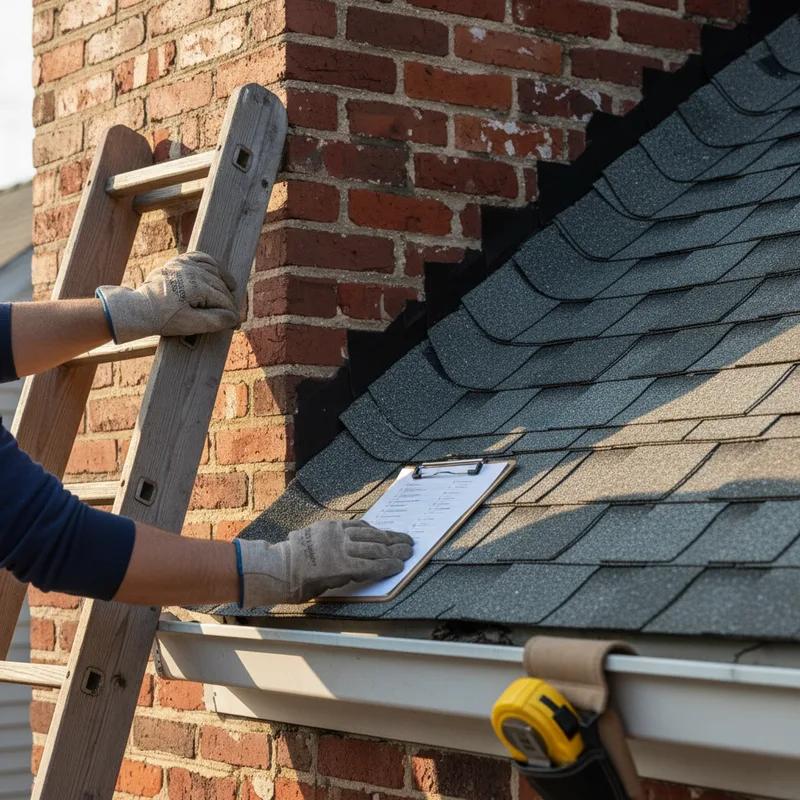
Conducting a spring roof inspection involves several key steps. Start by visually inspecting your roof from the ground, looking for missing shingles, debris, and signs of wear. Next, safely access the roof if possible, or hire a professional, to check for loose or damaged shingles, especially near the flashing and valleys where leaks are common. Pay special attention to the gutters, ensuring they are clear of debris to prevent water backup. Finally, inspect the attic for signs of moisture or light penetration, which can indicate roof damage. Using a checklist can streamline this process, ensuring all areas are evaluated thoroughly.

A homeowner using a checklist to conduct a spring roof inspection on a Philadelphia home, focusing on shingles and gutters.
Step-by-Step Guide to Conducting a Spring Roof Inspection

3

Identifying Common Roof Issues in Philadelphia Homes

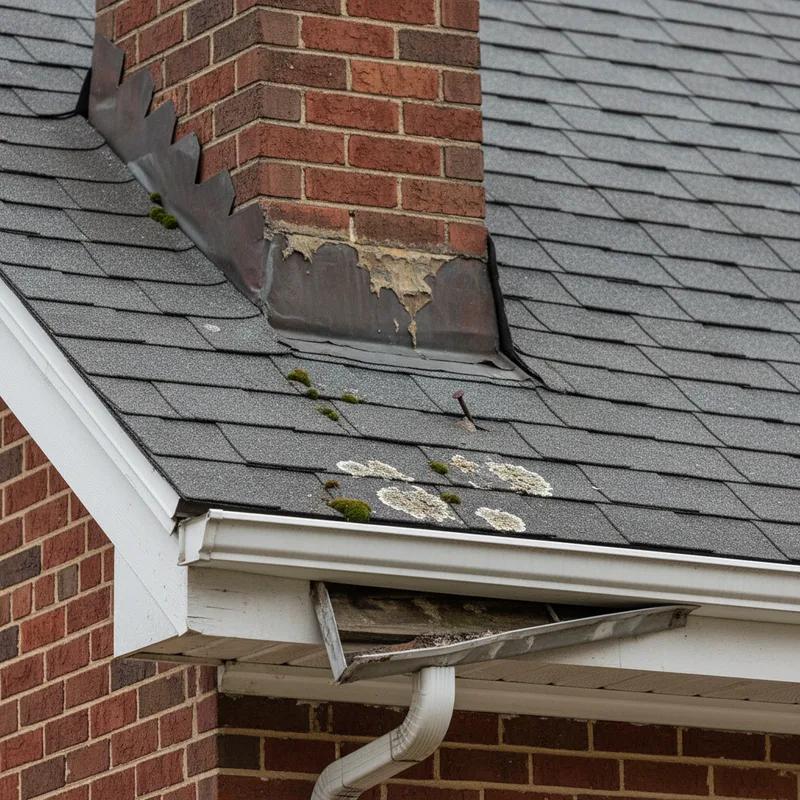
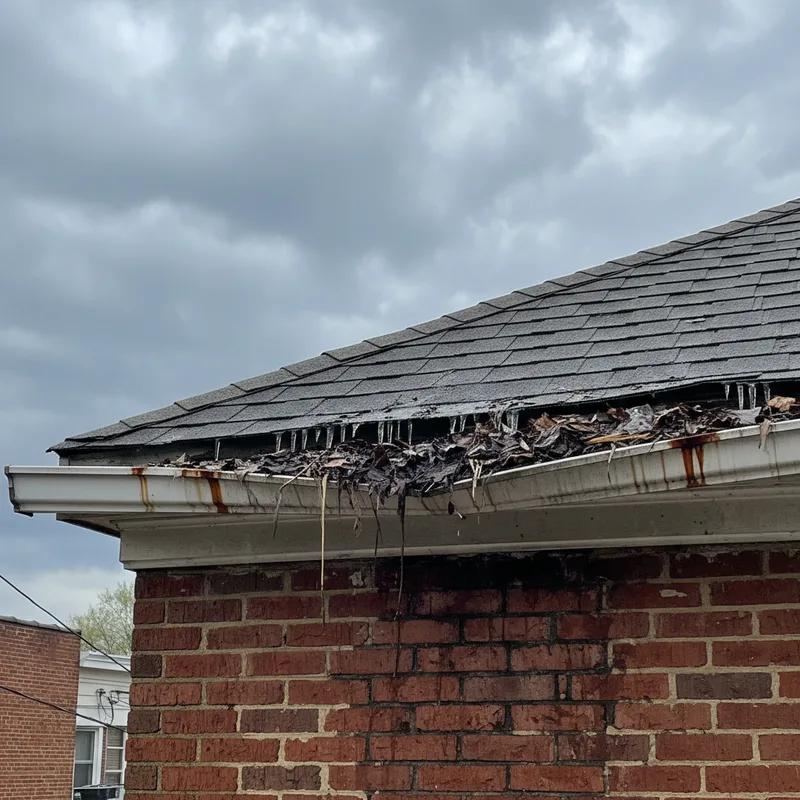
Philadelphia homes, particularly row homes, often face specific roofing challenges. Common issues include shingle deterioration, flashing failures, and gutter blockages. The city's diverse architecture means roofs can vary widely in style and material, from flat to pitched designs. This variety requires tailored inspection approaches. Regularly checking for mold, algae, and moss is essential, as these can thrive in Philadelphia's humid spring climate, leading to structural damage. It's crucial to address these problems promptly to maintain the roof's integrity and extend its lifespan.

Close-up of a Philadelphia row home's roof, highlighting common issues like shingle wear and moss growth.
Identifying Common Roof Issues in Philadelphia Homes

4

When to Call a Professional Roofer

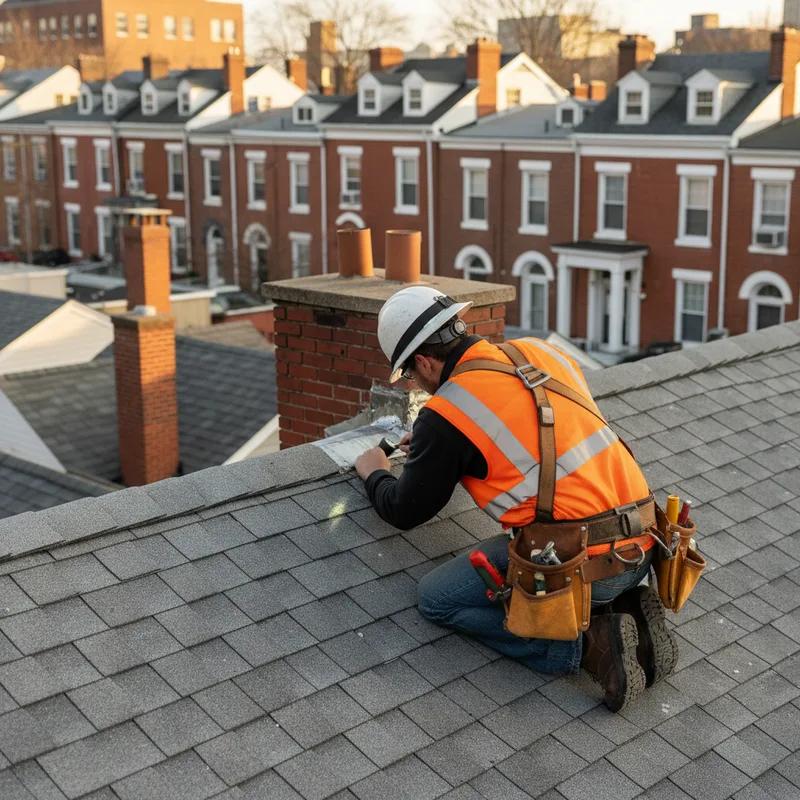
While many aspects of roof inspection can be handled by homeowners, there are times when professional expertise is essential. If you notice significant damage, such as large sections of missing shingles or visible sagging, it's time to call a professional. Philadelphia has a wealth of experienced roofing contractors familiar with local building codes and weather patterns. Hiring a professional not only ensures a thorough inspection but also provides peace of mind that any necessary repairs will be done correctly. Additionally, professionals can offer insights into preventive measures and maintenance tips specific to Philadelphia's climate.

A professional roofer inspecting a Philadelphia home, equipped with safety gear and tools, ensuring thorough evaluation.
When to Call a Professional Roofer

5

Local Resources and Support for Philadelphia Homeowners

Philadelphia homeowners have access to various resources for maintaining and repairing their roofs. The Philadelphia Department of Licenses & Inspections offers guidelines on building codes and permits required for significant roof work. Additionally, local nonprofit organizations sometimes provide financial assistance or low-cost repair options for eligible homeowners. Staying informed about available resources can help mitigate the costs associated with major repairs. It's advisable for homeowners to explore these options early in the spring to prepare for any necessary work.

Philadelphia Department of Licenses & Inspections building, highlighting local resources available for homeowners.
Local Resources and Support for Philadelphia Homeowners

Frequently Asked Questions

How often should I inspect my roof in Philadelphia?

It's recommended to inspect your roof at least twice a year, ideally in the spring and fall, to catch any seasonal damage early and prepare for upcoming weather changes.

What are the signs of roof damage after a storm?

Common signs of storm damage include missing or cracked shingles, leaks in the attic, water stains on ceilings, and debris accumulation in gutters.

Can I perform a roof inspection myself?

Yes, homeowners can perform basic inspections, but for safety and thoroughness, hiring a professional is recommended, especially for hard-to-reach areas or significant damage.

James Callahan
Founder & Editor, Philly Roof Find

James founded Philly Roof Find to give Philadelphia homeowners a transparent, independent resource for evaluating roofing contractors. With a background in building trades and a focus on local construction practices, he writes practical guides grounded in Philadelphia-specific building codes, materials, and contractor standards.