Why Roof Inspections Are Crucial for Philadelphia Homes in Spring

Discover why spring roof inspections are vital for Philadelphia homes to prevent costly repairs and maintain roof health.

Why Roof Inspections Are Crucial for Philadelphia Homes in Spring - Philadelphia roofing guide

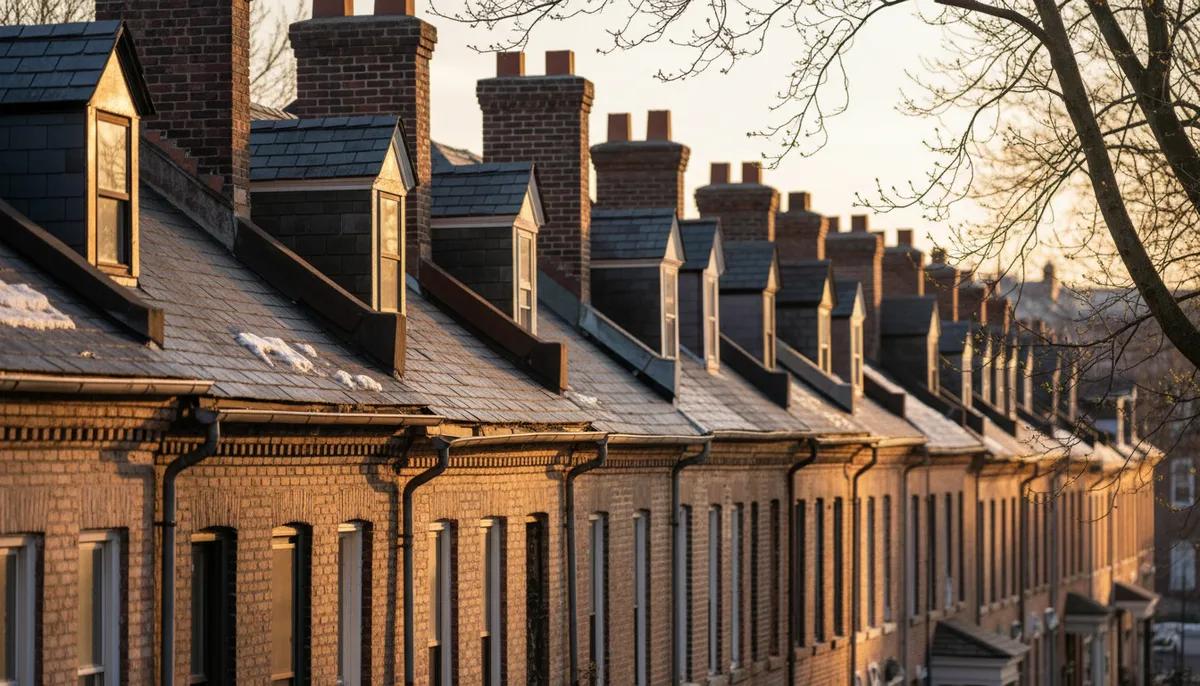
Spring is the ideal season for roof inspections in Philadelphia, offering homeowners the chance to address winter damage and prepare for summer storms.

James Callahan
Published March 6, 2026·Updated March 6, 2026
1

Understanding Philadelphia's Unique Climate Challenges

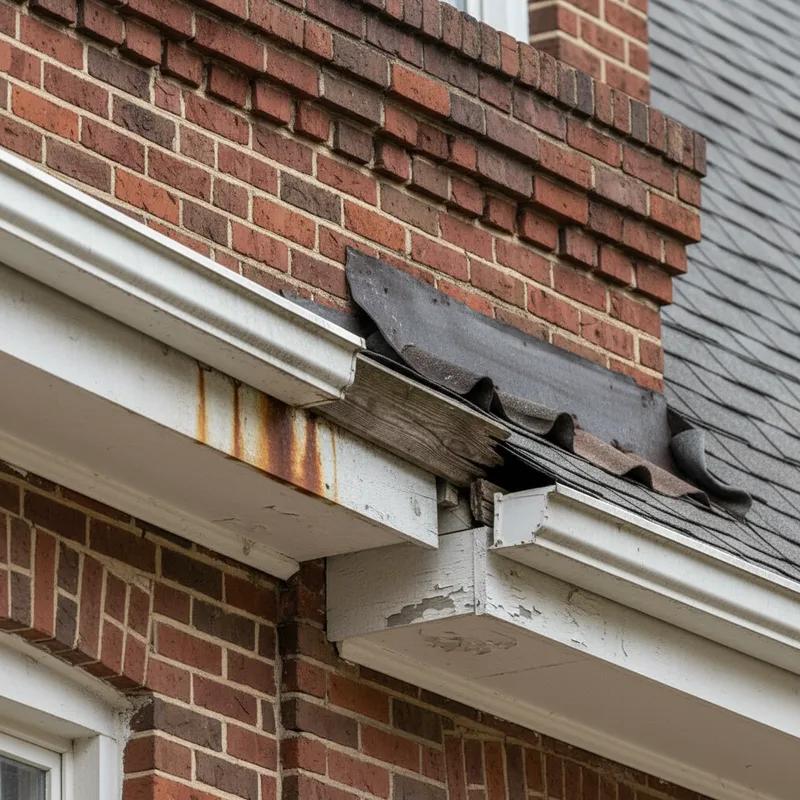
Philadelphia's climate poses specific challenges for homeowners, particularly when it comes to roof maintenance. Winters can be harsh, with accumulated snow and ice causing damage to roof structures. Spring, with its milder weather, is the perfect time to assess any winter damage. Additionally, the city's summer storms can be severe, making it crucial to ensure your roof is in optimal condition. Regular inspections help identify issues such as leaks, missing shingles, and structural weaknesses, which can exacerbate during extreme weather conditions. By addressing these issues in spring, Philadelphia homeowners can avoid more significant problems down the line.
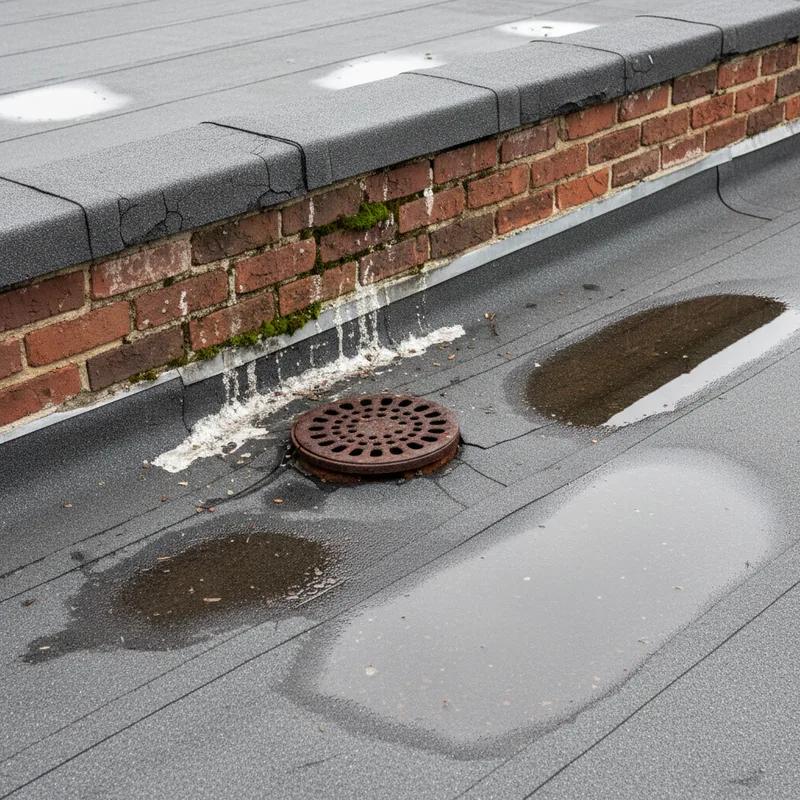
A rooftop in Philadelphia covered in snow and ice, illustrating winter weather challenges.
Understanding Philadelphia's Unique Climate Challenges

2

Philadelphia Building Codes and Standards

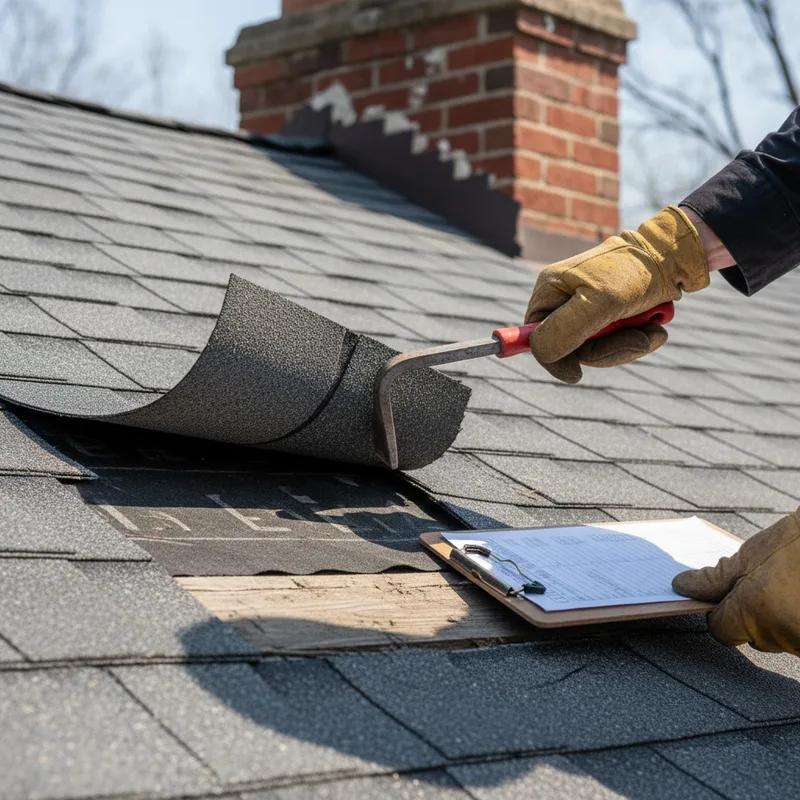
In Philadelphia, adhering to local building codes is essential, particularly for roofing. The Philadelphia Department of Licenses & Inspections mandates specific standards for roof repairs and replacements to ensure safety and durability. During a spring inspection, it is crucial to ensure that your roof complies with these codes. Engaging with a local contractor familiar with these regulations can help identify any non-compliance issues. This proactive approach not only ensures safety but also helps prevent potential fines or legal issues arising from code violations.

A roofing contractor examining a roof with a checklist in hand, ensuring compliance with Philadelphia building codes.
Philadelphia Building Codes and Standards

3

Common Roof Issues in Philadelphia's Row Homes

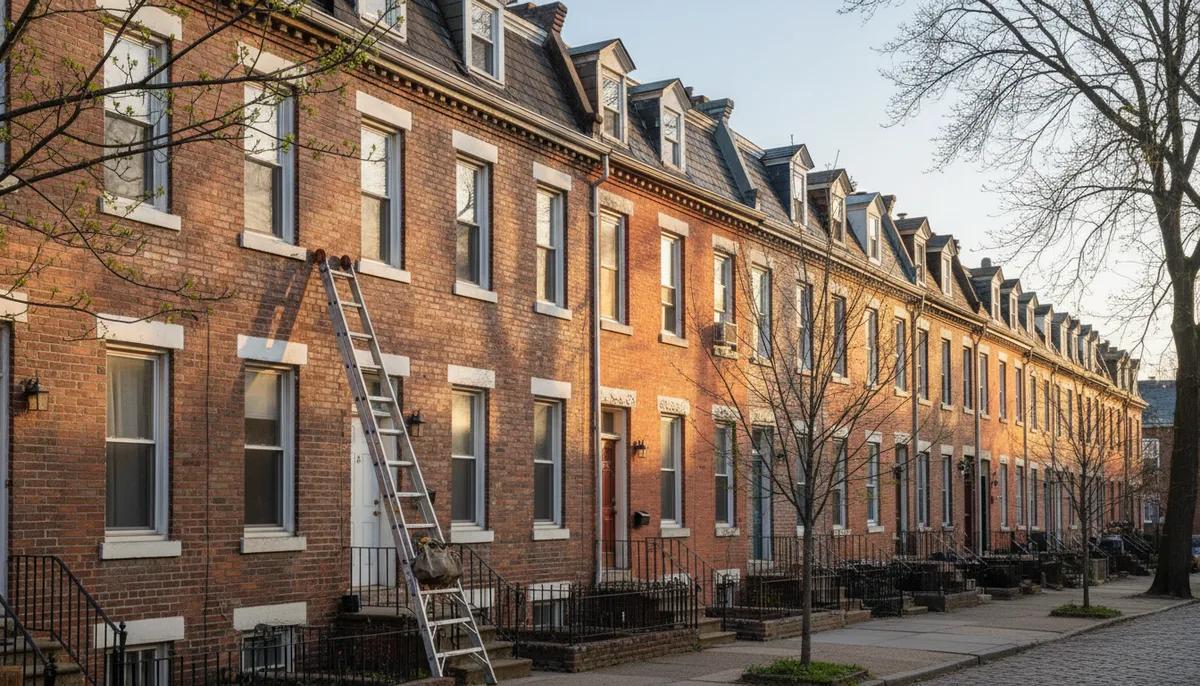
Philadelphia is known for its iconic row homes, which present unique roofing challenges. These homes often have flat or low-slope roofs, which are prone to water pooling and drainage issues. During spring inspections, it's crucial to check for signs of water damage, such as mold or mildew, and ensure that gutters and downspouts are clear of debris. A thorough inspection can also identify potential structural issues caused by the tight spacing of row homes, where shared walls and roofs can complicate repairs.

A series of Philadelphia row homes with flat roofs, highlighting the unique roofing challenges they face.
Common Roof Issues in Philadelphia's Row Homes

4

The Role of Local Roofing Contractors

Choosing the right roofing contractor for your spring inspection is vital. Philadelphia's local contractors have a deep understanding of the city's specific roofing needs and challenges. They are familiar with the common issues that arise in different neighborhoods, from Old City to South Philly. Hiring a reputable local contractor ensures that inspections are thorough and repairs are tailored to your roof's specific needs. When selecting a contractor, look for those with strong community ties and positive reviews to ensure quality service.

A Philadelphia roofing contractor discussing inspection results with a homeowner, with city skyline in the background.
The Role of Local Roofing Contractors

5

Preventative Measures to Extend Roof Lifespan

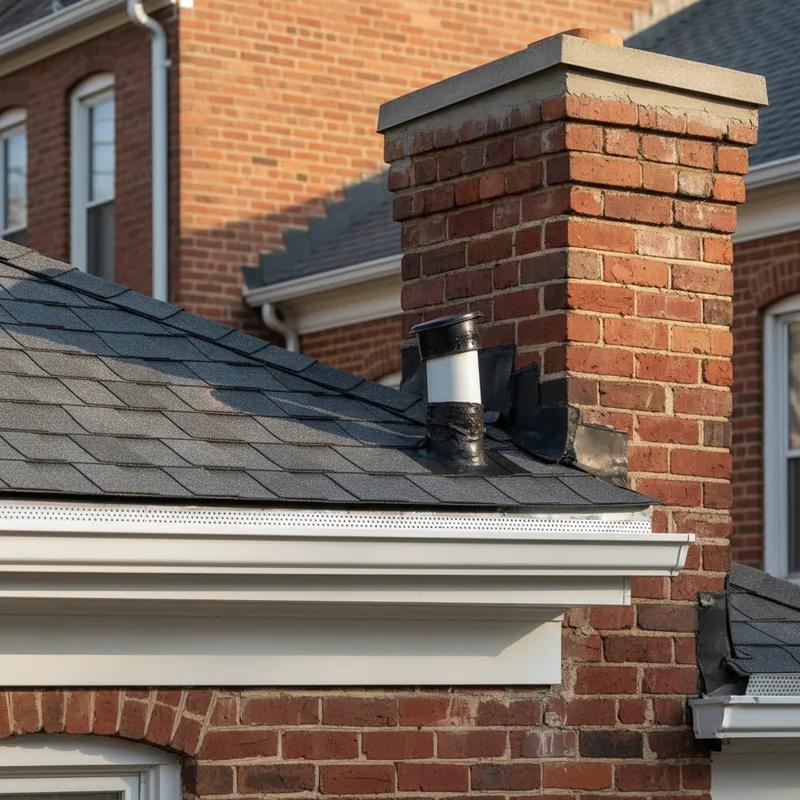
Regular spring inspections are a key component of preventative roof maintenance. By identifying and addressing minor issues early, homeowners can significantly extend the lifespan of their roofs. This proactive approach not only saves money by avoiding costly repairs but also enhances the overall value and safety of the home. Simple measures, such as cleaning gutters, trimming overhanging branches, and replacing damaged shingles, can prevent more serious problems. Additionally, investing in high-quality roofing materials and professional installation can further protect your home against Philadelphia's weather extremes.

A homeowner cleaning gutters and checking shingles on a Philadelphia roof as part of preventative maintenance.
Preventative Measures to Extend Roof Lifespan

6

Financial Considerations and Benefits of Regular Inspections

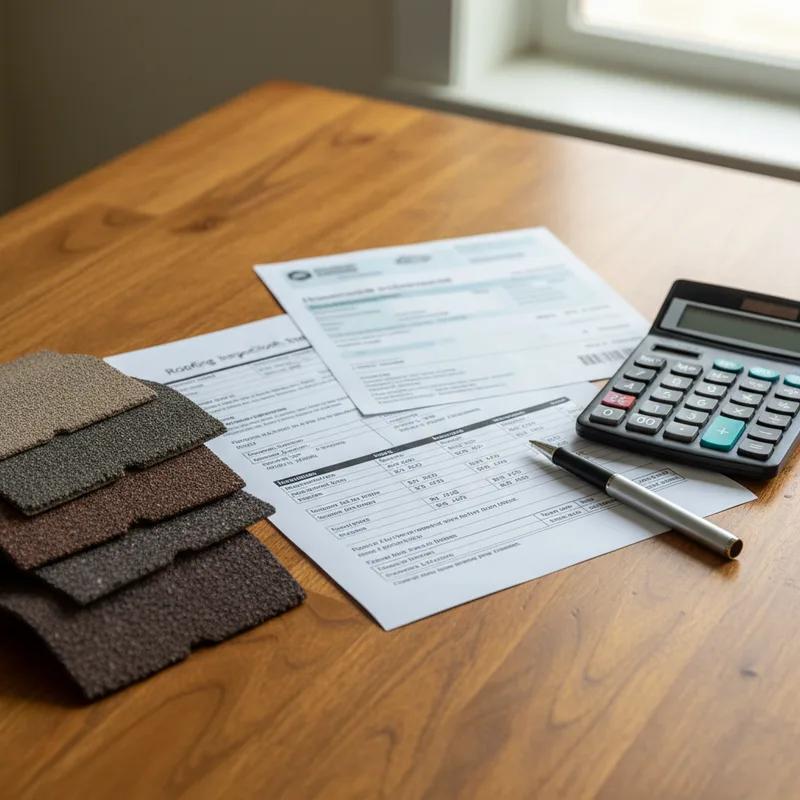
While the upfront cost of a professional roof inspection might seem like an unnecessary expense, it can save homeowners substantial amounts in the long run. Regular inspections help prevent major repairs, which can be significantly more expensive. In Philadelphia, there are also financial programs and grants available for necessary repairs and upgrades, making it more affordable for homeowners to maintain their roofs. Staying informed about these options and working with contractors who are knowledgeable about local financial aid can make a significant difference in managing roof maintenance costs.

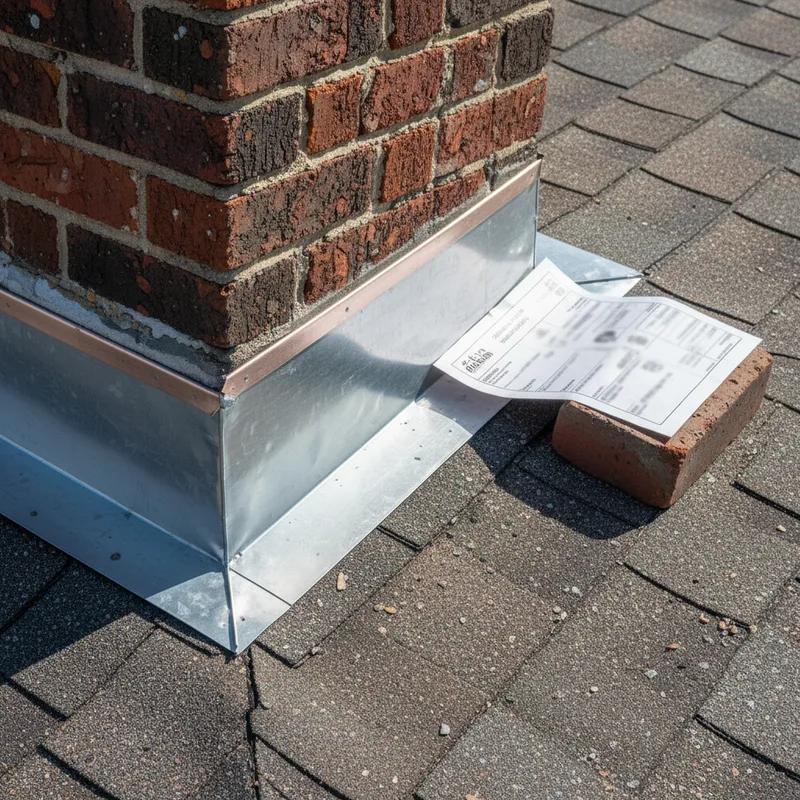
A close-up of a financial document showing cost savings and potential grants for roof maintenance in Philadelphia.
Financial Considerations and Benefits of Regular Inspections

Frequently Asked Questions

Why is spring the best time for roof inspections in Philadelphia?

Spring offers milder weather conditions, making it ideal for inspecting and repairing any winter damage. It also helps prepare your roof for summer storms.

What are common roof issues in Philadelphia row homes?

Common issues include water pooling on flat roofs, drainage problems, and structural challenges due to closely spaced homes and shared walls.

How can I find a reliable roofing contractor in Philadelphia?

Look for contractors with strong local ties, positive reviews, and familiarity with Philadelphia's specific roofing needs and building codes.

James Callahan
Founder & Editor, Philly Roof Find

James founded Philly Roof Find to give Philadelphia homeowners a transparent, independent resource for evaluating roofing contractors. With a background in building trades and a focus on local construction practices, he writes practical guides grounded in Philadelphia-specific building codes, materials, and contractor standards.