Roof replacement timeline: what Philadelphia homeowners should expect

Learn how long a roof replacement takes in Philadelphia, from the first estimate to final inspection. A neighborhood-by-neighborhood guide for Philly homeowners.

Roof replacement timeline: what Philadelphia homeowners should expect - Philadelphia roofing guide

Replacing a roof in Philadelphia involves more steps than most homeowners realize, from pulling permits with the Department of Licenses & Inspections to navigating the city's unpredictable weather windows.

James Callahan
Published April 11, 2026·Updated April 11, 2026
1

From First Call to Signed Contract: The Estimate Phase (Days 1–7)

The roof replacement process in Philadelphia officially begins the moment you pick up the phone or submit an online request to a local roofing contractor. Most reputable Philadelphia roofers can schedule an on-site estimate within two to five business days, though that window can stretch to a week or more during the busy spring and fall seasons when demand spikes across neighborhoods like Roxborough, Chestnut Hill, and Northeast Philadelphia.

During the estimate visit, a qualified contractor will inspect your existing roof, measure the square footage, assess the condition of the decking underneath, and evaluate any flashing around chimneys, skylights, or HVAC penetrations — all common problem areas on Philadelphia's older housing stock. Expect the visit itself to take 30 to 90 minutes depending on roof complexity.

After the visit, most contractors deliver a written estimate within one to three business days. You should receive at least two to three competing bids before signing anything. Once you've selected a contractor and signed a contract, many Philadelphia roofers will ask for a deposit — typically 10 to 30 percent of the total project cost. Be wary of anyone demanding more than one-third upfront, as that's a common red flag in the local market.

Practical tip: Ask each contractor during the estimate phase whether they handle permit applications or whether that responsibility falls to you. In Philadelphia, nearly all residential roof replacements require a permit from the Department of Licenses & Inspections (L&I), and the answer to this question will directly affect your overall timeline.
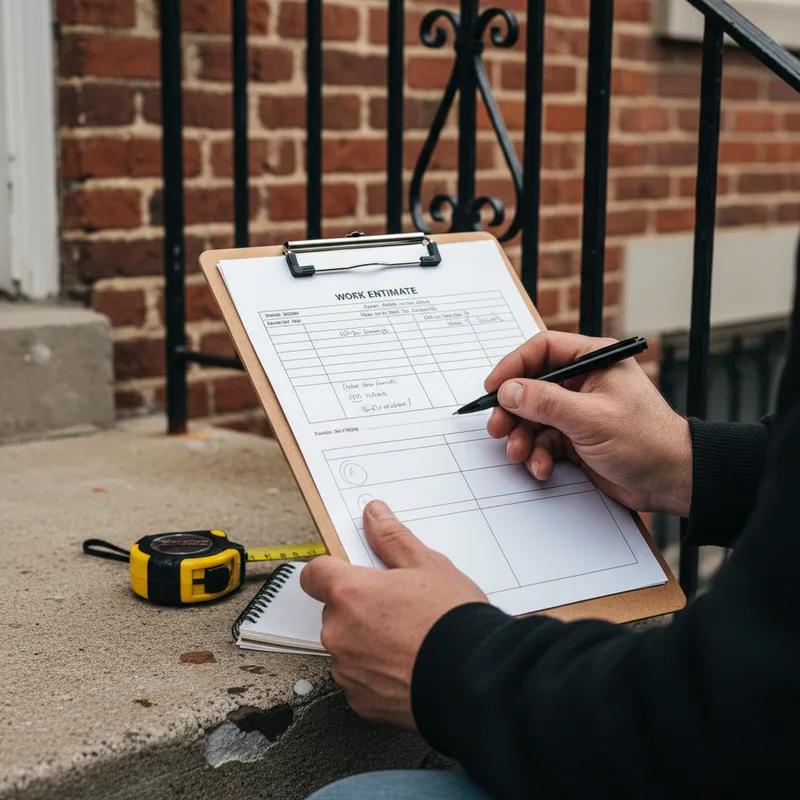
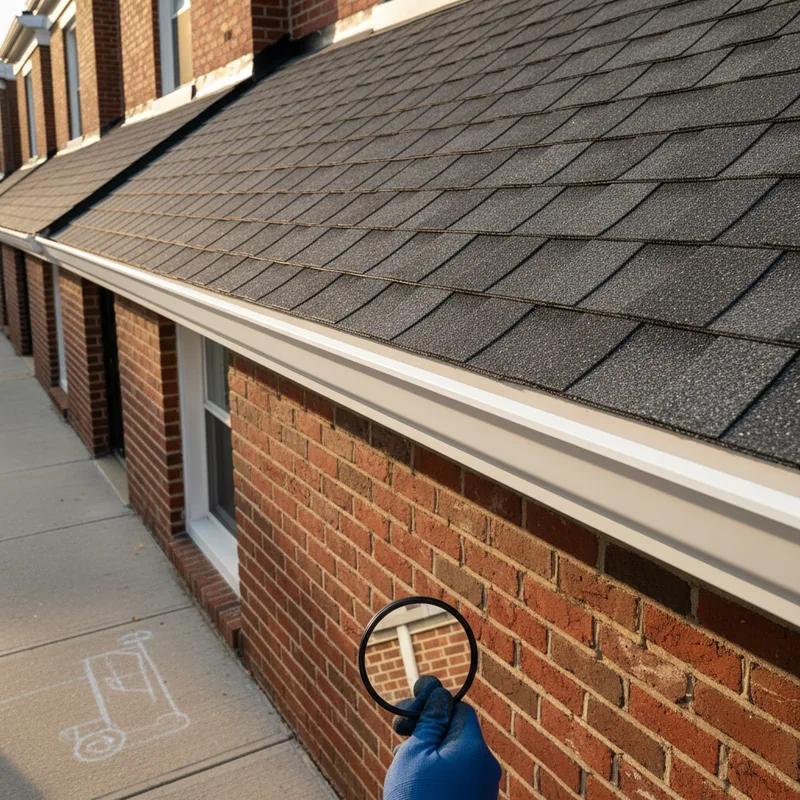
A Philadelphia roofing contractor standing on a ladder inspecting a row home roof in a residential neighborhood while taking notes on a clipboard
From First Call to Signed Contract: The Estimate Phase (Days 1–7)

3

Scheduling the Job: Weather, Seasons, and Contractor Availability (Days 7–30)

Once your permit is approved and your contract is signed, the next variable in your timeline is scheduling the actual installation. Philadelphia's climate creates distinct busy and slow seasons for roofing contractors, and your place in the queue will depend heavily on when you start the process.

Spring (April through June) and fall (September through November) are the peak seasons for roof replacements in the Philadelphia area. Temperatures are moderate, rainfall is manageable, and homeowners are motivated after winter damage assessments or before the next cold season. During these windows, lead times from contract signing to installation start can stretch to three to six weeks for the most in-demand contractors.

Summer scheduling is often faster — contractors have more availability and the dry stretches are long — but extreme heat can affect how asphalt shingles seal and adhere, particularly during heat waves that have become more frequent in the Philadelphia region. Winter replacements are possible and sometimes necessary after storm damage, but frozen decking, icy conditions, and cold-temperature adhesive limitations can complicate the job.

For Philadelphia row homes — which make up a significant portion of the city's housing stock — contractors must also coordinate access through narrow alleys or shared driveways, and may need to notify adjacent neighbors before staging materials or equipment. This logistical coordination adds a day or two to pre-installation planning in dense neighborhoods like Point Breeze, Passyunk Square, or Olney.

Actionable advice: If you're not in emergency territory, aim to start the estimate process in late winter (February or March) so your project is scheduled and permitted before the spring rush hits. You'll have more contractor options and potentially more negotiating leverage on price.

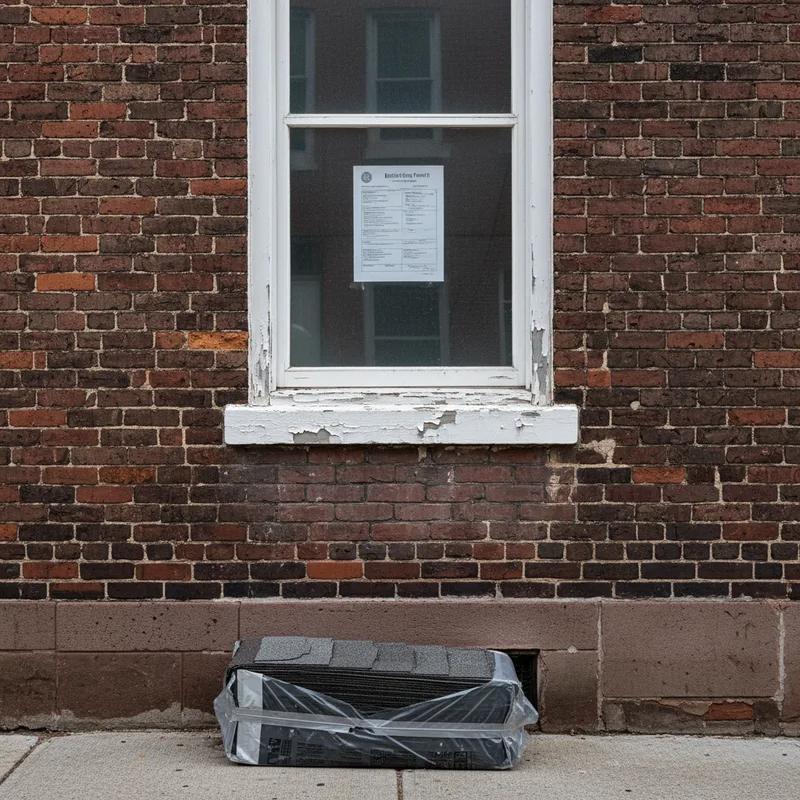
A roofing crew unloading bundles of asphalt shingles from a truck in front of a Philadelphia row home on a clear spring morning, with materials staged on the sidewalk
Scheduling the Job: Weather, Seasons, and Contractor Availability (Days 7–30)

4

Installation Day(s): What Actually Happens on Your Roof (1–3 Days)

For most Philadelphia homeowners, the actual roof installation is the shortest part of the entire process — and often the most surprising in its speed. A standard asphalt shingle replacement on a typical Philadelphia twin or detached single-family home can be completed in a single day by an experienced crew. More complex roofs, larger square footage, or homes requiring significant deck repair may take two to three days.

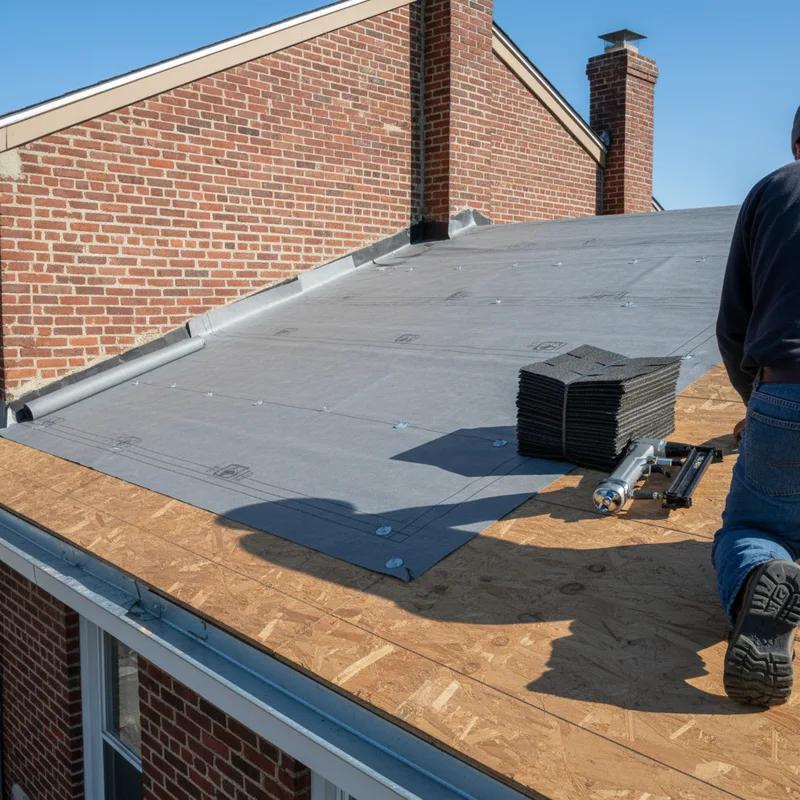
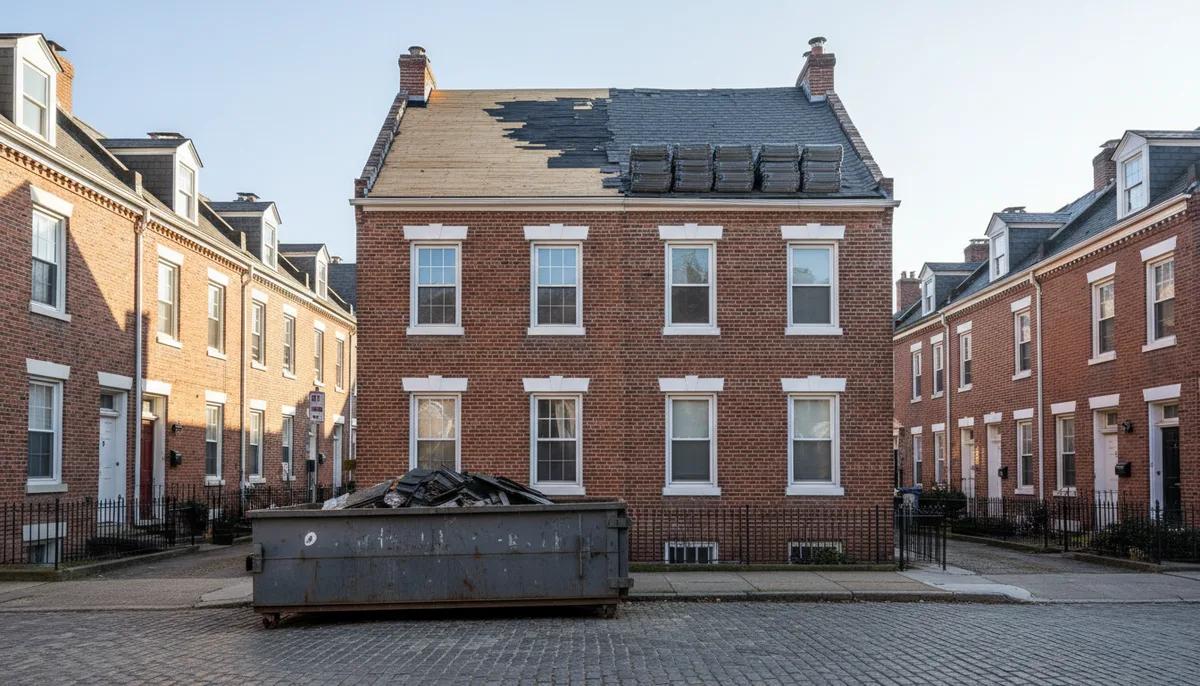
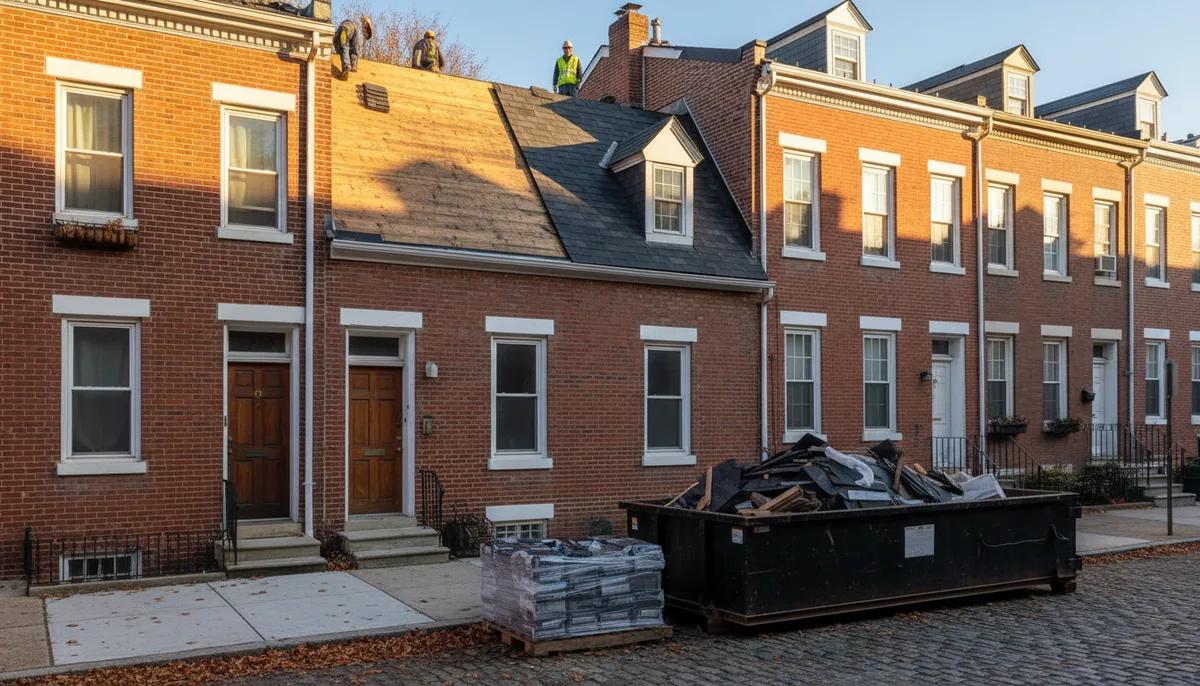
Here's what a typical installation day looks like: The crew arrives early — often by 7:00 or 7:30 a.m. — and begins stripping the existing roofing material down to the deck. Dumpsters or dump trailers are typically positioned in front of the home or in the alley, and debris is cleared continuously throughout the day. Once the deck is exposed, the crew inspects for rot, soft spots, or damaged sheathing and replaces any compromised sections before proceeding.

New underlayment is then installed, followed by ice-and-water shield along the eaves and in valleys — a critical layer in Philadelphia's climate given the region's susceptibility to ice dams during cold snaps. Drip edge, flashing, and the new roofing material are installed in sequence, with ridge caps and ventilation components completed last.

For Philadelphia flat roofs — whether EPDM, TPO, or modified bitumen — the process differs slightly. Membrane installation requires careful seaming and edge detailing, and some systems require adhesive curing time that may extend the job into a second day.

At the end of each work day, a responsible contractor will perform a magnet sweep of the surrounding ground to collect stray nails — especially important in South Philly and other neighborhoods where children play on narrow sidewalks and stoops. Make sure this is included in your contract.

A roofing crew actively installing new asphalt shingles on a Philadelphia row home roof, with old shingles stripped and stacked in a dumpster visible on the street below
Installation Day(s): What Actually Happens on Your Roof (1–3 Days)

5

Post-Installation: Inspections, Cleanup, and Final Sign-Off (Days 1–7 After Install)

Once installation is complete, the project isn't truly finished until a few critical post-installation steps are wrapped up. Understanding this final phase helps you avoid the common mistake of making final payment before everything is properly closed out.

First, your contractor should conduct a thorough walkthrough with you — either in person or via a detailed photo report — covering the new roof surface, all flashing points, ridge vents, and any penetrations. Ask to see photos of the completed underlayment, ice-and-water shield installation, and any deck repairs that were made during the job. Reputable Philadelphia contractors document this work as a matter of course.

Next comes the city inspection. For permitted projects in Philadelphia, L&I requires a final inspection to close out the permit. Your contractor is responsible for scheduling this inspection, and it typically occurs within a few business days of job completion. The inspector will verify that the work matches what was permitted and that it meets applicable sections of the Philadelphia Building Code, which references the International Residential Code with local amendments. Failing to close out a permit can create serious complications when you sell your home.

Cleanup is another area where quality varies significantly among Philadelphia contractors. The crew should remove all debris, haul away the dumpster, clear gutters of shingle granules, and leave the property in the same condition they found it — or better. Granule accumulation in gutters is extremely common after a shingle replacement and should be flushed out to prevent drainage issues.

Finally, make sure you receive all warranty documentation before issuing final payment. This includes both the manufacturer's material warranty (typically 25 to 50 years for architectural shingles) and the contractor's workmanship warranty, which in the Philadelphia market typically ranges from two to ten years depending on the company.

A Philadelphia homeowner and roofing contractor doing a final walkthrough inspection of a newly completed roof replacement, reviewing paperwork on a tablet while standing on the front steps of a brick row home
Post-Installation: Inspections, Cleanup, and Final Sign-Off (Days 1–7 After Install)

6

Total Timeline Summary and Tips for a Smoother Philadelphia Roof Replacement

Putting it all together, here's what a realistic roof replacement timeline looks like for most Philadelphia homeowners:

— Estimate phase: 2–7 days

— Permit application and approval: 5–21 days (longer for historic districts)

— Scheduling and contractor lead time: 7–30 days depending on season

— Installation: 1–3 days

— Post-installation inspection and closeout: 3–7 days

Total elapsed time from first call to final permit sign-off: roughly 3 to 8 weeks under normal conditions. Emergency situations — such as active leaks after a nor'easter or severe storm damage — can compress this timeline significantly, with some contractors able to perform emergency tarping immediately and expedited permitting available through L&I for documented emergency repairs.

To keep your project on track, follow these Philadelphia-specific tips:

Start early. Don't wait until your roof is actively leaking to begin the process. A proactive replacement scheduled in late winter or early spring gives you the most flexibility.

Verify contractor credentials. Confirm that your contractor holds a valid Philadelphia business license, carries general liability insurance, and is registered with the Pennsylvania Attorney General's Home Improvement Contractor (HIC) registry.

Budget for surprises. Deck rot and deteriorated flashing are extremely common in Philadelphia's older housing stock, particularly in homes built before 1970. Set aside 10 to 15 percent of your project budget for unexpected deck repairs.

Keep records. Save your permit number, inspection reports, warranty documents, and contractor invoices. These documents are valuable when filing insurance claims, applying for home improvement financing, or selling your property.

Understanding the full timeline empowers you to make confident decisions and avoid the pressure tactics that unscrupulous contractors sometimes use to rush homeowners into signing contracts before they're ready.

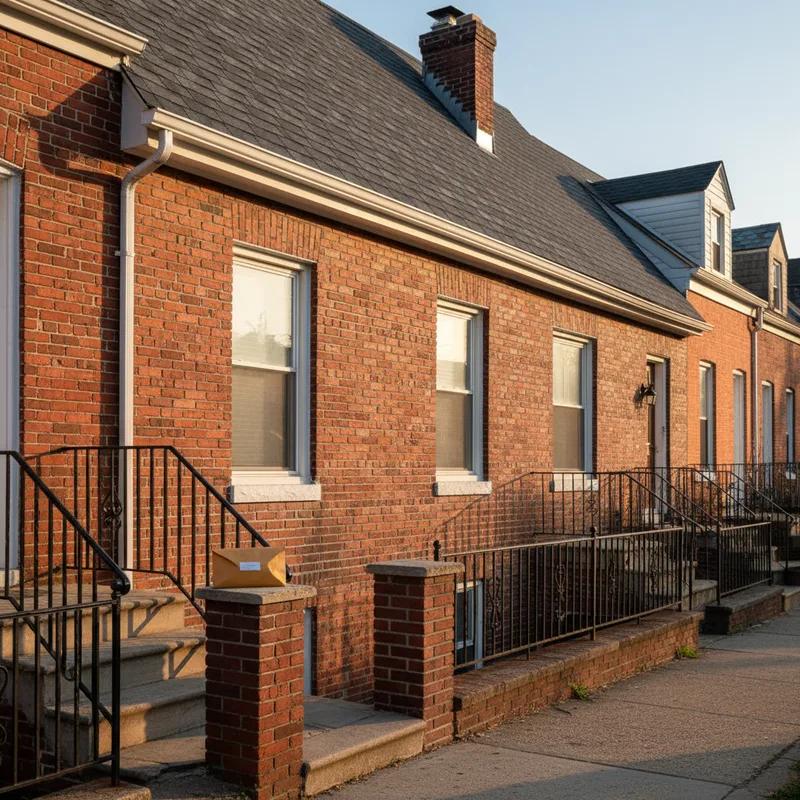
A newly completed asphalt shingle roof on a Philadelphia brick row home on a sunny day, with clean gutters and a tidy sidewalk visible, representing a successfully finished roof replacement project
Total Timeline Summary and Tips for a Smoother Philadelphia Roof Replacement

Frequently Asked Questions

How long does a roof replacement take in Philadelphia?

From first estimate to final permit closeout, most Philadelphia roof replacements take three to eight weeks total. The actual installation typically takes just one to three days, but permitting, contractor scheduling, and post-installation inspections add significant time to the overall process.

Do I need a permit to replace my roof in Philadelphia?

Yes. Philadelphia's Department of Licenses & Inspections (L&I) requires a building permit for most full roof replacements. Your contractor should apply for the permit on your behalf through the city's eCLIPSE online portal, and a final inspection is required to close out the permit after the work is complete.

What is the best time of year to replace a roof in Philadelphia?

Late summer and early fall (August through October) are generally ideal for roof replacements in Philadelphia — temperatures are moderate, dry stretches are common, and contractor availability is better than in peak spring season. Starting the estimate and permitting process in February or March helps you secure a spring slot before the rush.

How much does a roof replacement cost in Philadelphia?

Costs vary based on roof size, material, and complexity, but Philadelphia homeowners typically pay between $8,000 and $20,000 or more for a full asphalt shingle replacement on a standard row home or twin. Flat roof replacements using EPDM or TPO membranes are often priced per square foot and can range similarly. Always get at least three written estimates before committing.

Does a historic district designation affect my roof replacement timeline in Philadelphia?

Yes, significantly. If your home is located in one of Philadelphia's historic districts — such as parts of Society Hill, Germantown, or Rittenhouse Square — you may need approval from the Philadelphia Historical Commission before work begins, which can add one to four weeks to your overall timeline. Confirm your property's status early in the planning process.

James Callahan
Founder & Editor, Philly Roof Find

James founded Philly Roof Find to give Philadelphia homeowners a transparent, independent resource for evaluating roofing contractors. With a background in building trades and a focus on local construction practices, he writes practical guides grounded in Philadelphia-specific building codes, materials, and contractor standards.