Best Time of Year to Replace Your Roof in Philadelphia

Discover the best season to replace your roof in Philadelphia. Expert seasonal guide covering weather, contractor availability, and timing tips for Philly homeowners.

Best Time of Year to Replace Your Roof in Philadelphia - Philadelphia roofing guide

Timing your roof replacement in Philadelphia can mean the difference between a smooth project and costly weather delays.

James Callahan
Published March 10, 2026·Updated March 10, 2026
1

Why Timing Your Roof Replacement Matters in Philadelphia

Philadelphia sits in a climate zone that delivers genuinely challenging weather across all four seasons — frigid winters with ice and snow, humid summers that push temperatures into the 90s, and spring and fall shoulder seasons that can swing wildly from week to week. For homeowners in neighborhoods like Roxborough, Germantown, or South Philly, that variability isn't just uncomfortable — it directly affects how well a new roof gets installed and how long it lasts.

Asphalt shingles, the most common roofing material on Philadelphia's row homes and twin houses, require temperatures above 40°F to seal properly. Below that threshold, the self-sealing adhesive strips on shingles won't activate, leaving your roof vulnerable to wind uplift and water infiltration. On flat roofs — extremely common across Fishtown, Point Breeze, and West Philadelphia — modified bitumen and EPDM membranes have their own temperature sensitivities that can affect adhesion and seam integrity.

Beyond material performance, timing affects contractor availability, permit processing times through the Philadelphia Department of Licenses and Inspections (L&I), and even your out-of-pocket costs. Scheduling during peak season means competing with every other homeowner who had the same idea, which can drive up prices and extend wait times. Choosing the right window gives you access to experienced crews, better scheduling flexibility, and often more competitive bids.

Finally, Philadelphia's older housing stock — much of it built before 1950 — means many roofs are already overdue for replacement. Delaying a replacement into an unfavorable season because you didn't plan ahead is one of the most common and avoidable mistakes local homeowners make. Understanding the seasonal landscape puts you in control of the process from the start.
2

Fall: The Gold Standard for Philadelphia Roof Replacements

If you ask most experienced Philadelphia roofing contractors when they prefer to work, the majority will say fall — specifically late September through mid-November. The reasons are straightforward and compelling for homeowners across the city.

Temperatures during this window typically stay between 45°F and 70°F, which is the sweet spot for asphalt shingle installation. The adhesive strips seal reliably, crews work efficiently without heat exhaustion, and the lower humidity compared to summer reduces the risk of trapped moisture under new roofing materials. For flat roofs common in neighborhoods like Kensington and Gray's Ferry, cooler fall temperatures also make working with torch-down modified bitumen safer and more manageable.

Fall also gives your new roof time to fully seal and settle before Philadelphia's winter weather arrives. Ice, snow, and freeze-thaw cycles put real stress on a roof, and having several weeks of mild weather after installation allows materials to bond properly and any minor adjustments to be made before conditions deteriorate.

From a planning perspective, scheduling in early fall — say, August or September — means you're booking contractors before the late-season rush. Many Philadelphia roofers see a surge of calls in October from homeowners who suddenly realize winter is weeks away. Getting on the calendar early gives you more contractor options and more negotiating room on price.

One practical note for Philadelphia homeowners: fall is also an ideal time to address any L&I permit requirements before the holidays slow down city offices. Roof replacements in Philadelphia generally require a building permit, and processing times can vary. Starting your project in early fall gives you buffer time if paperwork takes longer than expected. Check the current requirements at the Philadelphia L&I portal before scheduling work.


3

Spring: A Strong Second Choice With Some Caveats

Spring — roughly late March through May — is the second most popular season for roof replacements in Philadelphia, and for good reason. After a winter of ice, snow, and freeze-thaw damage, many homeowners discover their roofs need attention, and the improving weather makes it practical to act quickly.

Temperatures in April and May are generally favorable for shingle installation, and longer daylight hours mean crews can complete more work per day. For homeowners in neighborhoods like Chestnut Hill or Mount Airy, where mature tree canopy can complicate winter and fall access, spring offers better visibility and easier site conditions.

The main caveat with spring in Philadelphia is rain. March and April are historically among the city's wettest months, and roofing work cannot safely proceed on wet or icy surfaces. Contractors working in spring need to be flexible and experienced at scheduling around weather windows. Ask any contractor you're considering how they handle rain delays and what their policy is for protecting an exposed roof deck overnight or over a weekend.

Spring is also when Philadelphia contractor demand starts climbing steeply. Homeowners who delayed fall projects, insurance claims from winter storms, and new construction activity all compete for the same crews. Booking your spring project in January or February — before the rush — is strongly advisable.

For flat roof systems, spring can be an excellent time to replace or repair membranes before summer heat stresses aging materials. If your flat roof in West Philly or South Philly made it through another winter but is showing wear, a spring replacement gives the membrane a full season to cure and perform before the hottest months arrive. Just be sure your contractor accounts for Philadelphia's spring rain patterns when building the project timeline.


4

Summer and Winter: When Roof Replacement Gets Complicated

Summer and winter aren't impossible times to replace a roof in Philadelphia, but both seasons come with real trade-offs that homeowners should understand before committing to a project.

Summer — June through August — brings heat and humidity that create challenges for both materials and workers. Philadelphia summers regularly see heat indices above 95°F, which makes rooftop work physically grueling and can affect the quality of installation. Asphalt shingles can become soft and scuff easily in extreme heat, and crews working in dangerous heat conditions may rush or take shortcuts. That said, summer can work well for projects that are carefully scheduled for early morning starts, and it's sometimes the only practical option for homeowners dealing with an urgent failure.

Summer is also peak season, meaning contractor availability is tighter and prices are often higher. If you're getting multiple bids in July, don't be surprised to see quotes running higher than they would in fall or early spring.

Winter presents different problems. Philadelphia winters bring temperatures that regularly dip below the 40°F threshold for proper shingle sealing, plus the risk of snow, ice, and frozen decking that makes rooftop work dangerous. Ice dam formation — a common issue in Philadelphia's older homes with inadequate attic insulation — can complicate an already challenging installation environment.

That said, emergency replacements sometimes can't wait. If a winter storm has compromised your roof in Northeast Philadelphia or Manayunk, a reputable contractor can still perform quality work by hand-sealing shingles individually and taking extra precautions with the deck. The key is hiring someone experienced with cold-weather installation techniques — not every contractor has this expertise.

If you find yourself needing winter work, ask specifically about the contractor's cold-weather protocols and whether they warranty installations performed below 40°F.


5

Philadelphia-Specific Factors That Affect Your Timing Decision

Beyond the weather calendar, several Philadelphia-specific factors should shape when you schedule your roof replacement — and ignoring them can cost you time and money.

Building permits are required for most roof replacements in Philadelphia under the city's building code, administered by the Department of Licenses and Inspections. Processing times fluctuate based on L&I workload, and certain times of year — particularly late spring and early summer — see higher application volumes that can extend wait times. Factor permit processing into your timeline, especially if you're targeting a specific start date. Your contractor should be familiar with current L&I requirements and ideally handle the permit application on your behalf.

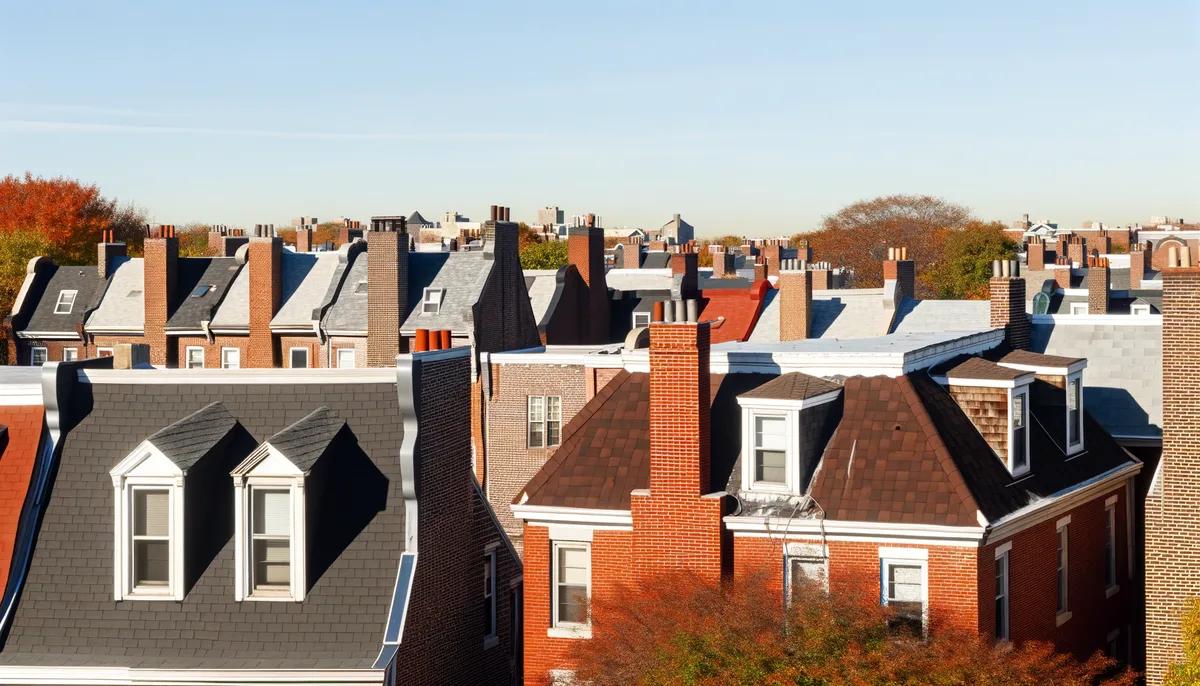
Philadelphia's housing stock is dominated by attached row homes, twins, and older semi-detached houses. These structures create unique logistical considerations: limited staging space, shared walls that require careful debris management, and in some historic districts like Society Hill or Germantown, design review requirements that can add time to the approval process. If your home is in a locally designated historic district, confirm whether your roofing materials need approval before scheduling work.

Contractor availability in Philadelphia is genuinely seasonal. The city's roofing workforce is in highest demand from late April through October. Booking early — ideally two to three months in advance for non-emergency work — gives you access to the most reputable contractors rather than whoever happens to have an opening. Use a directory like Philly Roof Find to compare vetted local contractors and read verified reviews from other Philadelphia homeowners.

Finally, if you're exploring any city or state assistance programs for home repair, processing and approval timelines for those programs should factor into your scheduling. Waiting for funding confirmation before booking a contractor is wise, but don't let administrative delays push you into a difficult season unnecessarily.


6

How to Plan Your Roof Replacement Timeline Start to Finish

Once you've identified your target season, building a realistic project timeline keeps everything on track and reduces the stress of a major home improvement project.

Start with a professional roof inspection — ideally in late summer or early fall if you're targeting a fall project, or in late winter if you're planning for spring. A thorough inspection gives you a clear picture of the scope of work, identifies any underlying deck damage or ventilation issues, and forms the basis for accurate contractor quotes. Many Philadelphia roofing contractors offer free inspections, and an independent inspection from a certified home inspector can provide an unbiased baseline.

Once you have an inspection report, collect at least three written bids from licensed Philadelphia contractors. Each bid should specify materials, labor, permit handling, debris removal, and warranty terms. Be wary of bids that are significantly lower than the others — in Philadelphia's roofing market, unusually low quotes often signal unlicensed work, inferior materials, or plans to subcontract to less experienced crews.

After selecting a contractor, confirm the permit application timeline and get a written project start date. For fall projects, aim to have a signed contract and permit in process by mid-September at the latest. For spring projects, lock in your contractor by February.

During the project, make sure someone is available to provide access, answer questions, and do a daily walk-around to check progress. Philadelphia row home roofs are often completed in one to two days for a straightforward replacement, but more complex jobs — or those involving deck repairs, new flashing around chimneys and skylights, or flat roof membrane work — can take longer.

After completion, request all warranty documentation, the final permit inspection sign-off from L&I, and a written record of materials used. Store these documents with your home records — they're valuable if you ever sell the property or need to file an insurance claim.

Frequently Asked Questions

What is the best month to replace a roof in Philadelphia?

October is widely considered the best single month for roof replacement in Philadelphia, offering consistently mild temperatures, low humidity, and enough time before winter for materials to seal properly. Late September and early November are also excellent options. Booking your contractor in August or early September ensures you get a spot before the fall rush.

Can you replace a roof in winter in Philadelphia?

Yes, but it requires extra care. Asphalt shingles need temperatures above 40°F to seal properly, so cold-weather installations require hand-sealing each shingle individually. Reputable Philadelphia contractors can perform quality winter replacements for emergency situations, but it's more expensive and carries more risk than work done in milder seasons. Always ask about cold-weather protocols and warranty coverage.

Do I need a permit to replace my roof in Philadelphia?

Yes, most roof replacements in Philadelphia require a building permit from the Department of Licenses and Inspections (L&I). Your contractor should handle the permit application as part of the project. Factor permit processing time into your project timeline, especially during busy seasons when L&I volumes are higher.

How far in advance should I book a roofing contractor in Philadelphia?

For fall projects, book two to three months in advance — ideally by August or early September. For spring projects, aim to have a signed contract by February. Philadelphia's most reputable roofing contractors fill their schedules quickly during peak season, and last-minute bookings often mean working with whoever is available rather than whoever is best.

Does the type of roof affect the best time to replace it in Philadelphia?

Yes. Asphalt shingle roofs on pitched homes perform best when installed between 45°F and 85°F, making fall and spring ideal. Flat roofs using modified bitumen or EPDM membranes also prefer moderate temperatures for proper adhesion and seam sealing. Torch-down flat roof work in particular should avoid extreme cold or heat, making early fall and late spring the optimal windows for Philadelphia's many flat-roofed row homes.

James Callahan
Founder & Editor, Philly Roof Find

James founded Philly Roof Find to give Philadelphia homeowners a transparent, independent resource for evaluating roofing contractors. With a background in building trades and a focus on local construction practices, he writes practical guides grounded in Philadelphia-specific building codes, materials, and contractor standards.