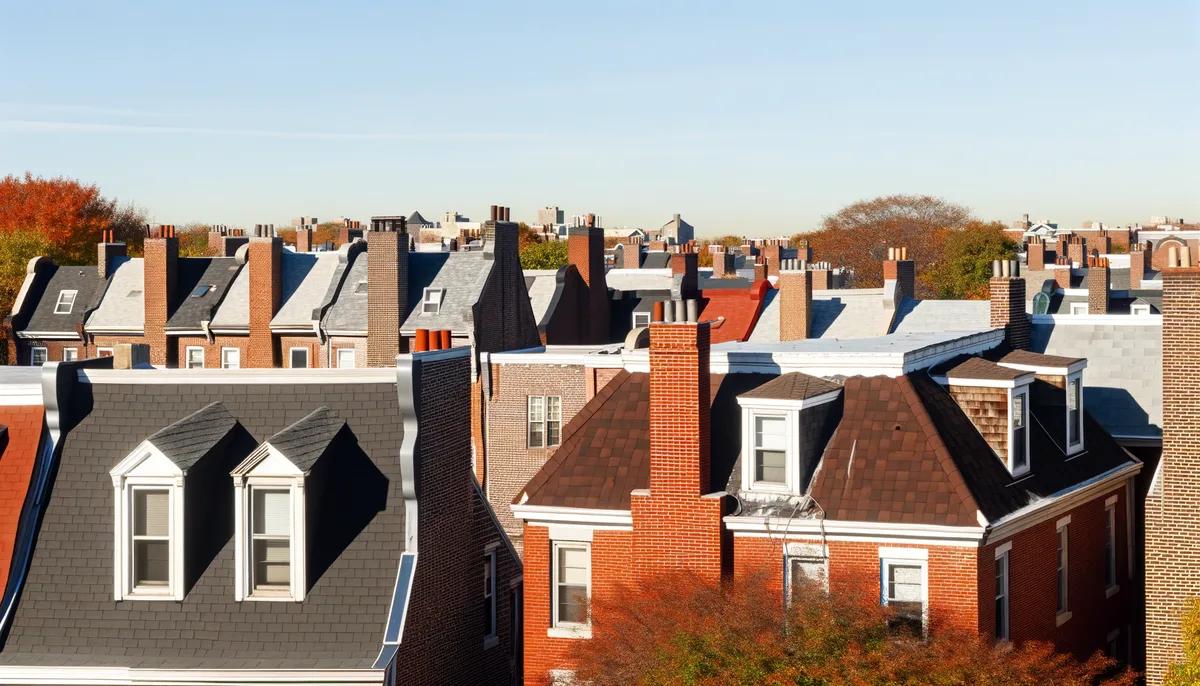
Fall Roof Maintenance Tips for Philadelphia Homeowners

Prepare your Philadelphia home for winter with our essential fall roof maintenance tips, designed to help you avoid costly repairs and protect your investment.

Fall Roof Maintenance Tips for Philadelphia Homeowners

Get your Philadelphia home's roof ready for winter with these essential fall maintenance tips.

James Callahan
Published February 13, 2026·Updated February 13, 2026
1

Understanding Philadelphia's Unique Weather Patterns

Philadelphia's weather is characterized by its distinct seasonal changes, which can significantly impact your roof. In fall, temperatures typically range from 50 to 70 degrees Fahrenheit, with increased rainfall. This weather pattern makes it essential for homeowners to prepare their roofs for the upcoming winter months.

Philadelphia's fall season often brings heavy rain and occasional storms, which can exacerbate existing roof issues such as leaks or damaged shingles. Homeowners should pay close attention to their roof's condition during this time, as small problems can quickly become larger, more expensive repairs. By understanding these local weather patterns, you can take proactive steps to ensure your roof is ready to handle the winter months ahead.
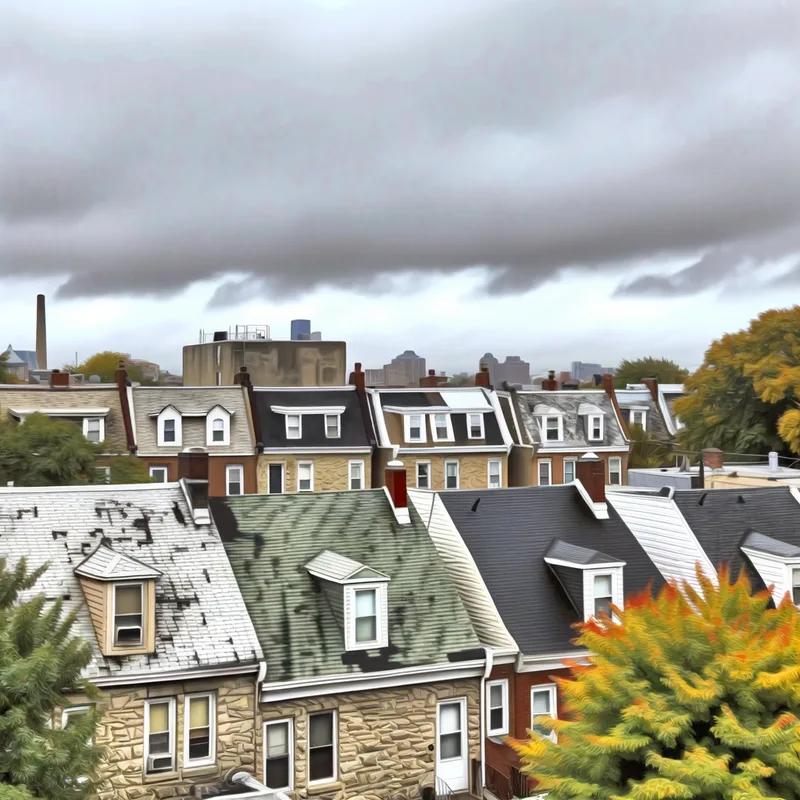
Understanding Philadelphia's Unique Weather Patterns

2

Inspecting Your Roof for Damage

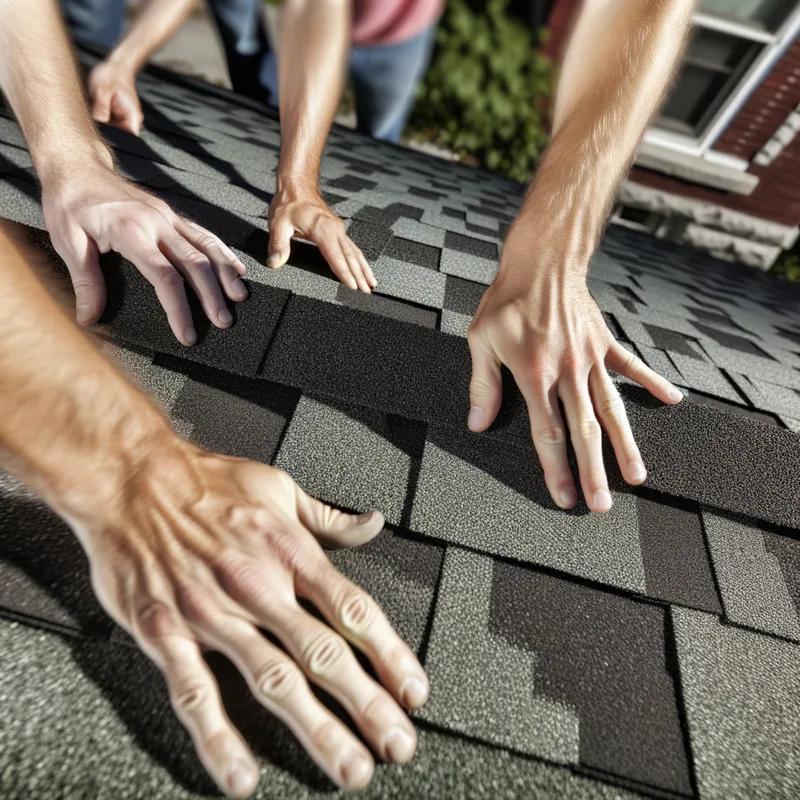
A thorough roof inspection is crucial for Philadelphia homeowners in the fall. Start by examining both the exterior and interior of your roof for signs of damage. On the outside, look for missing, cracked, or curling shingles, as these can lead to leaks and water damage. Additionally, inspect the flashing around chimneys and vents to ensure it's intact and properly sealed.

Inside your home, check the attic for signs of water intrusion, such as damp insulation or water stains on the ceiling. If you're uncomfortable with heights or unsure about what to look for, consider hiring a local roofing contractor. Philadelphia has numerous reputable contractors who are familiar with the city's unique building codes and roof styles, such as those commonly found on row homes.

Inspecting Your Roof for Damage

3

Cleaning Gutters and Downspouts

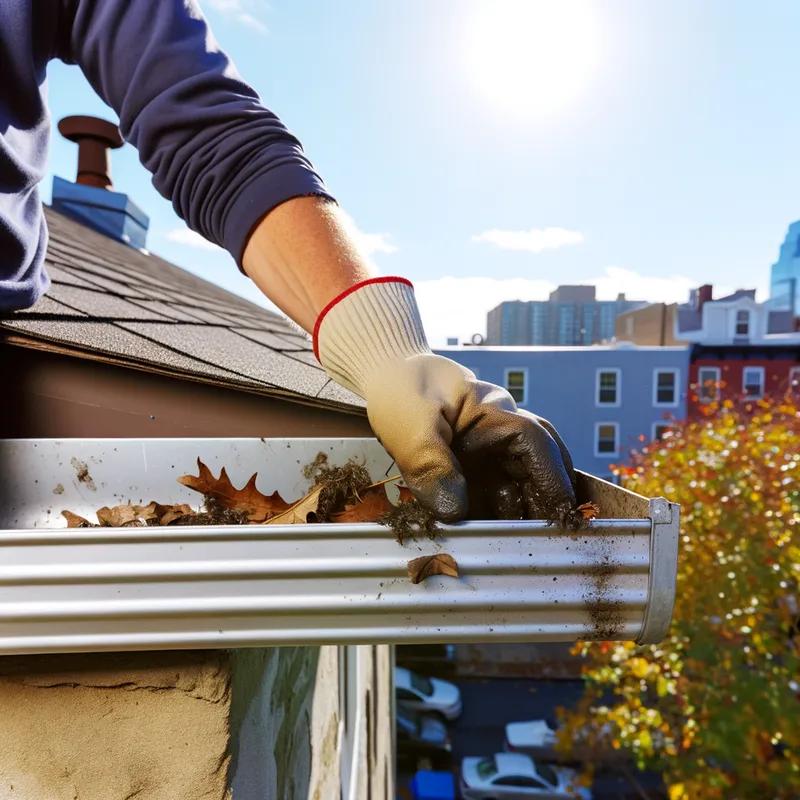
Keeping your gutters and downspouts clear of debris is vital for proper water drainage. In Philadelphia, where tree-lined streets are common, leaves, twigs, and other debris can quickly accumulate in gutters during the fall.

Clogged gutters can lead to water overflow, which can damage your roof, siding, and foundation. Regularly cleaning your gutters ensures water flows freely and prevents ice dams from forming in the winter. Use a sturdy ladder and gloves to remove debris, and flush the gutters with a hose to ensure they're clear. If your home is in an area with many trees, consider installing gutter guards to minimize debris buildup.

Cleaning Gutters and Downspouts

4

Addressing Roof Ventilation and Insulation

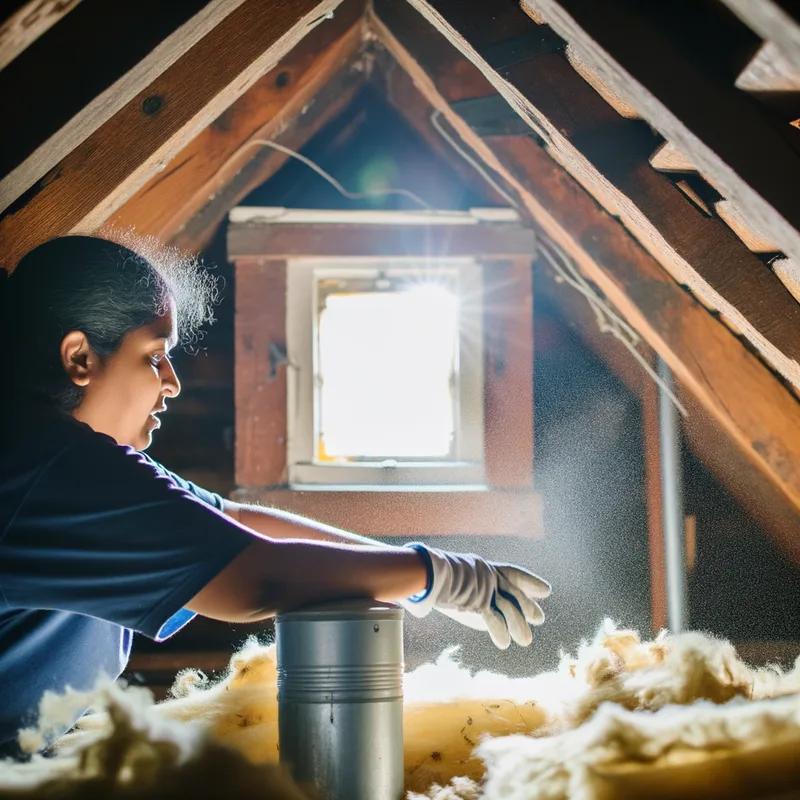
Proper roof ventilation and insulation play a critical role in maintaining your home's energy efficiency and preventing roof damage. In Philadelphia, where winters can be harsh, ensuring your attic is well-insulated can help reduce heating costs and prevent ice dams, which occur when warm air from the attic melts snow on the roof, causing it to refreeze at the eaves.

Check the insulation levels in your attic and add more if necessary. Additionally, ensure that your roof has adequate ventilation to allow moisture to escape, reducing the risk of mold and rot. If you're unsure about the current state of your ventilation and insulation, consult with a local roofing professional who can provide guidance tailored to Philadelphia's climate.

Addressing Roof Ventilation and Insulation

5

Hiring a Local Philadelphia Roofing Contractor

Sometimes, the best way to ensure your roof is in top condition is to hire a professional. Philadelphia is home to many skilled roofing contractors who understand the unique challenges posed by the city's weather and architecture.

When selecting a contractor, look for someone with experience in the specific type of roof your home has. For instance, row homes often have flat or slightly pitched roofs, which require different maintenance than traditional shingled roofs. Check for licenses, insurance, and references to ensure you're working with a reputable professional. By choosing a local contractor, you can benefit from their knowledge of Philadelphia's building codes and weather conditions.

Hiring a Local Philadelphia Roofing Contractor

6

Preparing Your Roof for Winter

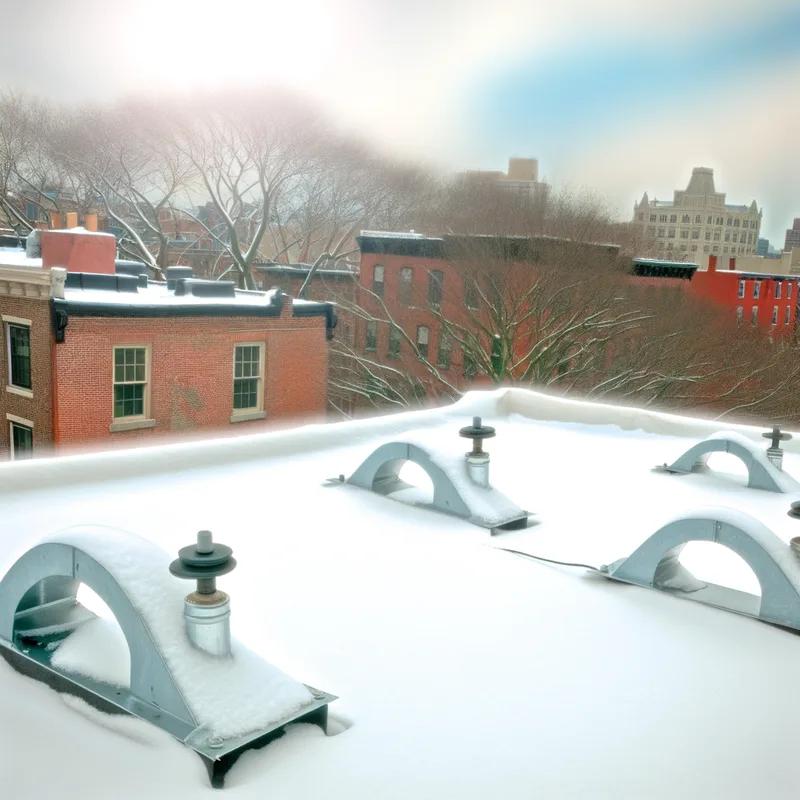
Once you've completed your fall roof maintenance, it's time to prepare for the upcoming winter. Consider applying a roof sealant before the first snowfall to provide an extra layer of protection against the elements. Seal any visible cracks or holes, especially around roof penetrations like chimneys and vents.

Additionally, trimming overhanging branches can prevent them from damaging your roof during winter storms. Keeping your roof clear of debris and snow can prevent excess weight and ice dams, which can lead to serious structural damage. By taking these proactive steps, you can help ensure your Philadelphia home remains safe and secure throughout the winter months.

Preparing Your Roof for Winter

Sources & References

  1. Philadelphia Department of Licenses and Inspections - Building codes and permits
  2. National Weather Service - Philadelphia weather patterns
  3. HomeAdvisor - Finding local roofing contractors
  4. GAF Roofing - Roof maintenance tips
  5. Angie's List - Hiring a roofing contractor
James Callahan
Founder & Editor, Philly Roof Find

James founded Philly Roof Find to give Philadelphia homeowners a transparent, independent resource for evaluating roofing contractors. With a background in building trades and a focus on local construction practices, he writes practical guides grounded in Philadelphia-specific building codes, materials, and contractor standards.