How to Prepare Your Philadelphia Home for a Roof Replacement

Get your Philly home ready before the roofing crew arrives. A practical checklist covering permits, landscaping, parking, and more for Philadelphia homeowners.

How to Prepare Your Philadelphia Home for a Roof Replacement - Philadelphia roofing guide

A roof replacement is one of the biggest home improvement projects a Philadelphia homeowner can undertake, and a little preparation goes a long way toward making the process smooth and stress-free.

James Callahan
Published March 22, 2026·Updated March 22, 2026
1

Confirm Your Permit and Contractor Paperwork Before Work Begins

Before a single shingle comes off your Philadelphia roof, make sure the administrative side of your project is fully in order. The Philadelphia Department of Licenses & Inspections (L&I) requires a building permit for most full roof replacements, and it is your contractor's responsibility to pull that permit — not yours. However, as the homeowner, you should verify that the permit has actually been issued before work begins. You can check permit status online through the City of Philadelphia's eCLIPSE portal.

Ask your contractor to provide you with a copy of their current Pennsylvania Home Improvement Contractor (PHIC) registration, general liability insurance certificate, and workers' compensation documentation. In Philadelphia, unlicensed or underinsured contractors are unfortunately common after storm seasons, so confirming these documents protects you from liability if a worker is injured on your property.

Review your signed contract carefully one more time before the start date. Confirm that it specifies the exact materials being used (manufacturer, product line, and color), the total scope of work including underlayment and flashing replacement, the payment schedule, and the cleanup plan. For homeowners in Philadelphia's historic districts — such as Society Hill, Germantown, or parts of Chestnut Hill — verify that your contractor is aware of any Philadelphia Historical Commission guidelines that may apply to your property, particularly if your home is on the local historic register.

Finally, notify your homeowner's insurance company that a roof replacement is scheduled. Some insurers require advance notice, and if the project is part of a claim, your insurer may want to conduct their own inspection before or during the work. Getting all of this paperwork squared away a week before the project start date means no delays on day one.
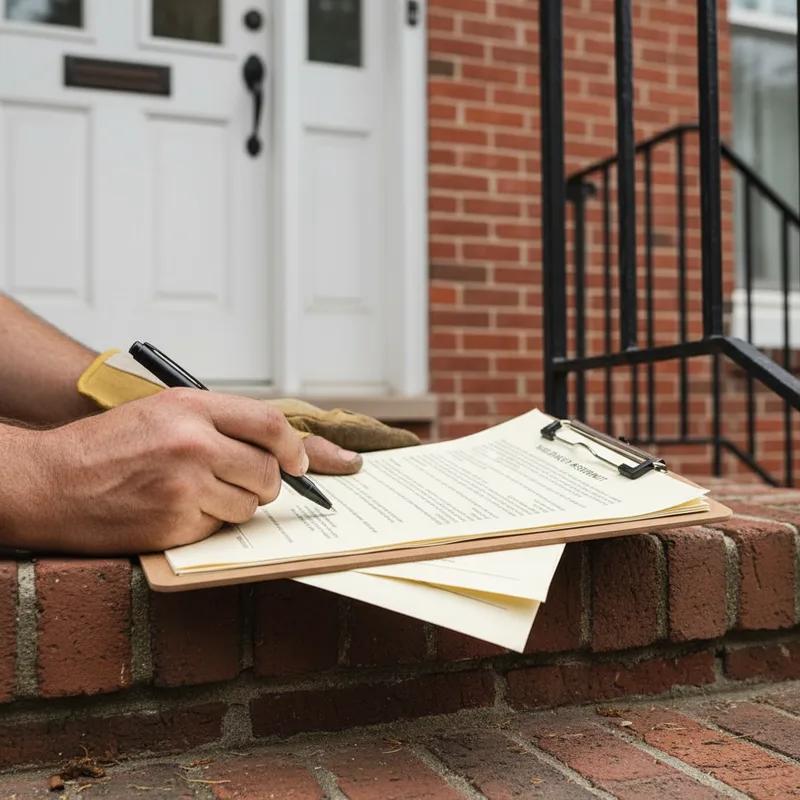
Philadelphia homeowner reviewing roofing contract and permit documents at a kitchen table with a laptop showing the eCLIPSE permit portal
Confirm Your Permit and Contractor Paperwork Before Work Begins

2

Clear the Work Zone: Driveways, Parking, and Street Access in Philly

Philadelphia's dense urban geography creates unique logistical challenges for roofing projects that suburban homeowners simply don't face. Whether you live in a Fishtown rowhouse with a shared alleyway or a twin home in Northeast Philadelphia with a narrow driveway, planning your vehicle situation well in advance is essential.

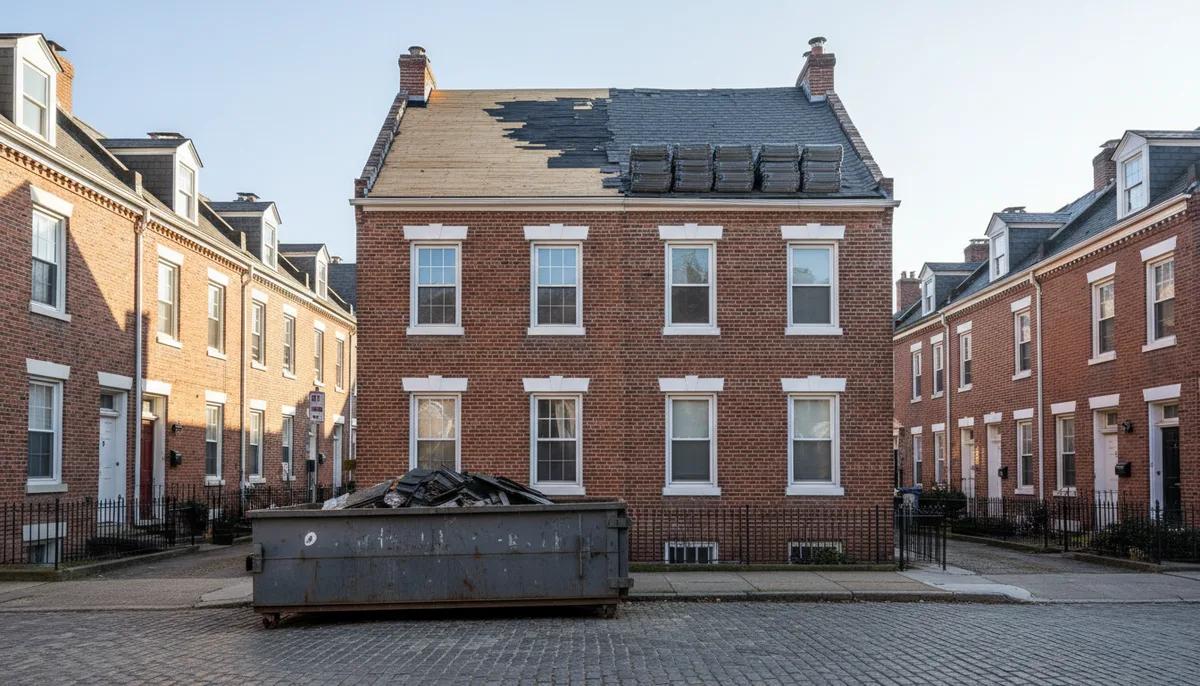
Your roofing crew will typically arrive early — often between 7:00 and 8:00 a.m. — and they need clear access to your driveway or the street directly in front of your home for their truck, trailer, and dumpster. Move your vehicles the night before the project starts. If you park on the street, check whether your contractor has applied for a temporary no-parking permit through the Philadelphia Parking Authority (PPA). For larger projects, contractors may need a dumpster or materials staging area on the street, which requires a separate Street Occupancy Permit from the Philadelphia Streets Department.

If you live in a rowhouse neighborhood like Point Breeze, Passyunk Square, or Port Richmond, talk to your neighbors in advance. Roofing crews working on attached homes may need to access a neighbor's property or at minimum will be working very close to shared walls and property lines. A quick conversation can prevent friction and ensure your neighbors aren't surprised by the noise or activity.

For flat-roof homes — which are extremely common throughout North and West Philadelphia — the crew may need roof access from inside your home or via a rear yard. Clear a path through any interior hallway or stairwell they might use, and make sure your rear yard gate is unlocked and accessible. Discuss the specific access plan with your contractor during the pre-job walkthrough so there are no surprises on installation day.

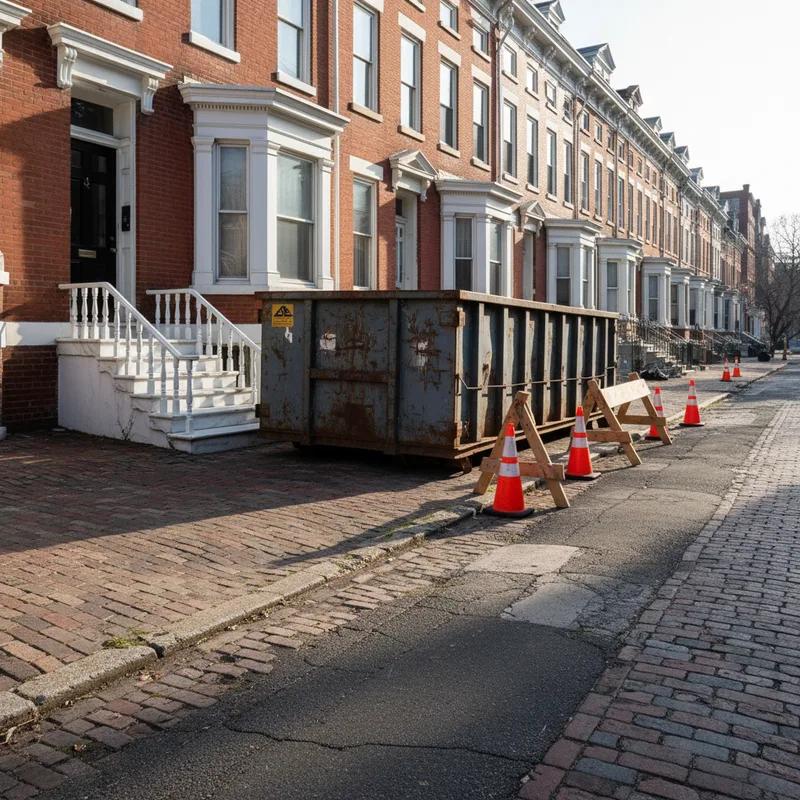
Roofing contractor truck and dumpster parked on a narrow Philadelphia rowhouse street with orange traffic cones marking the work zone
Clear the Work Zone: Driveways, Parking, and Street Access in Philly

3

Protect Your Landscaping, Gardens, and Exterior Features

Roof replacement is a messy process. Old shingles, nails, underlayment, and debris will rain down from above, and without proper precautions, your landscaping, garden beds, and exterior features can take a beating. Taking a few hours to prepare your yard before the crew arrives can prevent costly damage.

Start by relocating any potted plants, outdoor furniture, grills, and decorative items away from the perimeter of your house. A good rule of thumb is to clear at least six to eight feet from the base of your exterior walls on all accessible sides. For Philadelphia homeowners with small urban backyards — common in neighborhoods like Bella Vista, Queen Village, and Old City — this may mean temporarily moving items into your home or a neighbor's yard.

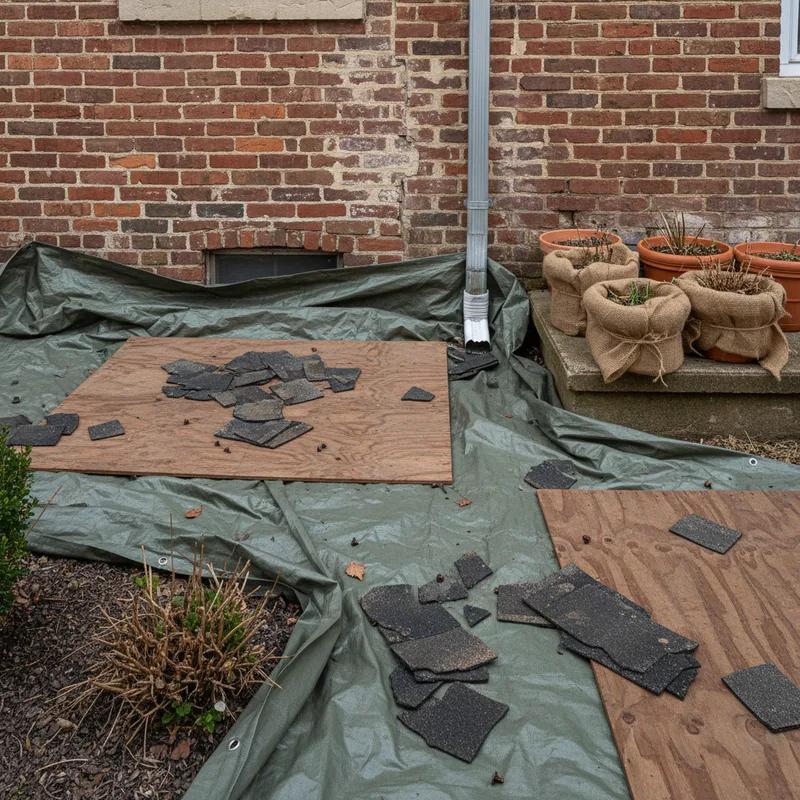
For established garden beds and plantings you can't relocate, ask your contractor whether they will lay down plywood boards or heavy tarps over those areas before work begins. Reputable Philadelphia roofers will do this as a standard part of their process, but it's worth confirming explicitly in your contract. Old nails are a particular hazard: even with a magnetic sweeper used during cleanup, nails can end up in soil and grass, creating a danger for children, pets, and bare feet for months afterward.

Check your gutters and downspouts before the project. If your gutters are already clogged with leaves from a Philadelphia autumn or debris from winter storms, get them cleaned beforehand so that roofing debris doesn't compound the blockage. Also remove any window boxes, shutters, or exterior light fixtures that are close to the roofline and could be damaged by falling materials or worker foot traffic on scaffolding. Taking photos of your landscaping and exterior features before work begins gives you a clear record if any damage claims arise after the project is complete.

Philadelphia homeowner covering garden beds with plywood boards and tarps along the side of a brick rowhouse before a roof replacement
Protect Your Landscaping, Gardens, and Exterior Features

4

Prepare the Inside of Your Home for Vibration, Dust, and Noise

Most homeowners focus entirely on the exterior when preparing for a roof replacement, but the interior of your home deserves attention too. The pounding, hammering, and nail-gun activity involved in tearing off old roofing and installing new materials creates significant vibration that travels through your walls and ceilings.

Start in your attic. If you use your attic for storage, move boxes, bins, and fragile items away from the area directly below the roof deck. Vibration can cause items stacked on shelves to fall, and dust and debris from the old roofing can sift through any gaps in your attic floor. If you have recessed lighting or ceiling fans on your top floor, check them after each day of work to make sure vibration hasn't loosened any fixtures or connections.

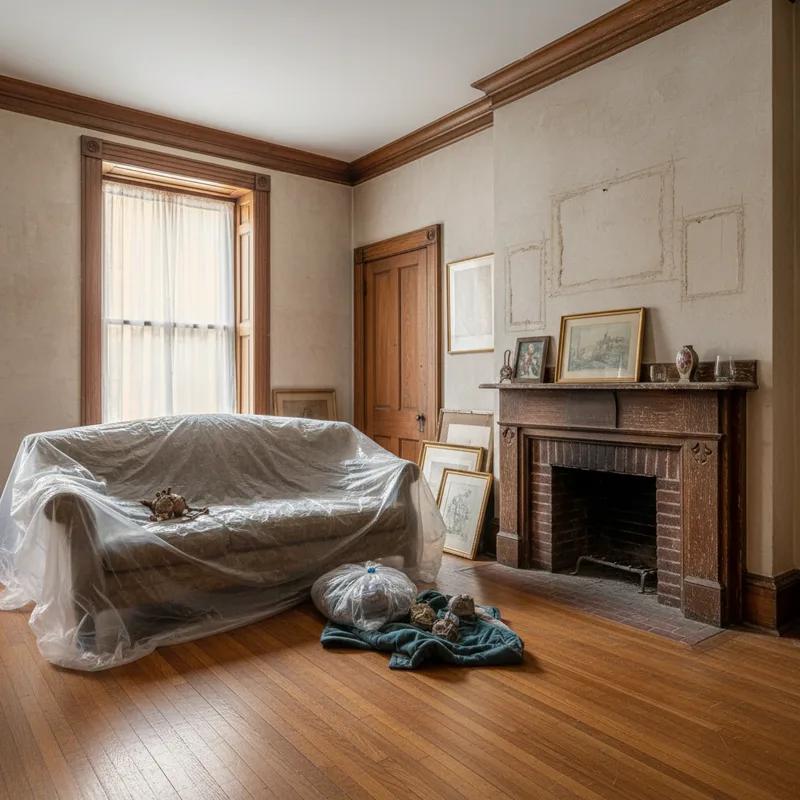
Wall-mounted artwork, mirrors, and shelving throughout your home — not just on the top floor — can be shaken loose during a roof replacement. Take down anything fragile or valuable that is hung on walls, particularly on upper floors. This is especially relevant for Philadelphia's older housing stock, where plaster walls (common in pre-war homes throughout Germantown, West Philadelphia, and Roxborough) can develop hairline cracks from sustained vibration more readily than modern drywall.

Plan for noise. A full roof replacement on an average Philadelphia rowhouse or twin typically takes one to two days, and the noise level is significant — comparable to sustained construction work. If you work from home, arrange to work from a coffee shop, library, or coworker's space on installation day. If you have young children who nap during the day, plan for them to be elsewhere. Inform your household about the expected noise level and schedule so no one is caught off guard. Keeping pets in a quiet interior room or arranging for them to stay with a friend or at a boarding facility is also strongly recommended, as the noise and activity can cause significant stress for animals.

Homeowner carefully removing framed artwork from a plaster wall in a Philadelphia rowhouse interior before a noisy roof replacement project
Prepare the Inside of Your Home for Vibration, Dust, and Noise

5

Communicate With Your Contractor: The Pre-Job Walkthrough Checklist

A pre-job walkthrough with your roofing contractor — ideally scheduled two to three days before the project start date — is one of the most valuable steps you can take to ensure a smooth replacement. This is your opportunity to align on logistics, ask final questions, and confirm that everyone is on the same page before work begins.

During the walkthrough, confirm the project start time and the expected daily work schedule. Philadelphia's L&I regulations and local noise ordinances generally restrict construction noise to between 8:00 a.m. and 6:00 p.m. on weekdays, so make sure your contractor's plan falls within those hours. Ask how many crew members will be on site and whether any subcontractors will be involved.

Discuss the debris management plan in detail. Where will the dumpster be placed? How will debris be kept from blowing into neighboring properties — a real concern in Philadelphia's wind-prone spring and fall seasons? Will they use debris chutes? How will nail cleanup be handled, and how many passes will they make with a magnetic sweeper?

Confirm the material delivery schedule. Roofing materials — particularly bundles of architectural shingles or rolls of TPO membrane for flat roofs — are heavy and bulky. Find out when materials will be delivered and where they will be staged. On narrow Philadelphia streets, this can require coordination with neighbors and sometimes a temporary parking restriction.

Ask about the weather contingency plan. Philadelphia's spring weather is notoriously unpredictable, with rain systems moving through frequently between March and May. Understand your contractor's policy if rain interrupts the project mid-installation — specifically, how exposed decking will be protected overnight. A reputable contractor will have a clear protocol for tarping and securing your home if work must be paused due to weather.

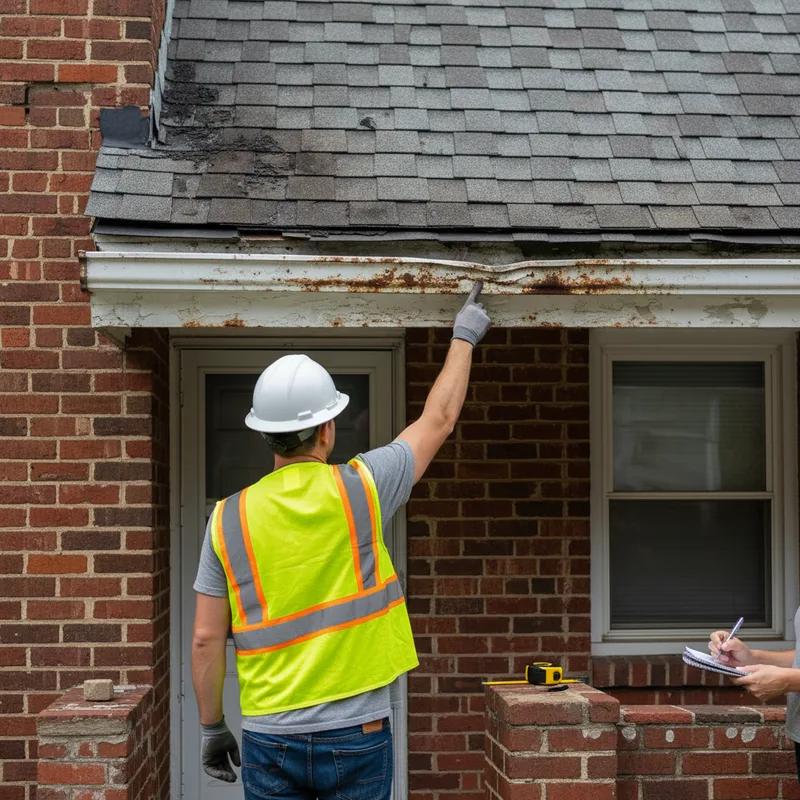
Philadelphia homeowner and roofing contractor standing outside a brick rowhouse during a pre-job walkthrough, reviewing a project checklist on a clipboard
Communicate With Your Contractor: The Pre-Job Walkthrough Checklist

6

Day-of Preparation: The Final Checklist Before the Crew Arrives

The night before and the morning of your roof replacement, run through a final checklist to make sure everything is in place. A few last-minute preparations can make a significant difference in how smoothly the day unfolds.

The night before, move all vehicles out of the driveway and any street spaces you've reserved. Unlock all gates, side yard access points, and any interior access points the crew may need. Set out any written instructions for the crew foreman if you won't be home — for example, which areas of the yard are off-limits or where they can find an outdoor electrical outlet if needed.

On the morning of the project, do a final walk around the perimeter of your home to make sure no items were left in the work zone. Confirm that your garden hose is accessible, as crews sometimes use it to wet down dusty areas or clean up. If you have a security camera system, make sure it's functioning so you have a visual record of the work being performed.

If you have children or pets, ensure they are safely secured away from the work area for the entire day. The combination of falling debris, nail hazards, and heavy equipment makes the perimeter of your home genuinely dangerous during active roofing work.

Be available by phone throughout the day, even if you're not home. The crew foreman may have questions about unexpected conditions discovered during tear-off — such as rotted decking, inadequate ventilation, or hidden flashing issues that are common in Philadelphia's older housing stock. Decisions about additional repairs often need to be made quickly to keep the project on schedule, so staying reachable ensures you're in control of any scope changes and their associated costs.

At the end of each work day, do a walkthrough with the foreman to review progress, confirm the site is properly secured, and address any questions before the next day begins.

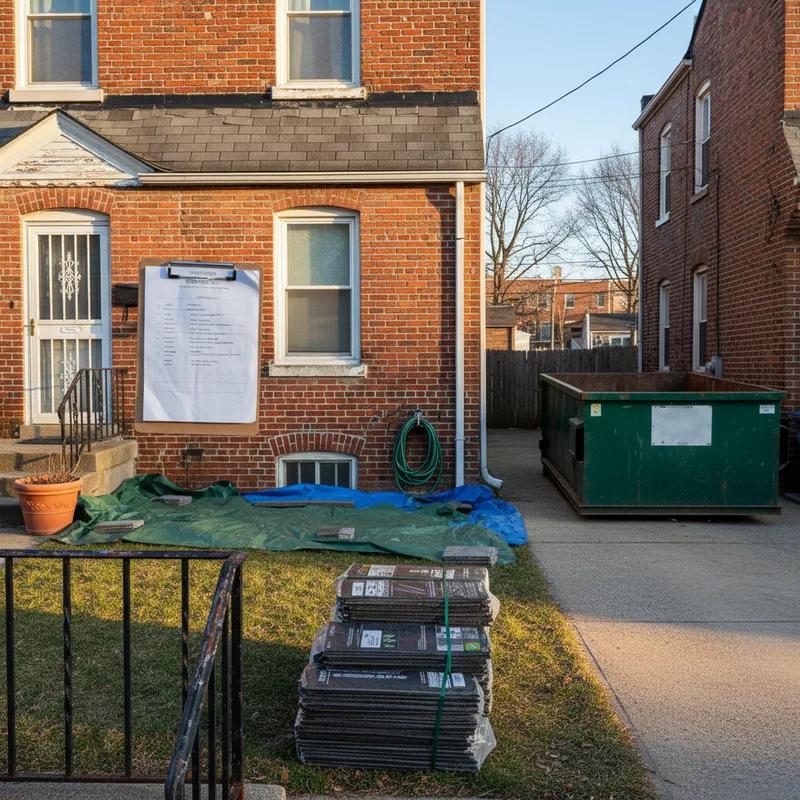
Philadelphia homeowner doing a final morning walkthrough around their brick home, checking the cleared yard and unlocked gate before the roofing crew arrives
Day-of Preparation: The Final Checklist Before the Crew Arrives

Frequently Asked Questions

Do I need to be home during my roof replacement in Philadelphia?

You don't have to be home the entire time, but you should be reachable by phone throughout the day. Unexpected conditions — like rotted decking or flashing problems — are common in Philadelphia's older homes and may require quick decisions. Being available ensures you can authorize any necessary additional work without delaying the project.

Who is responsible for pulling the roofing permit in Philadelphia?

In Philadelphia, the licensed roofing contractor is responsible for obtaining the required building permit from the Department of Licenses & Inspections (L&I) before work begins. As a homeowner, you should verify the permit has been issued by checking the eCLIPSE portal before allowing work to start — working without a permit can create problems when you sell your home.

How long does a roof replacement take on a Philadelphia rowhouse?

Most Philadelphia rowhouses and twin homes can have their roofs replaced in one to two days under good weather conditions. Flat-roof homes may take slightly longer depending on the membrane system being installed. Larger detached homes or those with complex rooflines may require two to three days.

What should I do about parking on my street during the roof replacement?

Talk to your contractor about whether they need a temporary no-parking zone on your street for a dumpster or materials staging. If so, your contractor should apply for a Street Occupancy Permit through the Philadelphia Streets Department in advance. You should also move your own vehicles the night before to ensure clear access from the start of the workday.

Will a roof replacement damage my gutters or landscaping?

It can, if proper precautions aren't taken. Ask your contractor to tarp garden beds and use debris chutes to direct falling materials away from plantings. Confirm that magnetic nail sweeping is included in their cleanup process. Relocate potted plants and outdoor furniture at least six to eight feet from your home's exterior walls before work begins.

James Callahan
Founder & Editor, Philly Roof Find

James founded Philly Roof Find to give Philadelphia homeowners a transparent, independent resource for evaluating roofing contractors. With a background in building trades and a focus on local construction practices, he writes practical guides grounded in Philadelphia-specific building codes, materials, and contractor standards.