Philadelphia Roofing Permit Requirements Explained

Learn which Philadelphia roofing projects require permits, how to apply, costs, and when you can legally skip them. Updated 2026 guide for homeowners.

Philadelphia Roofing Permit Requirements Explained - Philadelphia roofing guide

Navigating Philadelphia's roofing permit requirements can feel overwhelming, but understanding the rules upfront can save you from costly fines, failed inspections, and headaches when selling your home.

James Callahan
Published April 14, 2026·Updated April 14, 2026
1

Why Roofing Permits Matter in Philadelphia

Philadelphia's Department of Licenses & Inspections (L&I) oversees all building permits in the city, including roofing work. Permits exist for good reason: they ensure that contractors follow the International Building Code as adopted and amended by Pennsylvania and the City of Philadelphia, protecting you, your neighbors, and future buyers of your home.

Skipping a required permit might seem like a way to save time and money, but the consequences can be severe. If L&I discovers unpermitted work — through a neighbor complaint, a routine inspection, or a title search during a home sale — you could face stop-work orders, fines, and mandatory tear-downs of completed work. In a city of tightly packed row homes like those found in South Philly, Kensington, and West Philadelphia, a roofing failure doesn't just affect your household; it can damage adjacent properties and trigger liability issues.

Beyond code compliance, permitted work gives you legal documentation that the job was done correctly. This matters enormously when filing a homeowner's insurance claim after a storm, applying for financing, or listing your home on the market. Buyers and their inspectors routinely check permit histories, and unpermitted roofing work can derail a sale or force a price reduction.

Philadelphia's weather patterns make proper roofing especially critical. The city experiences nor'easters, summer thunderstorms, ice accumulation, and freeze-thaw cycles that stress roofing systems year-round. A permitted, inspected roof installation means a professional has verified the work meets standards designed to handle these conditions. Think of the permit process not as red tape, but as a built-in quality check that protects one of your most valuable assets.

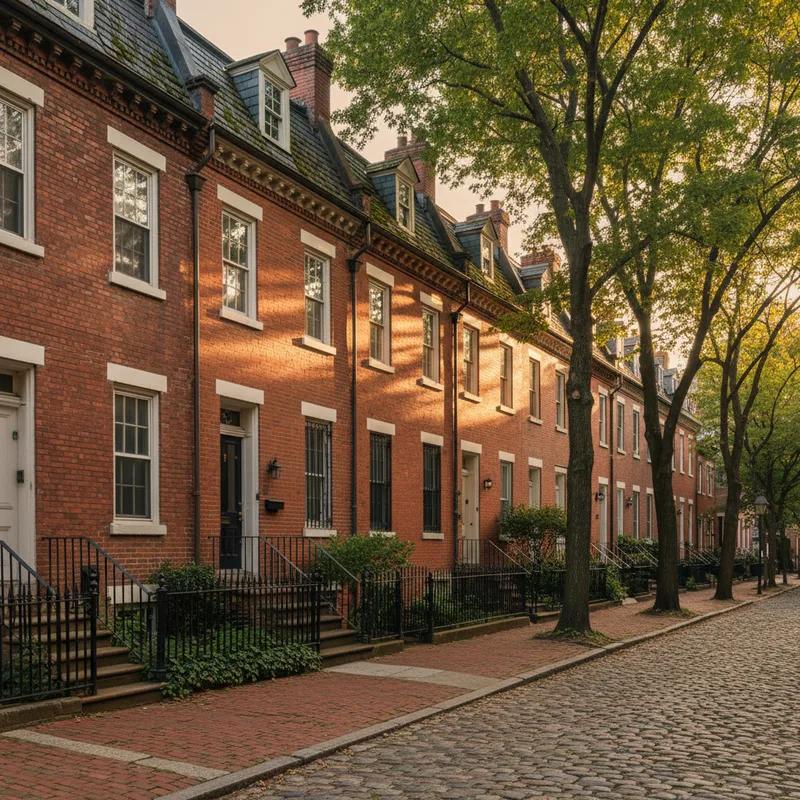
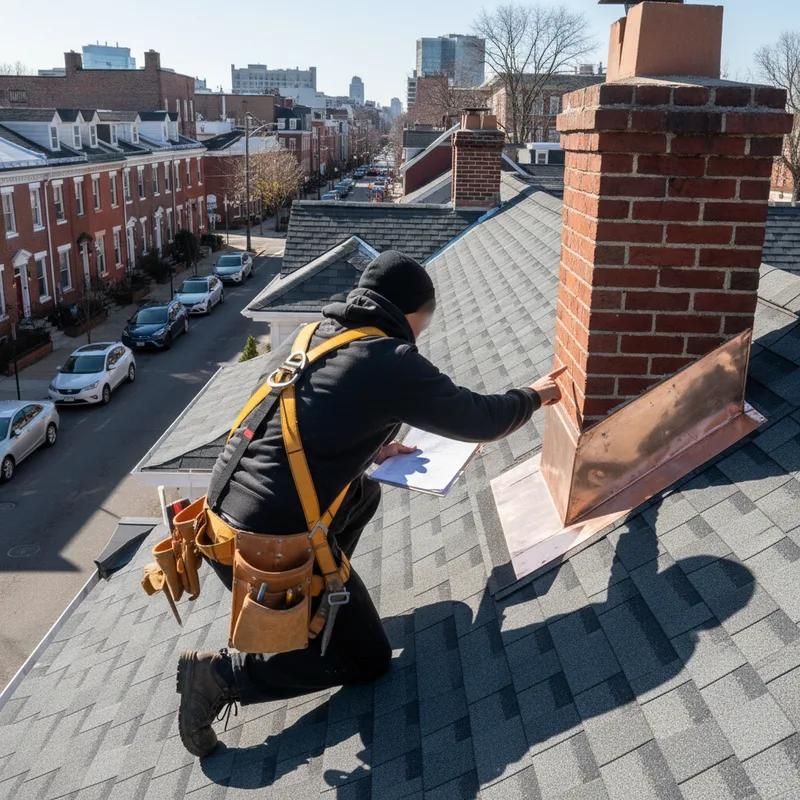
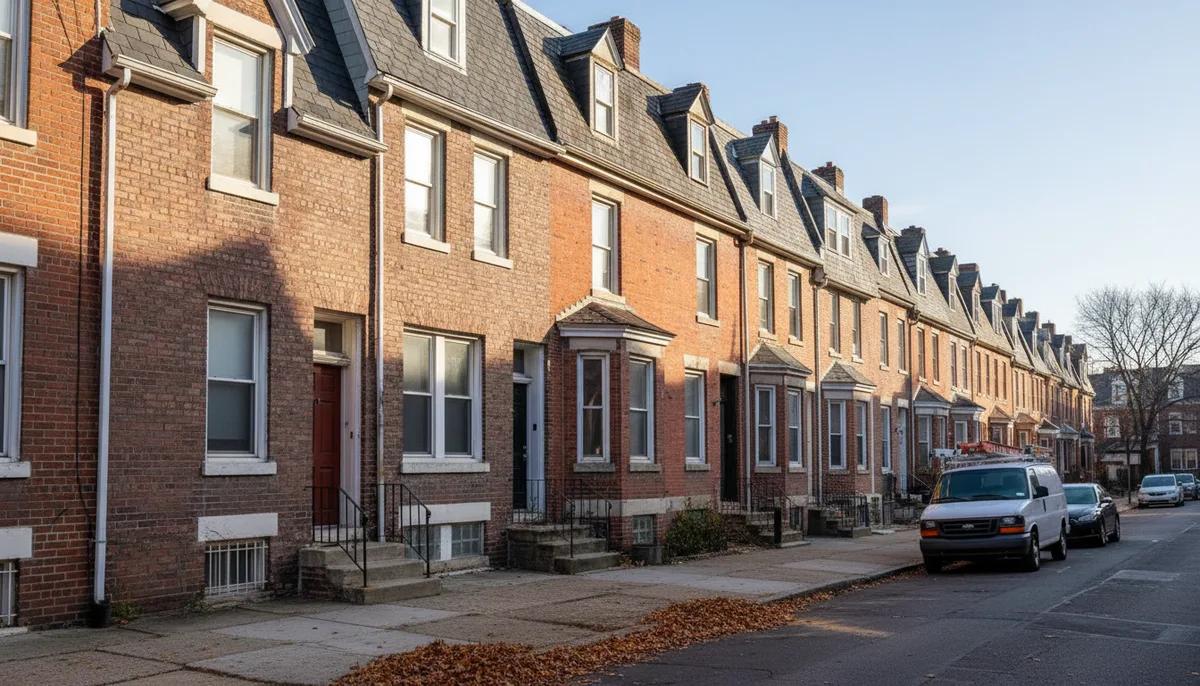
A Philadelphia row home street in South Philly with a roofer on the roof and an L&I permit posted in the front window
Why Roofing Permits Matter in Philadelphia

2

When You Need a Permit for Roofing Work in Philadelphia

Not every roofing project in Philadelphia requires a permit, but the threshold is lower than many homeowners expect. According to L&I guidelines, a building permit is generally required whenever you are replacing or installing a new roof covering, making structural repairs to the roof deck or framing, adding or altering roof drainage systems in a significant way, or installing rooftop equipment such as HVAC units or solar panels.

For most Philadelphia homeowners, a full roof replacement — whether it's asphalt shingles on a Roxborough twin or a TPO membrane on a flat-roofed Point Breeze rowhouse — will require a permit. This is true even if you're replacing like-for-like materials. The city wants to verify that the new installation meets current energy codes, wind uplift requirements, and fire ratings.

Structural work is always permit-required. If your roofer discovers rotted sheathing, damaged rafters, or compromised joists during a replacement, any repairs to those structural components must be covered under the permit. Many contractors will include this in their original permit application, but it's worth confirming before work begins.

Reroofing — installing a new layer of shingles over an existing layer — is also subject to permit requirements in Philadelphia. The city follows guidelines that limit the number of roof layers, and an inspector will verify compliance.

Adding skylights, dormers, or rooftop decks are additional triggers for permits, and these projects may also require zoning approval depending on your property's zoning classification. If you live in a Registered Community Organization (RCO) area, neighborhood input may also be part of the process for larger projects.

When in doubt, call L&I directly or consult with a licensed Philadelphia roofing contractor before starting any work. A reputable contractor will pull the required permits as part of their standard process.

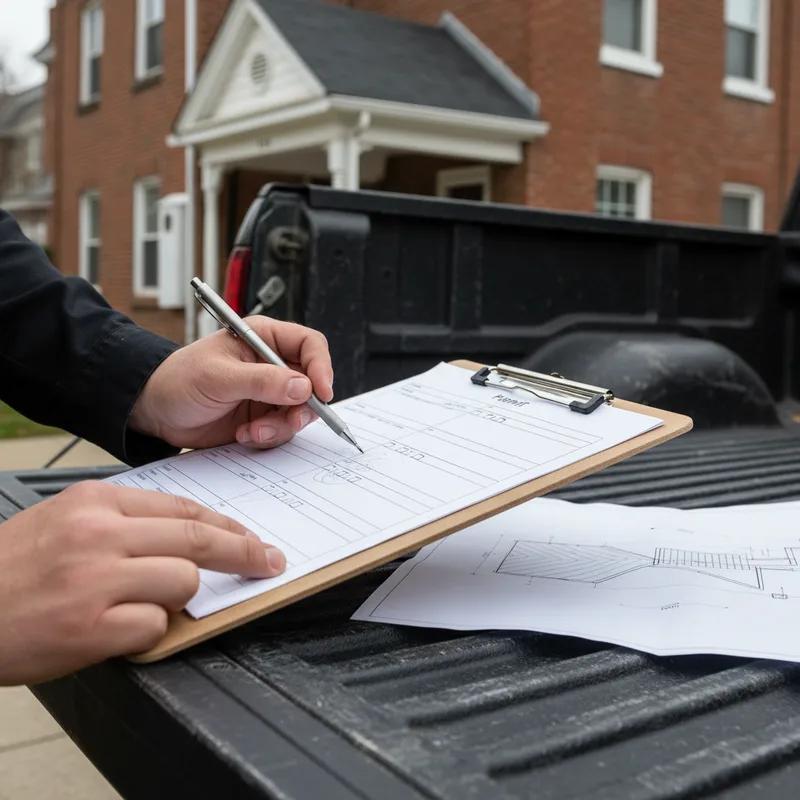
A licensed Philadelphia contractor reviewing permit documents on a clipboard outside a North Philadelphia rowhouse before starting a roof replacement
When You Need a Permit for Roofing Work in Philadelphia

3

When You Can Skip the Permit: Minor Repairs and Maintenance

Philadelphia does allow certain minor roofing work to proceed without a permit, and understanding this exemption can save homeowners time and money on routine maintenance.

Generally speaking, minor repairs that do not affect the structural integrity of the roof and cover a limited area may be exempt from permit requirements. This typically includes patching a small section of damaged shingles, sealing around a flashing or pipe boot, replacing a few individual slates or tiles, applying roof coating to an existing flat roof surface, and cleaning or minor repairs to gutters and downspouts.

The key phrase here is "minor repair." Philadelphia's L&I uses judgment about scope and impact. If your repair involves replacing more than a certain percentage of the roof surface — commonly cited as 25% or more — the project may cross into replacement territory and require a permit. This threshold is worth confirming with L&I directly, as interpretations can vary by inspector and project type.

Emergency repairs following storm damage are a practical reality in Philadelphia, where nor'easters and summer microbursts can suddenly leave a roof compromised. In these situations, homeowners and contractors may need to perform immediate temporary repairs — tarping, emergency patching — before a permit can be obtained. L&I generally accommodates genuine emergencies, but a permit application should follow as quickly as possible if the repair grows into a more substantial project.

For flat-roofed properties common throughout neighborhoods like Bella Vista, Graduate Hospital, and much of North Philadelphia, applying a new coating over an intact membrane is generally considered maintenance. However, tearing off the existing membrane and installing a new one is a replacement that requires a permit.

When in doubt, a quick call to L&I's permit hotline or an online inquiry through the eCLIPSE system can clarify your specific situation before any work begins.

A homeowner on a ladder performing minor shingle repairs on a Philadelphia twin home on a clear spring day, with no permit sign visible for the small patch job
When You Can Skip the Permit: Minor Repairs and Maintenance

4

How to Apply for a Roofing Permit in Philadelphia

Philadelphia processes most roofing permit applications through its eCLIPSE online permitting system, which allows homeowners and contractors to apply, pay fees, upload documents, and track application status without visiting a physical office.

Here's a step-by-step overview of the process:

First, determine the permit type. Most residential roof replacements fall under a Building Permit. If your project involves structural changes or additions, you may need additional permit types. L&I's website provides a permit type selector tool to help you identify the right category.

Second, gather your documentation. For a standard residential roof replacement, you'll typically need property address and owner information, a description of the scope of work, contractor information including their Pennsylvania Home Improvement Contractor (HIC) registration number and Philadelphia business license, and in some cases, a site plan or roof plan drawing.

Third, submit through eCLIPSE. Create or log into your account at eclipse.phila.gov, complete the application, upload documents, and pay the permit fee. Permit fees for residential roofing are generally calculated based on the estimated cost of construction. As a rough guide, fees typically range from a few hundred dollars for modest projects to higher amounts for large replacements, but always check current L&I fee schedules for exact figures.

Fourth, await review and approval. Simple residential roofing permits are often processed within a few business days through L&I's automated review system. More complex projects or those requiring zoning review may take longer.

Fifth, post the permit. Once approved, the permit card must be posted visibly at the job site throughout the project.

Finally, schedule inspections. L&I will specify required inspection points — often a mid-project inspection of the roof deck before covering and a final inspection upon completion. Your contractor should coordinate these inspections as part of the job.

Many experienced Philadelphia roofing contractors handle the entire permit process on behalf of homeowners. If yours does not, that can be a red flag worth discussing.

A laptop screen showing the Philadelphia eCLIPSE online permitting portal with a roofing permit application in progress, set on a desk with building plans beside it
How to Apply for a Roofing Permit in Philadelphia

5

Historic Districts and Special Zoning: Extra Rules for Many Philly Neighborhoods

Philadelphia has a rich architectural heritage, and a significant portion of the city falls under historic district protections that add an additional layer of review to roofing projects. If your home is located in a locally designated historic district or is individually listed on the Philadelphia Register of Historic Places, you'll need approval from the Philadelphia Historical Commission (PHC) before making exterior changes — including roofing.

Neighborhoods with extensive historic district coverage include Society Hill, Old City, Germantown, Chestnut Hill, and parts of West Philadelphia. Many homeowners are surprised to discover their property falls under these protections, so checking the PHC's online map before planning any roofing work is an important first step.

For roofing projects in historic districts, the PHC generally evaluates whether the proposed materials and methods are appropriate for the character of the building and the district. This doesn't necessarily mean you must use original materials, but it does mean that highly visible changes — like switching from slate to asphalt shingles on a prominent Society Hill townhouse — may face scrutiny or denial.

The PHC reviews applications through a staff review process for minor work and a full commission hearing for more significant changes. Processing times vary, so build extra lead time into your project schedule if historic approval is required. PHC approval must be obtained before L&I will issue a building permit.

For properties in the Registered Historic District but not individually listed, requirements may be somewhat less stringent, but review is still required. Consulting with a contractor experienced in Philadelphia historic properties — or reaching out to the PHC directly for a pre-application meeting — can save significant time and frustration.

Beyond historic districts, some properties in overlay zoning districts or flood zones (particularly near the Schuylkill and Delaware Rivers) may face additional requirements. Always verify your property's full zoning status through Philadelphia's Atlas mapping tool before finalizing project plans.

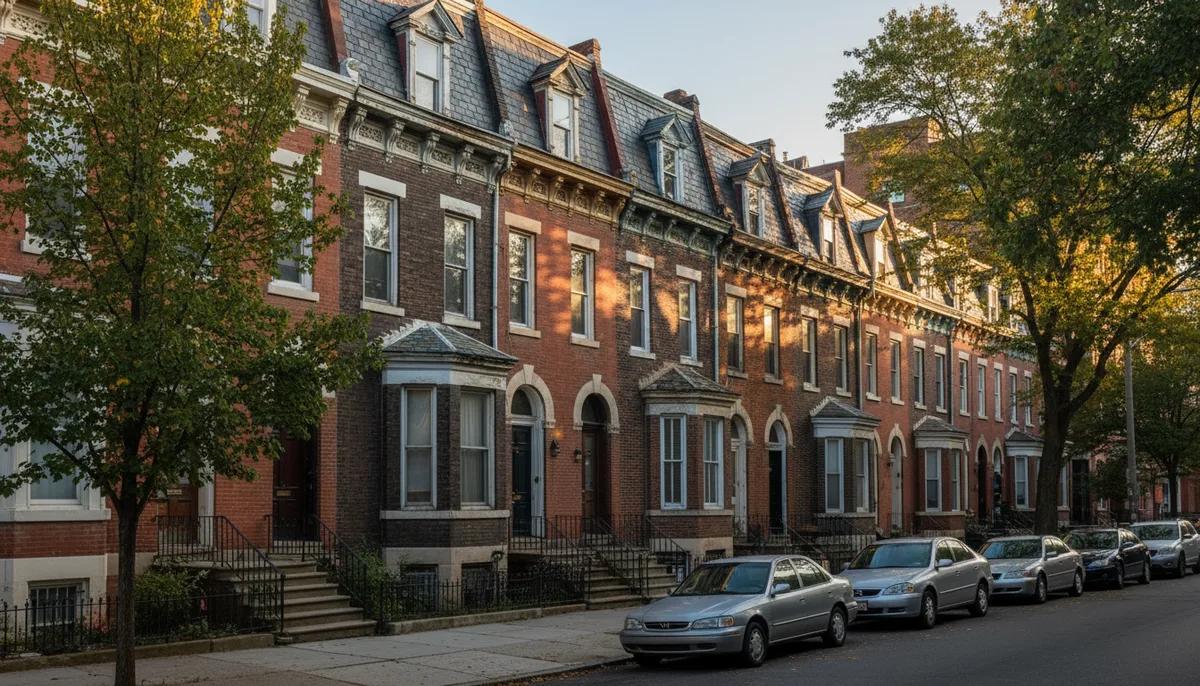
A beautifully preserved historic rowhouse in Philadelphia's Society Hill neighborhood with original slate roofing, illustrating the type of property subject to Philadelphia Historical Commission review
Historic Districts and Special Zoning: Extra Rules for Many Philly Neighborhoods

6

Hiring a Contractor Who Handles Permits the Right Way

One of the clearest signs of a trustworthy Philadelphia roofing contractor is their approach to permits. Reputable contractors pull permits as a standard part of every qualifying project, include the permit cost in their estimate, and coordinate all required inspections. If a contractor suggests skipping the permit to save money or speed up the job, walk away — you'll be the one left holding legal and financial liability if problems arise.

Under Pennsylvania law, contractors performing home improvement work valued over $500 must be registered with the Pennsylvania Attorney General's Office as a Home Improvement Contractor (HIC). In Philadelphia, contractors must also hold a valid Philadelphia business privilege license and, for roofing work, carry appropriate liability insurance and workers' compensation coverage. Always ask to see proof of these credentials before signing a contract.

When reviewing estimates, look for a line item or explicit mention of permit fees and inspection coordination. A contractor who bundles this into their process transparently is demonstrating professionalism. Be cautious of unusually low bids that may be cutting corners on permitting and insurance.

After your project is complete, ask your contractor for copies of all permit documents, inspection sign-off records, and the final certificate of completion. Store these with your home improvement records. These documents are valuable when filing insurance claims, refinancing, or selling your home.

For Philadelphia homeowners searching for qualified, vetted roofing contractors, directories like Philly Roof Find provide a starting point for identifying licensed professionals familiar with local permit requirements, neighborhood-specific building conditions, and the particular demands of Philadelphia's housing stock — from flat-roofed rowhouses in Brewerytown to steep-pitched Victorians in Mount Airy.

The permit process adds a small amount of time and cost to a roofing project, but the protection it provides — legally, financially, and structurally — is well worth it for one of the most important systems protecting your Philadelphia home.

A Philadelphia roofing contractor in a company shirt shaking hands with a homeowner on a front stoop, with a visible permit sign posted on the door behind them
Hiring a Contractor Who Handles Permits the Right Way

Frequently Asked Questions

Do I need a permit to replace my roof in Philadelphia?

Yes, in most cases a permit from Philadelphia's Department of Licenses & Inspections (L&I) is required for a full roof replacement, including like-for-like material replacements. Minor repairs covering a small area may be exempt, but when in doubt, confirm with L&I before starting work.

How much does a roofing permit cost in Philadelphia?

Roofing permit fees in Philadelphia are calculated based on the estimated construction cost of the project. Fees for typical residential roof replacements generally range from a couple hundred dollars to higher amounts for larger projects. Check the current L&I fee schedule at phila.gov/li for exact figures, as fees are subject to change.

Can my roofing contractor pull the permit for me in Philadelphia?

Yes, and this is the most common arrangement. Licensed Philadelphia roofing contractors typically handle the permit application through the eCLIPSE system on the homeowner's behalf. The permit fee is usually included in the project estimate. Always confirm your contractor plans to pull a permit before signing any contract.

What happens if roofing work is done without a permit in Philadelphia?

Unpermitted roofing work can result in stop-work orders, fines, and requirements to remove or redo completed work. It can also create complications when selling your home, filing insurance claims, or refinancing. L&I can discover unpermitted work through inspections, neighbor complaints, or title searches.

Do Philadelphia historic district homes need special approval for roofing?

Yes. If your home is in a locally designated historic district or on the Philadelphia Register of Historic Places, you must obtain approval from the Philadelphia Historical Commission (PHC) before L&I will issue a building permit for roofing work. The PHC evaluates whether proposed materials and methods are appropriate for the historic character of the property.

James Callahan
Founder & Editor, Philly Roof Find

James founded Philly Roof Find to give Philadelphia homeowners a transparent, independent resource for evaluating roofing contractors. With a background in building trades and a focus on local construction practices, he writes practical guides grounded in Philadelphia-specific building codes, materials, and contractor standards.