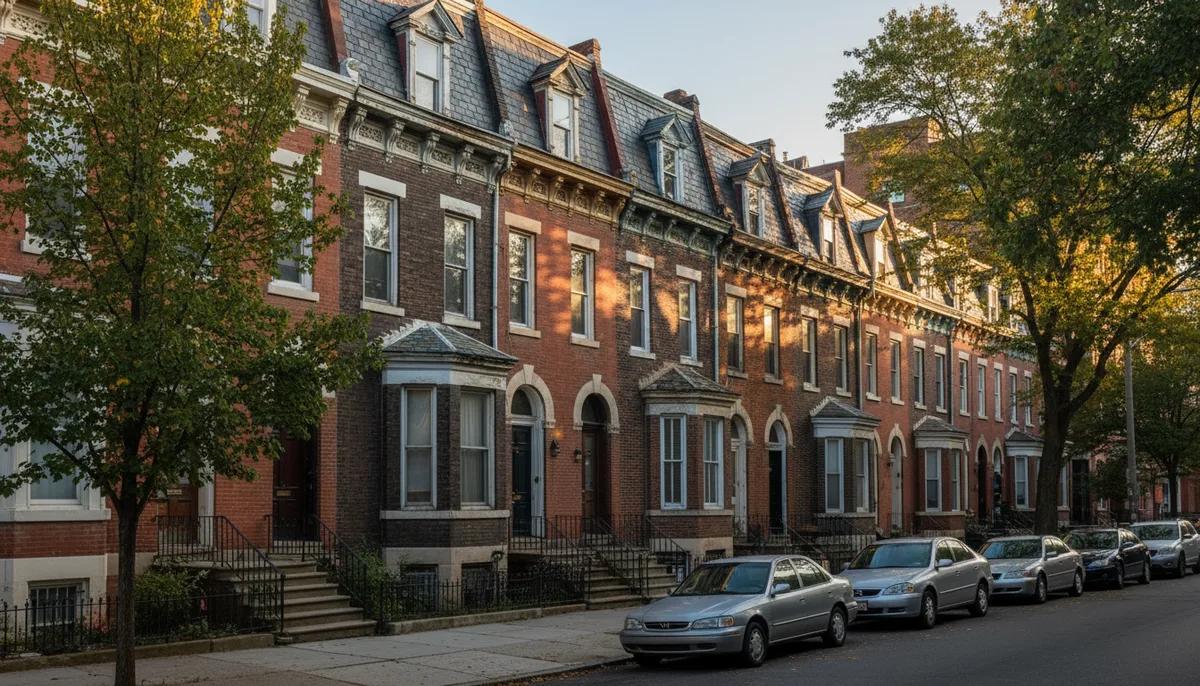
Understanding the Philadelphia Historical Commission and What It Oversees
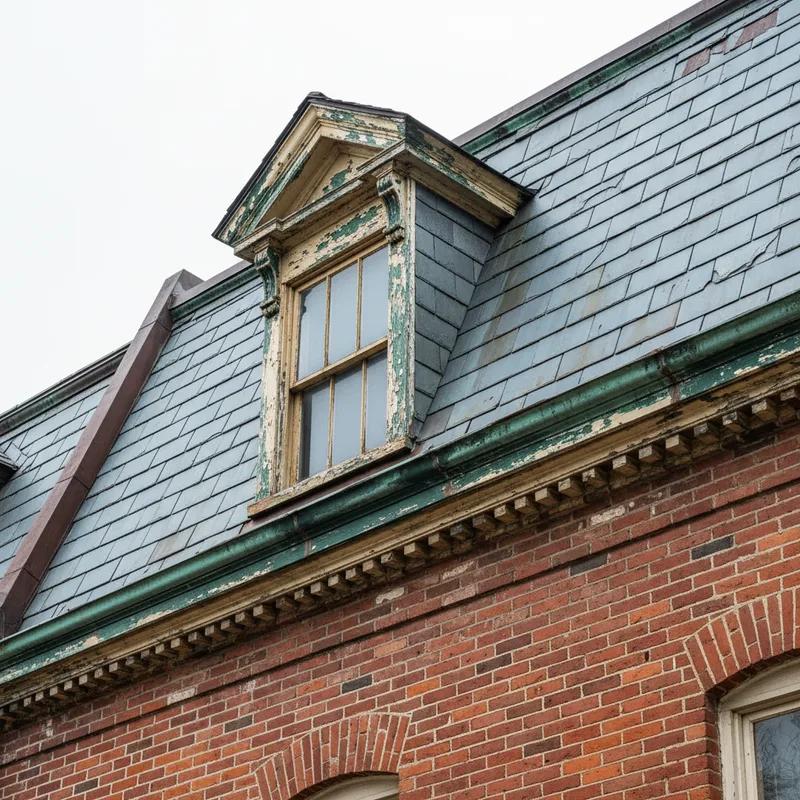
If your Philadelphia home is a designated historic property or sits within a recognized historic district, the Philadelphia Historical Commission (PHC) has jurisdiction over exterior changes — including your roof. The PHC was established to protect the architectural and cultural character of the city's built environment, and roofing is considered a significant exterior element subject to review.
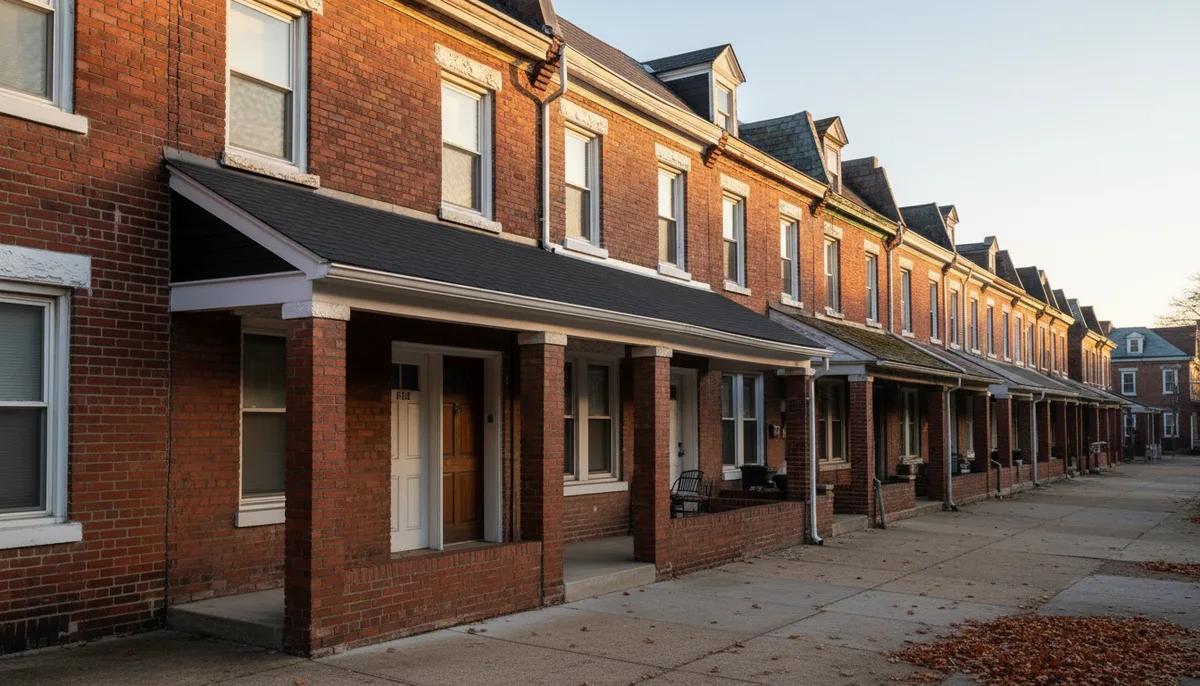
The Commission oversees two main categories of properties: individually designated historic landmarks and contributing buildings within Philadelphia's historic districts. Neighborhoods like Society Hill, Old City, Germantown, Chestnut Hill, West Philadelphia's Spruce Hill, and Fairmount all contain large concentrations of PHC-regulated properties. If you're unsure whether your home falls under PHC jurisdiction, you can check the Philadelphia Historical Commission's online database or contact the Commission directly before starting any roofing project.
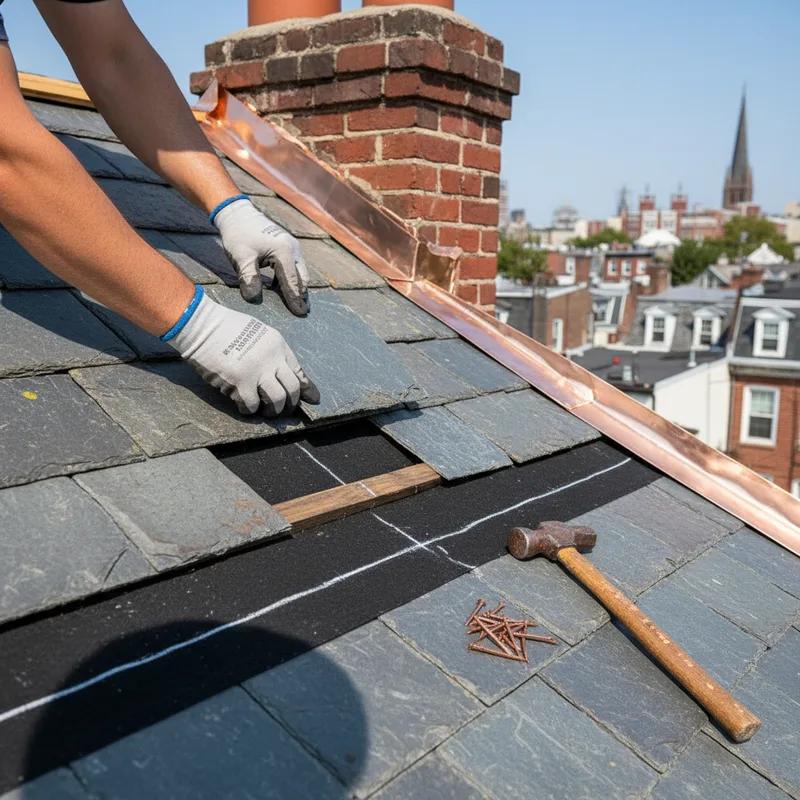
For roofing work, the key question the PHC asks is whether the proposed change is "in keeping with the historic character" of the building and its surroundings. This doesn't always mean an exact replica of the original roof — it means the materials, color, texture, and profile must be visually compatible with the historic fabric of the structure.
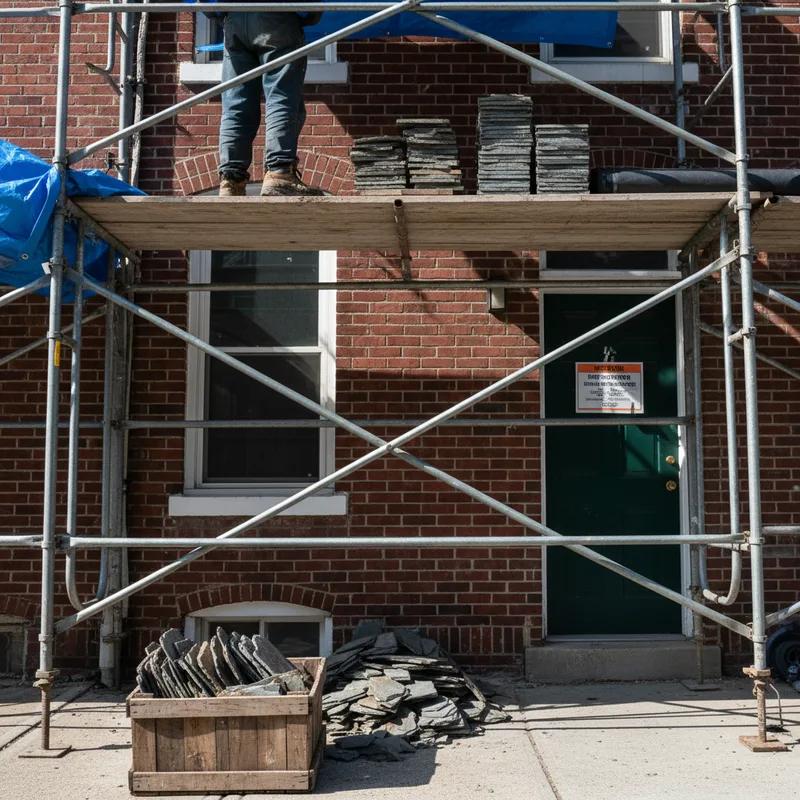
Importantly, not all roofing work triggers a full PHC review. Routine repairs that use matching materials and do not alter the appearance of the roof are generally considered ordinary maintenance and may not require a Certificate of Appropriateness (COA). However, full roof replacements, changes in roofing material, or alterations to roof shape almost always require PHC review before the city's Department of Licenses & Inspections (L&I) will issue a building permit.
The practical takeaway: always contact both the PHC and L&I before scheduling any roofing work on a historic Philadelphia property. Starting work without proper approvals can result in stop-work orders, fines, and costly remediation requirements.