How to Spot Roof Damage After Philadelphia Summer Storms

Learn how to identify hidden roof damage after summer storms in Philadelphia—missing shingles, flashing leaks, and more—before small issues become costly repairs.

How to Spot Roof Damage After Philadelphia Summer Storms - Philadelphia roofing guide

Philadelphia summers bring intense thunderstorms, high winds, and hail that can leave your roof damaged in ways that aren't always obvious from the street.

James Callahan
Published June 6, 2026·Updated June 6, 2026
1

Why Philadelphia Summer Storms Are Especially Hard on Roofs

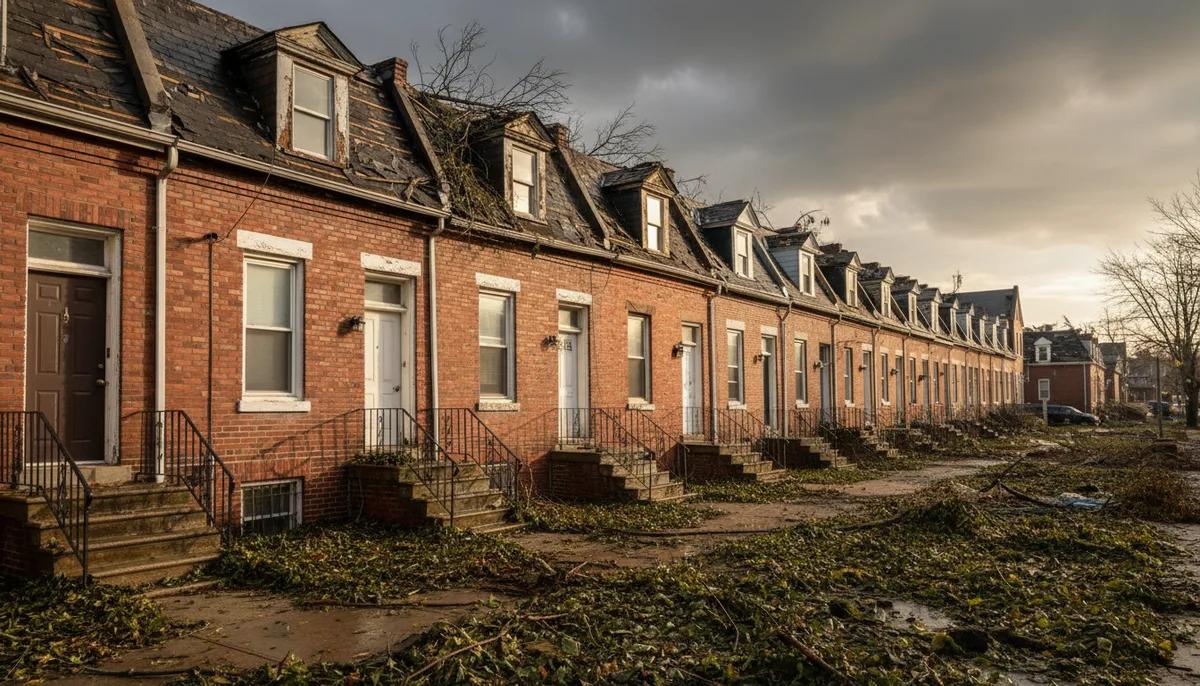
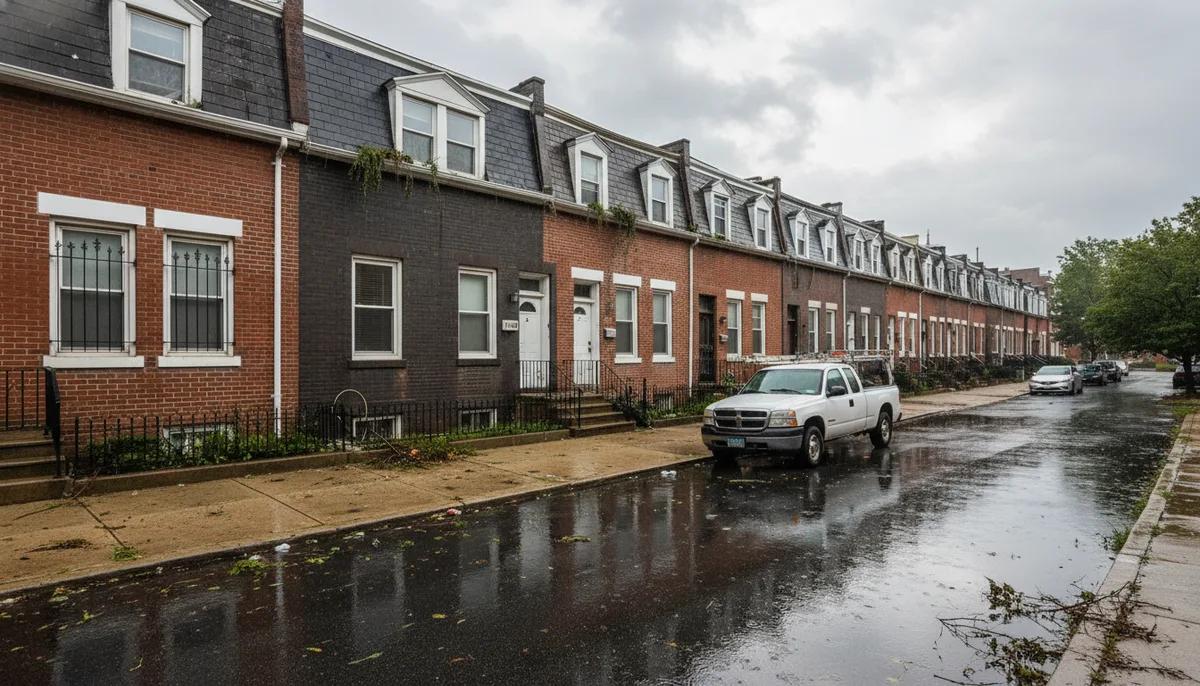
Philadelphia sits in a region that experiences some of the Mid-Atlantic's most volatile summer weather. From late June through August, the city regularly sees fast-moving thunderstorms that combine high winds, heavy rainfall, and occasional hail. According to the National Weather Service's Philadelphia office, the region averages more than 30 thunderstorm days per year, with summer accounting for the majority. Wind gusts during these storms frequently exceed 50 mph—more than enough to lift shingles, bend flashing, and drive water into vulnerable seams.

What makes Philadelphia's housing stock particularly susceptible is its age and density. The city is home to more than 57,000 row homes, many built between the 1880s and 1950s. These structures share party walls, have relatively flat or low-slope roof sections over rear additions, and often feature aging materials like slate, asphalt, and built-up tar that may already be near the end of their service lives. When a storm rolls through neighborhoods like Kensington, West Philly, or South Philly, even a moderate event can expose underlying vulnerabilities that have been quietly developing for years.

Summer heat compounds the problem. Philadelphia's urban heat island effect means rooftop temperatures can reach 150°F or higher on sunny days, causing asphalt shingles to soften and become more susceptible to wind uplift. When a sudden storm follows an especially hot day, the thermal shock can accelerate cracking and granule loss. Understanding these local conditions is the first step toward knowing what to inspect—and why acting quickly after a storm matters so much for Philadelphia homeowners.
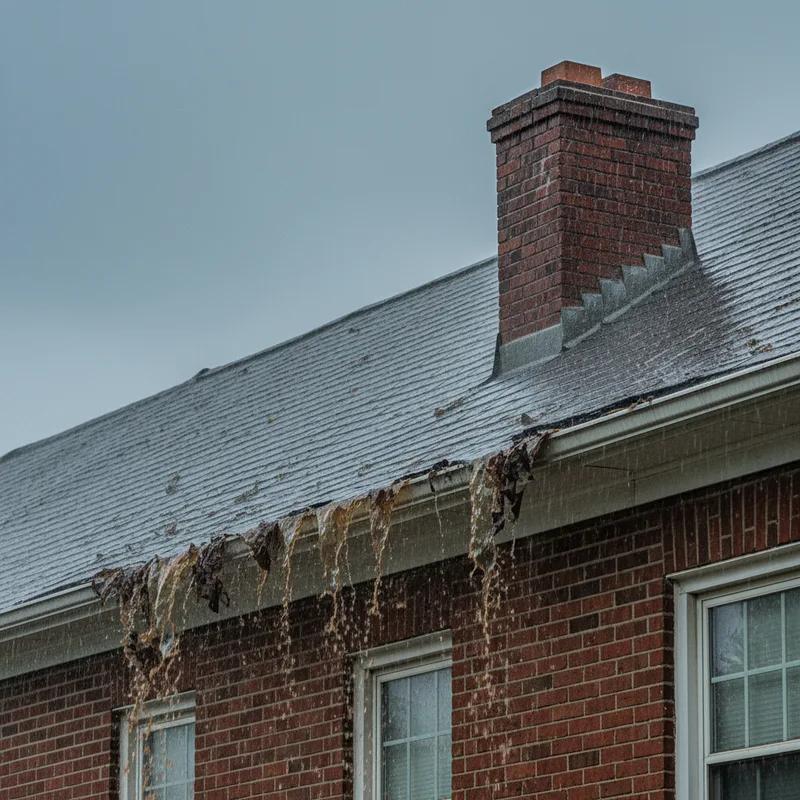
Dark storm clouds rolling over a dense Philadelphia row home neighborhood with wet rooftops visible from an elevated vantage point
Why Philadelphia Summer Storms Are Especially Hard on Roofs

2

Start With a Safe Ground-Level Inspection

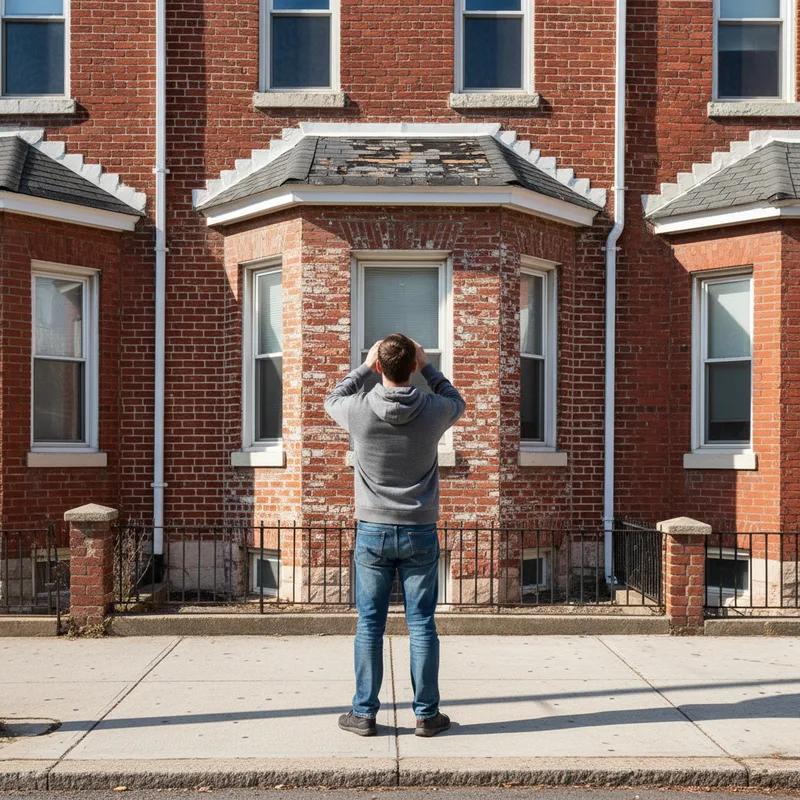
After a summer storm passes, your first instinct might be to climb up and take a look. Resist that urge—wet roofs are dangerously slippery, and post-storm debris can make footing unpredictable. Instead, begin with a thorough ground-level walkthrough around the perimeter of your home. Bring a pair of binoculars if you have them; they'll help you spot damage that would otherwise require a ladder.

Walk slowly around the entire structure and look for these key warning signs from the ground:

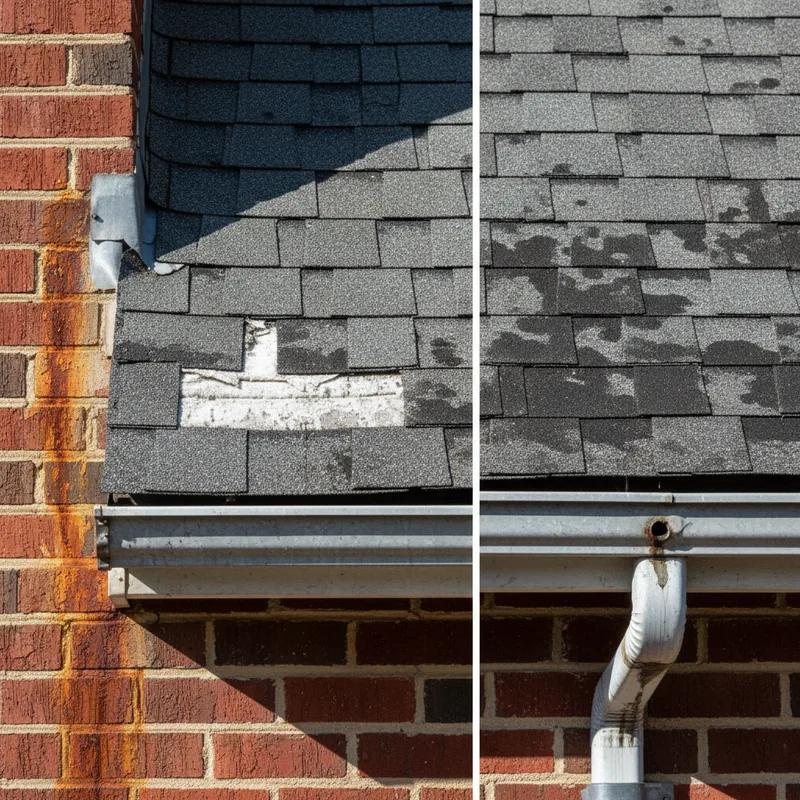
Missing or displaced shingles: Look for bare patches, shingles that are visibly lifted at the edges, or granules that have washed into your gutters or downspout splash pads. Dark, rough-textured piles of granules near downspouts are a classic indicator of shingle wear accelerated by storm impact.

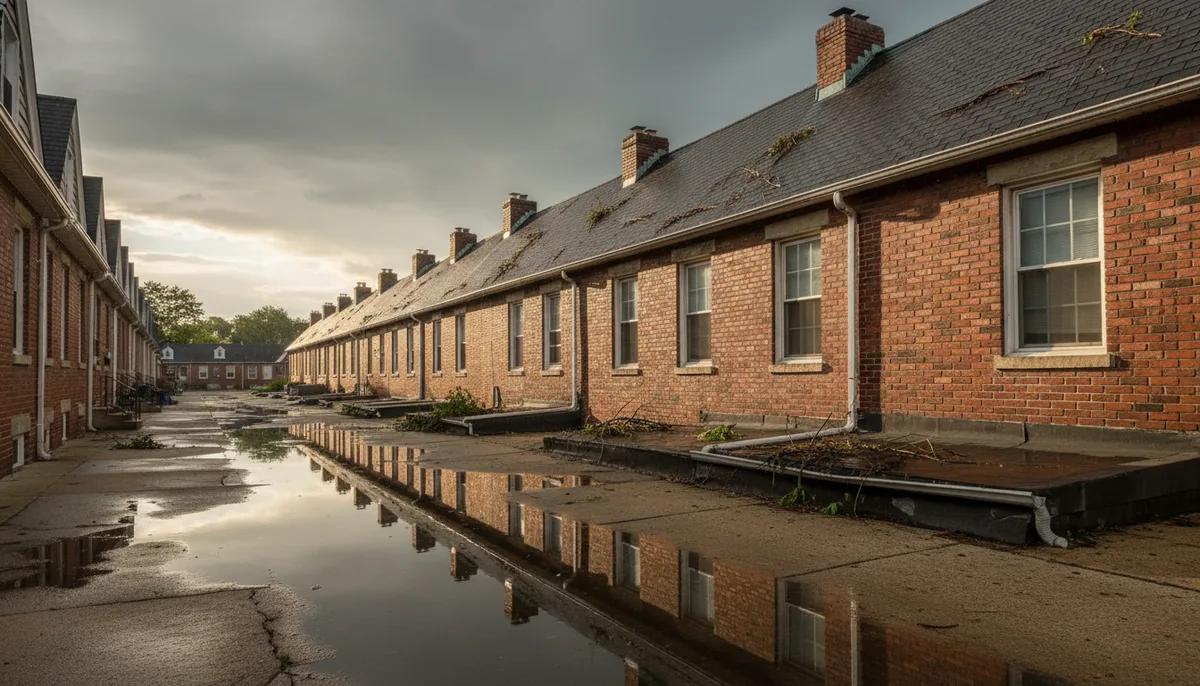
Debris accumulation: Branches, leaves, and other debris sitting on your roof can trap moisture and cause localized rot or membrane damage, especially on the flat rear additions common to Philadelphia row homes.

Damaged gutters and downspouts: Bent, sagging, or detached gutters often signal that wind or falling debris hit with significant force. Gutters that are pulling away from the fascia can also allow water to infiltrate behind the roofline.

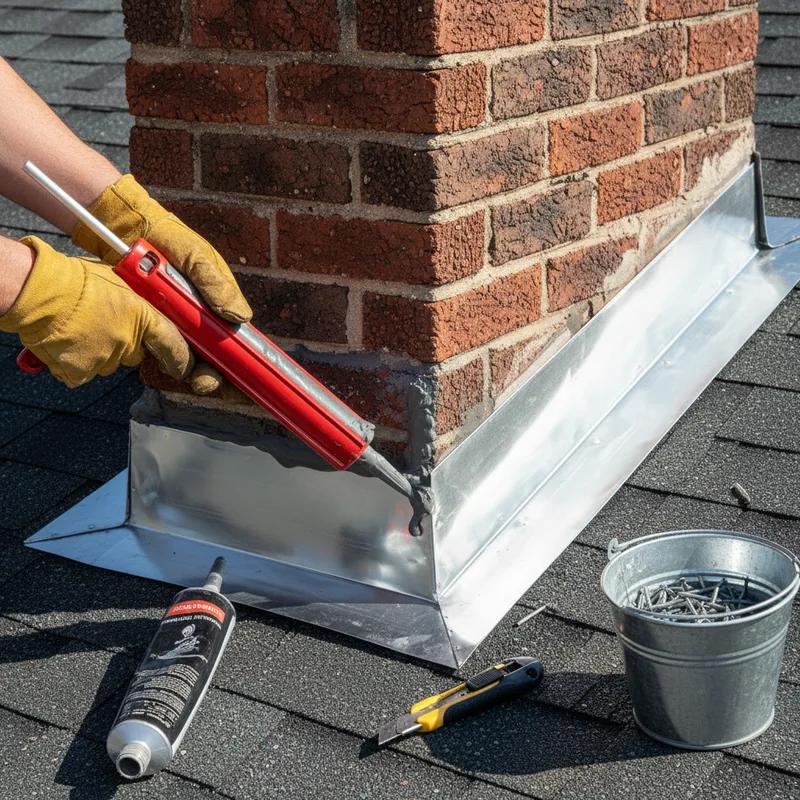
Dented or damaged flashing: Around chimneys, skylights, and where your roof meets a neighboring wall, look for metal flashing that appears bent, lifted, or separated. Even small gaps in flashing can allow gallons of water to enter during a single rain event.

For Philadelphia row homes specifically, don't forget to check the front and rear of the property separately. The front facade often has a different roofline pitch than the rear addition, and each section can sustain different types of damage depending on wind direction. Document everything you see with photos—you'll need them if you file an insurance claim.

Philadelphia homeowner using binoculars to inspect their row home roof from the sidewalk after a summer thunderstorm, with wet pavement and debris visible
Start With a Safe Ground-Level Inspection

3

Interior Warning Signs You Shouldn't Ignore

Some of the most telling evidence of storm damage isn't on your roof at all—it's inside your home. After any significant storm, take 15 to 20 minutes to walk through your attic and upper floors looking for signs that water has breached your roof system. Catching these indicators early can be the difference between a $400 flashing repair and a $15,000 structural restoration.

Attic inspection: If your home has an accessible attic, check it within 24 to 48 hours of a storm. Look for wet insulation, water stains on rafters or sheathing, daylight visible through the roof deck, or any musty odors that suggest moisture has been present. In older Philadelphia homes, you may find original board sheathing rather than plywood, which can absorb and conceal water damage more readily.

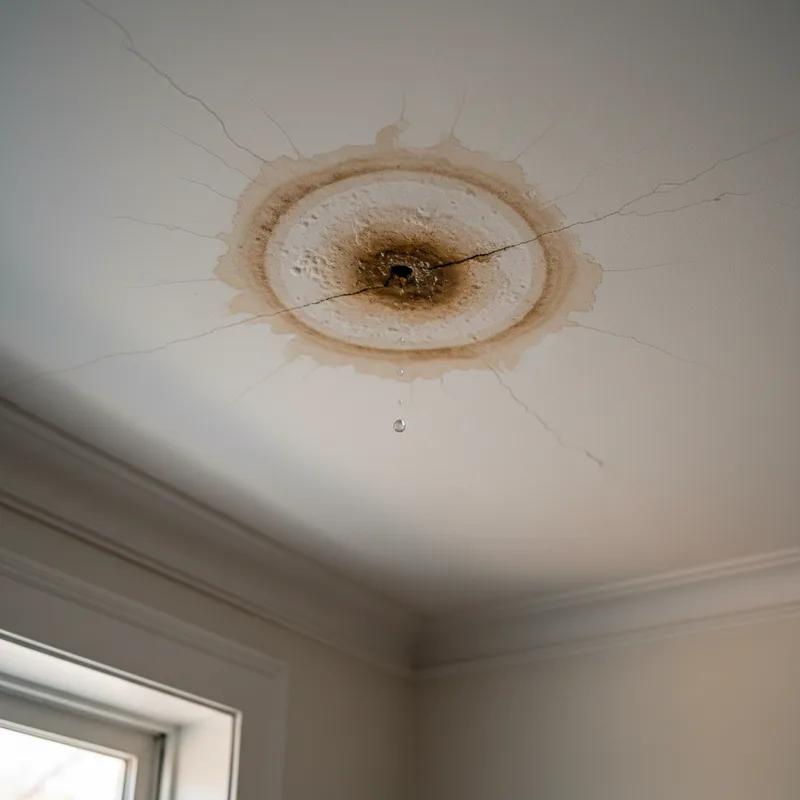
Ceiling stains and bubbling paint: Water stains on interior ceilings—especially in top-floor rooms or directly below flat roof sections—are a clear red flag. In Philadelphia row homes, the rear addition ceiling is a particularly common location for leaks because flat or low-slope roofs are more vulnerable to ponding water after heavy rain. Bubbling or peeling paint on ceilings can indicate moisture trapped just beneath the surface.

Damp walls near chimneys: Chimneys are one of the most common leak points on Philadelphia homes. If you notice damp drywall or plaster near a chimney chase on an upper floor, the flashing around the chimney base has likely failed or been displaced by wind.

Mold or mildew growth: Even small amounts of mold appearing shortly after a storm suggest that moisture infiltration has been occurring—possibly for longer than you realize. Philadelphia's humid summers create ideal conditions for mold to establish quickly once water enters a wall or ceiling cavity.

If you find any of these signs, document them with photos and contact a licensed Philadelphia roofing contractor for a professional assessment before conditions worsen.

Homeowner inspecting a Philadelphia row home attic with a flashlight, revealing water stains on wooden rafters and damp insulation after a summer storm
Interior Warning Signs You Shouldn't Ignore

4

Common Types of Storm Damage Specific to Philadelphia Homes

Philadelphia's diverse housing stock means different roof types face different storm vulnerabilities. Understanding which damage types are most common for your specific roof style will help you know exactly what to look for.

Asphalt shingle roofs (gable and hip styles): These are the most common roof type in neighborhoods like Northeast Philadelphia, Roxborough, and Manayunk. After a storm, look for cracked, curled, or missing shingles; bruising or soft spots caused by hail impact (run your hand carefully along shingles—hail damage often feels like a dent in a ping pong ball); and granule loss that exposes the underlying fiberglass mat.

Flat and low-slope roofs (EPDM, TPO, modified bitumen): Extremely common on row home rear additions and throughout South Philly and Fishtown. Storm damage here often appears as punctures from falling branches, seam separations caused by wind uplift, or blistering caused by rapid temperature changes. Ponding water that remains more than 48 hours after a storm is a serious concern and can indicate that drains have been clogged by debris.

Slate roofs: Many older homes in Chestnut Hill, Germantown, and West Mount Airy still have original slate roofs. High winds can crack or displace individual slates, and the copper or lead flashing around these roofs can be bent or lifted. Broken slates on the ground around your home are an obvious sign, but interior water stains may be the first indication of a problem.

Flashing failures across all roof types: Flashing—the metal strips that seal transitions between your roof and chimneys, skylights, dormers, and parapet walls—is the single most common source of post-storm leaks in Philadelphia. Wind can pry up flashing that was already loosely adhered, and heavy rain can exploit even a hairline gap. Always inspect flashing carefully after any significant storm, regardless of your roof type.

Close-up of storm-damaged asphalt shingles on a Philadelphia row home showing missing granules, cracked edges, and a displaced shingle tab after a summer hailstorm
Common Types of Storm Damage Specific to Philadelphia Homes

5

When to Call a Professional and What Philadelphia Codes Require

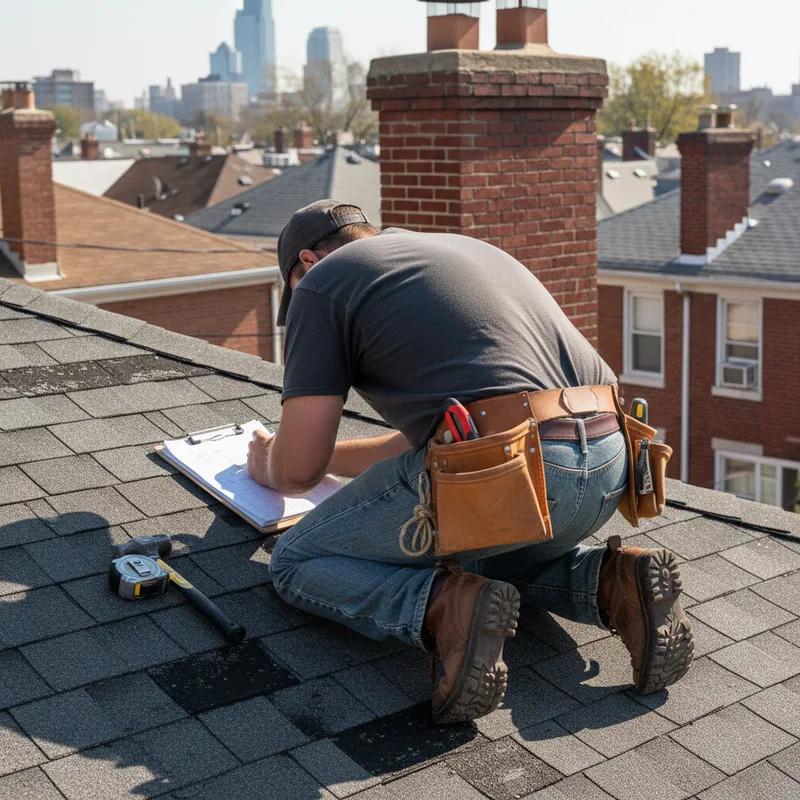
Knowing when to stop your DIY inspection and call a licensed roofing contractor is critical. If you've identified missing shingles, visible flashing damage, interior water stains, or any sign of structural compromise, it's time to bring in a professional. Do not attempt to walk on a wet or damaged roof—falls from residential roofs are a leading cause of serious injury, and post-storm conditions make the risk even higher.

In Philadelphia, roofing work is regulated by the Department of Licenses and Inspections (L&I). Any roofing repair or replacement that involves structural changes or exceeds certain thresholds requires a permit pulled through L&I. A reputable contractor will handle the permitting process on your behalf and ensure all work complies with the Philadelphia Building Code, which incorporates International Building Code standards with local amendments. Always ask any contractor you hire whether they are licensed with the City of Philadelphia and carry both general liability and workers' compensation insurance.

For storm damage specifically, timing matters. Most homeowners' insurance policies in Pennsylvania require that damage be reported promptly—typically within a reasonable period after the storm event. Delays can complicate or jeopardize your claim. Before any repairs begin, document all damage thoroughly with dated photographs and request a written inspection report from your contractor. This documentation will be essential when working with your insurance adjuster.

Be cautious of storm chasers—out-of-town contractors who flood Philadelphia neighborhoods after major storms, offering quick fixes and pressuring homeowners to sign contracts immediately. Philadelphia has seen an uptick in roofing fraud complaints following significant weather events. The Pennsylvania Attorney General's office and the Philadelphia District Attorney's consumer fraud unit both handle complaints related to contractor fraud. Verify any contractor's license status through L&I's online portal before signing anything.

Licensed Philadelphia roofing contractor in safety harness inspecting storm damage on a row home roof, with the Philadelphia skyline visible in the background
When to Call a Professional and What Philadelphia Codes Require

6

Protecting Your Roof Before the Next Storm Hits

The best time to address roof vulnerabilities is before a storm exposes them. A proactive maintenance approach can significantly reduce the damage your roof sustains during Philadelphia's summer storm season and extend the overall life of your roofing system.

Schedule a professional inspection annually: Most roofing professionals recommend at minimum one inspection per year, ideally in spring before storm season begins. A qualified inspector will identify loose or deteriorating shingles, compromised flashing, clogged drains, and other vulnerabilities that make your roof more susceptible to storm damage. Many Philadelphia contractors offer free or low-cost post-storm assessments.

Keep gutters and drains clear: Clogged gutters are one of the most preventable causes of water damage. In Philadelphia's urban environment, gutters fill quickly with leaves, debris, and even nesting materials. Clean them at least twice a year—once in late spring and once in fall—and after any major storm event. For flat roofs, ensure interior drains and scuppers are clear before storm season begins.

Trim overhanging trees: Many of Philadelphia's older neighborhoods are beautifully tree-lined, but overhanging branches pose a real threat during high-wind events. Have an arborist assess any trees near your home and remove or trim branches that could fall on your roof.

Address small repairs immediately: A cracked shingle or slightly lifted flashing may seem minor, but these small vulnerabilities become major entry points during a storm. Addressing them promptly—ideally before storm season—is always far less expensive than dealing with the water damage they can cause.

Know your roof's age: If your asphalt shingle roof is more than 20 years old, or your flat roof membrane is approaching 15 years, it may be worth consulting with a contractor about replacement before storm season rather than waiting for a failure. Aging materials are exponentially more vulnerable to storm damage than newer systems.

Philadelphia homeowner and roofing contractor reviewing a pre-storm maintenance checklist on a sunny day, with gutters being cleaned on a brick row home in the background
Protecting Your Roof Before the Next Storm Hits

Frequently Asked Questions

How soon after a storm should I inspect my Philadelphia roof for damage?

You should do a ground-level visual inspection as soon as it is safe to do so—typically within a few hours after the storm passes. A professional inspection should be scheduled within 24 to 72 hours if you notice any signs of damage, since most insurance policies require timely reporting and delays can complicate claims.

Can I climb on my roof myself to check for storm damage in Philadelphia?

It's strongly recommended that you avoid climbing on your roof, especially immediately after a storm when surfaces are wet and potentially weakened. Use binoculars from the ground or hire a licensed Philadelphia roofing contractor who has the proper safety equipment and training to conduct a safe inspection.

Does homeowners insurance in Pennsylvania cover summer storm roof damage?

Most standard homeowners insurance policies in Pennsylvania cover sudden storm damage from wind, hail, and falling debris, but coverage varies by policy. Review your declarations page for your deductible and any exclusions, document all damage thoroughly before repairs begin, and report the claim to your insurer promptly after the storm.

What are the most common roof damage signs on Philadelphia row homes after a storm?

The most common signs include missing or lifted shingles on sloped sections, ponding water or membrane blistering on flat rear addition roofs, displaced or bent flashing around chimneys and parapet walls, clogged or damaged gutters, and interior ceiling stains on upper floors or in the attic.

Do I need a permit for storm damage roof repairs in Philadelphia?

Minor repairs like replacing a few shingles may not require a permit, but any significant roofing work—including partial or full replacements—typically requires a permit from Philadelphia's Department of Licenses and Inspections (L&I). A reputable licensed contractor will advise you on permit requirements and handle the application process.

James Callahan
Founder & Editor, Philly Roof Find

James founded Philly Roof Find to give Philadelphia homeowners a transparent, independent resource for evaluating roofing contractors. With a background in building trades and a focus on local construction practices, he writes practical guides grounded in Philadelphia-specific building codes, materials, and contractor standards.