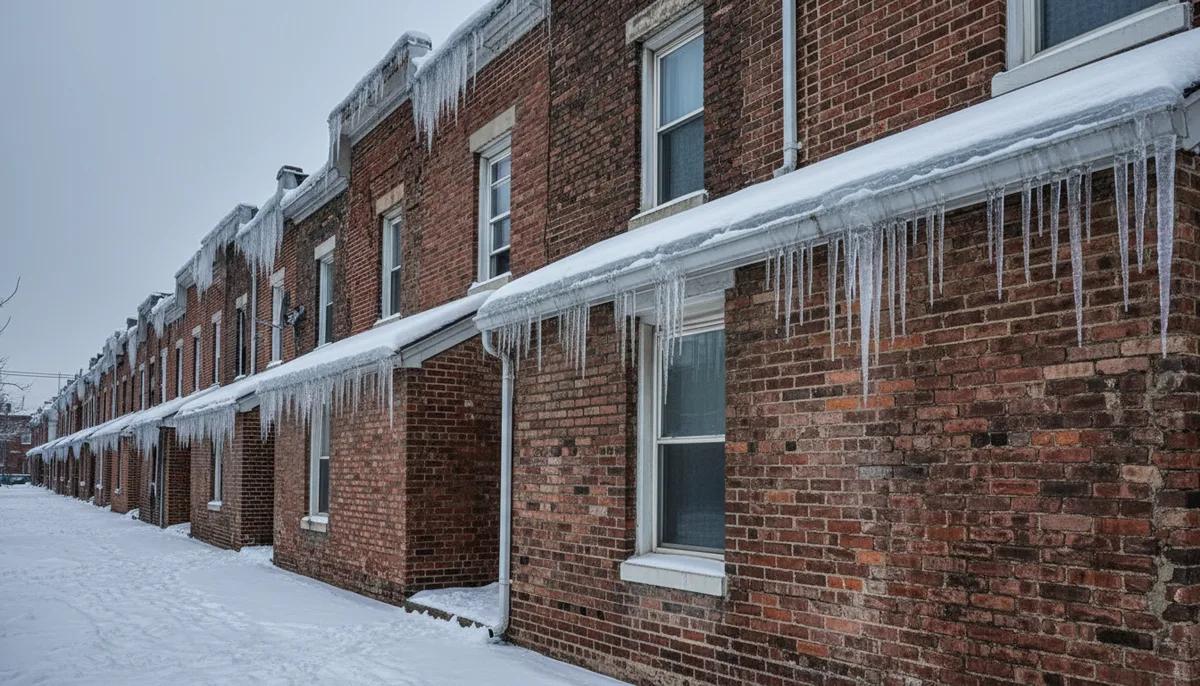
How Ice Dams Form and How to Prevent Them in Philadelphia

Learn how ice dams form on Philadelphia roofs, why row homes are especially vulnerable, and practical prevention tips to protect your home this winter.

How Ice Dams Form and How to Prevent Them in Philadelphia - Philadelphia roofing guide

Ice dams are a sneaky winter threat that can cause serious roof damage, water intrusion, and costly repairs for Philadelphia homeowners.

James Callahan
Published April 3, 2026·Updated April 3, 2026
1

What Are Ice Dams and Why Should Philadelphia Homeowners Care?

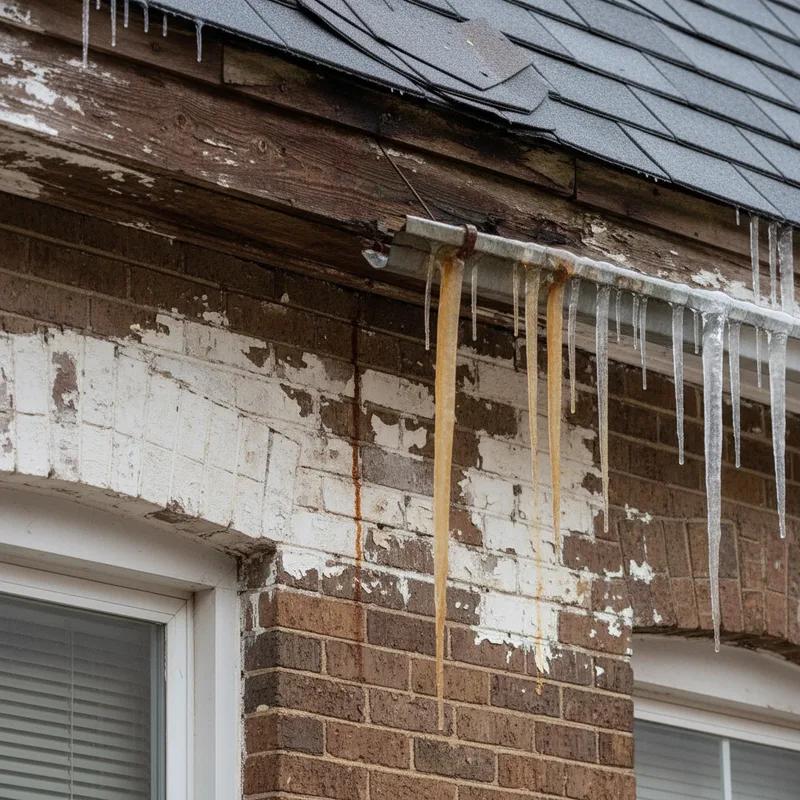
Ice dams are thick ridges of ice that build up along the lower edges of a roof — typically at the eaves and gutters — during freezing winter weather. While they might look like a harmless winter novelty, ice dams are actually one of the most destructive roofing problems a homeowner can face. Once a dam forms, meltwater backs up behind it and has nowhere to go but under your shingles, into your roof deck, and eventually into your ceilings and walls.

Philadelphia sits in a climate zone that makes ice dam formation particularly likely. The city experiences what meteorologists call a "freeze-thaw cycle" — temperatures that swing above and below 32°F multiple times throughout winter. A typical Philadelphia January might see overnight lows in the teens followed by afternoon highs pushing 40°F. That constant cycling creates ideal conditions for ice dam development.

The city also receives a meaningful amount of snow accumulation each winter, averaging around 20 inches annually, though individual seasons vary widely. When several inches of snow sit on a roof for days at a time during these fluctuating temperatures, the conditions are ripe for ice dam formation.

Beyond the climate, Philadelphia's housing stock adds another layer of vulnerability. The city is dominated by attached row homes, many of which are over 100 years old. These older structures were built long before modern insulation and ventilation standards existed, making them significantly more susceptible to the heat loss patterns that cause ice dams. Homeowners in neighborhoods like Fishtown, South Philly, Germantown, and Kensington are especially likely to encounter this problem.

Understanding ice dams isn't just an academic exercise — it can save you thousands of dollars in water damage repairs, mold remediation, and premature roof replacement.
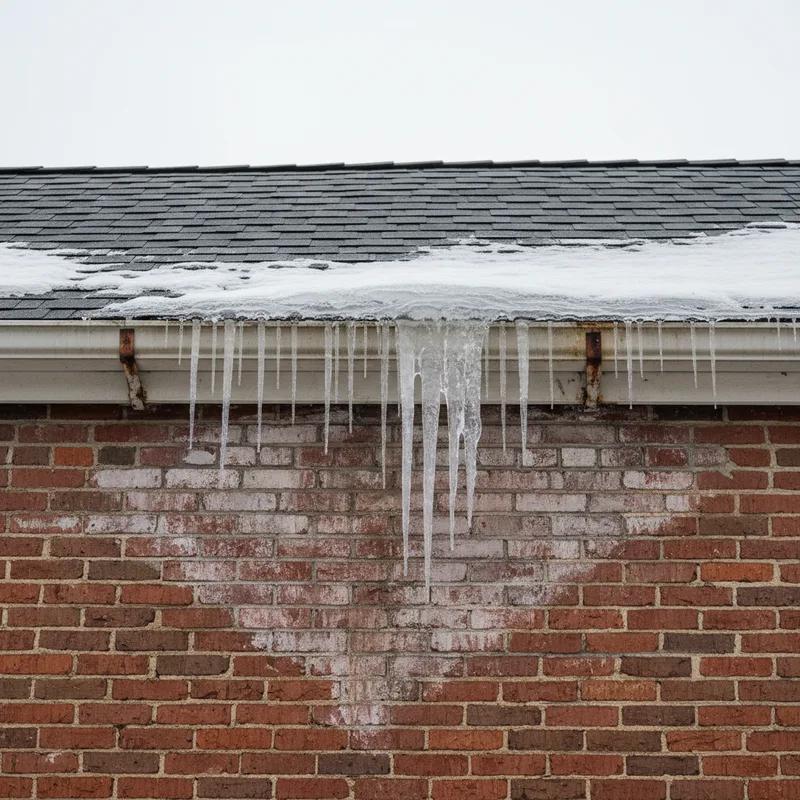
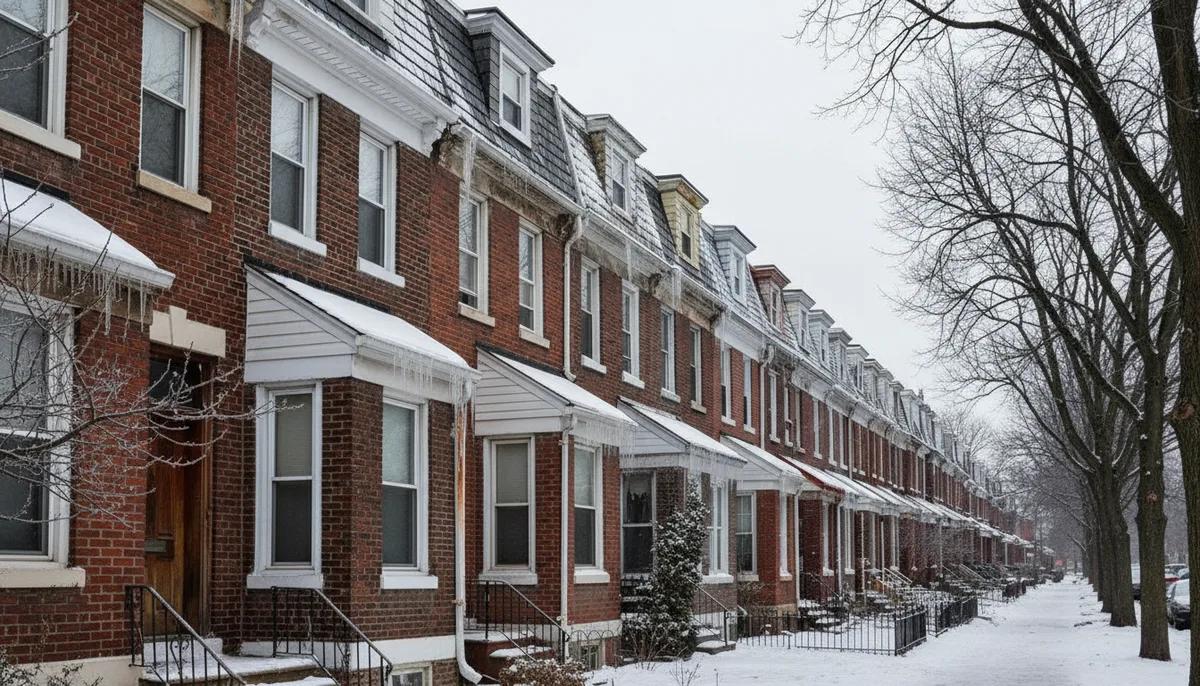
Close-up of a large ice dam forming along the eave edge of a Philadelphia row home roof with icicles hanging over a brick facade during winter
What Are Ice Dams and Why Should Philadelphia Homeowners Care?

2

The Science Behind How Ice Dams Form on Philadelphia Roofs

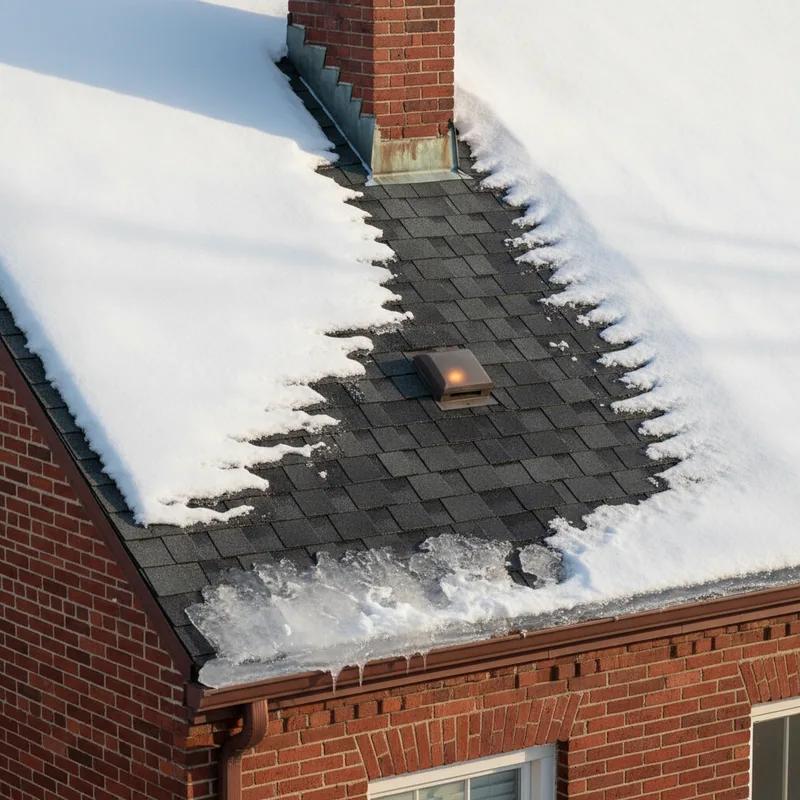
To prevent ice dams effectively, you first need to understand the physics that create them. The process begins with heat escaping from your living space up through the roof deck. In a poorly insulated or poorly ventilated attic, warm air from below heats the roof surface unevenly — the upper portions of the roof (near the ridge) become warm enough to melt snow, while the lower edges near the eaves remain at or below freezing because they extend beyond the heated envelope of the house.

As snow melts on the upper roof, the water runs downward toward the eaves. When it reaches the colder section of the roof, it refreezes. Night after night, this process repeats, and the ice ridge grows larger. Eventually, the dam becomes thick enough to trap liquid water behind it. That standing water is what causes the real damage — it seeps under shingles, saturates roof decking, and infiltrates insulation, drywall, and structural framing.

For Philadelphia row homes specifically, the problem is compounded by several architectural factors. Many older row homes have flat or low-slope rear roof sections in addition to a pitched front facade. Flat roofs drain differently and can accumulate standing water when ice dams block internal drains or scuppers. Additionally, shared party walls between attached homes can create thermal bridging — areas where heat escapes in concentrated patterns — that accelerates uneven snow melt.

Dormer windows, skylights, and roof valleys are also common trouble spots. These architectural features interrupt the smooth flow of meltwater and create natural collection points where ice can build up faster. Homes in older Philadelphia neighborhoods like West Philadelphia, Roxborough, and Chestnut Hill often have complex rooflines with multiple dormers and valleys that require extra attention during winter months.

Recognizing these specific risk factors on your own home is essential for targeting your prevention efforts where they matter most.

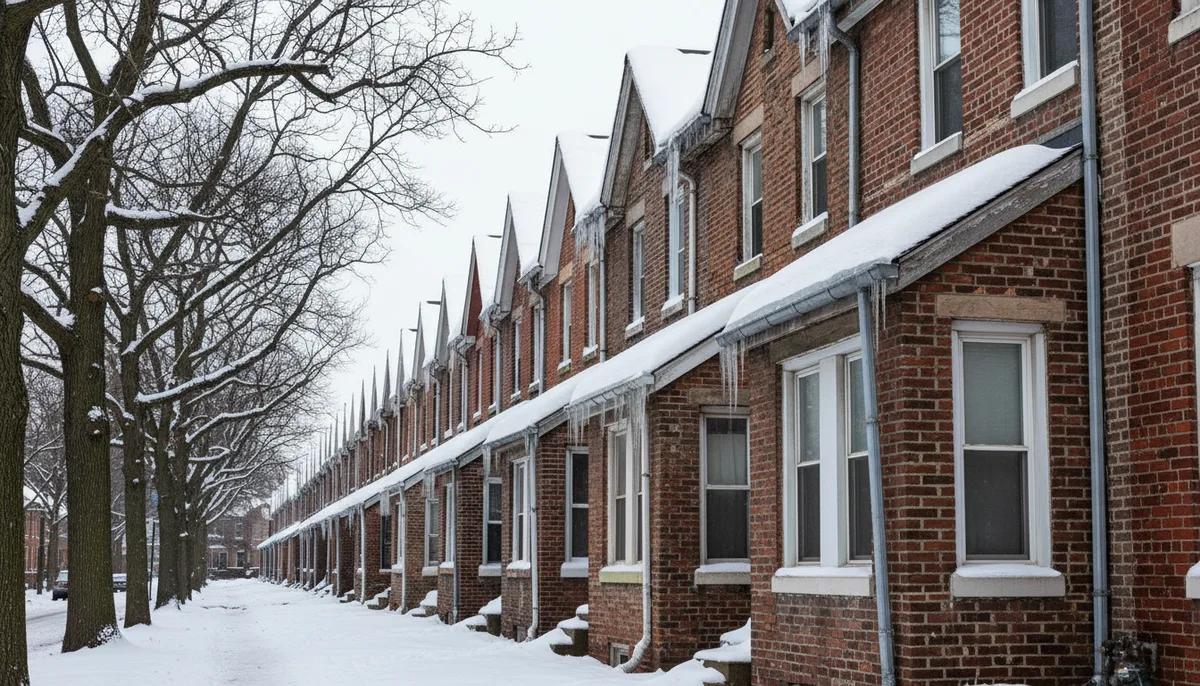
Diagram-style photo showing snow melting near a roof ridge and refreezing at the eave on a Philadelphia row home, illustrating the ice dam formation cycle
The Science Behind How Ice Dams Form on Philadelphia Roofs

3

Warning Signs You Already Have an Ice Dam Problem

Ice dams don't always announce themselves dramatically. In many cases, the visible ice buildup on the exterior is the most obvious sign — but interior damage can be well underway before a homeowner realizes there's a serious problem. Knowing what to look for, both inside and outside your home, can help you catch ice dam damage early and limit repair costs.

On the exterior, look for large icicles hanging from your gutters or eaves. While some icicles are normal and harmless, thick, wide formations or icicles that extend upward onto the roof surface suggest a dam is actively forming. You may also notice a visible ridge of ice along the lower edge of the roof, often extending into or over the gutters.

Inside your home, the warning signs are subtler but often more alarming. Water stains on ceilings — particularly in rooms directly below the roofline — are a classic indicator. You might notice damp or discolored drywall near exterior walls, peeling paint on ceiling surfaces, or moisture around window frames in upper-floor rooms. In attic spaces, look for frost or ice on the underside of the roof deck, wet or compressed insulation, and any signs of mold or mildew growth.

Philadelphia homeowners in older row homes should pay particular attention to the top-floor rear bedrooms, which are often directly below a low-slope or flat roof section. These areas are disproportionately affected by ice dam leaks and are sometimes the first place water intrusion becomes visible.

If you notice any of these signs during or after a cold snap, it's important to act quickly. Water that infiltrates a roof deck can cause rot and structural damage in a matter of weeks, and mold can begin growing within 24 to 48 hours of moisture exposure. Contacting a licensed Philadelphia roofing contractor for an inspection is the safest next step.

Interior ceiling of a Philadelphia home showing water stains and peeling paint caused by ice dam water infiltration during winter
Warning Signs You Already Have an Ice Dam Problem

4

How to Prevent Ice Dams: Insulation, Ventilation, and Air Sealing

The most effective and lasting way to prevent ice dams is to address the root cause: uneven heat distribution across your roof surface. This means investing in three interconnected improvements — proper attic insulation, adequate roof ventilation, and thorough air sealing. When all three work together, your roof stays uniformly cold in winter, snow melts evenly (or not at all), and ice dams simply can't form.

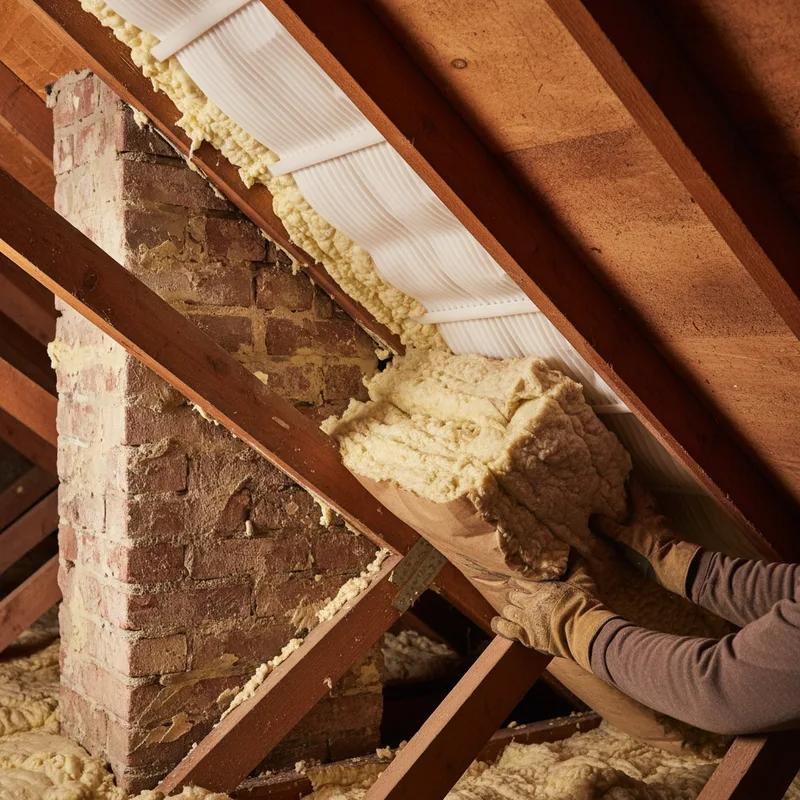
Attic insulation is the foundation of ice dam prevention. The U.S. Department of Energy recommends R-49 to R-60 insulation for attics in Philadelphia's climate zone (Zone 4). Many older Philly row homes have far less than this — some have little to no attic insulation at all. Adding blown-in cellulose or spray foam insulation to bring your attic up to current standards is one of the highest-return investments a homeowner can make for both ice dam prevention and year-round energy efficiency.

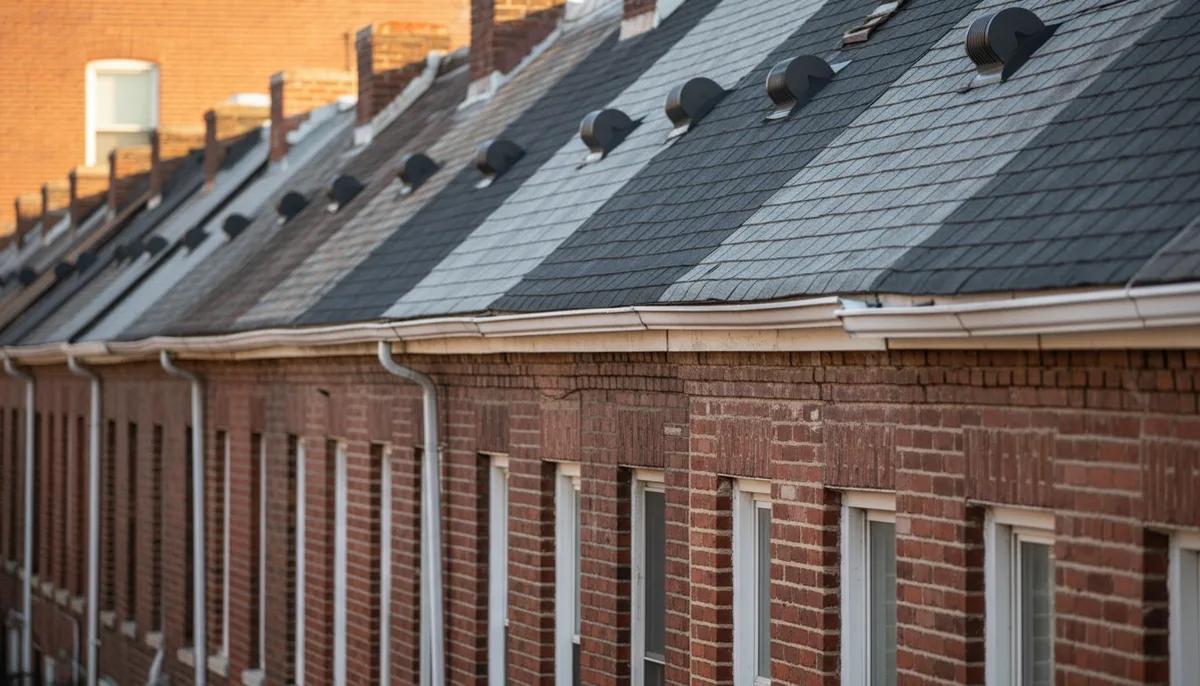
Roof ventilation works in tandem with insulation by allowing cold outside air to circulate through the attic space, keeping the roof deck temperature consistent from ridge to eave. A properly ventilated roof should have a balance of intake vents (typically at the soffits) and exhaust vents (at or near the ridge). Philadelphia's building codes, administered through the Department of Licenses and Inspections (L&I), require adequate ventilation in new and replacement roofing projects — but many existing homes fall short of these standards.

Air sealing is often the most overlooked piece of the puzzle. Even well-insulated attics can develop ice dams if warm air is leaking through gaps around recessed lighting, plumbing penetrations, attic hatches, and HVAC ducts. A professional energy audit can identify these air leakage points precisely. Programs through the Pennsylvania Weatherization Assistance Program and PECO's energy efficiency initiatives may offer financial assistance for qualifying homeowners to complete these upgrades.

For flat roof sections common on Philadelphia row homes, proper drainage design and the use of self-adhering ice-and-water shield membrane beneath roofing materials provide an additional layer of protection.

Contractor installing blown-in attic insulation in the attic of a Philadelphia row home as part of an ice dam prevention project
How to Prevent Ice Dams: Insulation, Ventilation, and Air Sealing

5

Immediate Ice Dam Removal: Safe Methods for Philadelphia Homeowners

When an ice dam has already formed and water is actively threatening your home, you need to act — but safely. Improper ice dam removal is one of the leading causes of additional roof damage and personal injury during winter. Knowing the right methods (and which ones to avoid) can make a significant difference.

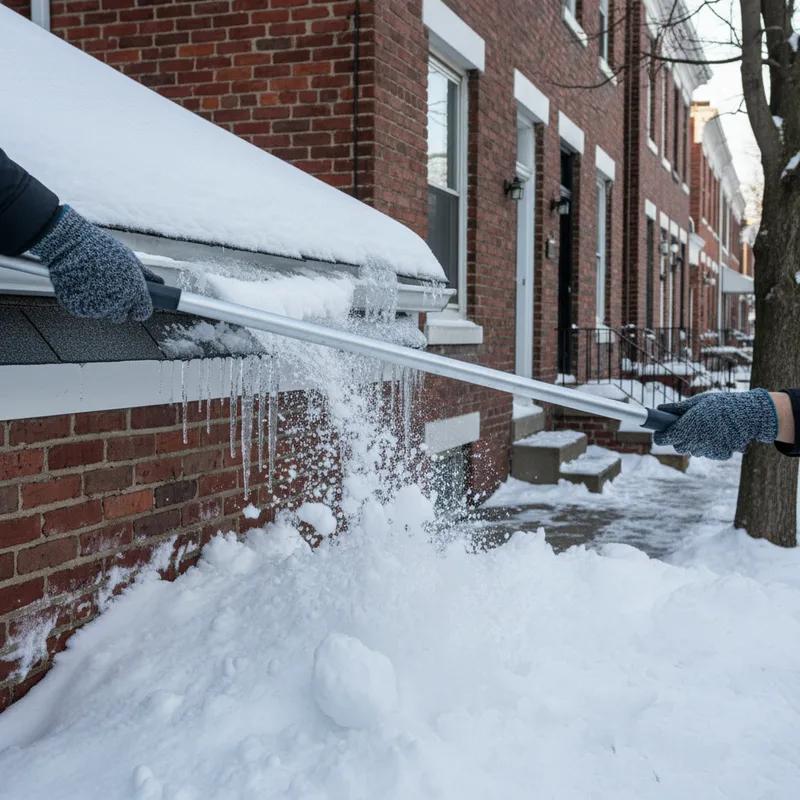
The safest immediate action a homeowner can take is to use a roof rake to remove snow from the lower 3 to 4 feet of the roof while standing safely on the ground. Roof rakes are long-handled tools available at most Philadelphia hardware stores. Removing the snow supply eliminates the fuel that feeds the ice dam, allowing it to gradually diminish on its own. Never use a standard metal rake or sharp tools, as these can damage shingles.

Calcium chloride ice melt is another commonly recommended DIY approach. Fill a nylon stocking or mesh tube with calcium chloride pellets and place it vertically across the ice dam, perpendicular to the eave. As the calcium chloride melts through the ice, it creates a channel for trapped water to drain off the roof. Important note: use calcium chloride specifically — sodium chloride (rock salt) and other deicing products can corrode metal gutters, damage shingles, and harm landscaping below.

What you should absolutely avoid: never use a heat gun, open flame, or pressure washer on a frozen roof. Do not attempt to chip or hack at ice with axes, picks, or shovels — this almost always damages the roofing material beneath and can void your warranty. Avoid walking on a snow- or ice-covered roof, which presents serious fall hazards.

For significant ice dams, or any situation where water is actively entering the home, calling a licensed Philadelphia roofing contractor is the right move. Many reputable local contractors offer emergency winter services and have the equipment — including low-pressure steam systems — to safely remove ice dams without damaging the roof. After the dam is removed, a contractor can also assess any underlying damage and recommend repairs before the next storm season.

Philadelphia homeowner safely using a long-handled roof rake from the ground to remove snow from the lower edge of a row home roof in winter
Immediate Ice Dam Removal: Safe Methods for Philadelphia Homeowners

6

Long-Term Roofing Upgrades That Stop Ice Dams for Good

While insulation, ventilation, and air sealing address the underlying causes of ice dams, there are also roofing-specific upgrades that provide lasting protection — especially important if you're planning a roof replacement or major repair in the near future.

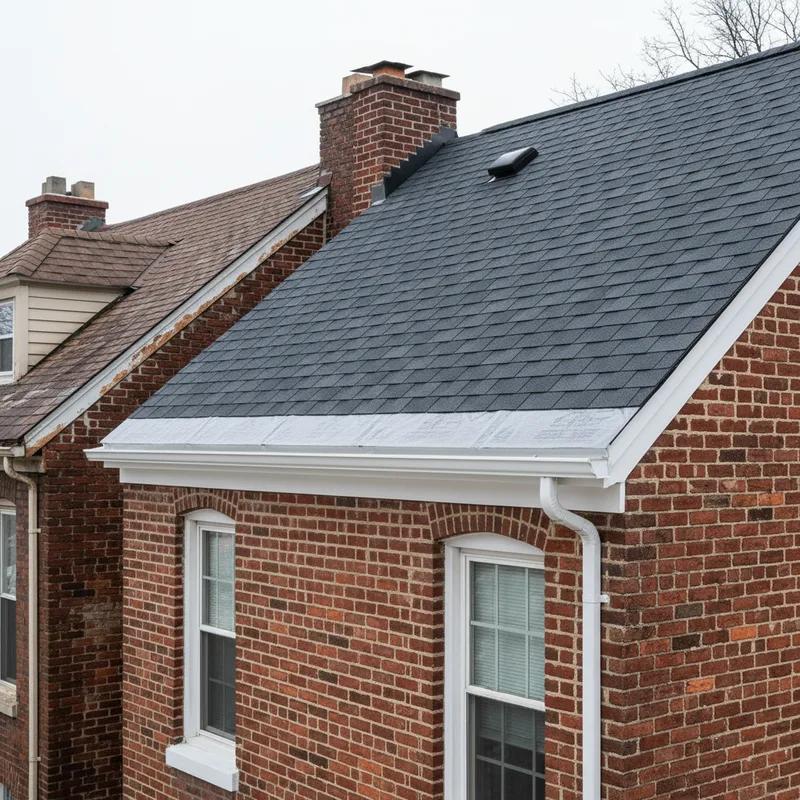
The single most important roofing material upgrade for ice dam protection is self-adhering ice-and-water shield membrane. This rubberized asphalt membrane is installed directly on the roof deck beneath shingles or other roofing materials. It seals around nails and creates a waterproof barrier that prevents meltwater from infiltrating even if it does back up behind a dam. Philadelphia's current building code requires ice-and-water shield along eaves and in valleys on new and replacement roofing projects — but if your roof was installed before these requirements were in place, it may lack this critical protection layer.

For flat roof sections — extremely common on the rear additions of Philadelphia row homes — upgrading to a modern TPO or EPDM membrane roofing system with proper slope-to-drain design significantly reduces ice dam risk. These materials are more resistant to freeze-thaw cycling than older built-up roofing systems and provide better waterproofing at seams and penetrations.

Heated roof cables (also called heat tape) are an electrical solution that can be effective in chronic problem areas like gutters, valleys, and downspout openings. These low-wattage cables are installed in a zigzag pattern along the eave and keep those areas warm enough to allow drainage. They're best used as a supplemental measure rather than a primary prevention strategy, as they add to energy costs and require periodic maintenance.

When hiring a contractor for any of these upgrades, verify they hold a valid Pennsylvania Home Improvement Contractor (HIC) registration and are familiar with Philadelphia L&I permit requirements. Getting multiple estimates and checking references through the Philly Roof Find directory ensures you're working with a qualified professional who understands local building codes and the specific challenges of Philadelphia's housing stock.

Roofing contractor installing ice-and-water shield membrane along the eave of a Philadelphia row home roof during a roof replacement project
Long-Term Roofing Upgrades That Stop Ice Dams for Good

Frequently Asked Questions

Do ice dams happen in Philadelphia?

Yes, ice dams are a real and recurring problem in Philadelphia. The city's freeze-thaw winter climate — with temperatures regularly cycling above and below freezing — combined with an older housing stock that often lacks adequate insulation and ventilation makes Philly homes particularly susceptible to ice dam formation.

How do I know if my row home has an ice dam?

Look for thick ridges of ice or large icicles along your eaves or gutters, especially if they extend upward onto the roof surface. Inside, water stains on upper-floor ceilings, damp walls near exterior edges, and peeling paint are common signs that an ice dam has allowed water to infiltrate your home.

Can I remove an ice dam myself?

Homeowners can safely remove snow from the lower roof using a long-handled roof rake from the ground, and can use calcium chloride ice melt in a stocking to create drainage channels. However, chipping at ice with sharp tools or walking on a frozen roof is dangerous and can cause additional damage — for significant dams or active leaks, call a licensed Philadelphia roofing contractor.

How much does ice dam prevention cost in Philadelphia?

Costs vary widely depending on the scope of work. Adding attic insulation and air sealing typically ranges from a few hundred to a few thousand dollars depending on attic size and current conditions. Ice-and-water shield installation is usually included in the cost of a full roof replacement. Some costs may be offset through Pennsylvania Weatherization Assistance Program funding or PECO energy efficiency rebates for qualifying homeowners.

Does homeowners insurance cover ice dam damage in Pennsylvania?

Many standard homeowners insurance policies cover sudden and accidental water damage caused by ice dams, but coverage varies by insurer and policy. Damage that results from long-term neglect or lack of maintenance is often excluded. Review your policy carefully and document any damage with photos before making repairs — then file a claim promptly if you believe you're covered.

James Callahan
Founder & Editor, Philly Roof Find

James founded Philly Roof Find to give Philadelphia homeowners a transparent, independent resource for evaluating roofing contractors. With a background in building trades and a focus on local construction practices, he writes practical guides grounded in Philadelphia-specific building codes, materials, and contractor standards.