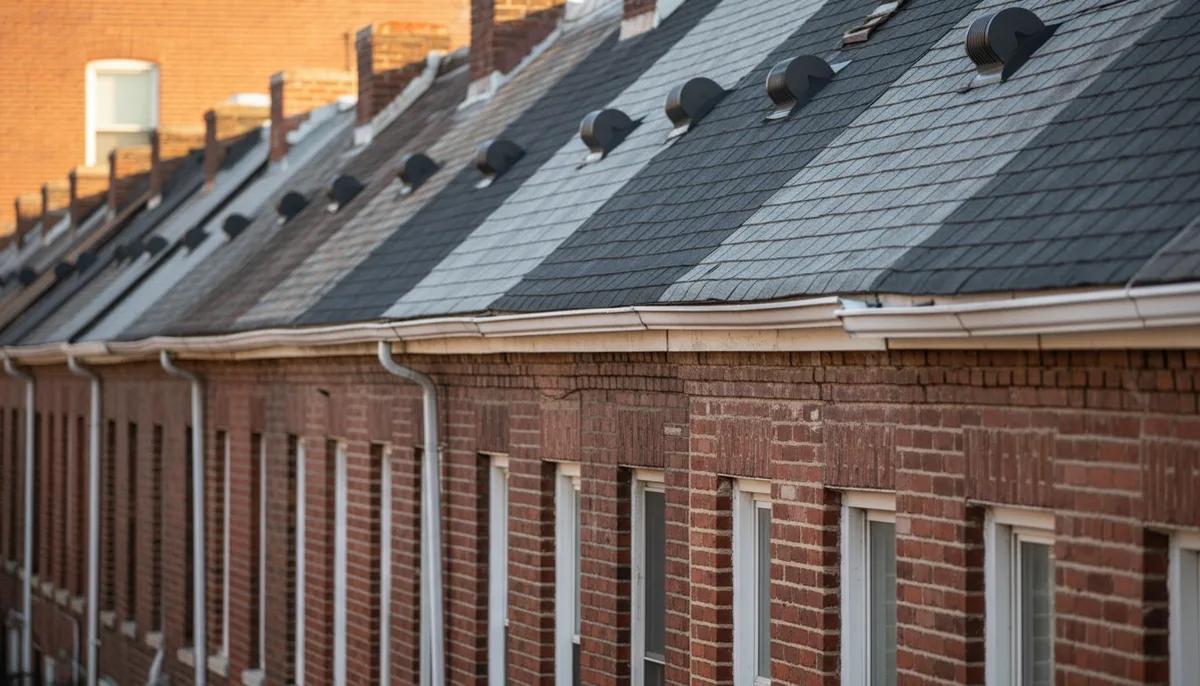
Why Roof Ventilation Is Especially Important for Philadelphia Row Homes
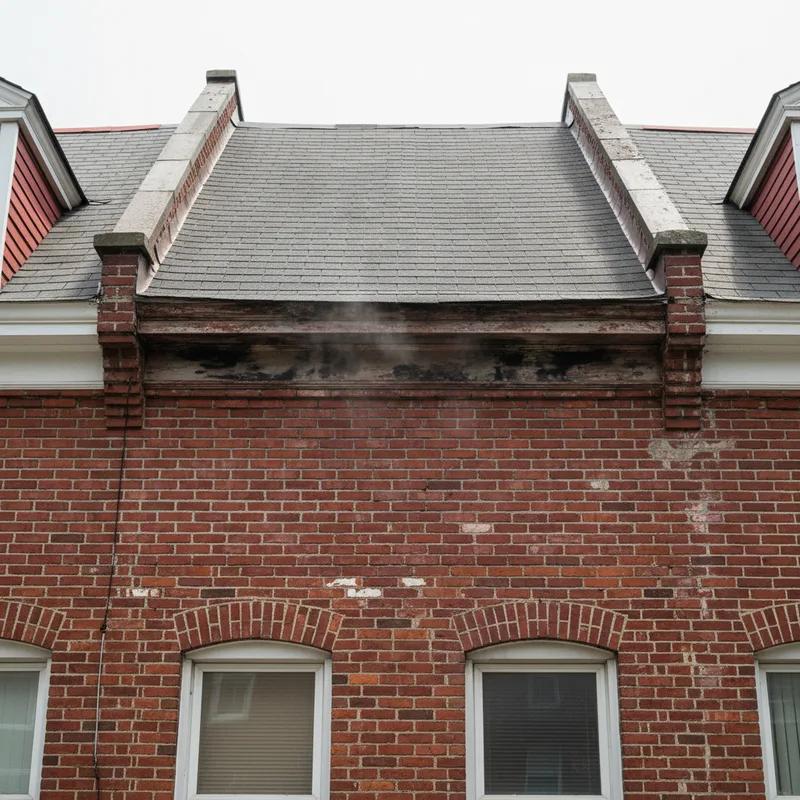
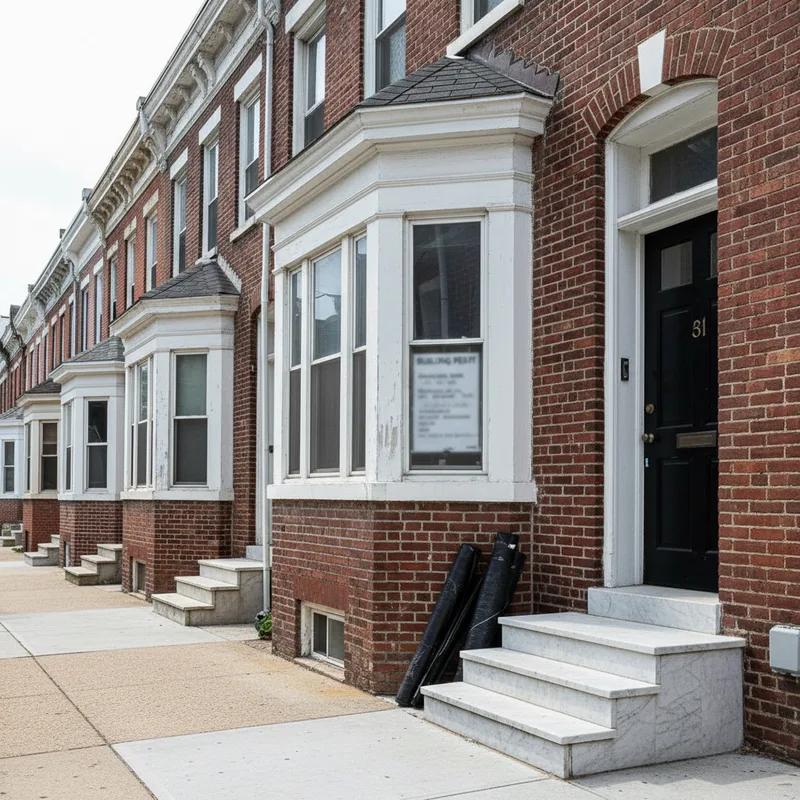
Philadelphia's row homes are architectural icons—from the brick-faced two-stories of South Philly to the larger Victorian-era rowhomes of West Philadelphia and the tightly packed blocks of Fishtown and Kensington. But their shared-wall construction creates a unique ventilation challenge that detached single-family homes simply don't face.
Because row homes are connected on both sides, airflow options are limited. Unlike a standalone house where soffit vents can run along all four sides of the eave, a row home typically only has a front and rear roofline exposed to open air. This dramatically reduces the natural intake and exhaust pathways that a ventilation system depends on.
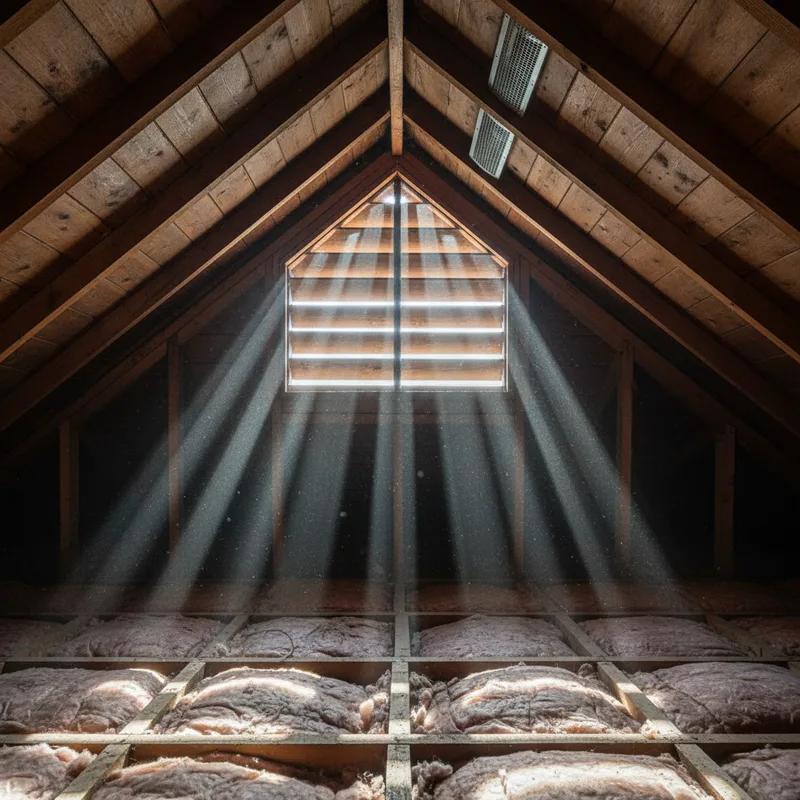
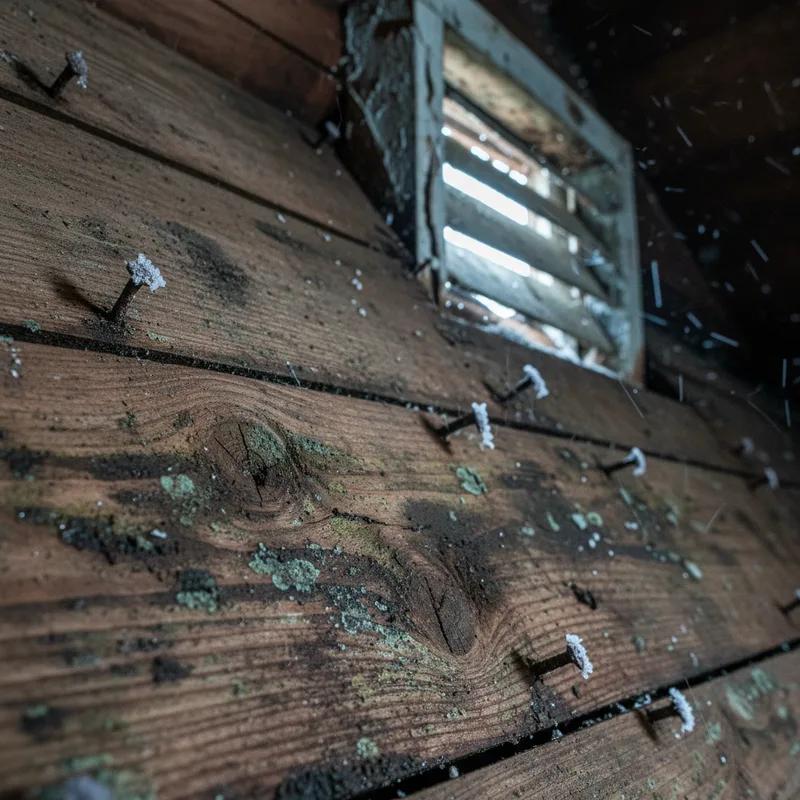
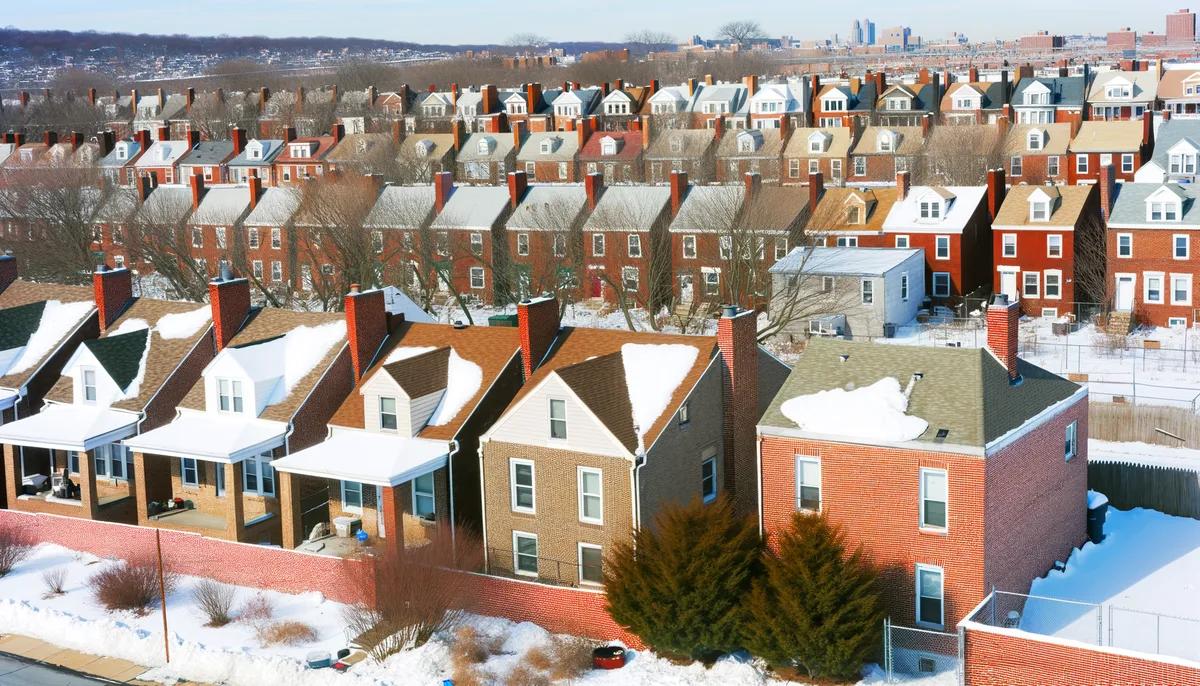
Philadelphia's climate makes this even more urgent. The city experiences humid summers that regularly push temperatures above 90°F and cold winters with significant freeze-thaw cycles. Without proper ventilation, summer heat builds up in the attic and radiates down into living spaces, forcing air conditioning systems to work overtime. In winter, warm air from inside the home rises into the attic, meets the cold roof deck, and condenses—leading to mold, rot, and structural damage.
The city's older housing stock compounds the problem. Many row homes in neighborhoods like Brewerytown, Germantown, and Olney were built before modern ventilation standards existed. Their attic spaces were often designed as storage areas rather than functional thermal buffers, and many lack any mechanical or passive ventilation at all.
Understanding these structural and climatic realities is the first step toward protecting your home. Proper ventilation isn't just a comfort upgrade—it's a foundational part of your roof's long-term performance and your home's energy efficiency.