Guide to Snow and Ice Removal for Philadelphia Roofs

Discover essential tips for safely removing snow and ice from Philadelphia roofs this winter and prevent costly damage.

Guide to Snow and Ice Removal for Philadelphia Roofs - Philadelphia roofing guide

Learn how to safely and effectively remove snow and ice from your Philadelphia roof.

James Callahan
Published February 24, 2026·Updated February 24, 2026
1

Understanding Philadelphia's Winter Weather and Roof Types

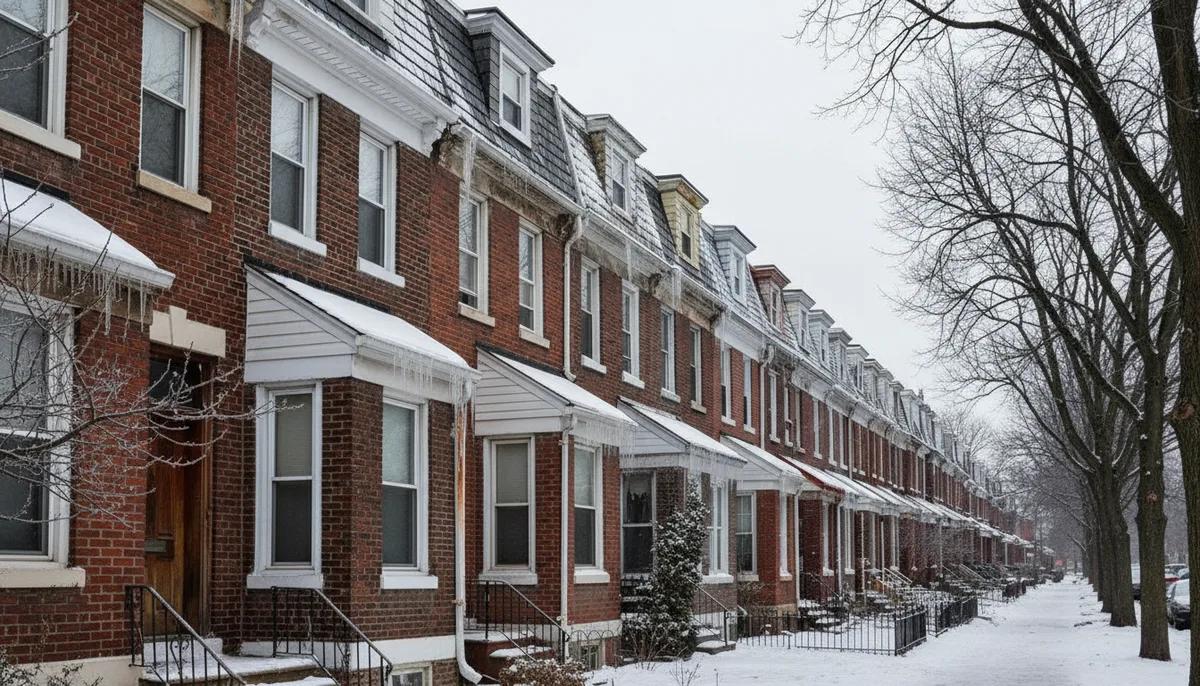
Philadelphia experiences heavy snowfall and icy conditions during winter, making it crucial for homeowners to understand how these elements affect different roof types. The city's iconic row homes often have flat roofs, which are particularly susceptible to snow and ice accumulation. These structures lack the natural slope to allow for easy runoff, increasing the risk of leaks and structural damage. Additionally, the varying ages of buildings across neighborhoods like Fishtown, South Philly, and Chestnut Hill mean that roofing materials can differ significantly. Understanding these dynamics is essential for effective snow and ice management.

The Philadelphia Department of Licenses & Inspections provides guidelines on maintaining roofs to withstand winter conditions (https://www.phila.gov/li/). Ensuring compliance with these codes not only protects your home but also avoids potential fines and penalties. Awareness of local weather patterns, such as Nor'easters that bring heavy snow, can help residents prepare in advance, reducing the risk of roof damage.
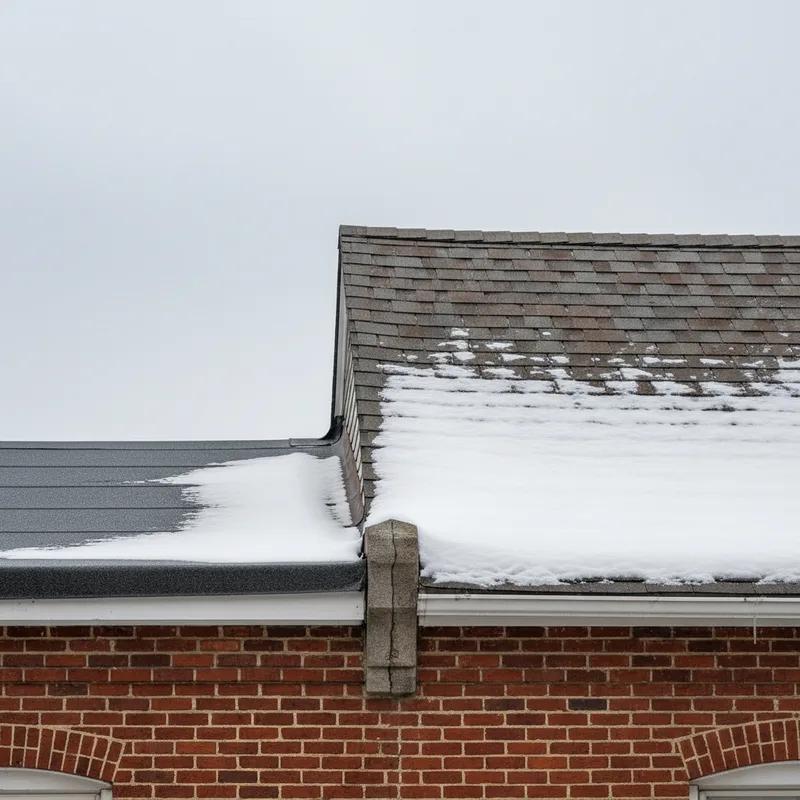
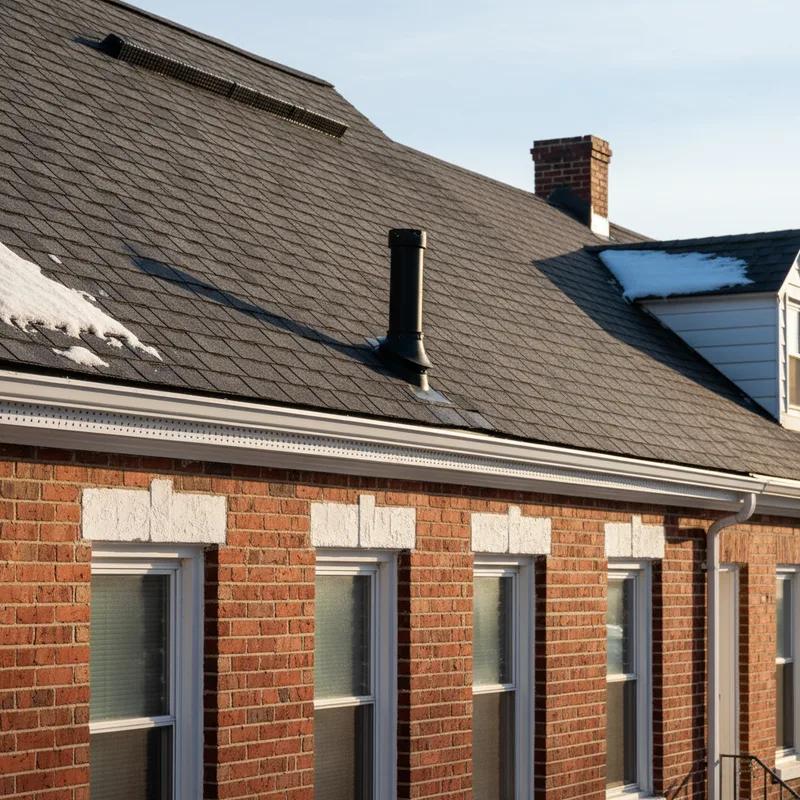
A row of Philadelphia row homes with snow-covered flat roofs, highlighting the city's winter weather impact.
Understanding Philadelphia's Winter Weather and Roof Types

2

Safe Snow Removal Techniques for Flat and Sloped Roofs

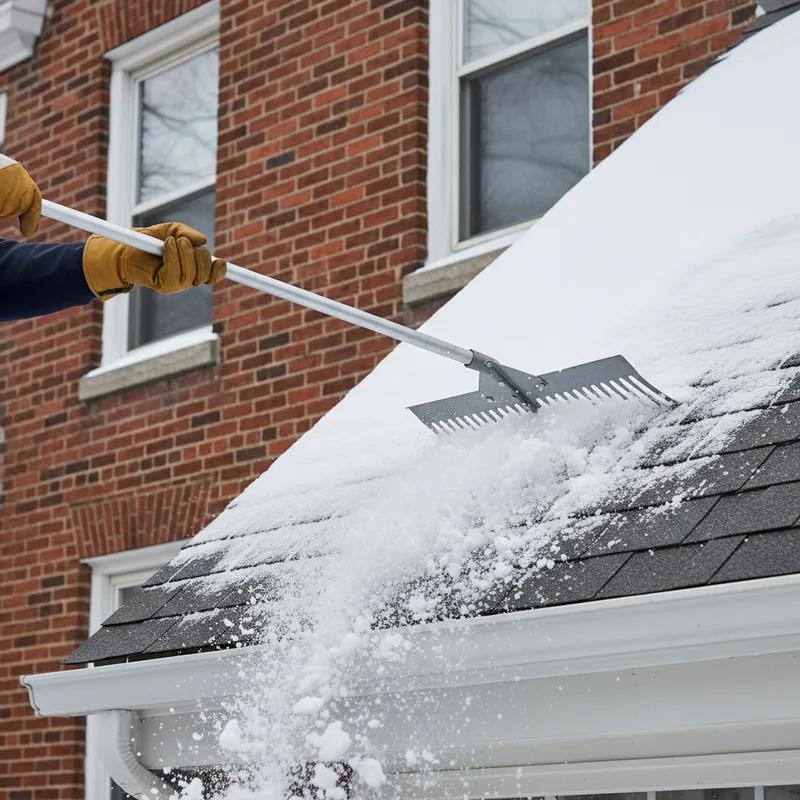
Effective snow removal is a vital skill for Philadelphia homeowners, especially given the prevalence of flat roofs. For flat roofs, it's important to regularly remove snow before it exceeds a depth of 12 inches, as excessive weight can lead to structural damage. Using a roof rake with a long handle can help reach and clear snow safely without climbing onto the roof.

For sloped roofs, particularly those found in suburban areas of Philadelphia, gravity assists in snow removal, but ice dams can still form. A calcium chloride ice melt product can be used carefully to clear these without damaging shingles. Always avoid using rock salt, as it can corrode roofing materials. Hiring a professional roofing contractor, especially for larger or more complex roofs, ensures the job is done safely and effectively.

A homeowner using a roof rake to safely remove snow from a flat roof in Philadelphia.
Safe Snow Removal Techniques for Flat and Sloped Roofs

3

Preventing Ice Dams on Philadelphia Roofs

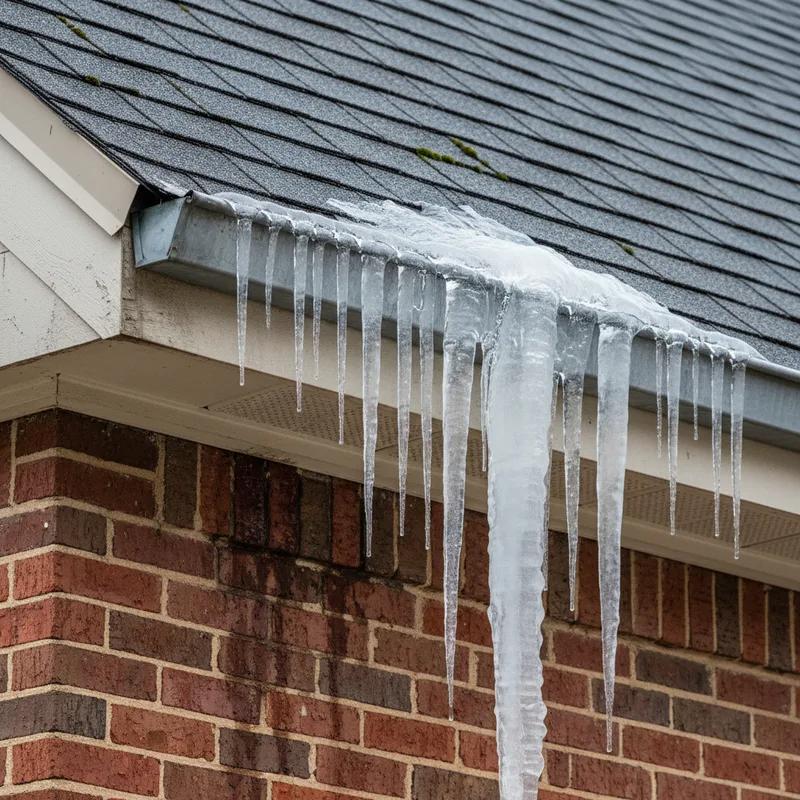
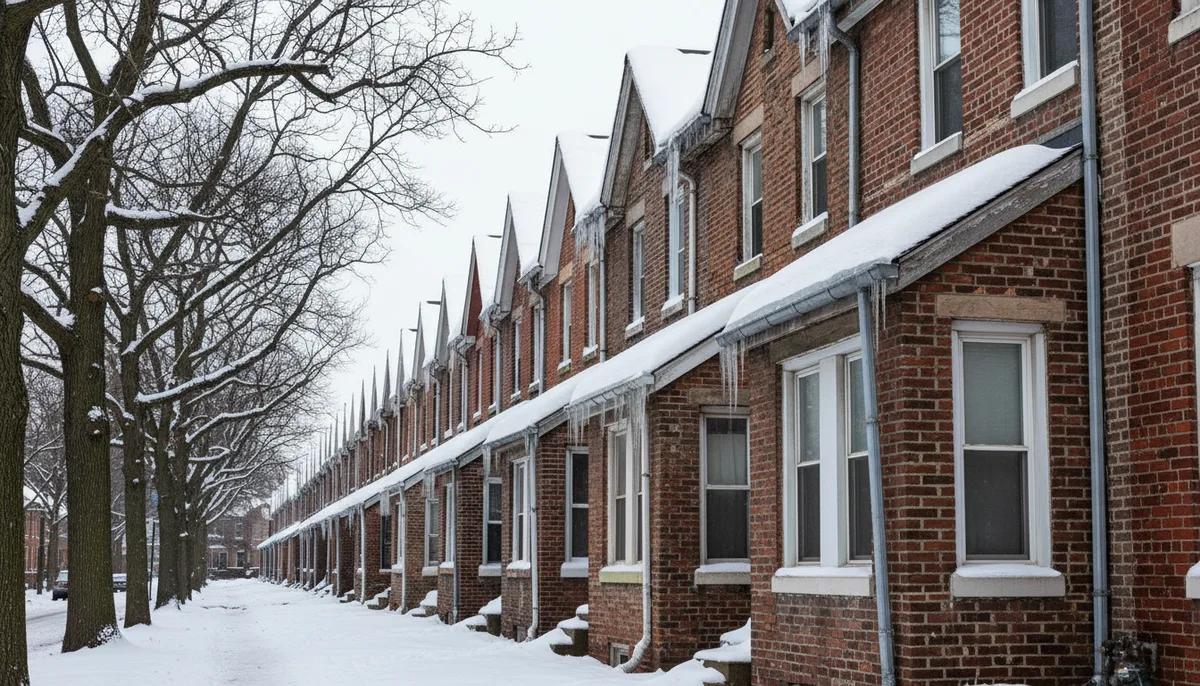
Ice dams pose a significant risk to Philadelphia roofs, especially during freeze-thaw cycles common in the region. These occur when snow melts on the roof and refreezes at the eaves, preventing further runoff and causing water to back up under shingles. To prevent this, ensure your attic is well-insulated and ventilated to keep the roof surface cold.

Installing heat cables along the eaves can also be an effective measure. These are readily available from local hardware stores or can be installed by a professional. Regularly clearing gutters and downspouts of debris will also facilitate proper drainage. The City of Philadelphia's Office of Sustainability (https://www.phila.gov/departments/office-of-sustainability/) offers additional resources on maintaining energy efficiency, which can indirectly help in minimizing ice dam formation.

Ice dams forming on the edge of a roof in Philadelphia, illustrating the need for preventive measures.
Preventing Ice Dams on Philadelphia Roofs

4

Hiring Professional Snow and Ice Removal Services

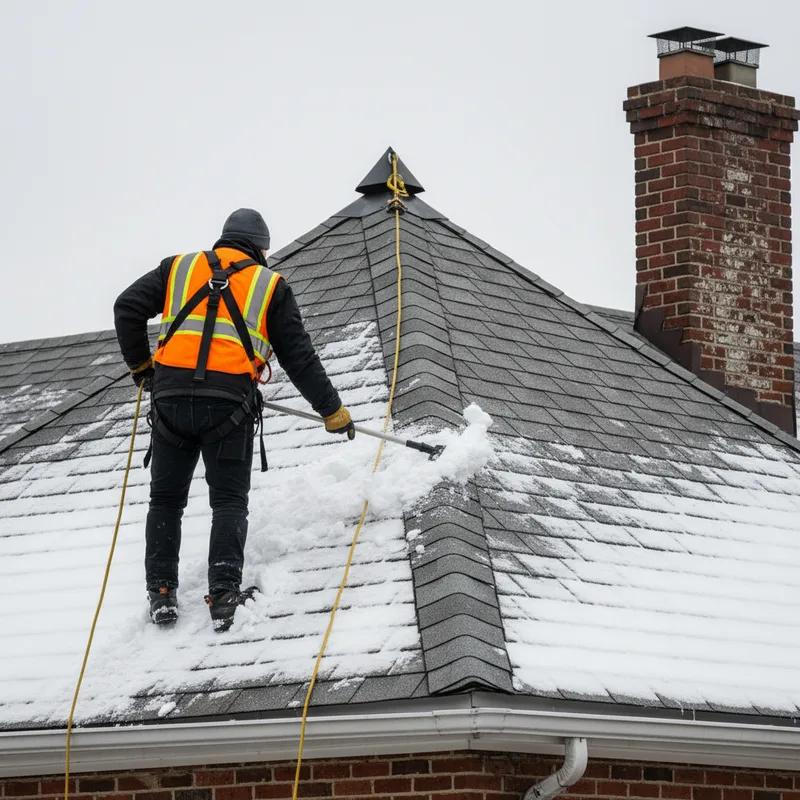
While DIY methods can be effective, hiring professional snow and ice removal services in Philadelphia can save time and ensure safety. Licensed contractors, familiar with local weather patterns and building codes, can manage snow loads and ice dam prevention efficiently. Philadelphia-based companies often provide seasonal contracts, which include regular visits to manage snow and ice throughout the winter.

When selecting a contractor, it's essential to verify their credentials and insurance coverage. The Philadelphia Roofing Contractors Association (https://www.philadelphiarca.org/) can be a valuable resource for finding reputable professionals. Moreover, consider reading reviews and asking for references to ensure the contractor's reliability and quality of work.

A professional roofing contractor removing snow from a Philadelphia roof with specialized equipment.
Hiring Professional Snow and Ice Removal Services

5

Philadelphia Building Codes and Winter Roof Safety

Understanding and adhering to Philadelphia's building codes is crucial for maintaining roof safety during the winter months. The Philadelphia Department of Licenses & Inspections outlines specific requirements for roof maintenance and snow load capacities, which are designed to ensure structural integrity under heavy snow (https://www.phila.gov/li/).

Regular inspections are recommended to identify potential vulnerabilities in the roof structure. Homeowners should also be aware of any historical preservation requirements if they reside in neighborhoods like Old City or Society Hill, where architectural guidelines may impact roofing modifications. Keeping abreast of these regulations not only enhances safety but also helps avoid costly fines.

Philadelphia Department of Licenses & Inspections building, where roof maintenance regulations are enforced.
Philadelphia Building Codes and Winter Roof Safety

6

Long-term Strategies for Winter Roof Maintenance

To avoid the annual scramble of snow and ice removal, Philadelphia homeowners can adopt several long-term strategies. Investing in high-quality roofing materials designed for cold weather can greatly improve a roof's resilience. Metal roofs, for instance, are less prone to ice dam formation compared to traditional asphalt shingles.

Regular maintenance, such as sealing roof penetrations and ensuring proper attic insulation, can prolong the lifespan of the roof and reduce winter-related issues. Additionally, considering the installation of a green roof or a cool roof can offer both environmental benefits and improved energy efficiency, as supported by the Philadelphia Energy Authority (https://www.philaenergy.org/). These options not only enhance durability but also contribute to a more sustainable urban environment.

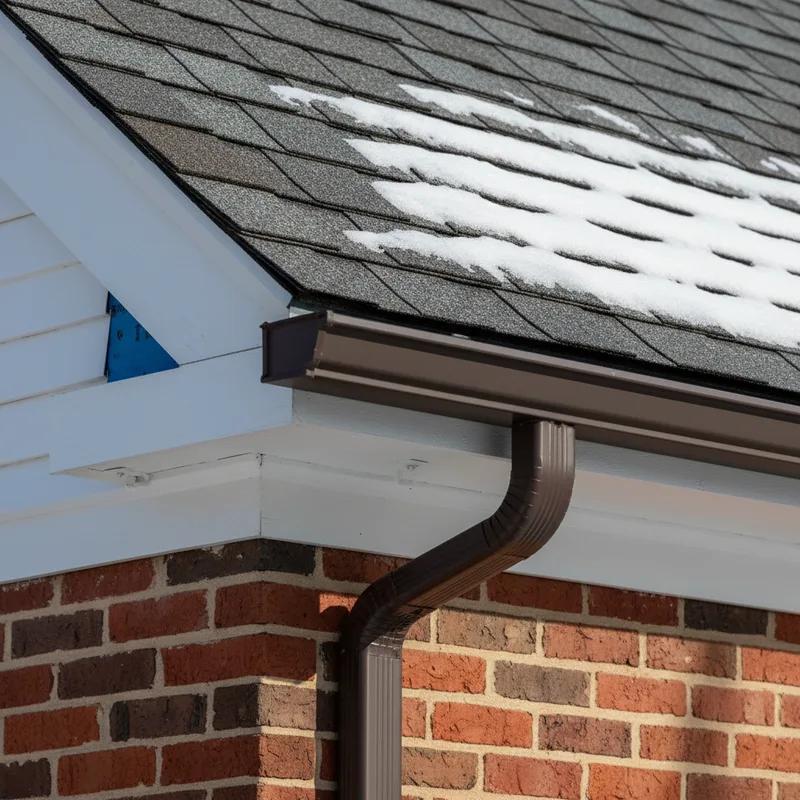
A well-maintained Philadelphia roof with high-quality materials designed for winter weather.
Long-term Strategies for Winter Roof Maintenance

Frequently Asked Questions

What is the best way to remove snow from a Philadelphia roof?

Using a roof rake with a long handle is the safest method to remove snow from flat roofs without climbing on them. For sloped roofs, gravity helps, but be cautious of ice dams.

How can I prevent ice dams on my Philadelphia roof?

Ensure your attic is well-insulated and ventilated, install heat cables, and keep gutters clear of debris to prevent ice dam formation.

Should I hire a professional for snow and ice removal from my roof?

Hiring a professional is recommended for safety and efficiency, especially for larger or complex roofs. Ensure the contractor is licensed and insured.

James Callahan
Founder & Editor, Philly Roof Find

James founded Philly Roof Find to give Philadelphia homeowners a transparent, independent resource for evaluating roofing contractors. With a background in building trades and a focus on local construction practices, he writes practical guides grounded in Philadelphia-specific building codes, materials, and contractor standards.