Why Green Roofing Makes Sense for Philadelphia Homeowners
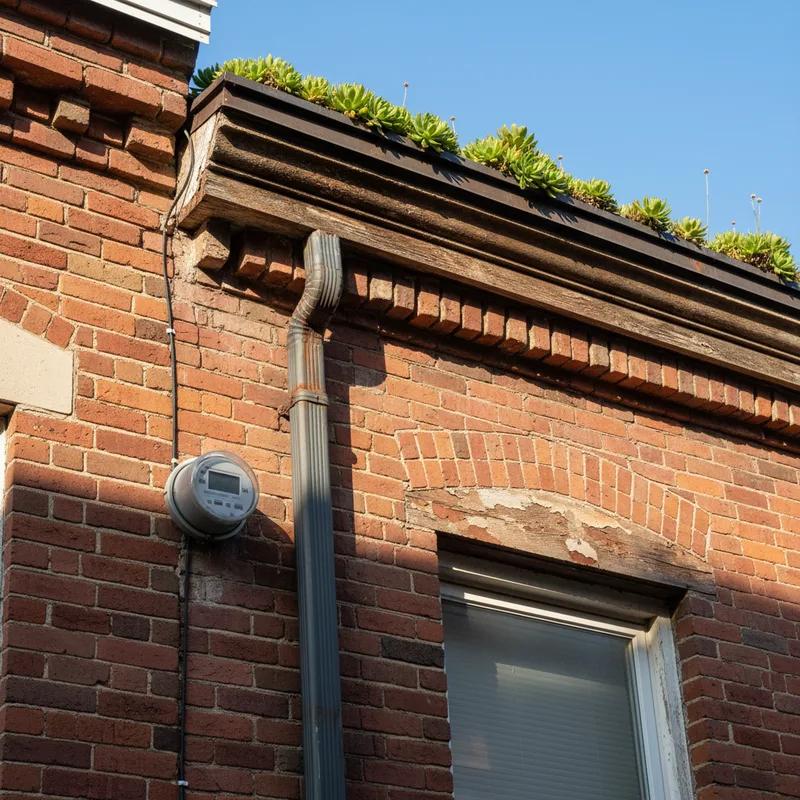
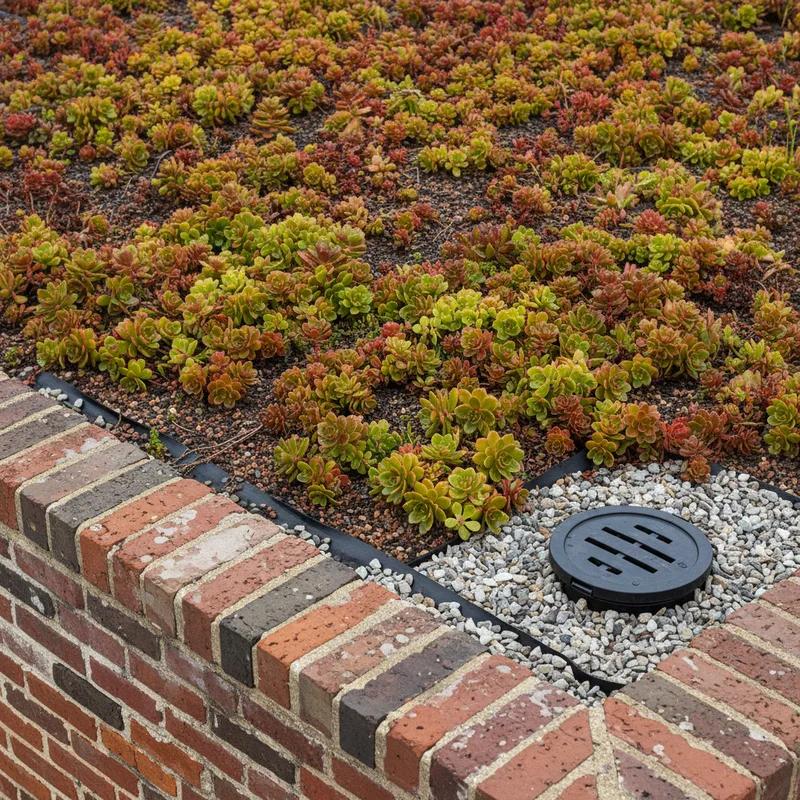
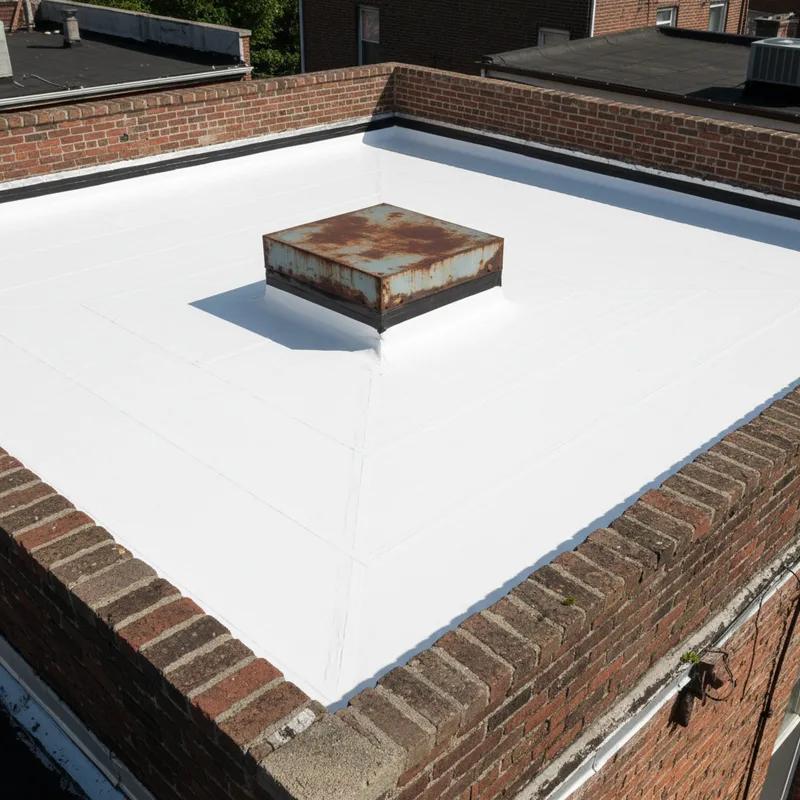
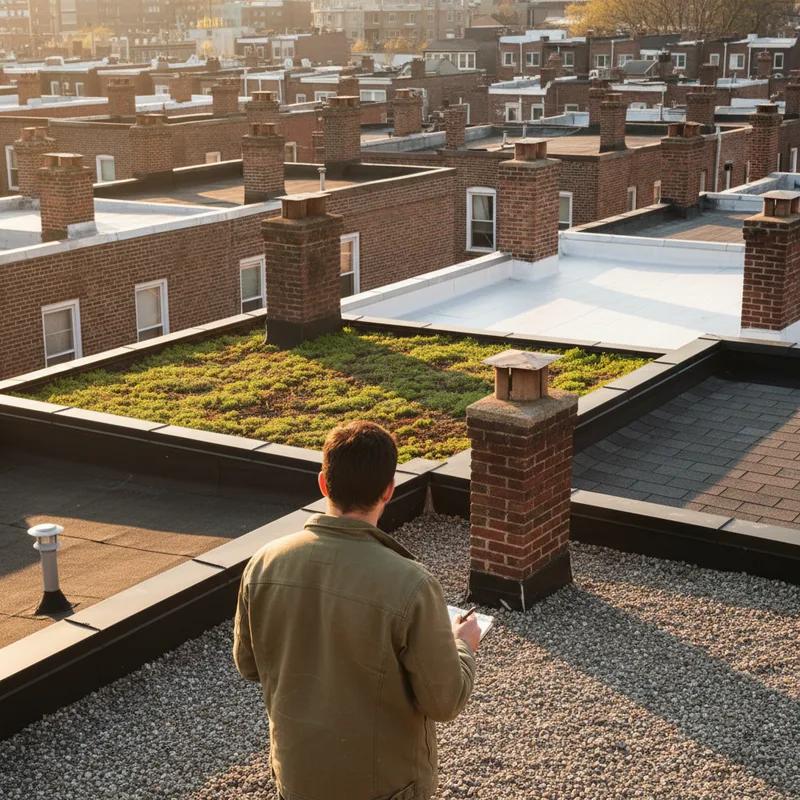
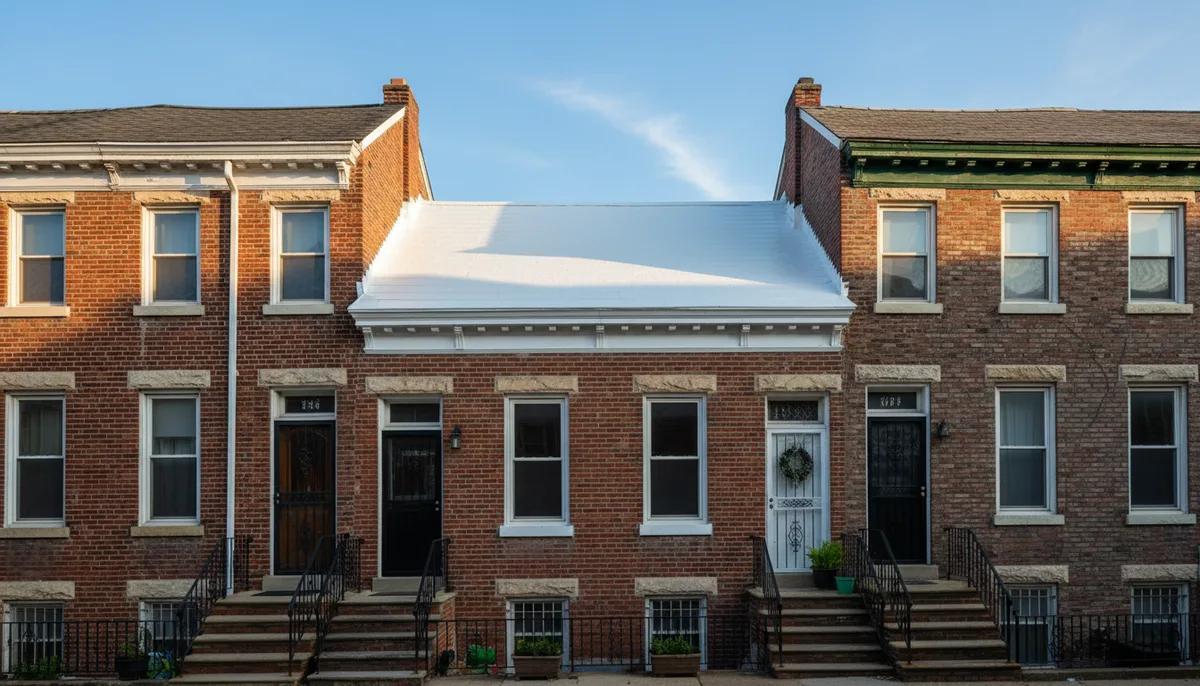
Philadelphia is one of the most densely built cities on the East Coast, and that urban density comes with real environmental consequences. The city's extensive paved and roofed surfaces contribute to the urban heat island effect, where temperatures in neighborhoods like Kensington, North Philly, and West Philadelphia can run several degrees hotter than surrounding suburban areas during summer months. Green roofing directly addresses this problem by replacing heat-absorbing surfaces with materials and systems that reflect sunlight, absorb rainwater, or support plant life.
Beyond temperature, stormwater management is a pressing concern in Philadelphia. The city's combined sewer system — which handles both sewage and stormwater in the same pipes — is prone to overflow during heavy rain events. Philadelphia Water Department has long encouraged green infrastructure solutions, including green roofs, to reduce the volume of runoff entering the system. Homeowners who invest in qualifying green roof installations may be eligible for stormwater billing credits through the city's Stormwater Management Incentives Program.
Energy savings are another compelling reason to go green. A well-designed cool roof or vegetative roof can meaningfully reduce cooling loads during Philadelphia's humid summers, when air conditioning costs spike. Over the lifespan of a roof — typically 20 to 50 years depending on materials — those savings add up considerably.
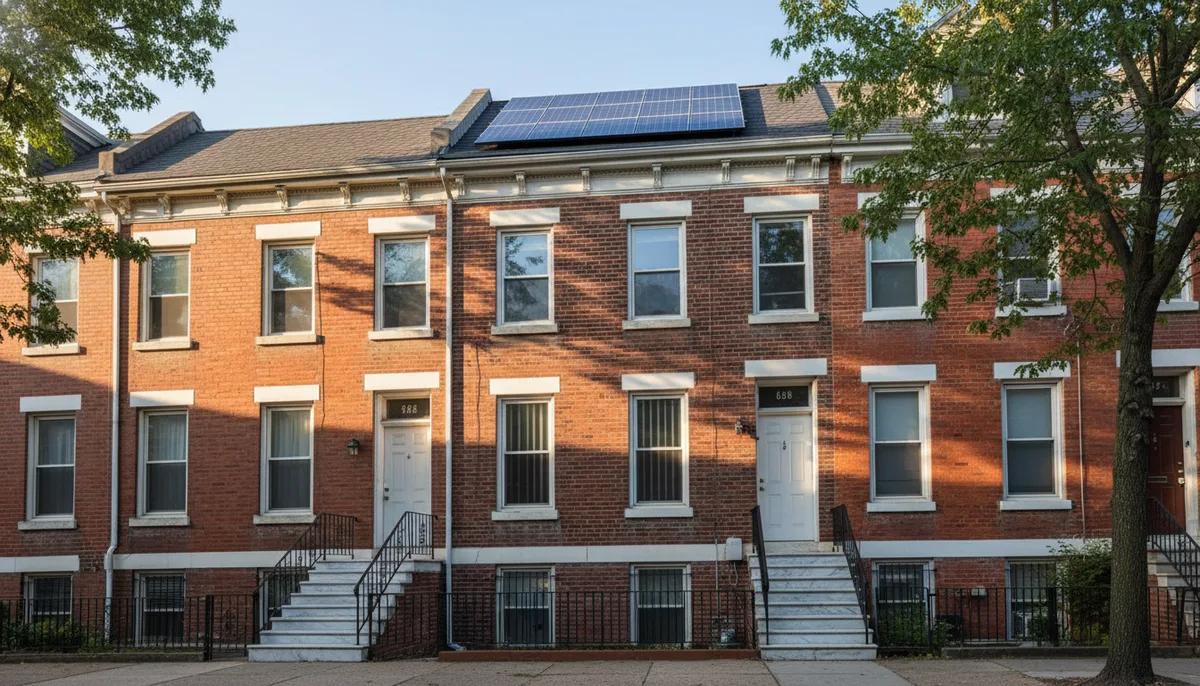
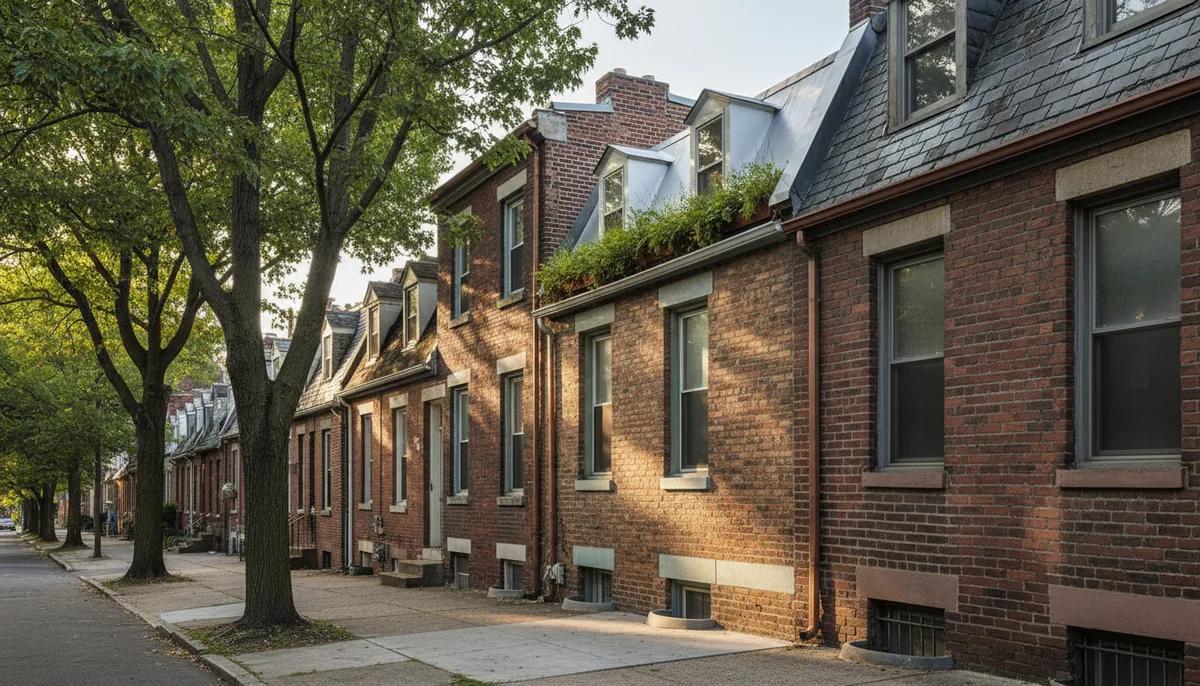
Finally, Philadelphia's growing network of sustainability-focused contractors, city programs, and community organizations means that homeowners today have more support and resources than ever when exploring green roofing. Whether you own a classic South Philly row home with a flat roof or a detached Victorian in Germantown, there's likely a green roofing solution that fits your structure, budget, and goals.