Solar Panel Installation and Your Philadelphia Roof: What Homeowners Need to Know

Before going solar in Philadelphia, learn what roof condition, orientation, and warranties mean for your investment. Essential guide for Philly homeowners.

Solar Panel Installation and Your Philadelphia Roof: What Homeowners Need to Know - Philadelphia roofing guide

Going solar in Philadelphia can significantly reduce your energy bills, but your roof's condition, orientation, and age will determine whether your home is truly ready for panels.

James Callahan
Published April 4, 2026·Updated April 4, 2026
1

Is Your Philadelphia Roof Actually Ready for Solar Panels?

Before a single panel gets mounted, your roof needs to pass a critical fitness test. Solar panels are a long-term investment — typically warranted for 25 years — and installing them on a roof that's already showing signs of wear is one of the most expensive mistakes a Philadelphia homeowner can make. If your roof fails two years after installation, you'll be paying to have the entire solar array removed, the roof replaced, and the panels reinstalled. That can easily add thousands of dollars to your project cost.

Most roofing and solar professionals recommend that your roof have at least 10 to 15 years of useful life remaining before you install panels. If your roof is approaching the end of its lifespan — typically 20 to 25 years for asphalt shingles, which are common across Philadelphia neighborhoods like Roxborough, Germantown, and Northeast Philly — it's almost always smarter to replace the roof first and then go solar.

During a pre-solar roof inspection, a qualified roofer will check for cracked, curling, or missing shingles, soft spots that may indicate deck rot, flashing failures around chimneys and vents, and the overall structural integrity of the roof deck. Any of these issues need to be resolved before installation begins.

Philadelphia's climate adds extra pressure here. The city experiences hot, humid summers, freeze-thaw cycles in winter, and periodic nor'easters that can deliver heavy snow loads and wind-driven rain. A roof that's merely "getting by" under normal conditions may struggle significantly once it's bearing the additional weight and thermal stress of a solar array.

Always request a dedicated roof inspection from a licensed Philadelphia roofer — separate from the assessment your solar installer provides — before committing to a solar contract. An independent second opinion protects your investment from the start.
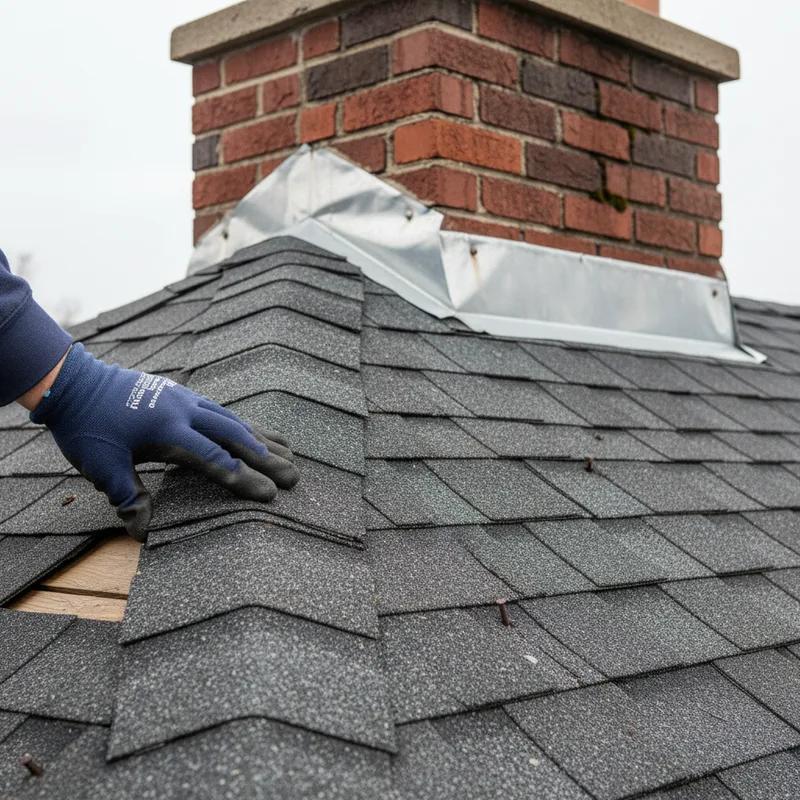
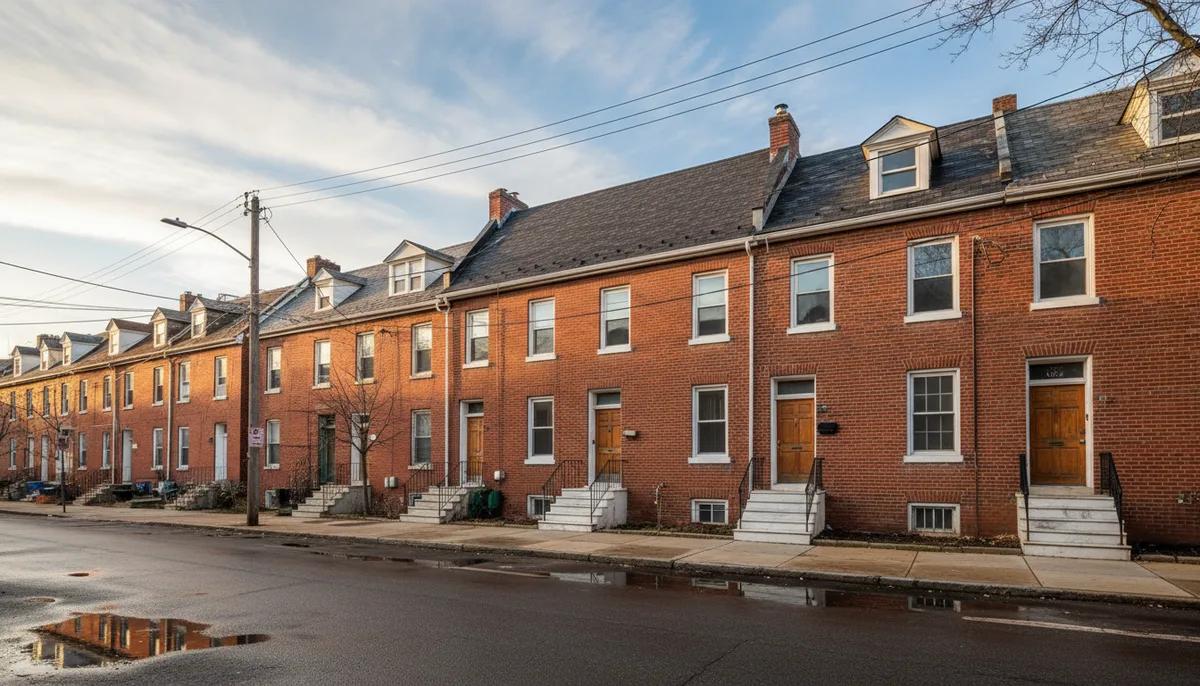
A Philadelphia roofing contractor inspecting asphalt shingles on a row home rooftop before solar panel installation, with a clipboard and measuring tools in hand
Is Your Philadelphia Roof Actually Ready for Solar Panels?

2

Roof Orientation and Shading: Philadelphia's Solar Sweet Spot

Not every Philadelphia roof is created equal when it comes to solar production. The direction your roof faces, its pitch angle, and what surrounds it all directly affect how much electricity your panels will generate — and whether solar makes financial sense at all.

In the northern hemisphere, south-facing roofs receive the most consistent direct sunlight throughout the day, making them the gold standard for solar installation. Southwest and southeast-facing roofs are also viable, though they'll typically generate 10 to 20 percent less energy than a true south-facing surface. North-facing roof sections are generally not suitable for solar unless you have no other options.

Roof pitch matters too. In Philadelphia, a pitch between 15 and 40 degrees tends to optimize solar energy capture given the city's latitude of approximately 40 degrees north. Flat roofs — extremely common on Philadelphia row homes and twin houses in neighborhoods like South Philly, West Philly, and Fishtown — can absolutely accommodate solar panels using tilt mounting systems that angle the panels toward the south at the ideal pitch.

Shading is where many Philadelphia homeowners run into trouble. The city's dense urban tree canopy, which the Philadelphia Parks & Recreation department actively works to expand, is wonderful for air quality and walkability — but mature street trees can cast shadows that dramatically reduce solar output. Neighboring rowhomes, chimneys, dormers, and water towers can also create shading issues. Solar installers use tools like shade analysis software and on-site solar pathfinder assessments to map out exactly how much sunlight your roof receives throughout the year.

If shading from a neighbor's structure or a city-owned tree is a concern, it's worth investigating Philadelphia's tree trimming request process through the Parks & Recreation department before finalizing your solar design. Even modest shading on a portion of your array can reduce whole-system output if your panels are wired in a traditional series configuration, though microinverters and power optimizers can help mitigate this issue significantly.

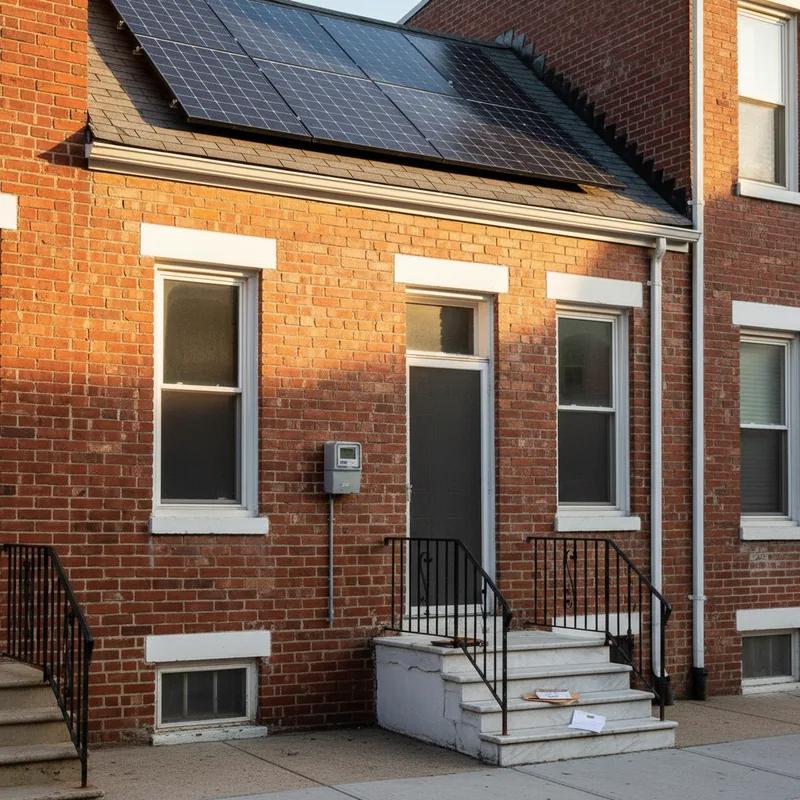
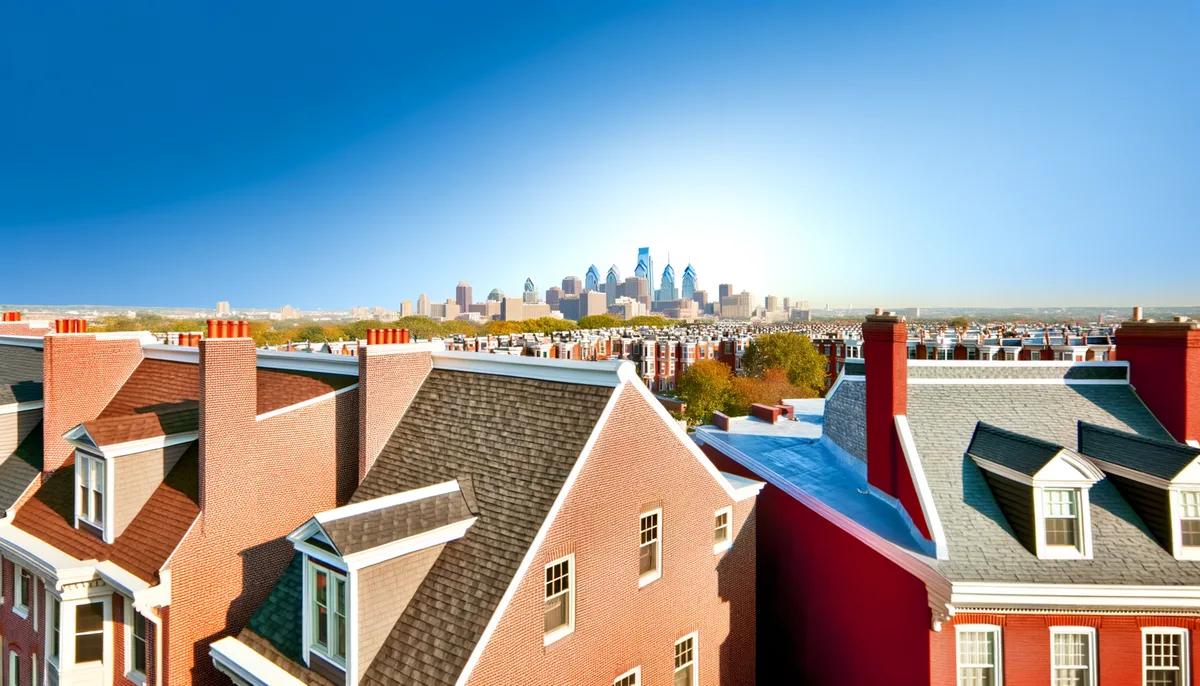
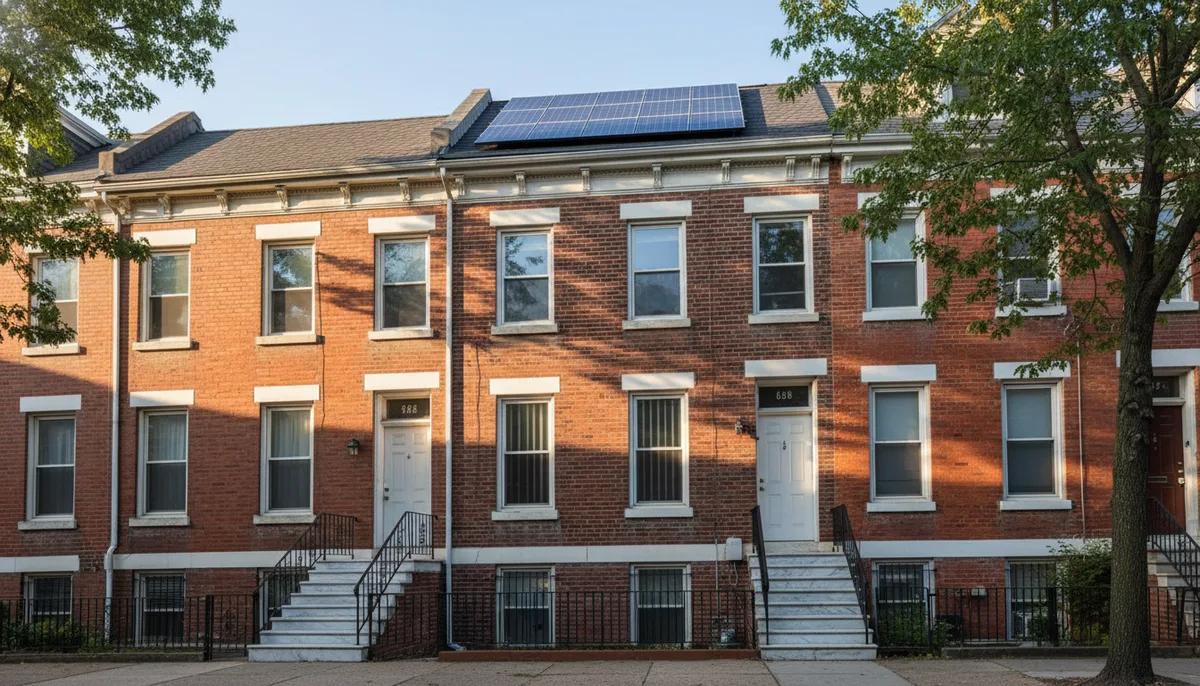
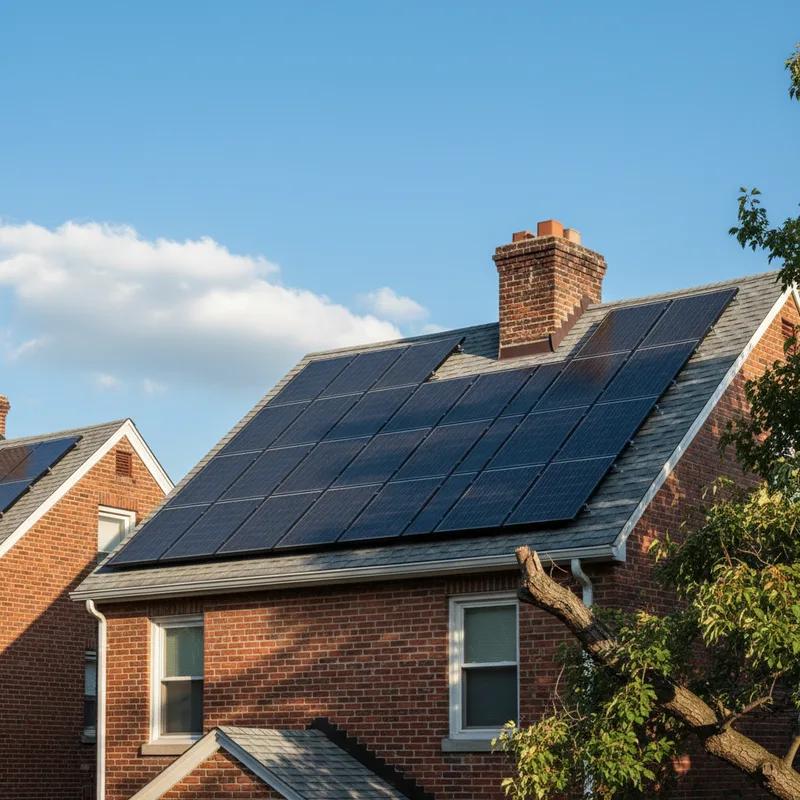
Aerial view of a south-facing Philadelphia row home rooftop with solar panels installed, surrounded by neighboring homes and mature street trees in a dense urban neighborhood
Roof Orientation and Shading: Philadelphia's Solar Sweet Spot

3

Philadelphia Building Codes, Permits, and HOA Rules for Solar

Installing solar panels in Philadelphia isn't a permit-free process, and skipping the paperwork can create serious problems when you try to sell your home or make an insurance claim. The Philadelphia Department of Licenses & Inspections (L&I) requires permits for solar panel installations, and your solar installer is responsible for pulling those permits before work begins. Always confirm this is part of your contract.

Philadelphia's building code requires that solar installations comply with structural load requirements, electrical codes, and fire code setback rules — which typically mandate a minimum clear pathway on the roof for firefighter access. The National Electrical Code (NEC), which Pennsylvania adopts with local amendments, governs the electrical components of your system including inverters, conduit runs, and utility interconnection.

If your home is located in one of Philadelphia's many historic districts — including parts of Society Hill, Chestnut Hill, Germantown, or Old City — you may need approval from the Philadelphia Historical Commission before installing rooftop solar. The Commission evaluates whether the installation would negatively affect the historic character of the property or streetscape. Approvals are possible, but the process takes additional time and may impose design restrictions such as limiting panels to rear-facing roof sections not visible from the street.

Homeowners associations (HOAs), while less common in Philadelphia than in suburban communities, do exist in some newer condo developments and planned communities. Pennsylvania law provides some protections for homeowners who want to install solar, but HOA rules can still impose reasonable aesthetic restrictions. Review your HOA documents carefully before signing a solar contract.

Finally, your solar installer must coordinate with PECO, Philadelphia's electric utility, for permission to operate (PTO) before your system can be turned on and connected to the grid. This interconnection process can take several weeks, so factor it into your project timeline.

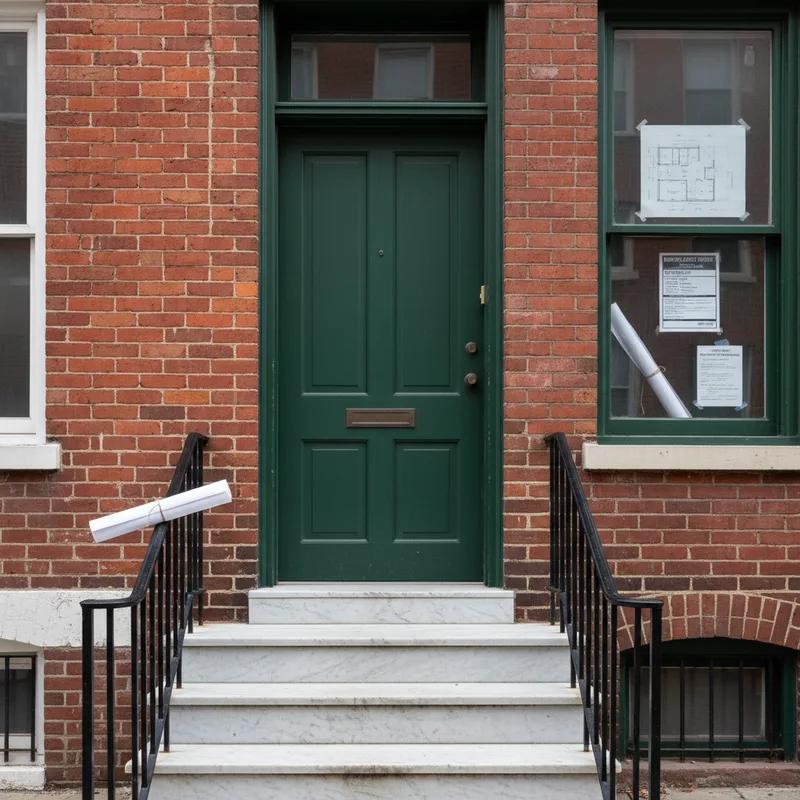
A Philadelphia homeowner reviewing solar installation permit documents at a kitchen table, with a laptop showing the Philadelphia L&I website open in the background
Philadelphia Building Codes, Permits, and HOA Rules for Solar

4

Understanding Roof and Solar Warranties — and How They Interact

One of the most overlooked aspects of going solar is understanding how your roofing warranty and your solar panel warranty interact — and what happens when one affects the other. Getting this wrong can leave you with voided coverage at the worst possible time.

Most asphalt shingle manufacturers include language in their warranties stating that any penetrations made through the shingles — including the lag bolts used to mount solar racking systems — must be installed by a certified contractor using approved flashing methods. If your solar installer improperly penetrates the roof membrane, your roofing manufacturer's warranty could be voided. Always ask your solar installer how they flash and seal roof penetrations, and verify that their methods are compatible with your specific roofing material.

Some roofing manufacturers have developed solar-compatible roofing systems or have certified installation partners who are trained to maintain warranty integrity during solar installations. If you're planning to replace your roof before going solar — which is often the smart move — ask your roofing contractor about products designed with solar installation in mind.

On the solar side, panel manufacturers typically offer two separate warranties: a product warranty (covering defects, usually 10 to 25 years) and a performance warranty (guaranteeing a minimum power output over time, often 25 years at 80 to 90 percent of original capacity). Your inverter will carry its own warranty, typically 10 to 25 years depending on the type. Workmanship warranties from your solar installer usually cover 5 to 10 years.

When reviewing contracts, pay close attention to what happens if your roof needs repair during the solar warranty period. Reputable solar companies will remove and reinstall panels at no charge for roof repairs during the workmanship warranty window. After that period, you'll likely pay a removal and reinstallation fee — which in Philadelphia can run anywhere from $1,500 to $4,000 or more depending on system size. Factor this into your long-term cost calculations.

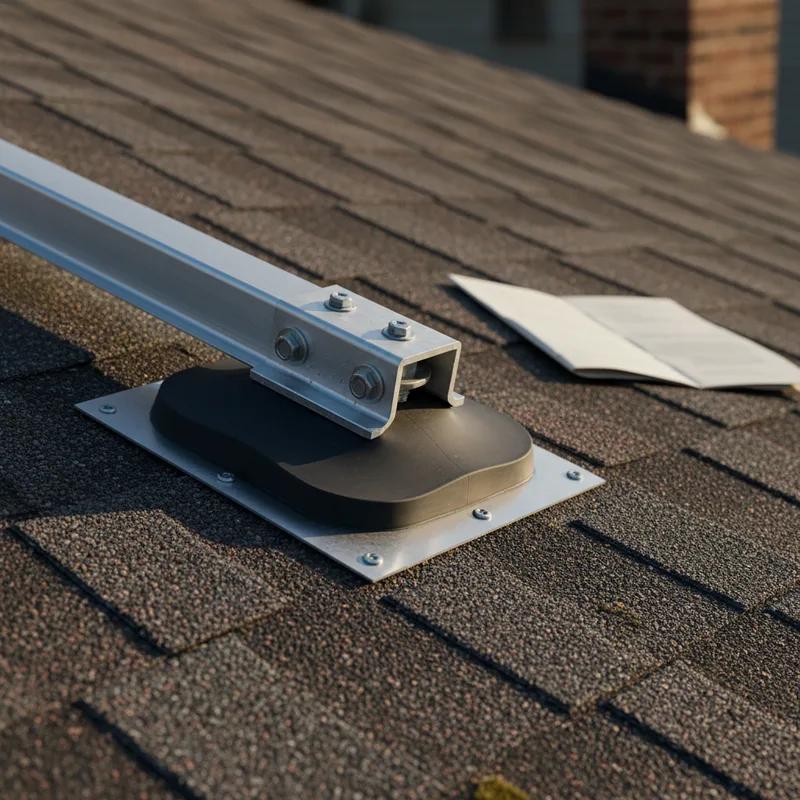
Close-up of solar panel mounting hardware and flashing detail on a Philadelphia rooftop, showing properly sealed lag bolt penetrations through asphalt shingles
Understanding Roof and Solar Warranties — and How They Interact

5

Financial Incentives for Solar in Philadelphia: What's Available Now

The financial case for solar in Philadelphia is supported by a combination of federal tax credits, state programs, and local utility incentives — though the specific terms and availability of these programs can change, so always verify current details directly with program administrators before making decisions.

At the federal level, the Residential Clean Energy Credit allows homeowners to claim a percentage of their solar installation costs as a tax credit on their federal return. This credit has been a major driver of solar adoption nationwide. To benefit, you must have sufficient federal tax liability, and the credit applies to the tax year in which your system is placed in service. Consult a tax professional to understand how this applies to your specific situation.

Pennsylvania's net metering policy allows PECO customers to receive credit on their electric bills for excess solar energy their system sends back to the grid. Under net metering, your meter essentially runs backward when you're producing more than you consume, reducing your overall bill. The specifics of net metering compensation rates are subject to Pennsylvania Public Utility Commission (PUC) regulations, which have been evolving — verify current PECO net metering terms before sizing your system.

Pennsylvania also participates in the Solar Renewable Energy Certificate (SREC) market, though this program has undergone changes in recent years. SRECs represent the environmental value of solar generation and can be sold to utilities needing to meet renewable portfolio standards. The market value of SRECs fluctuates, so don't rely on SREC income as a primary financial justification for going solar.

The Philadelphia Energy Authority and various nonprofit organizations periodically offer programs targeting low-to-moderate income homeowners for solar access. Check with the Philadelphia Energy Authority and the Mayor's Office of Sustainability for the most current offerings. Additionally, many solar installers offer financing options including solar loans and lease arrangements, though purchasing outright or with a loan typically yields the best long-term financial return.

A Philadelphia homeowner reviewing solar energy savings on a tablet app showing monthly electricity bill comparisons, seated near a window with rooftop solar panels visible outside
Financial Incentives for Solar in Philadelphia: What's Available Now

6

Choosing the Right Roofing and Solar Contractors in Philadelphia

The quality of your contractors will make or break your solar roofing project. In Philadelphia, both roofing contractors and solar installers must be licensed, and verifying those credentials before signing anything is non-negotiable.

For roofing work, Pennsylvania requires home improvement contractors to register with the Pennsylvania Attorney General's Office under the Home Improvement Consumer Protection Act (HICPA). Philadelphia additionally requires contractors to be licensed through the Department of Licenses & Inspections. Always verify a roofer's L&I license and check their record for complaints or violations. Ask for proof of general liability insurance and workers' compensation coverage — this protects you if a worker is injured on your property.

For solar installation, look for contractors certified by the North American Board of Certified Energy Practitioners (NABCEP), which is the industry's gold standard credential. NABCEP-certified installers have demonstrated technical competency and must maintain continuing education. This certification is especially important because solar installation involves both roofing and electrical work — two trades where errors can have serious consequences.

Be cautious of door-to-door solar sales tactics, which are common in Philadelphia neighborhoods. High-pressure sales approaches, vague contract terms, and promises of "free solar" that obscure long-term lease obligations are all red flags. Take time to get multiple quotes — at least three — and compare not just price but system size, equipment brands, warranty terms, and the company's local track record.

Look for contractors who have specific experience with Philadelphia's housing stock. Row homes, twins, and older construction present unique challenges — from limited attic access for electrical runs to aging roof decks that need careful evaluation. A contractor who primarily works in newer suburban construction may not be the best fit for a 1920s Kensington rowhome or a Society Hill townhouse.

Philly Roof Find's directory can help you identify licensed, vetted roofing contractors in your Philadelphia neighborhood who have experience with solar-compatible roof work.

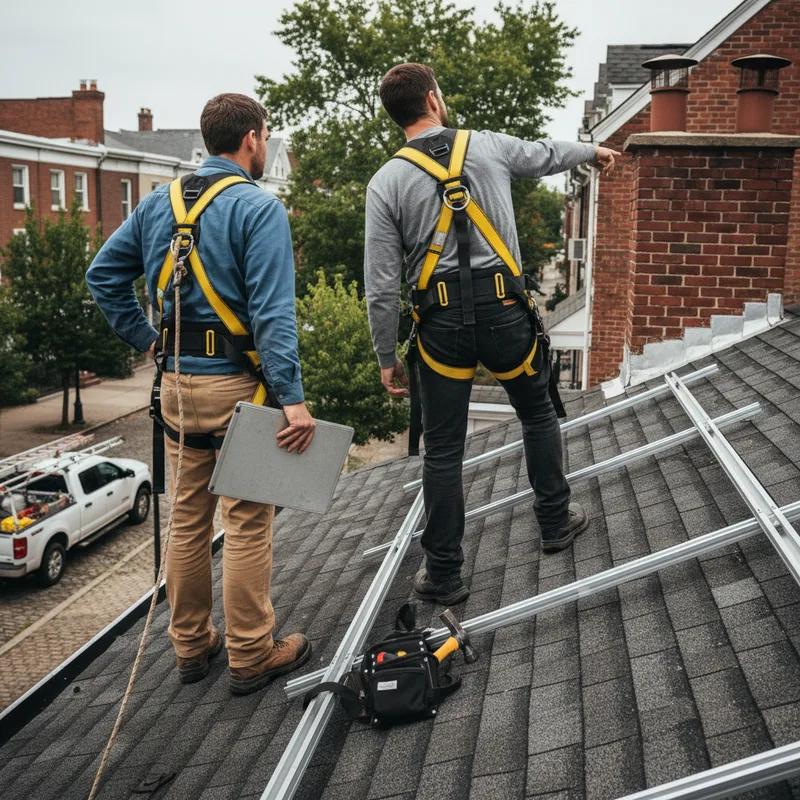
A licensed Philadelphia solar and roofing contractor team on a row home rooftop in South Philadelphia, installing solar panel racking while wearing safety harnesses on a sunny day
Choosing the Right Roofing and Solar Contractors in Philadelphia

Frequently Asked Questions

Do I need to replace my roof before installing solar panels in Philadelphia?

Not necessarily, but your roof should have at least 10 to 15 years of useful life remaining. If your roof is nearing the end of its lifespan, replacing it before solar installation saves you the significant cost of removing and reinstalling panels later. A licensed Philadelphia roofer can assess your roof's condition and give you an honest timeline.

Can Philadelphia row homes with flat roofs support solar panels?

Yes. Flat roofs are actually very common in Philadelphia and can accommodate solar panels using tilted racking systems that angle the panels toward the south for optimal sun exposure. A structural assessment may be required to confirm your roof deck can support the added weight, especially on older construction.

Do I need a permit to install solar panels in Philadelphia?

Yes. Solar panel installations in Philadelphia require permits from the Department of Licenses & Inspections, and your system must pass inspection before being connected to the grid through PECO. Your solar installer should handle permit applications as part of the installation contract — confirm this in writing before work begins.

Will solar panels void my roof warranty in Philadelphia?

They can, if the installation is done improperly. Solar racking systems require penetrations through your roofing material, and if these aren't flashed and sealed according to your roofing manufacturer's specifications, your warranty may be voided. Always verify that your solar installer's methods are compatible with your specific roofing material and manufacturer requirements.

What direction should my roof face for solar panels in Philadelphia?

South-facing roofs produce the most solar energy in Philadelphia, followed by southwest and southeast orientations. North-facing sections are generally not suitable. Philadelphia's urban tree canopy and neighboring structures can also cause shading issues, so a professional shade analysis is an important step before finalizing your solar system design.

James Callahan
Founder & Editor, Philly Roof Find

James founded Philly Roof Find to give Philadelphia homeowners a transparent, independent resource for evaluating roofing contractors. With a background in building trades and a focus on local construction practices, he writes practical guides grounded in Philadelphia-specific building codes, materials, and contractor standards.