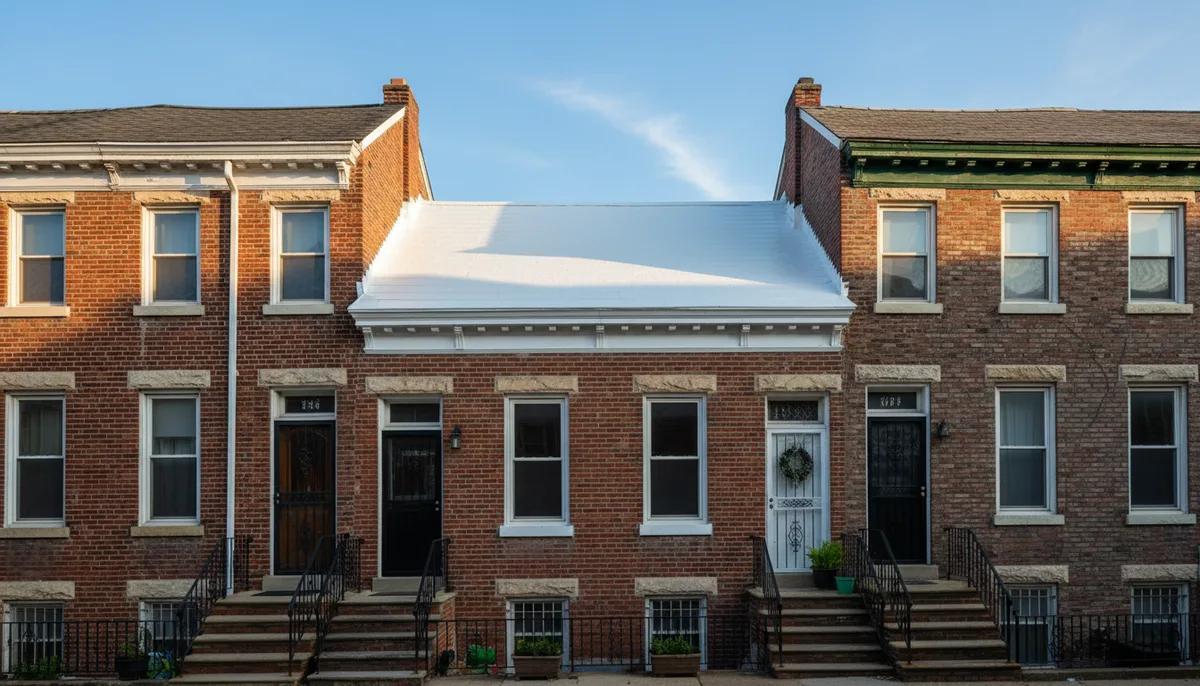
What Is a Cool Roof and How Does It Work?
A cool roof is any roofing system specifically designed to reflect more sunlight and absorb less heat than a standard roof. While a conventional dark-colored asphalt shingle roof might absorb 80–90% of incoming solar radiation, a cool roof can reflect a significant portion of that energy back into the atmosphere — keeping the surface temperature dramatically lower on a hot Philadelphia summer day.
Cool roofs achieve this through two key properties: high solar reflectance (the ability to reflect sunlight) and high thermal emittance (the ability to release absorbed heat). Products that meet defined thresholds for both are often certified by the Cool Roof Rating Council (CRRC), which provides standardized, independently tested ratings for roofing materials.
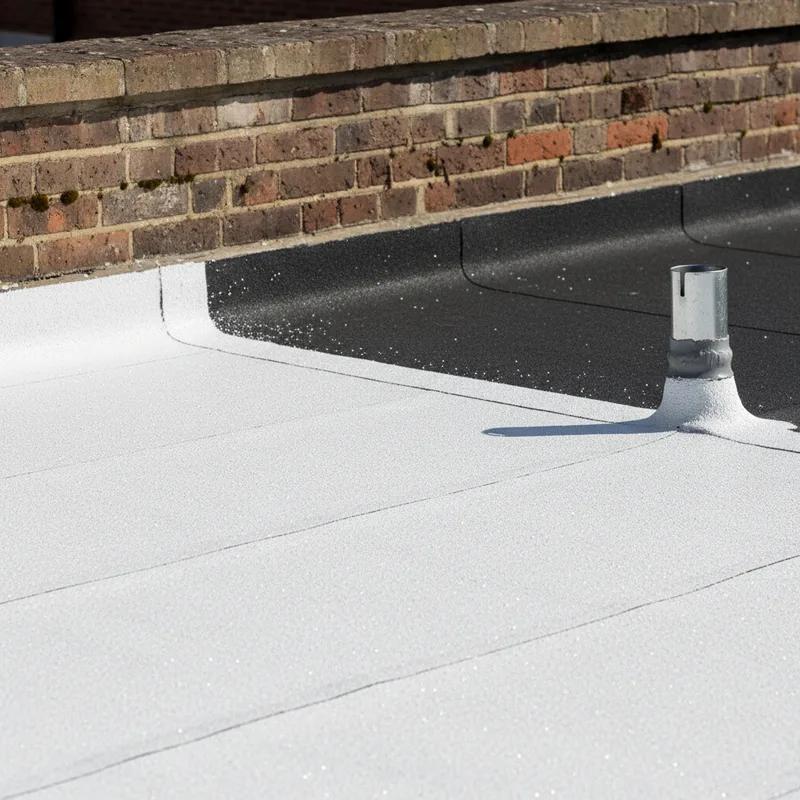
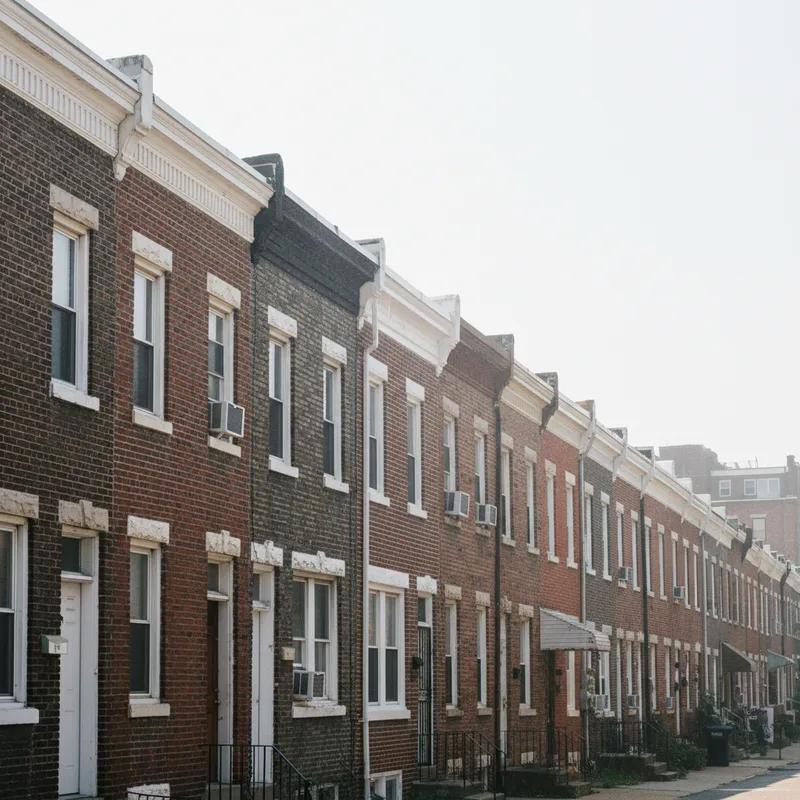
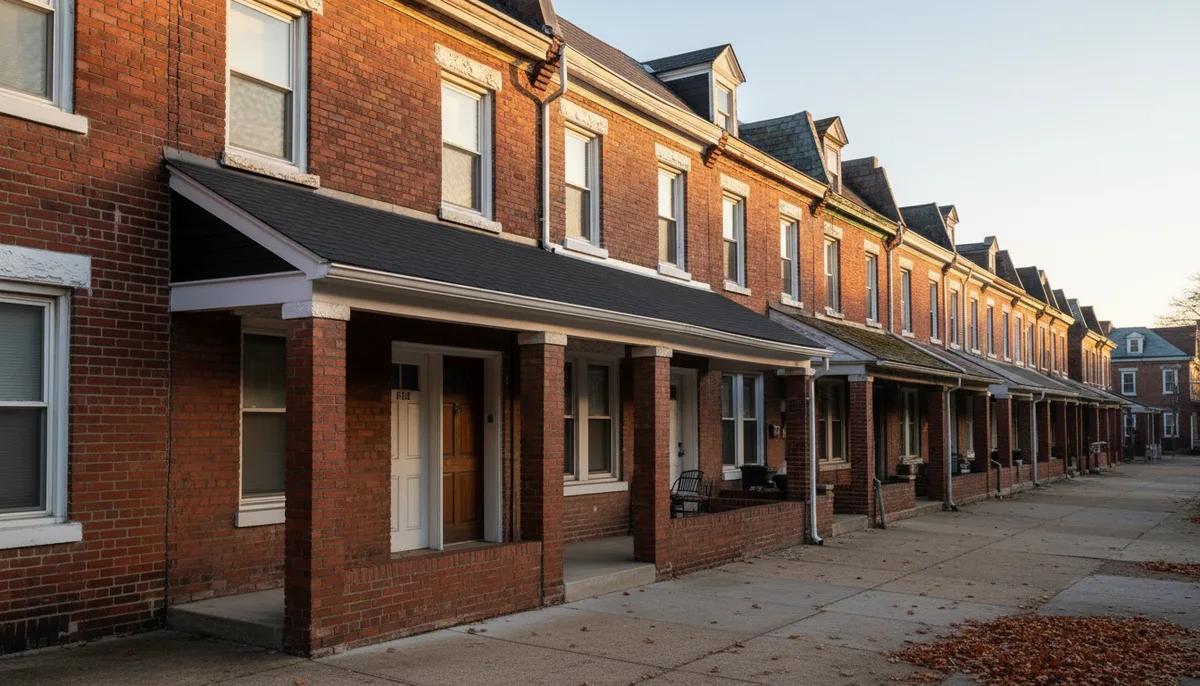
Cool roofing comes in several forms. For flat or low-slope roofs — common on Philadelphia row homes and rowhouse additions — white or light-colored elastomeric coatings and single-ply membranes like TPO (thermoplastic polyolefin) or PVC are popular choices. For pitched roofs, specially manufactured cool asphalt shingles, metal roofing with reflective coatings, and light-colored tiles are all viable options.
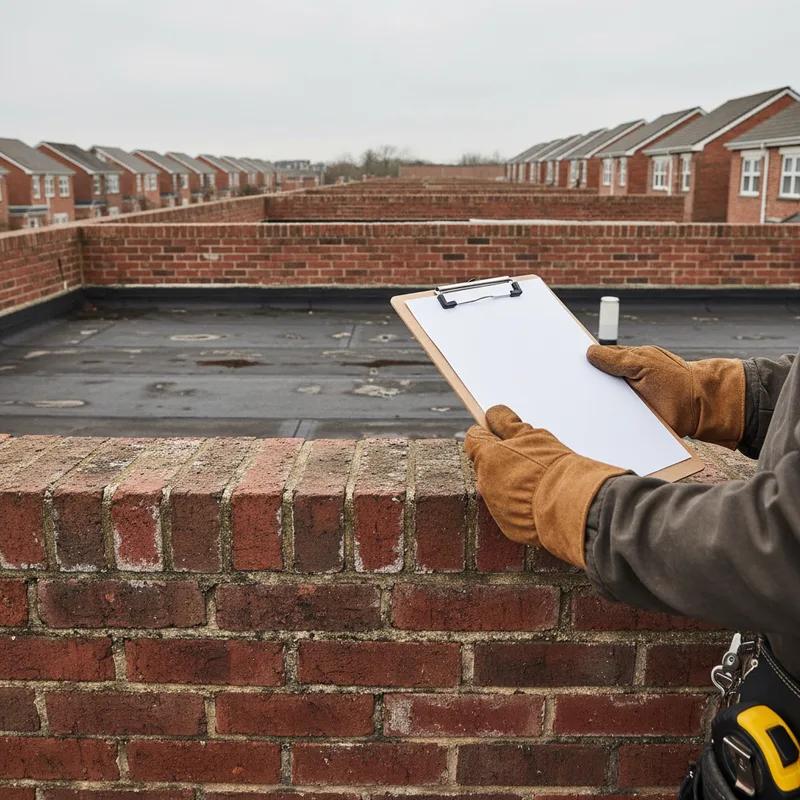
It's important to understand that "cool roof" doesn't mean a single product — it's a performance standard. A skilled Philadelphia roofing contractor can assess your existing roof type and recommend materials that qualify as cool roofing while still meeting local building codes enforced by the Philadelphia Department of Licenses and Inspections (L&I). The right choice depends on your roof's slope, current condition, and your home's overall energy profile.