Common Roofing Scams in Philadelphia and How to Avoid Them

Learn how to spot roofing scams in Philadelphia, avoid storm chasers, and protect your home from unlicensed contractors with these expert tips.

Common Roofing Scams in Philadelphia and How to Avoid Them - Philadelphia roofing guide

Roofing scams are a serious and growing threat for Philadelphia homeowners, especially after major storms roll through neighborhoods from Kensington to Chestnut Hill.

James Callahan
Published March 29, 2026·Updated March 29, 2026
1

Why Philadelphia Homeowners Are Prime Targets for Roofing Scams

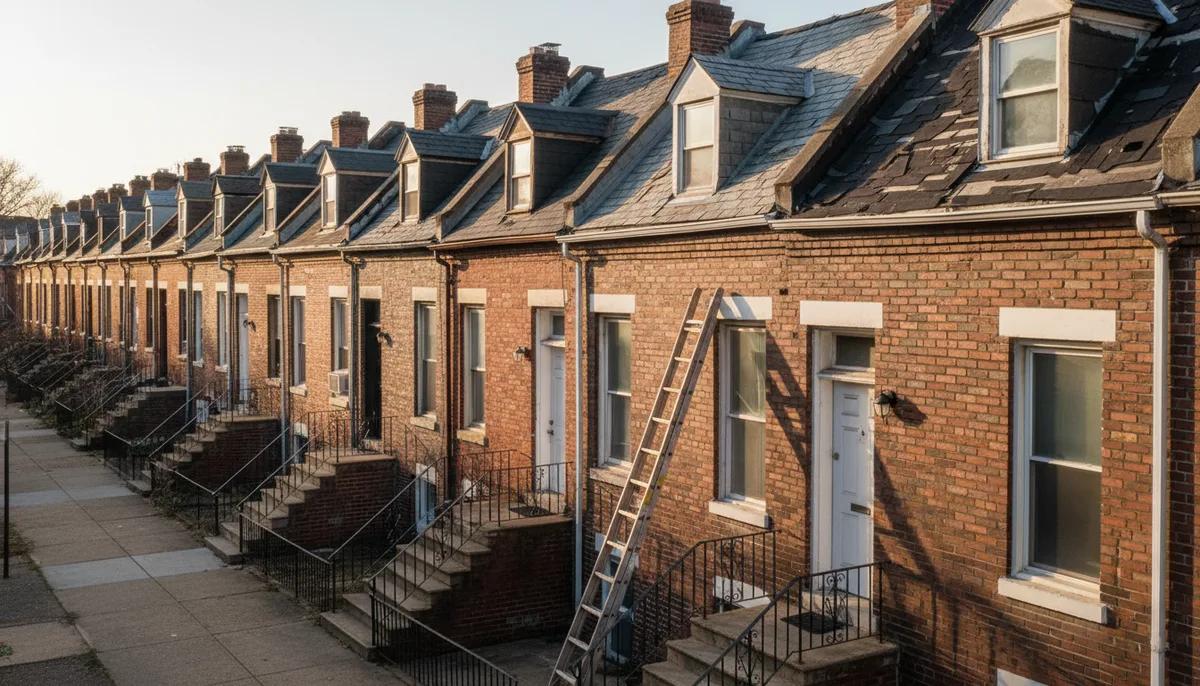
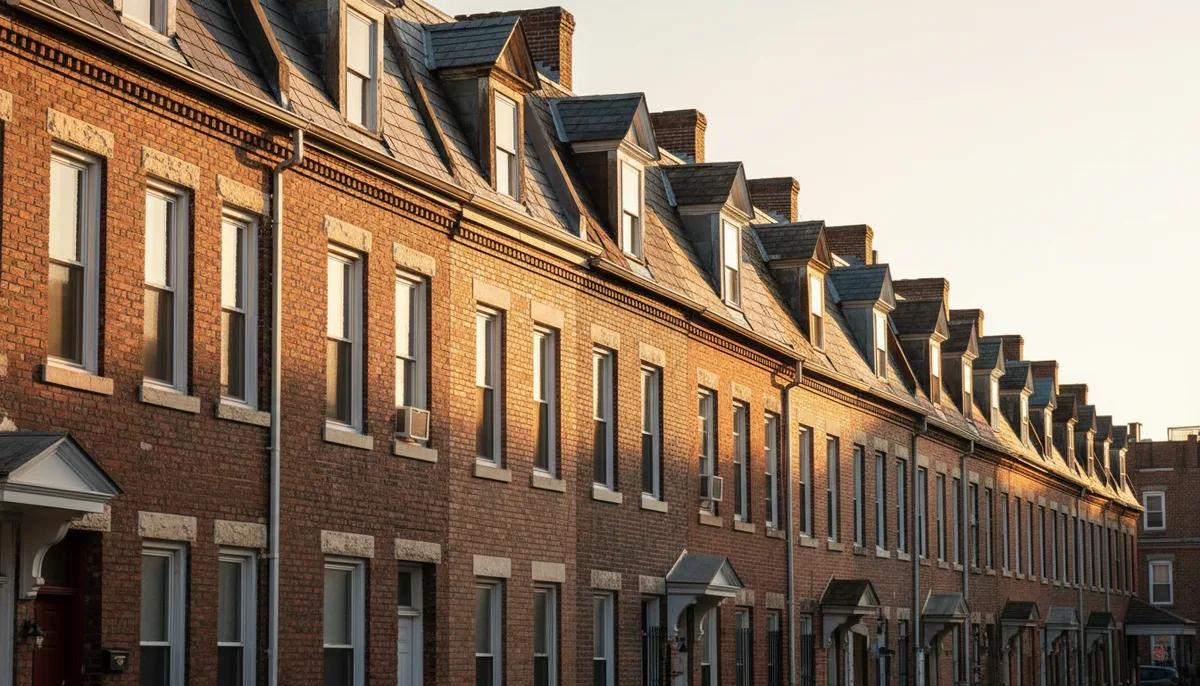
Philadelphia's housing stock is one of the oldest and most densely packed in the United States. From the aging flat roofs of South Philly row homes to the pitched slate roofs of Victorian-era houses in West Philadelphia and Germantown, there is no shortage of roofing work to be done — and no shortage of bad actors looking to exploit that demand.

After significant weather events — nor'easters, heavy summer thunderstorms, or the increasingly intense wind and hail events that have battered the Delaware Valley in recent years — fraudulent roofing contractors descend on vulnerable neighborhoods almost immediately. These so-called "storm chasers" travel from out of state specifically to target areas with fresh storm damage, knowing that anxious homeowners are more likely to make rushed decisions.

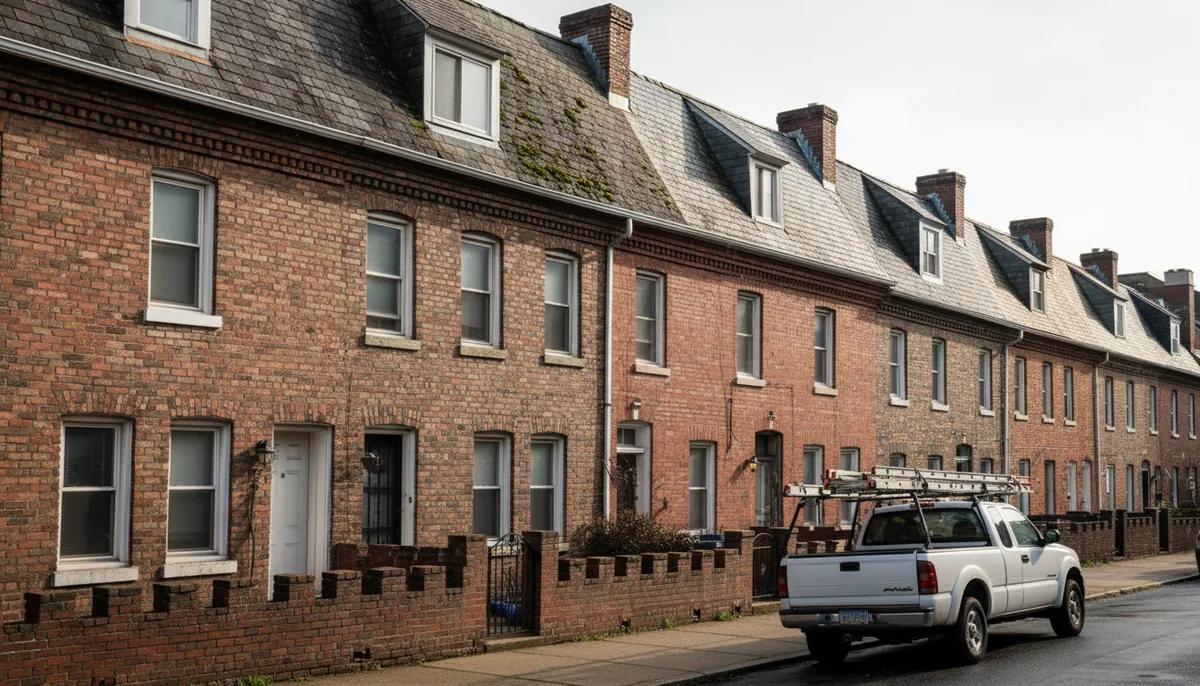
Philadelphia's dense row home communities, including neighborhoods like Port Richmond, Fishtown, and Frankford, are particularly vulnerable. When one roof on a row is damaged, scammers will knock on every door on the block claiming they noticed damage while working next door. This is a classic pressure tactic designed to create urgency where none may exist.

The city's large population of elderly homeowners and first-time buyers also makes Philly a target. Scammers rely on homeowners who may not know what a legitimate roofing estimate looks like, who their insurer is, or what permits are required under Philadelphia's building code. Understanding the landscape is the first step toward protecting yourself — and it starts with knowing who you're dealing with before any work begins.
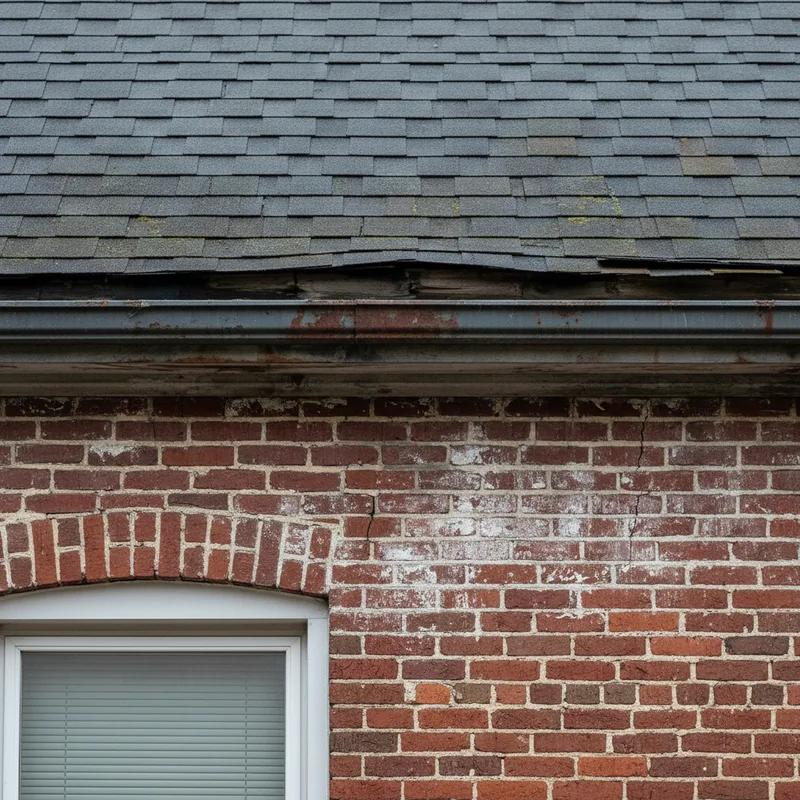
A storm chaser roofing contractor knocking on the door of a Philadelphia row home after a hail storm, with a pickup truck and magnetic company sign visible in the background
Why Philadelphia Homeowners Are Prime Targets for Roofing Scams

2

The Most Common Roofing Scams Targeting Philadelphia Residents

Knowing what scams look like in practice is essential for any Philadelphia homeowner. Here are the most frequently reported schemes in the region:

The Disappearing Deposit Scam: A contractor requests a large upfront deposit — sometimes 50% or more of the total job cost — then never returns. Legitimate contractors typically ask for no more than 10–30% upfront, and never demand cash-only payments.

The Inflated Insurance Claim: After a storm, a shady contractor offers to "work with your insurance company" and encourages you to file a claim for damage that may not exist or may be significantly exaggerated. In Pennsylvania, insurance fraud is a felony, and homeowners can be held liable even if a contractor initiates the scheme.

The Drive-By Damage Claim: A contractor knocks on your door claiming they spotted serious damage from the street or while working nearby. They offer a free inspection but use it as an opportunity to create or exaggerate damage on your roof. Always request a second opinion from a licensed contractor before agreeing to any work.

The Bait-and-Switch: A contractor quotes you a low price using quality materials, then substitutes cheaper products once work begins — or charges extra for materials that were supposed to be included. Always get material specifications in writing, including manufacturer names and product lines.

The Phantom Permit: Some unlicensed contractors skip the permit process entirely, telling homeowners it isn't necessary. In Philadelphia, most roofing replacements and major repairs require a permit from the Department of Licenses and Inspections (L&I). Unpermitted work can result in fines, failed home sales, and safety hazards.

The Pressure Close: A contractor claims the deal is only available "today" or that materials are running out. This is a manipulation tactic. Reputable contractors give you time to review proposals and never pressure you into signing on the spot.

A Philadelphia homeowner reviewing a suspicious roofing contract with a large cash deposit requirement highlighted, sitting at a kitchen table with a concerned expression
The Most Common Roofing Scams Targeting Philadelphia Residents

3

How to Verify a Roofing Contractor's Credentials in Philadelphia

Philadelphia has clear licensing and registration requirements for home improvement contractors, and verifying credentials before hiring is one of the most effective ways to avoid fraud.

First, confirm that the contractor holds a valid Home Improvement Contractor (HIC) license issued by the Pennsylvania Attorney General's Office. You can verify this through the Pennsylvania Bureau of Consumer Protection's online contractor search tool. Any contractor performing home improvement work valued over $500 in Pennsylvania is legally required to be registered.

Next, check whether the contractor has pulled the necessary permits with Philadelphia's Department of Licenses and Inspections (L&I). You can search permit records on the city's eCLIPSE system at eclipse.phila.gov. If a contractor claims permits aren't needed for a full roof replacement on your row home or detached property, that is a serious red flag.

Always ask for proof of both general liability insurance and workers' compensation coverage. Request certificates of insurance and call the insurer directly to confirm the policy is active. If a worker is injured on your property and the contractor lacks workers' comp, you could be held financially responsible.

Verify the contractor's physical business address. Storm chasers often operate out of temporary locations, use P.O. boxes, or provide addresses that don't check out. A legitimate Philadelphia-area roofing company will have a verifiable local presence.

Finally, check reviews on multiple platforms — Google, the Better Business Bureau, and Angi — and look specifically for patterns of complaints about incomplete work, missing permits, or vanishing after payment. A few negative reviews among many positives is normal; a consistent pattern of the same complaint is a warning sign you should not ignore.

A Philadelphia homeowner using a laptop to verify a roofing contractor's license on the Pennsylvania Attorney General's website, with a roofing estimate document visible on the table
How to Verify a Roofing Contractor's Credentials in Philadelphia

4

Red Flags to Watch for During the Estimate and Contract Process

The estimate and contract phase is where most roofing scams take root. Knowing what a legitimate proposal looks like — and what should raise alarm bells — can save you thousands of dollars.

A trustworthy roofing estimate will be detailed and itemized. It should specify the roofing materials by manufacturer and product line, the scope of work including tear-off and disposal, the timeline for completion, warranty terms (both for materials and workmanship), and the total cost broken down by labor and materials. If a contractor hands you a single-line quote on a piece of paper or a number written on a business card, walk away.

Be cautious of dramatically low bids. In Philadelphia's current market, a full roof replacement on a typical row home or twin typically reflects the cost of quality materials, skilled labor, permitting fees, and waste disposal. A bid that comes in significantly below competing estimates often signals that corners will be cut — on materials, on labor, or on permits.

Read every contract carefully before signing. Legitimate contracts will include the contractor's name, address, license number, and insurance information; a detailed description of the work; the payment schedule; a start and estimated completion date; and a process for handling disputes or change orders. Never sign a contract that leaves key fields blank.

Be especially wary of any contractor who asks you to sign over your insurance claim rights through an Assignment of Benefits (AOB) agreement. While these are more commonly associated with Florida roofing fraud, they have appeared in Pennsylvania markets. Signing an AOB removes your control over the insurance claim and can complicate your coverage significantly.

If anything in the contract feels unclear or rushed, request time to review it — or have a trusted friend, family member, or attorney look it over. A reputable contractor will never object to this.

A close-up of a roofing contract being reviewed at a table, with a pen hovering over a suspicious blank field in the payment terms section
Red Flags to Watch for During the Estimate and Contract Process

5

Protecting Yourself After a Storm: What to Do Before Calling a Contractor

Philadelphia's storm season runs year-round, from nor'easters in winter to severe thunderstorms and high-wind events in summer and fall. After any significant weather event, the window between the storm passing and the first knock on your door from a storm chaser can be remarkably short — sometimes just hours.

Here's what to do before you speak to any contractor after storm damage:

Contact your insurance company first. Before agreeing to any work, call your homeowner's insurance provider and report the damage. Your insurer will send their own adjuster to assess the situation. Do not let a contractor convince you to skip this step or to let them handle the insurance process on your behalf without your active involvement.

Document everything yourself. If it is safe to do so, take photos and video of any visible damage from the ground — do not climb onto your roof. Capture images of interior water damage, damaged gutters, missing shingles, or debris. This documentation protects you throughout the claims process.

Do not make permanent repairs before the adjuster visits. You can take reasonable steps to prevent further damage, such as placing a tarp over a damaged section, but avoid authorizing full repairs until your insurer has assessed the situation. Premature permanent repairs can complicate or void your claim.

Take your time choosing a contractor. Emergency situations feel urgent, but a few days of due diligence before signing a contract is always worth it. Get at least three estimates from licensed, local Philadelphia contractors. Ask neighbors in your community — particularly in tight-knit row home blocks — for referrals from contractors they have actually used.

Philadelphia's Office of Consumer Affairs and the Pennsylvania Attorney General's office both accept complaints about fraudulent contractors, and reporting suspicious activity helps protect your neighbors as well.

A Philadelphia homeowner photographing storm damage on the flat roof of a South Philly row home from a second-floor window, with hail damage and pooling water visible
Protecting Yourself After a Storm: What to Do Before Calling a Contractor

6

How to Report Roofing Fraud in Philadelphia and Get Help If You've Been Scammed

If you believe you have been the victim of a roofing scam in Philadelphia, you have several avenues for reporting the fraud and potentially recovering your losses.

Pennsylvania Attorney General's Office: File a complaint with the Bureau of Consumer Protection, which oversees Home Improvement Contractor licensing. Their office investigates fraud and can pursue legal action against unlicensed or dishonest contractors. Complaints can be filed online at attorneygeneral.gov.

Philadelphia Department of Licenses and Inspections (L&I): If a contractor performed work without a required permit, or if the completed work does not meet Philadelphia's building code standards, you can file a complaint with L&I. They have the authority to inspect the work, issue violations, and in some cases require the contractor to correct deficiencies.

Better Business Bureau of Greater Philadelphia: Filing a BBB complaint creates a public record and can trigger mediation between you and the contractor. While the BBB cannot force a resolution, many contractors respond to formal complaints to protect their rating.

Pennsylvania Home Improvement Consumer Protection Act (HICPA): Under this law, homeowners may have legal recourse against unlicensed contractors, including the ability to void contracts and seek damages. Consulting with a consumer protection attorney can help you understand your options.

Philadelphia District Attorney's Office: In cases involving significant fraud, theft by deception, or organized scam operations, criminal charges may be appropriate. The DA's office can be contacted directly or through Philadelphia Police.

Prevention is always the best strategy, but if you do find yourself in a difficult situation, acting quickly and documenting everything — contracts, receipts, communications, and photos of the work — will strengthen any complaint or legal action you pursue. Philadelphia homeowners have rights, and there are real enforcement mechanisms in place to use them.

A Philadelphia homeowner on the phone with the Pennsylvania Attorney General's consumer protection hotline, with a stack of roofing contract documents and photos of incomplete roof work on the desk in front of them
How to Report Roofing Fraud in Philadelphia and Get Help If You've Been Scammed

Frequently Asked Questions

How do I check if a roofing contractor is licensed in Philadelphia?

You can verify a contractor's Home Improvement Contractor (HIC) registration through the Pennsylvania Attorney General's Office website. Additionally, check whether the required roofing permits have been pulled through Philadelphia's Department of Licenses and Inspections using the eCLIPSE permit portal at eclipse.phila.gov. Always ask the contractor for their license number before work begins.

What are the biggest warning signs of a roofing scam in Philadelphia?

The biggest red flags include contractors who demand large cash deposits upfront, pressure you to sign immediately, claim permits aren't needed, offer unusually low bids, arrive unsolicited after a storm, or ask you to sign over your insurance claim. Any contractor unwilling to provide a written, itemized contract with their license and insurance information should be avoided.

Do I need a permit for roof replacement in Philadelphia?

Yes, most full roof replacements and significant repairs in Philadelphia require a permit from the Department of Licenses and Inspections. A contractor who tells you otherwise is either uninformed or attempting to cut corners. Unpermitted work can result in fines, complications when selling your home, and potential safety issues if the work is never inspected.

What should I do if a storm chaser knocks on my door in Philadelphia?

Do not sign anything or agree to any work on the spot. Politely decline and take their information if they offer it. Contact your insurance company first to report any storm damage, then independently research and hire a licensed local Philadelphia roofing contractor. Legitimate roofers do not pressure homeowners into immediate decisions.

Can I get my money back if I was scammed by a roofing contractor in Philadelphia?

Recovery depends on the specifics of your situation, but you have several options: file a complaint with the Pennsylvania Attorney General's Bureau of Consumer Protection, contact the Better Business Bureau of Greater Philadelphia, consult a consumer protection attorney about your rights under the Pennsylvania Home Improvement Consumer Protection Act, or in cases of significant fraud, contact the Philadelphia District Attorney's Office. Acting quickly and preserving all documentation significantly improves your chances.

James Callahan
Founder & Editor, Philly Roof Find

James founded Philly Roof Find to give Philadelphia homeowners a transparent, independent resource for evaluating roofing contractors. With a background in building trades and a focus on local construction practices, he writes practical guides grounded in Philadelphia-specific building codes, materials, and contractor standards.