Philadelphia Roofing Contractor Red Flags to Watch For

Spot dishonest roofers before they cost you thousands. Learn the top warning signs during the estimate process from Philadelphia roofing experts.

Philadelphia Roofing Contractor Red Flags to Watch For - Philadelphia roofing guide

Finding a trustworthy roofing contractor in Philadelphia can feel overwhelming, especially after storm damage or a sudden leak in your row home.

James Callahan
Published March 24, 2026·Updated March 24, 2026
1

No License, No Insurance, No Deal: The Paper Trail That Protects You

One of the clearest red flags you can encounter during a roofing estimate is a contractor who cannot — or will not — produce proof of licensing and insurance. In Philadelphia, roofing contractors are required to hold a valid Home Improvement Contractor (HIC) license issued through the Pennsylvania Attorney General's Office, and any work requiring a permit must be coordinated with the City's Department of Licenses and Inspections (L&I). If a contractor brushes off your request for these documents, walk away.

Beyond state licensing, ask specifically for two types of insurance certificates: general liability insurance and workers' compensation coverage. General liability protects your property if something goes wrong during the job. Workers' comp protects you from being held financially responsible if a worker is injured on your roof. Philadelphia's row homes and twin houses present unique access challenges — ladders leaning against shared walls, workers navigating tight alleyways — making job-site accidents a very real possibility.

A legitimate contractor will have these documents readily available and will not hesitate to provide them. Ask to be listed as a certificate holder on their liability policy so you receive notification if it lapses. You can also verify a Pennsylvania HIC registration number through the Attorney General's consumer protection portal before any work begins.

Don't be embarrassed to ask for documentation. Reputable Philadelphia roofers expect it. Any contractor who pressures you, acts offended, or offers vague assurances like 'we're fully covered, don't worry about it' is giving you a significant warning sign. The few minutes it takes to verify credentials could save you from a nightmare scenario involving incomplete work, property damage, or unexpected legal liability.
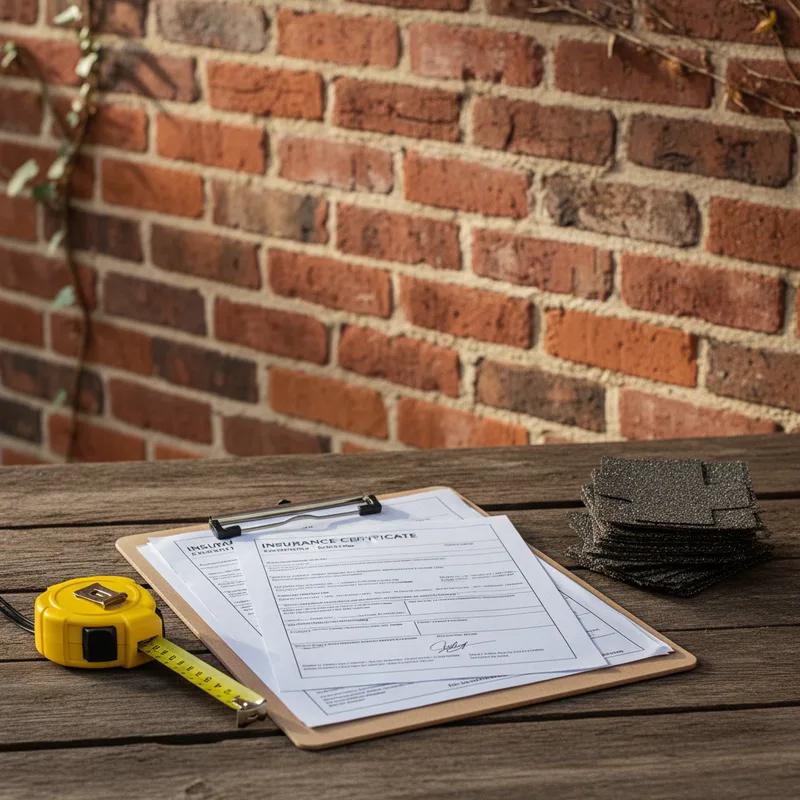
A Philadelphia homeowner reviewing a roofing contractor's insurance certificate and license documents at a kitchen table before signing an agreement
No License, No Insurance, No Deal: The Paper Trail That Protects You

2

The High-Pressure Estimate: Why Urgency Is a Manipulation Tactic

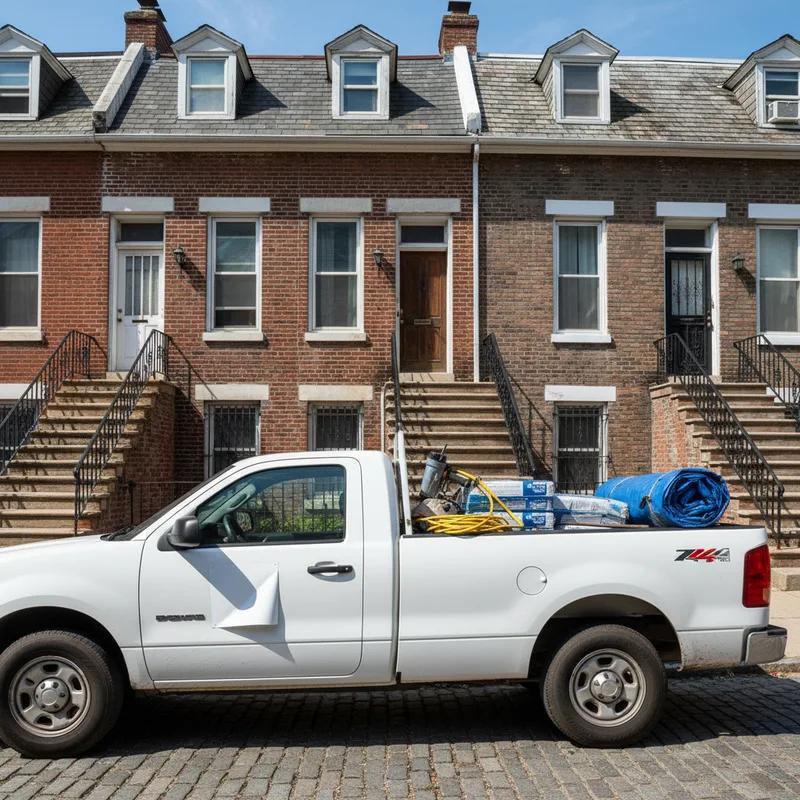
Philadelphia homeowners are particularly vulnerable to high-pressure sales tactics in the days following a major weather event. After a nor'easter dumps heavy snow on Roxborough or a summer thunderstorm tears through West Philly, storm chasers — out-of-town contractors who follow disaster zones — flood the area offering fast, cheap fixes. Their most common weapon is artificial urgency.

Watch for phrases like 'This price is only good today,' 'I have leftover materials from another job nearby,' or 'If you don't fix this now, your whole roof will collapse.' Legitimate roofing contractors understand that a major home repair decision deserves careful consideration. They will give you a written estimate, answer your questions thoroughly, and respect your need to compare bids — without threatening that the deal evaporates if you sleep on it.

Another version of this tactic involves contractors who claim they 'spotted damage' while driving by and knocked on your door unsolicited. While some well-meaning neighbors do refer contractors, an unsolicited knock after a storm is a classic storm-chaser move. These contractors often push homeowners to sign an Assignment of Benefits (AOB) or similar document on the spot, which can transfer control of your insurance claim to the contractor before you've had time to understand the implications.

In Philadelphia's tight-knit neighborhoods — from Fishtown to Germantown — word of mouth still matters. A contractor who relies on panic rather than reputation is telling you something important about how they operate. Take your time, get at least three estimates, and never sign anything during a first visit under pressure. A good roofer will still be available tomorrow.

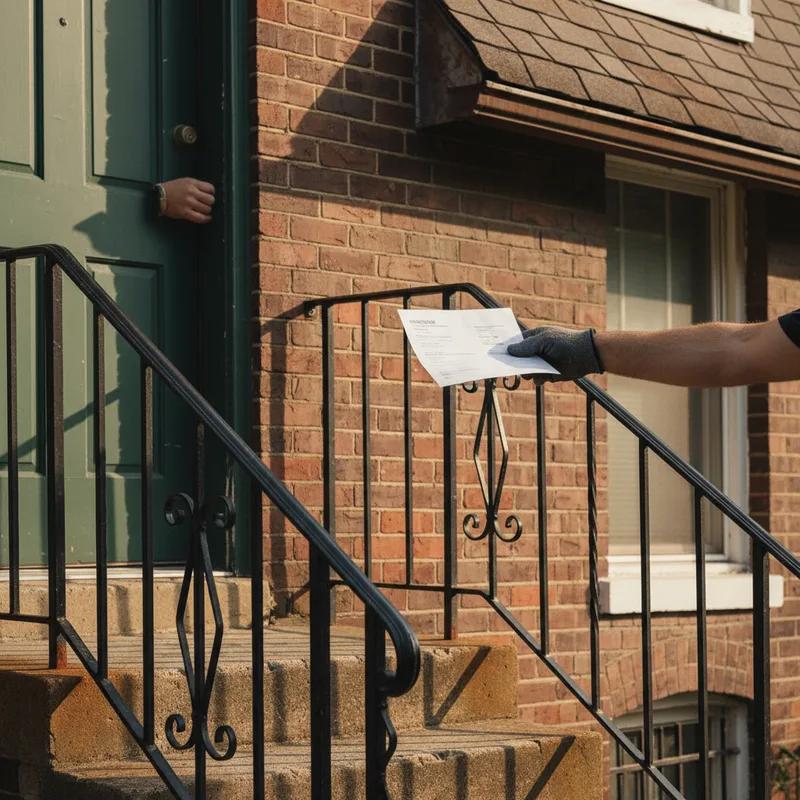
A door-to-door roofing contractor speaking to a skeptical Philadelphia homeowner on a row home front stoop after a storm, with a ladder visible on the truck behind him
The High-Pressure Estimate: Why Urgency Is a Manipulation Tactic

3

Vague or Verbal-Only Estimates: Why What's Written Matters More Than What's Said

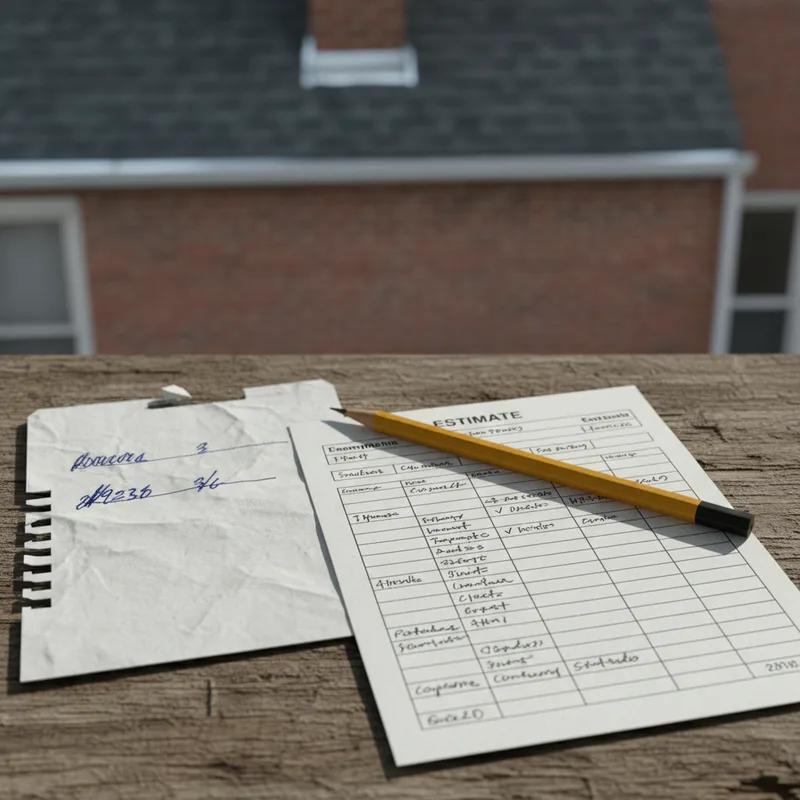
A professional roofing estimate in Philadelphia should be a detailed written document — not a number scrawled on a business card or a verbal quote delivered over the phone. If a contractor shows up, glances at your roof, and gives you a ballpark figure without putting anything in writing, that is a serious red flag.

A legitimate written estimate should include a clear description of the scope of work, the specific materials to be used (including manufacturer name, product line, and warranty details), the estimated start and completion dates, the total cost broken down by labor and materials, and the payment schedule. For Philadelphia's many flat-roofed row homes — common throughout South Philly, Point Breeze, and Kensington — the estimate should specify the membrane type (TPO, EPDM, modified bitumen, etc.) and the thickness, since these details dramatically affect both performance and price.

Vague language is another warning sign within an otherwise written estimate. Watch for terms like 'repair as needed,' 'replace damaged areas,' or 'standard materials.' These phrases give a dishonest contractor wiggle room to do minimal work, use inferior products, or bill for extras later. Every line item should be specific enough that you could hand the estimate to a second contractor and get a comparable bid.

Also pay attention to what's missing. Does the estimate mention permit fees? In Philadelphia, many roofing projects require a permit through L&I, and that cost should be accounted for upfront. Does it address disposal of old materials? Dumpster fees and hauling costs are real expenses that unscrupulous contractors sometimes add as surprise charges after the job is done. A detailed estimate protects both parties — and a contractor who resists providing one is protecting only themselves.

A close-up of a detailed roofing estimate document on a clipboard with specific line items for materials, labor, and permits visible, resting on a Philadelphia row home porch railing
Vague or Verbal-Only Estimates: Why What's Written Matters More Than What's Said

4

Demanding Large Upfront Payments: A Classic Sign of a Roofing Scam

Payment structure is one of the clearest indicators of a contractor's trustworthiness. In Pennsylvania, the Home Improvement Consumer Protection Act places limits on how much a contractor can require upfront, and for good reason — a large upfront payment is one of the most common ways roofing scammers disappear with your money before doing any work.

As a general rule of thumb, a reasonable deposit for a roofing job in Philadelphia falls in the range of 10 to 30 percent of the total contract value. This covers material ordering and mobilization costs. The remainder should be tied to project milestones — for example, a second payment when materials are delivered and work begins, and a final payment upon satisfactory completion. Never pay the full amount before work starts, and be very cautious about any contractor demanding more than one-third upfront.

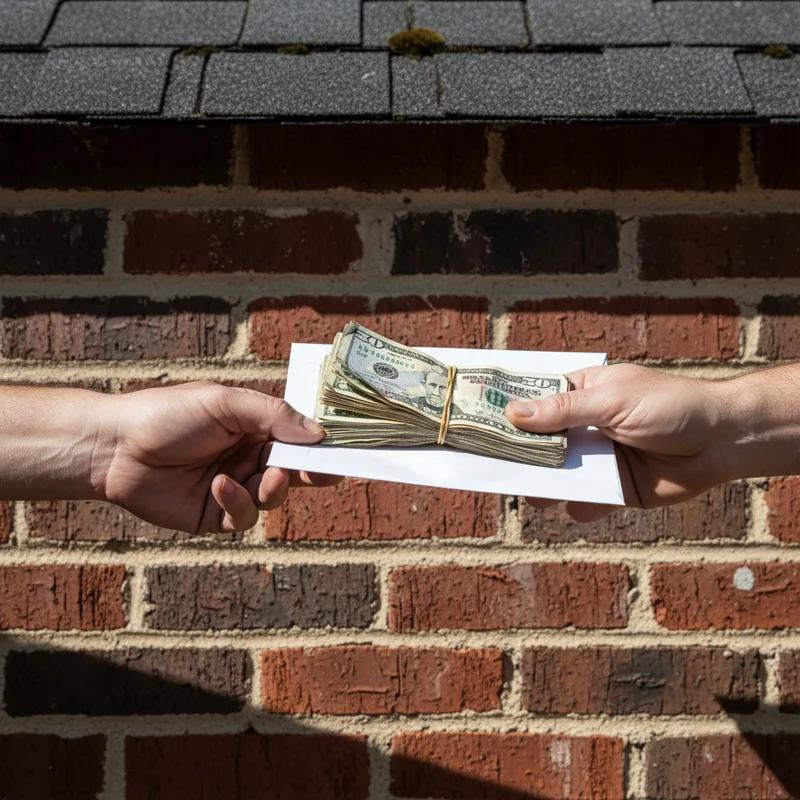
Be especially wary of contractors who insist on cash-only payments. Cash transactions leave no paper trail, make disputes nearly impossible to resolve, and are a hallmark of contractors who do not intend to pull permits or stand behind their work. Legitimate Philadelphia roofers accept checks or electronic payments and provide receipts.

Another payment-related red flag: a contractor who asks you to make a check out to an individual person rather than a business entity. This suggests the operation may not be properly registered, which connects back to the licensing issues discussed earlier.

If you are using a home equity loan, insurance proceeds, or a financing program to fund your roof replacement, a reputable contractor will work within those payment timelines. They will not pressure you to find alternative funds or suggest workarounds that bypass your lender or insurer. Protecting your financial interests is part of what a trustworthy contractor does.

A worried Philadelphia homeowner holding a large stack of cash being pressured by a contractor at a front door, illustrating the danger of excessive upfront payment demands
Demanding Large Upfront Payments: A Classic Sign of a Roofing Scam

5

No Local References, No Permanent Address: The Contractor Who Can't Be Found Later

One of the most practical tests you can apply to any roofing contractor is simple: can you find them after the job is done? Storm chasers and fly-by-night operations often have no verifiable local presence — no physical business address in the Philadelphia area, no reviews on Google or the Better Business Bureau, and no references from local homeowners willing to vouch for their work.

Always ask for at least three references from recent jobs in Philadelphia or the surrounding suburbs, and actually call them. Ask the references whether the contractor showed up on time, completed the job as described, handled unexpected issues professionally, and whether they would hire the company again. A contractor who hesitates to provide references — or who offers references that seem scripted or cannot verify specific project details — should raise your suspicion.

Look up the contractor's business address. A legitimate Philadelphia roofing company should have a verifiable location — not just a P.O. box or a shared mailbox service. Check whether they have an established online presence, including a website, Google Business Profile, and reviews on platforms like the BBB or Angi. Look at how long they've been in business. A company with roots in neighborhoods like Northeast Philly, Chestnut Hill, or the Main Line suburbs is far more accountable than one that appeared after the last big storm.

Also verify their standing with the Philadelphia Better Business Bureau and check the Pennsylvania Attorney General's complaint database. A history of unresolved complaints is a major red flag. Conversely, a long track record of positive reviews from Philadelphia-area homeowners — particularly those with row homes, flat roofs, or historic properties similar to yours — is a strong positive indicator. Accountability is built on local reputation, and a contractor worth hiring knows that.

A Philadelphia homeowner on a laptop researching a roofing contractor's Google reviews, BBB rating, and business address before scheduling an estimate
No Local References, No Permanent Address: The Contractor Who Can't Be Found Later

6

Skipping the Permit Process: Why This Puts Your Home and Resale Value at Risk

In Philadelphia, many roofing projects require a permit from the Department of Licenses and Inspections — and a contractor who suggests skipping this step is waving a significant red flag. Permit requirements depend on the scope of work: a full roof replacement almost always requires a permit, while minor repairs may not. But any contractor who proactively suggests avoiding permits to 'save you money' or 'speed things up' is prioritizing their convenience over your legal protection.

Working without a permit in Philadelphia can have serious consequences. If unpermitted work is discovered — during a home sale, a neighbor complaint, or a future insurance claim — you may be required to tear out and redo the work at your own expense. Unpermitted roofing can also void your homeowner's insurance coverage for related damage. In a city where L&I enforcement has become increasingly active, this is not a theoretical risk.

For Philadelphia's historic districts — including parts of Society Hill, Old City, and Germantown — additional approvals from the Philadelphia Historical Commission may be required before any roofing work begins. A contractor unfamiliar with or dismissive of these requirements is not equipped to work on your property.

Permits also provide a layer of quality assurance. When a permit is pulled, the work is subject to inspection, which means an independent set of eyes verifies that the installation meets the Philadelphia Building Code and current International Residential Code standards. This protects you from substandard work that might not be visible until years later when leaks develop or structural issues emerge.

Always ask your contractor directly: 'Will you be pulling a permit for this job?' If the answer is anything other than a clear yes (for applicable work), treat it as a dealbreaker. The permit process exists to protect homeowners — not to inconvenience them.

A Philadelphia Department of Licenses and Inspections permit posted on the door of a row home undergoing a roofing project, with a contractor's work visible on the roof above
Skipping the Permit Process: Why This Puts Your Home and Resale Value at Risk

Frequently Asked Questions

How do I verify a roofing contractor is licensed in Philadelphia?

You can verify a Pennsylvania Home Improvement Contractor (HIC) registration through the Pennsylvania Attorney General's Office website. Additionally, check with the Philadelphia Department of Licenses and Inspections (L&I) to confirm the contractor is authorized to pull permits in the city. Always ask the contractor for their registration number before any work begins.

What is a fair deposit amount for a roofing job in Philadelphia?

A reasonable upfront deposit for a Philadelphia roofing project is typically between 10 and 30 percent of the total contract value. Pennsylvania's Home Improvement Consumer Protection Act provides guidelines on contractor payment practices. Be cautious of any contractor demanding more than one-third of the total cost before work begins.

Do I need a permit to replace my roof in Philadelphia?

Yes, most full roof replacements in Philadelphia require a permit from the Department of Licenses and Inspections. Minor repairs may not require one, but it's always best to confirm with L&I or ask your contractor to verify for your specific project. Working without a required permit can affect your insurance coverage and complicate future home sales.

What should a roofing estimate include in Philadelphia?

A professional roofing estimate should include a detailed scope of work, specific materials with manufacturer and product information, labor and material costs broken out separately, permit fees, a debris removal and disposal plan, payment schedule, and projected start and completion dates. Vague or verbal-only estimates are a red flag.

What are storm chasers and how do I spot them in Philadelphia?

Storm chasers are out-of-town contractors who travel to areas after major weather events to solicit roofing jobs, often using high-pressure tactics and offering prices that seem too good to be true. In Philadelphia, they typically appear after nor'easters or summer storms and may knock on doors unsolicited. Signs include no local business address, no verifiable references, pressure to sign documents immediately, and requests for large cash payments upfront.

James Callahan
Founder & Editor, Philly Roof Find

James founded Philly Roof Find to give Philadelphia homeowners a transparent, independent resource for evaluating roofing contractors. With a background in building trades and a focus on local construction practices, he writes practical guides grounded in Philadelphia-specific building codes, materials, and contractor standards.