Why Roof Replacement Costs Are Rising for Philadelphia Homeowners

Roof replacement costs are up nearly 30% in Philadelphia. Learn what's driving prices higher and how to avoid overpaying for your next roof replacement.

Why Roof Replacement Costs Are Rising for Philadelphia Homeowners - Philadelphia roofing guide

Philadelphia homeowners are facing sticker shock at the roofing estimate table, with replacement costs climbing nearly 30% since 2022 due to a perfect storm of material prices, labor shortages, and local code requirements.

James Callahan
Published March 25, 2026·Updated March 25, 2026
1

How Much Have Roofing Costs Actually Risen in Philadelphia?

If your last roofing estimate felt like a gut punch, you're not imagining things. Across the Philadelphia metro area, the average cost to replace a roof has climbed nearly 30% compared to just a few years ago. What once cost a typical Roxborough or Mayfair homeowner around $8,000–$12,000 for a standard asphalt shingle replacement on a row home now routinely runs $11,000–$16,000 or more, depending on the size, slope, and complexity of the job.

For larger detached homes in neighborhoods like Chestnut Hill or the Northeast, full roof replacements can easily exceed $20,000–$30,000. Flat roof replacements — common on South Philly row homes and older properties throughout Kensington and Fishtown — have seen similar or steeper increases, particularly for TPO and modified bitumen systems.

These aren't just Philadelphia problems, but the city's unique housing stock amplifies the impact. The density of attached row homes, the prevalence of aging flat roofs, and the city's strict permitting requirements through the Department of Licenses and Inspections (L&I) all add layers of cost that homeowners in suburban markets don't face.

It's also worth noting that these price increases haven't been uniform. Labor costs have risen faster than material costs in some quarters, while material spikes have dominated in others. The result is a volatile market where getting multiple quotes — ideally three or more from licensed Philadelphia contractors — is more important than ever. A $4,000 spread between bids on the same job is no longer unusual, making comparison shopping a genuine money-saving strategy rather than just a best practice.
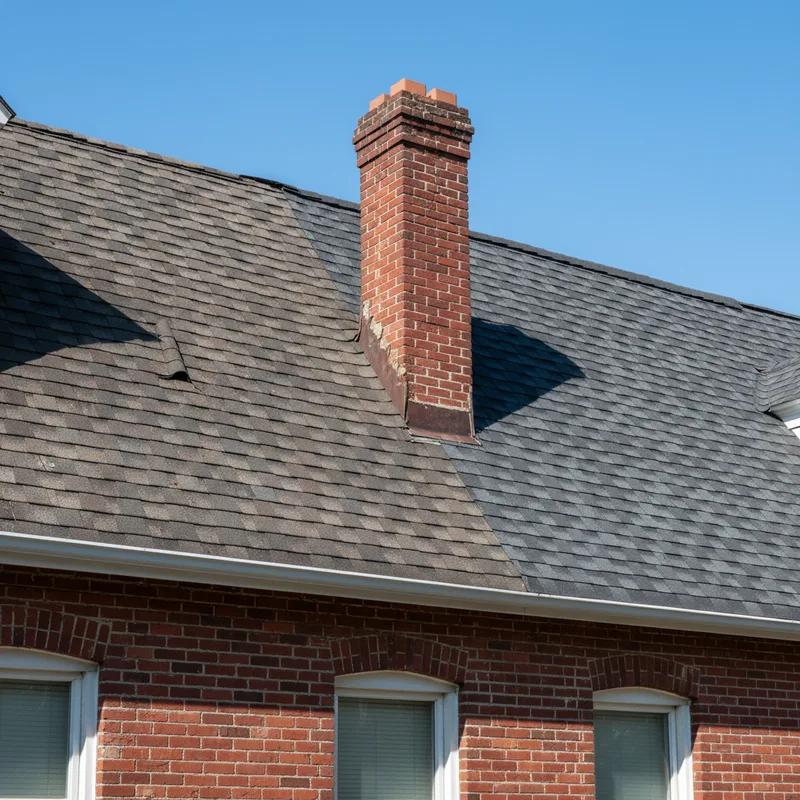
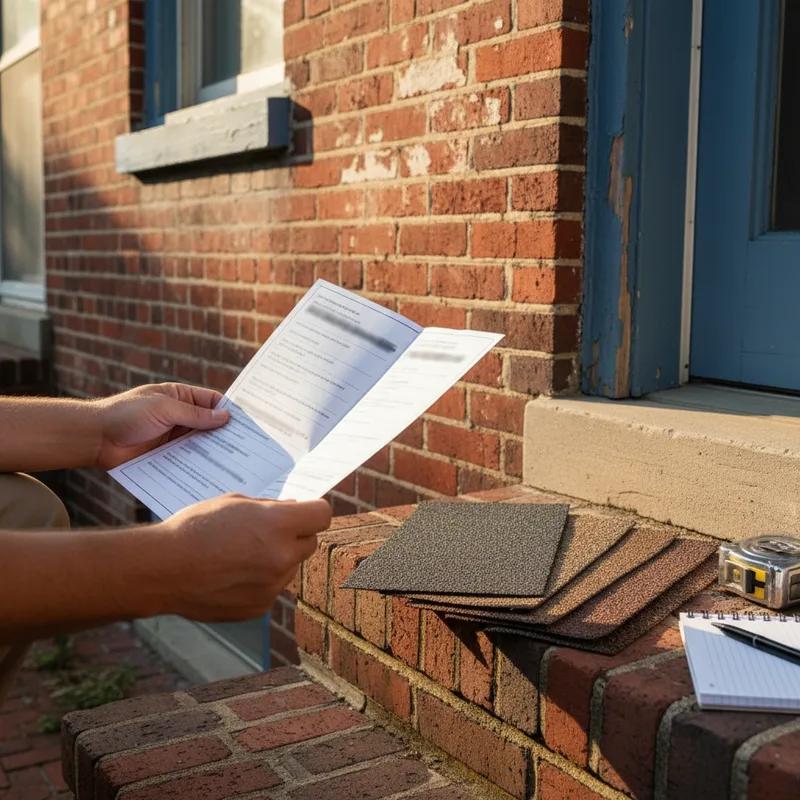
A Philadelphia homeowner reviewing a roofing estimate on a clipboard while standing in front of their brick row home in South Philadelphia
How Much Have Roofing Costs Actually Risen in Philadelphia?

2

Material Costs: Tariffs, Supply Chains, and the Price of Asphalt

The single biggest driver of rising roof replacement costs in Philadelphia — and nationwide — has been the dramatic increase in roofing material prices. Asphalt shingles, which cover the majority of pitched roofs in neighborhoods like Germantown, Frankford, and Olney, are petroleum-based products. That means their price is directly tied to oil markets, which have remained elevated and volatile.

Beyond oil, ongoing trade tariffs on imported steel, aluminum, and certain roofing components have pushed up prices across virtually every roofing category. Metal roofing materials, underlayment products, flashing, and fasteners have all been affected. Even domestic manufacturers have adjusted pricing upward in response to increased raw material costs and sustained demand.

Supply chain disruptions that began earlier in the decade haven't fully resolved. Lead times for specialty materials — including certain flat roofing membranes, slate alternatives, and premium architectural shingles — remain longer than pre-2022 norms, which affects contractor scheduling and, ultimately, pricing.

For Philadelphia homeowners specifically, the city's climate adds another wrinkle. Roofing materials here need to handle genuine four-season stress: summer heat that can push roof surface temperatures above 150°F, freeze-thaw cycles throughout winter and early spring, and nor'easters that bring heavy snow loads and wind-driven rain. Contractors often recommend higher-grade materials than the minimum code requires — and those upgrades carry a price premium that has grown alongside base material costs.

Practical tip: Ask your contractor to break out material costs separately on your estimate. This transparency helps you understand exactly what you're paying for and makes it easier to compare bids apples-to-apples. You can also ask about manufacturer promotions or contractor pricing tiers, as larger roofing companies sometimes have negotiated material rates that smaller operators don't.

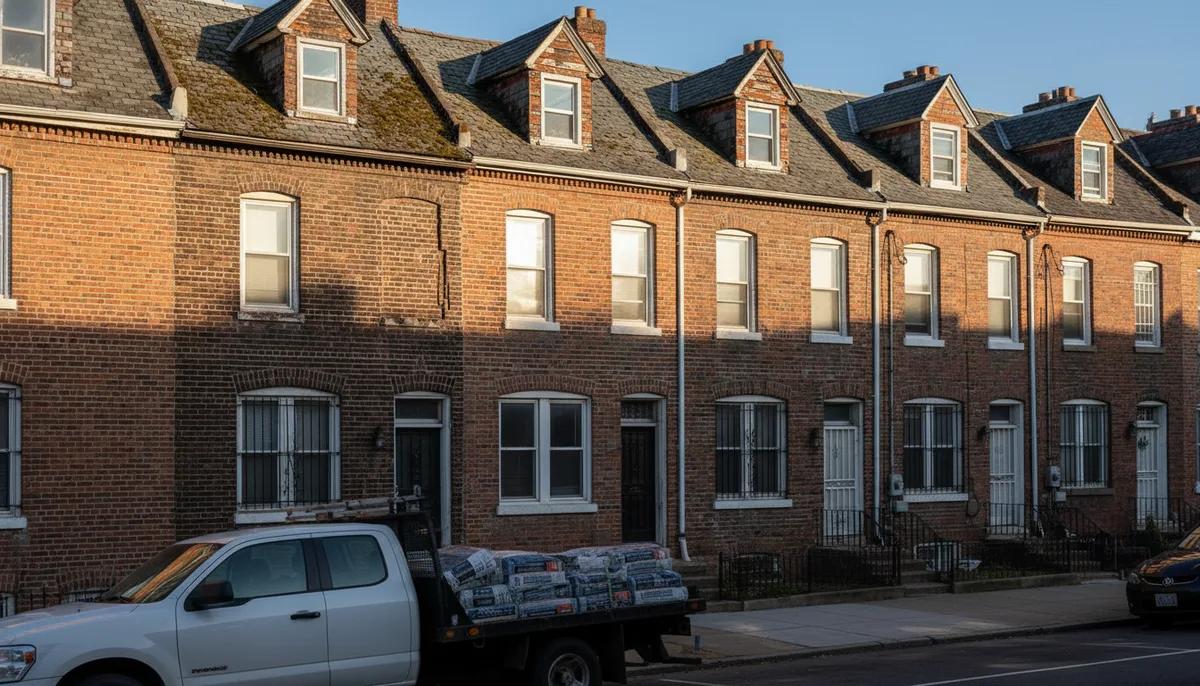
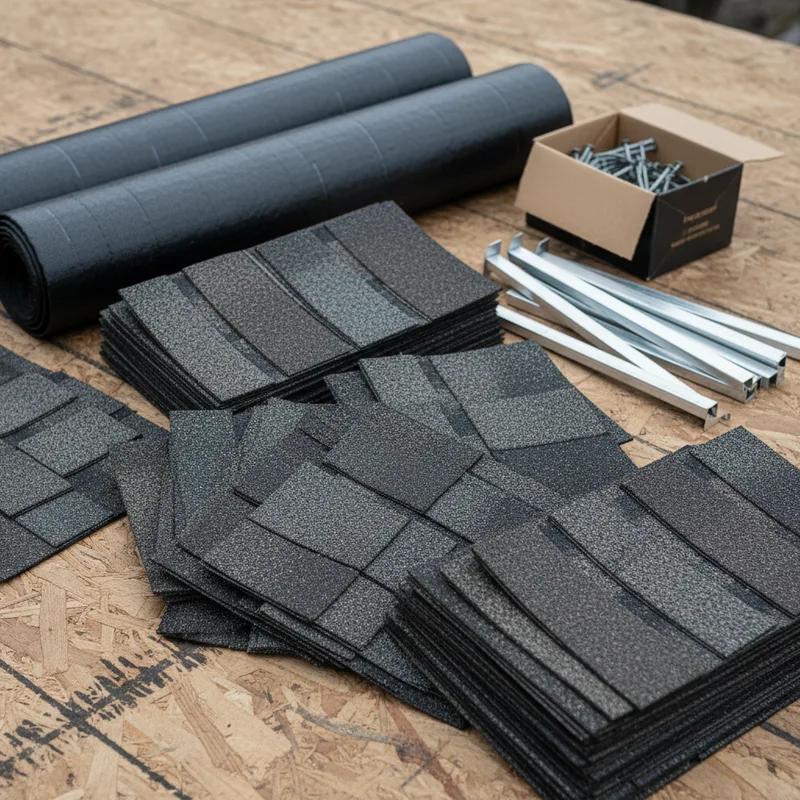
Pallets of asphalt shingles and roofing materials stacked outside a Philadelphia roofing supply warehouse, with a contractor reviewing an order
Material Costs: Tariffs, Supply Chains, and the Price of Asphalt

3

Labor Shortages and the Philadelphia Skilled Trades Gap

Material prices get most of the headlines, but labor costs are an equally significant — and arguably more persistent — driver of rising roofing prices in Philadelphia. The skilled trades have faced a well-documented workforce shortage for years, and roofing is no exception. Fewer young workers are entering the trade, experienced roofers are aging out of the workforce, and the physical demands of the job limit the pool of qualified candidates.

In Philadelphia, this shortage is compounded by the city's union labor landscape. Many reputable roofing contractors in the area work with unionized crews through organizations like the United Union of Roofers, Waterproofers and Allied Workers Local 30, which covers the greater Philadelphia region. Union labor brings important benefits — trained workers, proper insurance, established safety standards — but it also carries wage rates that have increased substantially as the trades compete for a shrinking talent pool.

For homeowners, this means that the labor line on your roofing estimate is unlikely to decrease anytime soon. In fact, contractors who are quoting unusually low labor costs should raise a flag — they may be using unlicensed or underinsured subcontractors, which creates real liability risk for you as the property owner.

Philadelphia's row home architecture creates additional labor complexity that suburban homeowners don't face. Working on attached homes in dense blocks like those in Point Breeze, Passyunk Square, or Port Richmond often requires careful staging, limited equipment access, and coordination with neighbors — all of which take more time and cost more money than working on a freestanding suburban home with a wide-open driveway.

Actionable advice: When reviewing bids, ask contractors whether their crews are employees or subcontractors, and verify that workers' compensation and general liability insurance are current. Request certificates of insurance directly — don't just take a contractor's word for it.

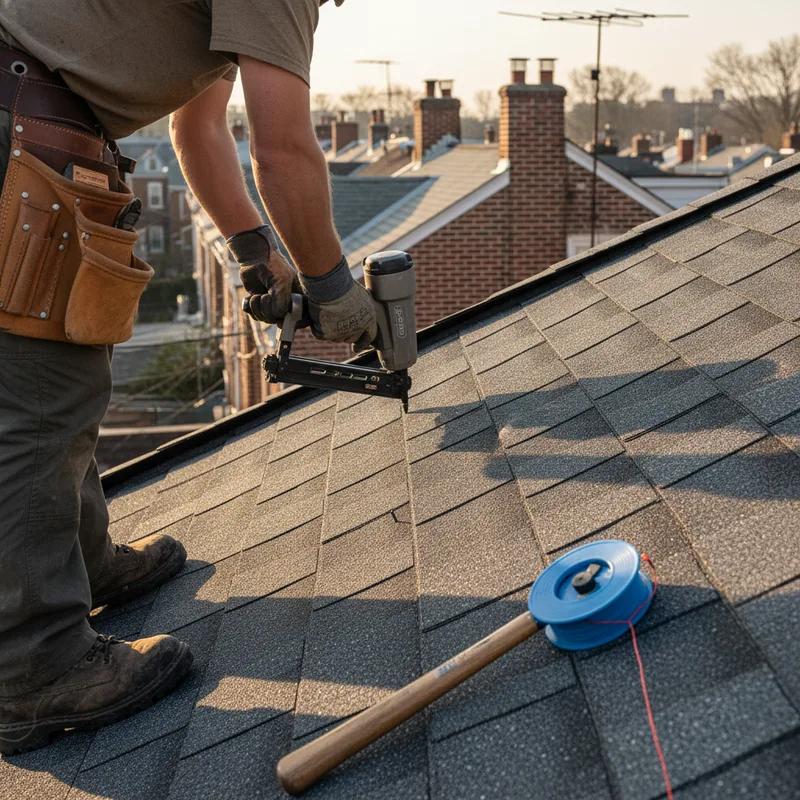
A crew of roofing workers installing shingles on a Philadelphia row home rooftop, with ladders and safety equipment visible on a narrow city block
Labor Shortages and the Philadelphia Skilled Trades Gap

4

Philadelphia Permits, Inspections, and Code Compliance Costs

One cost factor that Philadelphia homeowners often don't anticipate is the expense associated with city permitting and code compliance. The Philadelphia Department of Licenses and Inspections (L&I) requires permits for full roof replacements, and the permitting process adds both direct costs and indirect ones in the form of time and scheduling complexity.

Permit fees in Philadelphia are calculated based on the value of the work, meaning that as roofing costs have risen, permit fees have risen proportionally. Beyond the base permit fee, contractors must schedule inspections, which can create delays — particularly during busy spring and fall roofing seasons when inspector availability is stretched thin.

Code compliance is another layer of cost that catches many homeowners off guard. Philadelphia's building codes, which align with the International Building Code with local amendments, require that replacement roofing meet current standards even if the original installation predated those requirements. This can mean mandatory upgrades to underlayment, ventilation systems, or flashing details that weren't part of the original scope of work.

For Philadelphia's substantial stock of historic homes — particularly in neighborhoods like Society Hill, Rittenhouse Square, and parts of Germantown — the Philadelphia Historical Commission may also have jurisdiction over exterior materials and appearance. Homeowners in designated historic districts may be limited in their material choices or required to use more expensive period-appropriate options, adding further to total project costs.

Flat-roof properties — ubiquitous across South Philadelphia and much of the older row home stock — face additional compliance considerations around drainage, parapet walls, and fire ratings that pitched-roof homes don't encounter.

Practical tip: Always confirm that your contractor will pull the required permits and handle inspections. Any contractor who suggests skipping permits to save money is putting you at legal and financial risk. Unpermitted roofing work can complicate home sales, void insurance claims, and result in costly forced remediation.

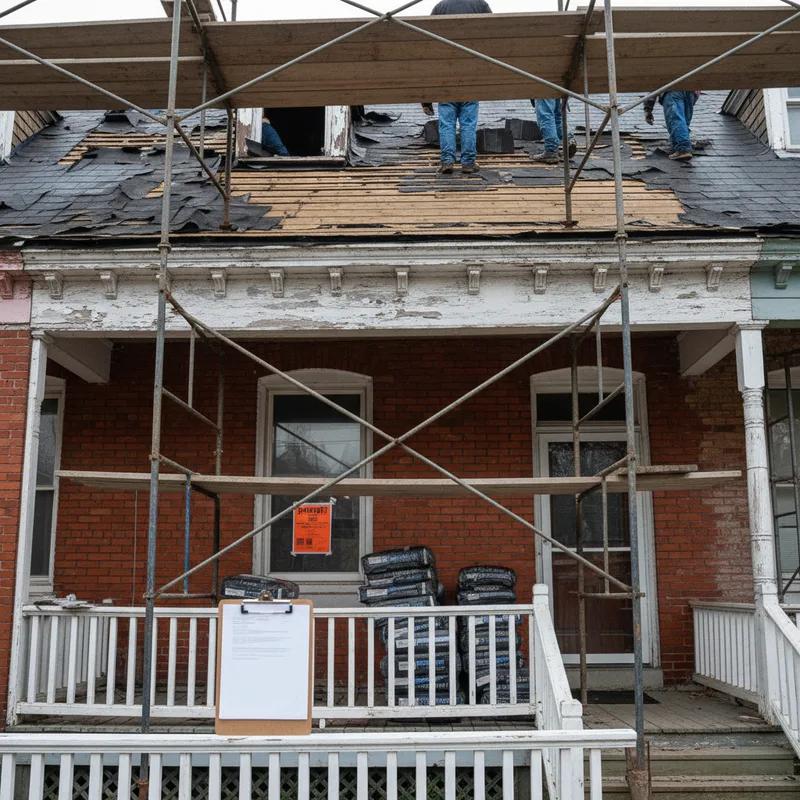
A Philadelphia L&I permit notice posted on the door of a brick row home undergoing roof replacement work in a dense urban neighborhood
Philadelphia Permits, Inspections, and Code Compliance Costs

5

Insurance Changes Are Shifting More Costs to Philadelphia Homeowners

Another significant — and often overlooked — driver of out-of-pocket roofing costs for Philadelphia homeowners is the shifting landscape of homeowners insurance. Insurers across Pennsylvania have been tightening roof coverage terms, raising deductibles, and in some cases refusing to renew policies on homes with older roofs.

Many insurers have moved from replacement cost value (RCV) policies to actual cash value (ACV) coverage for roofs, particularly on older homes. Under ACV policies, depreciation is factored in, meaning that even after a covered storm event, the insurance payout may cover only a fraction of actual replacement costs. For a homeowner with a 15-year-old roof, that depreciation gap can represent thousands of dollars.

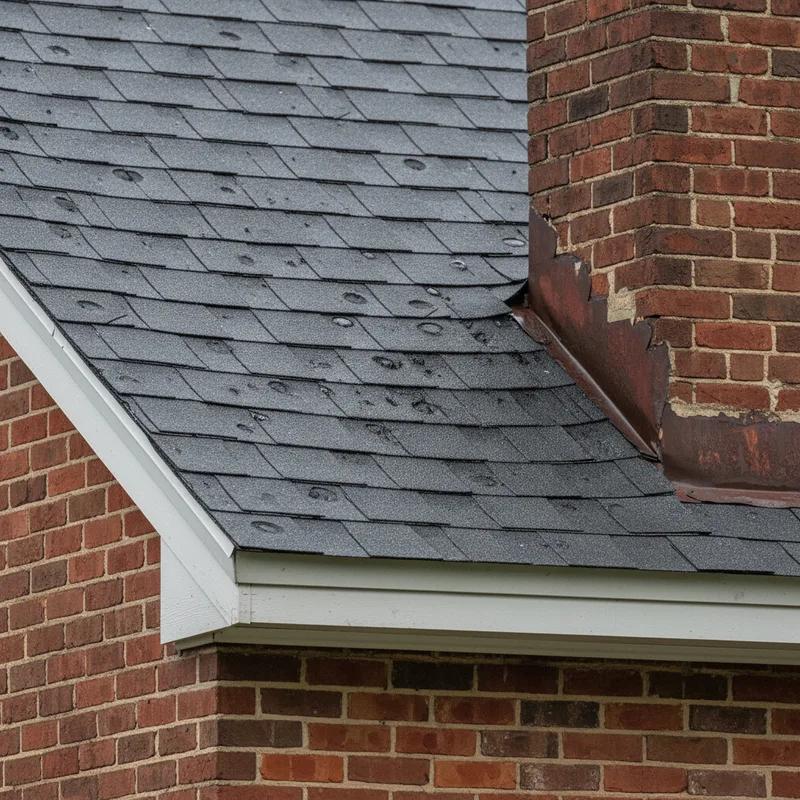
Philadelphia's weather patterns make this particularly relevant. The city sits in a corridor that sees significant severe weather activity, including nor'easters, summer thunderstorms with large hail, and periodic high-wind events. When storm damage occurs, homeowners with ACV policies often discover they're carrying far more financial exposure than they realized.

Some insurers have also introduced separate wind and hail deductibles — sometimes calculated as a percentage of the home's insured value rather than a flat dollar amount — which can result in deductibles of $5,000 or more on a single claim. These policy structures have become more common across the Philadelphia market in recent years as insurers manage their risk exposure.

Actionable advice: Review your current homeowners insurance policy before you need a new roof, not after. Understand whether you have RCV or ACV coverage, what your deductibles are, and whether your insurer has any age-based exclusions on roof coverage. If your policy has shifted to ACV, shopping for a new insurer or upgrading your coverage may be worth the effort and cost.

A Philadelphia homeowner reviewing their homeowners insurance policy documents at a kitchen table after receiving a roofing estimate following storm damage
Insurance Changes Are Shifting More Costs to Philadelphia Homeowners

6

How Philadelphia Homeowners Can Avoid Overpaying for a New Roof

Rising costs don't mean you're powerless. With the right approach, Philadelphia homeowners can navigate this challenging market and get fair value for their roofing investment. Here's how to protect yourself.

Get multiple written estimates. In a market where bids can vary by thousands of dollars, three or more detailed written estimates from licensed, insured Philadelphia contractors is the minimum. Use platforms like Philly Roof Find to identify vetted local contractors rather than relying solely on door-to-door solicitations — which spike after every major storm and are a common source of contractor fraud.

Time your project strategically. Roofing contractors in Philadelphia are typically busiest in late spring and early fall. Scheduling work in late winter (weather permitting) or mid-summer can sometimes yield better pricing and faster scheduling. Contractors are more willing to negotiate when their crews have openings.

Explore financial assistance programs. Philadelphia homeowners with lower incomes may qualify for assistance through programs administered by the Philadelphia Housing Development Corporation (PHDC) or community development organizations. The Basic Systems Repair Program (BSRP) has historically helped eligible homeowners with critical repairs including roofing — check current eligibility and availability directly with PHDC, as program terms and funding levels change.

Don't automatically choose the lowest bid. An unusually low estimate is often a warning sign, not a bargain. Verify that every contractor you're considering holds a valid City of Philadelphia contractor license, carries current workers' compensation and liability insurance, and can provide local references from completed Philadelphia projects.

Ask about warranties carefully. Both manufacturer material warranties and contractor workmanship warranties matter. Understand exactly what each covers, for how long, and what voids them. A slightly higher bid from a contractor offering a strong workmanship warranty may represent better long-term value than the cheapest option on the table.

A Philadelphia homeowner comparing three printed roofing estimates side by side at a dining room table in a row home, with a laptop open to a contractor review site
How Philadelphia Homeowners Can Avoid Overpaying for a New Roof

Frequently Asked Questions

How much does a roof replacement cost in Philadelphia in 2026?

In 2026, Philadelphia homeowners can expect to pay roughly $11,000–$16,000 for a standard asphalt shingle replacement on a typical row home, with larger or more complex roofs running $20,000–$30,000 or more. Flat roof replacements vary widely based on system type and roof size. Getting three or more quotes from licensed local contractors is the best way to understand current pricing for your specific home.

Why are roofing costs so much higher than they were a few years ago?

Roofing costs have risen due to a combination of factors including higher asphalt and petroleum-based material prices, trade tariffs on imported roofing components, ongoing skilled labor shortages in the trades, and increased permitting and code compliance costs. In Philadelphia specifically, the complexity of working on dense row home blocks and the city's strict L&I requirements add additional cost layers that suburban homeowners don't face.

Do I need a permit to replace my roof in Philadelphia?

Yes. The City of Philadelphia requires permits through the Department of Licenses and Inspections (L&I) for full roof replacements. Any reputable contractor should pull the required permits as part of the job — if a contractor suggests skipping permits to save money, that's a serious red flag. Unpermitted work can affect your ability to sell your home and may void insurance coverage.

Are there any programs to help Philadelphia homeowners pay for roof replacement?

Philadelphia's Basic Systems Repair Program (BSRP), administered by the Philadelphia Housing Development Corporation (PHDC), has historically provided assistance to income-eligible homeowners for critical repairs including roofing. Program availability and eligibility requirements change based on funding, so contact PHDC directly for current information. Some community development organizations and nonprofit housing groups also offer repair assistance in specific Philadelphia neighborhoods.

How can I tell if a Philadelphia roofing contractor is legitimate?

Verify that any contractor you're considering holds a valid City of Philadelphia contractor license, carries current general liability and workers' compensation insurance, and can provide local references from completed projects. Request certificates of insurance directly from the insurer rather than accepting a contractor's copy. Be cautious of door-to-door solicitations — especially after storms — and contractors who demand large upfront cash payments or pressure you to sign immediately.

James Callahan
Founder & Editor, Philly Roof Find

James founded Philly Roof Find to give Philadelphia homeowners a transparent, independent resource for evaluating roofing contractors. With a background in building trades and a focus on local construction practices, he writes practical guides grounded in Philadelphia-specific building codes, materials, and contractor standards.