How Rising Oil Prices Affect Roof Replacement Costs in Philadelphia

Oil prices are driving up roof replacement costs in Philadelphia. Learn how to budget smart, find fair contractors, and protect your home in 2026.

How Rising Oil Prices Affect Roof Replacement Costs in Philadelphia - Philadelphia roofing guide

Rising oil prices in 2026 are quietly pushing up the cost of roof replacements across Philadelphia, affecting everything from asphalt shingles to flat roof membranes.

James Callahan
Published March 21, 2026·Updated March 21, 2026
1

The Oil-Roofing Connection: Why Crude Prices Hit Your Roof Budget

Most Philadelphia homeowners don't think about crude oil when they call a roofer for an estimate — but they should. The link between global oil markets and your roof replacement bill is direct, significant, and in 2026, impossible to ignore.

Asphalt shingles, the most common roofing material on Philadelphia's row homes, twin homes, and detached houses, are petroleum-based products. Asphalt itself is a byproduct of crude oil refining. When oil prices climb, the raw material cost for manufacturing shingles rises in lockstep. Industry data consistently shows that asphalt shingle prices track crude oil fluctuations with a lag of roughly two to four months, meaning price spikes at the pump eventually show up on your roofing invoice.

Beyond shingles, oil price increases ripple through nearly every layer of a roofing job. Modified bitumen and TPO membranes — both widely used on Philadelphia's abundant flat roofs — are also petroleum-derived materials. Roofing underlayment, ice-and-water shield, and even certain adhesives and sealants rely on petrochemical inputs. Diesel fuel costs, which directly affect contractor vehicle fleets and material delivery trucks, add another layer of expense that contractors increasingly pass along to customers.

For Philadelphia homeowners, this isn't an abstract economic concern. With the city's dense housing stock, aging infrastructure, and a significant share of homes built before 1970, roof replacements are a regular and unavoidable expense. Understanding why your estimate looks higher than it did a few years ago — and why contractors aren't simply padding their margins — is the first step toward making informed decisions about timing, materials, and contractor selection.
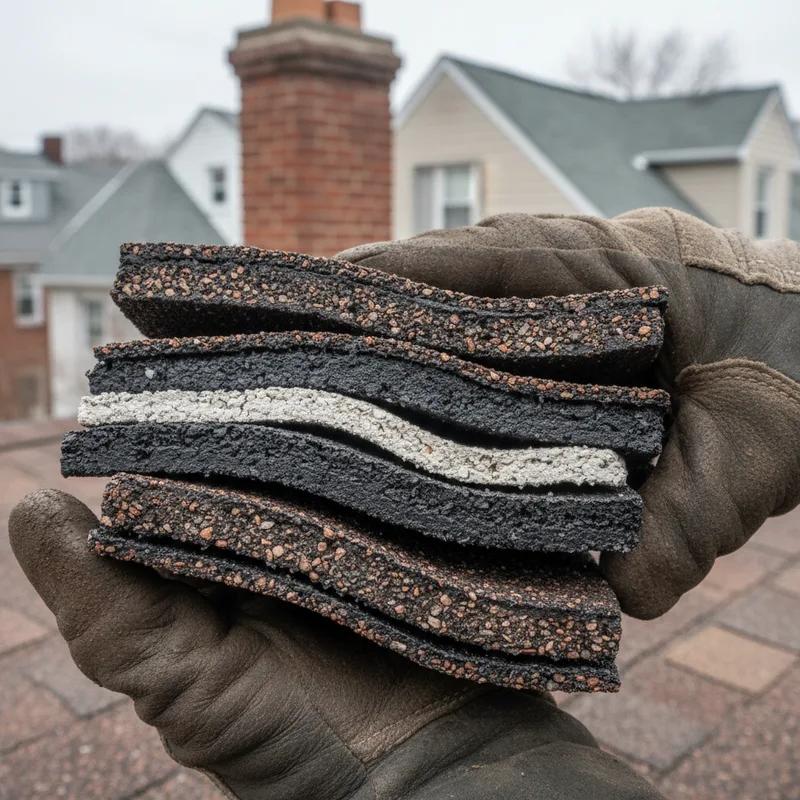
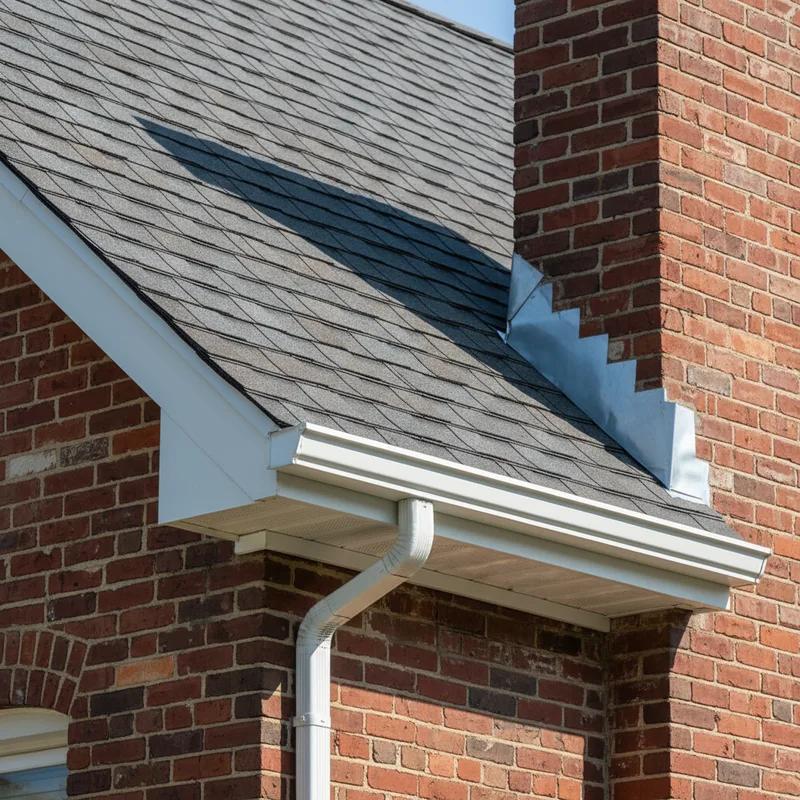
Close-up of asphalt shingles being installed on a Philadelphia row home roof with a contractor in the background, illustrating the petroleum-based materials used in roofing
The Oil-Roofing Connection: Why Crude Prices Hit Your Roof Budget

2

What Philadelphia Homeowners Are Actually Paying for Roof Replacements Right Now

If you've requested a roofing estimate recently in Philadelphia, the numbers may have surprised you. Across the city's diverse neighborhoods — from South Philly's dense row home blocks to the larger detached homes in Chestnut Hill and the Northeast — replacement costs have climbed noticeably as material prices respond to sustained oil market pressure.

For a standard asphalt shingle roof replacement on a typical Philadelphia row home (roughly 1,000 to 1,400 square feet of roof surface), homeowners are generally seeing estimates in the range of $7,000 to $14,000 in early 2026, depending on pitch, accessibility, existing layers requiring tear-off, and the shingle grade selected. Mid-range architectural shingles, which represent the most popular choice, sit at the higher end of that range compared to just a few years ago.

Flat roof replacements — extremely common in South Philadelphia, Fishtown, Northern Liberties, and Kensington — tell a similar story. A TPO or modified bitumen flat roof replacement on a typical Philadelphia row home typically runs between $4,500 and $9,000, with larger surfaces or premium materials pushing costs higher. EPDM rubber roofing, while slightly less oil-sensitive in its base material, still sees price pressure through adhesive and installation supply costs.

Larger detached homes in neighborhoods like Mt. Airy, Germantown, or the Far Northeast with steeper pitches, dormers, and greater square footage can see estimates ranging from $15,000 to $30,000 or more for full replacements.

It's worth noting that labor costs in Philadelphia have also risen independently of oil prices, driven by a competitive skilled trades market and the ongoing demand for qualified roofing crews. When you combine material inflation with labor market pressure, the total cost increase becomes substantial. Getting multiple estimates from licensed Philadelphia contractors remains essential to ensure you're seeing a fair market price rather than an outlier.

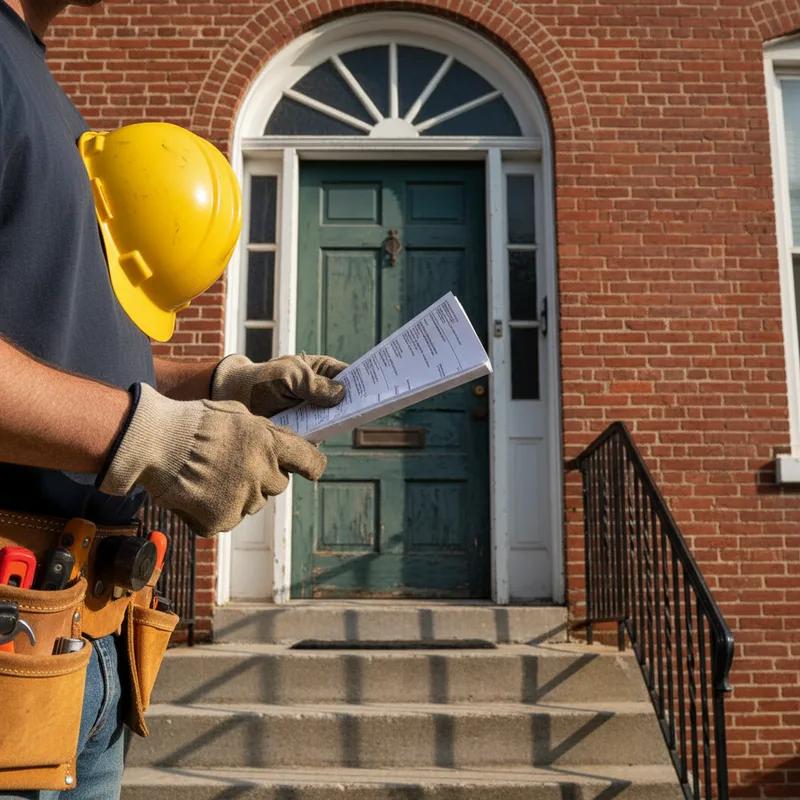
Philadelphia homeowner reviewing a roofing estimate document at a kitchen table with a contractor, with row homes visible through the window behind them
What Philadelphia Homeowners Are Actually Paying for Roof Replacements Right Now

3

Philadelphia's Flat Roofs: Why Oil Prices Hurt This City More Than Most

Philadelphia has one of the highest concentrations of flat and low-slope roofs of any major American city, a direct result of the row home architecture that defines neighborhoods from Point Breeze to Port Richmond. This architectural reality makes Philadelphia homeowners disproportionately exposed to oil-driven roofing cost increases compared to homeowners in cities dominated by pitched roofs.

The most common flat roofing materials — TPO (thermoplastic polyolefin), modified bitumen, and EPDM — all have significant petroleum content in their manufacturing process. TPO and modified bitumen are especially oil-sensitive; their raw material costs move closely with crude oil benchmarks. When oil prices rise sharply, flat roof material costs often increase faster on a percentage basis than asphalt shingles, because the petroleum component makes up a larger share of the total product cost.

For Philadelphia's row home owners, there's an additional complication. Many of these homes have both a flat roof section over the main structure and a sloped section over a front bay or rear addition. This hybrid roof configuration means a single replacement project can involve multiple material types, compounding the cost impact of oil-driven price increases.

Philadelphia's weather patterns add urgency to the equation. The city experiences genuine four-season extremes — heavy summer thunderstorms, freeze-thaw cycles through late winter and early spring, and occasional nor'easters that can dump significant snow and ice loads. A compromised flat roof in these conditions isn't just a budget problem; it's a structural and habitability risk. Delaying replacement to wait for lower prices carries real risk when your roof is already showing signs of failure.

For homeowners weighing material options, it's worth discussing with your contractor whether alternatives like spray polyurethane foam (SPF) or a premium roof coating system might offer a cost-effective middle path between full replacement and continued patching — particularly if your existing roof deck is in sound condition.

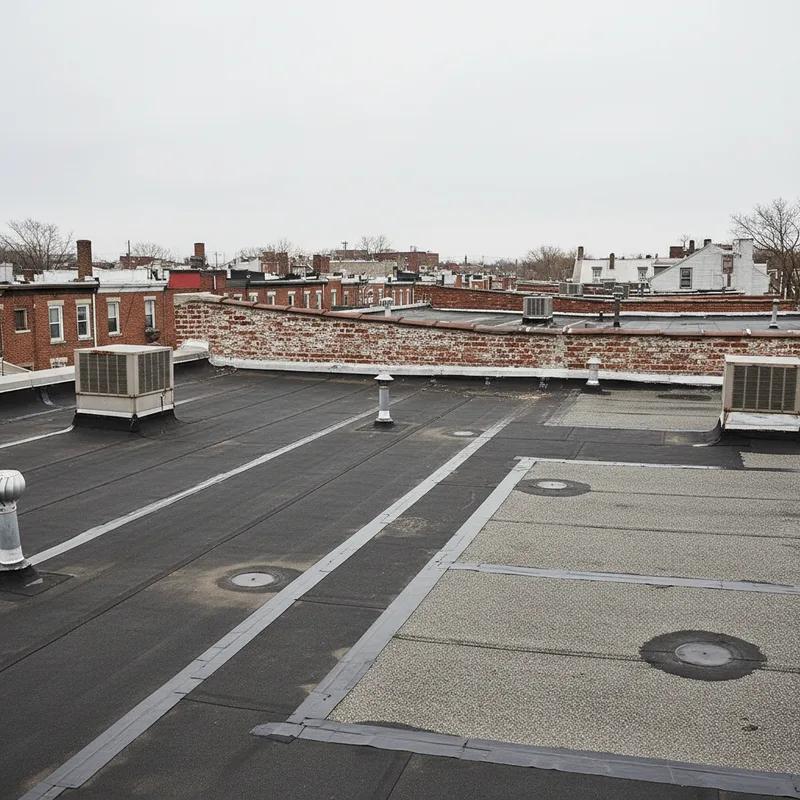
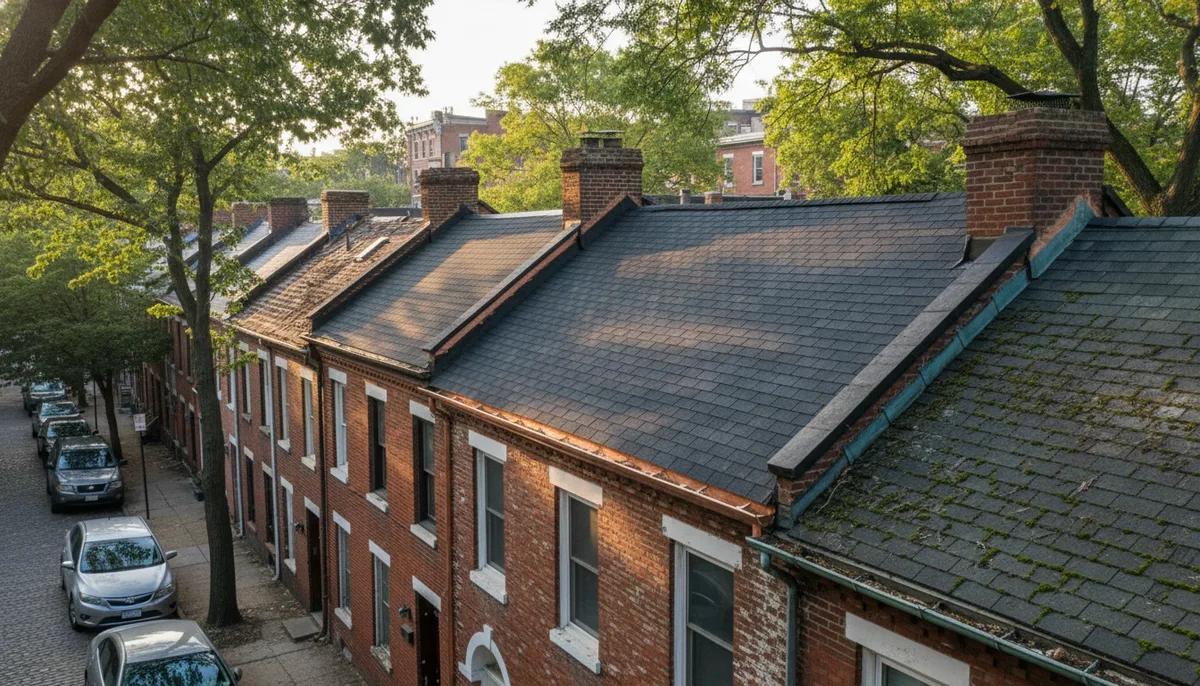
Aerial view of Philadelphia row home rooftops showing a mix of flat TPO membrane roofs and sloped shingle sections in a dense South Philadelphia neighborhood
Philadelphia's Flat Roofs: Why Oil Prices Hurt This City More Than Most

4

How to Budget Smart When Roofing Costs Are Elevated

Elevated roofing costs don't mean you're powerless as a Philadelphia homeowner. With the right approach, you can manage your budget strategically, access available financial assistance, and still get quality work done by a reputable contractor.

Start with a professional inspection before committing to a full replacement. A licensed Philadelphia roofing contractor — or a certified independent roof inspector — can tell you whether a full replacement is truly necessary now or whether targeted repairs can responsibly extend your roof's life by two to five years. Not every aging roof needs immediate full replacement, and in a high-cost environment, buying time with smart repairs can be a sound financial decision.

Explore financing options specifically available to Philadelphia homeowners. The Philadelphia Home Improvement Loan Program and various community development financial institutions (CDFIs) active in the city offer financing for essential home repairs including roofing. Income-qualified homeowners may also be eligible for assistance through programs administered by the Philadelphia Housing Development Corporation (PHDC). Always verify current program availability and eligibility requirements directly with the administering agency, as program details change.

Consider timing your project strategically. Roofing contractors in Philadelphia typically have slower periods in late fall and winter (weather permitting), when competition for crews is lower and some contractors may offer more competitive pricing. Conversely, post-storm demand surges — common after spring nor'easters or summer hail events — tend to push prices and wait times higher.

Get a minimum of three written estimates from licensed, insured Philadelphia contractors. Ensure each estimate specifies the exact materials (manufacturer, product line, and warranty tier), the scope of work including tear-off and disposal, and the projected timeline. Comparing estimates on an apples-to-apples basis is the most effective protection against overpaying in any market condition.

Finally, don't sacrifice material quality to chase the lowest number. A cheaper shingle installed today that fails in five years will cost far more than a quality product with a 30-year warranty installed correctly once.

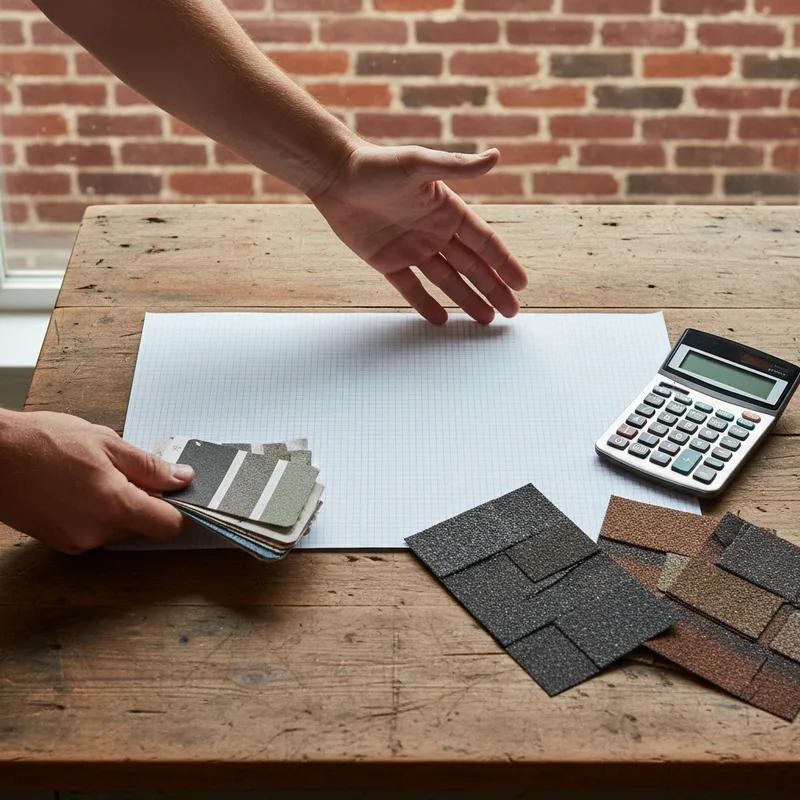
Philadelphia homeowner comparing three printed roofing estimates spread out on a table, with a calculator and notepad nearby, planning a roof replacement budget
How to Budget Smart When Roofing Costs Are Elevated

6

Long-Term Strategies: Protecting Your Roof Investment Against Future Price Volatility

Oil prices are cyclical, but the structural factors driving roofing costs in Philadelphia — aging housing stock, skilled labor demand, supply chain complexity, and climate-related weather stress — aren't going away. The smartest approach for Philadelphia homeowners is to think beyond the immediate replacement and build a long-term roof management strategy.

Invest in quality materials with strong manufacturer warranties when you do replace. Premium architectural shingles from established manufacturers typically carry 30-year to lifetime limited warranties, and quality flat roof membranes often come with 15- to 20-year coverage. These warranties don't fully insulate you from future costs, but they provide meaningful protection against premature material failure. Make sure your contractor is a certified installer for the manufacturer's warranty to actually be valid.

Establish a regular maintenance schedule. Philadelphia's climate — with its freeze-thaw cycles, summer storm intensity, and fall leaf accumulation — means roofs here work hard. Annual professional inspections, typically in spring after winter stress and in fall before the cold season, can catch developing problems early when repairs are far less expensive than emergency responses or accelerated replacements.

Consider energy-efficient roofing options that can offset some of the higher upfront cost through long-term savings. Cool roof coatings and reflective membranes for flat roofs can meaningfully reduce summer cooling loads in Philadelphia's increasingly warm summers. Some Philadelphia and Pennsylvania energy efficiency programs offer incentives for qualifying upgrades — check with PECO's energy efficiency program and Pennsylvania's utility rebate programs for current offerings.

Finally, build a roofing reserve fund into your household budget. Setting aside a modest amount monthly toward future roof maintenance and eventual replacement is far less painful than facing a $10,000-plus emergency expense with no financial cushion. For Philadelphia's row home owners especially, where the roof is one of the home's most critical and vulnerable systems, proactive financial planning is as important as proactive physical maintenance.

Philadelphia homeowner on a ladder performing a spring roof inspection on a row home, checking shingles and gutters with the city skyline visible in the background
Long-Term Strategies: Protecting Your Roof Investment Against Future Price Volatility

Frequently Asked Questions

How much does a roof replacement cost in Philadelphia in 2026?

In early 2026, a typical asphalt shingle roof replacement on a Philadelphia row home ranges from approximately $7,000 to $14,000, depending on roof size, pitch, shingle grade, and whether tear-off of existing layers is required. Flat roof replacements commonly run between $4,500 and $9,000 for standard row home sizes. Larger detached homes can see costs of $15,000 to $30,000 or more.

Why are roofing costs going up in Philadelphia?

The primary driver is the petroleum content in roofing materials — asphalt shingles, TPO membranes, and modified bitumen are all oil-derived products whose manufacturing costs rise with crude oil prices. Rising diesel fuel costs for contractor vehicles and material delivery, combined with a competitive skilled labor market in Philadelphia, are compounding the increase.

Do I need a permit to replace my roof in Philadelphia?

Yes, most full roof replacements in Philadelphia require a building permit from the Department of Licenses and Inspections (L&I). Your contractor should pull this permit as part of the job — be cautious of any contractor who suggests skipping the permit to save money, as this can create legal, insurance, and resale complications.

Are there financial assistance programs for roof replacement in Philadelphia?

Yes, income-qualified Philadelphia homeowners may be eligible for assistance through programs administered by the Philadelphia Housing Development Corporation (PHDC), and various CDFIs active in the city offer home improvement financing. Always verify current program availability and eligibility directly with the administering agency, as programs and funding levels change regularly.

Is it better to repair or replace my roof when prices are high?

If your roof has significant remaining life and the damage is localized, targeted repairs can be a smart way to extend its service life and defer full replacement costs until market conditions improve. However, if your roof is near or past its expected lifespan or has widespread failure, delaying replacement risks more expensive damage to your home's structure and interior. A professional inspection from a licensed Philadelphia roofer is the best way to make this call objectively.

James Callahan
Founder & Editor, Philly Roof Find

James founded Philly Roof Find to give Philadelphia homeowners a transparent, independent resource for evaluating roofing contractors. With a background in building trades and a focus on local construction practices, he writes practical guides grounded in Philadelphia-specific building codes, materials, and contractor standards.