TPO vs EPDM: Choosing a Flat Roof Membrane in Philadelphia

Compare TPO vs EPDM flat roof membranes for Philadelphia homes & businesses. Expert guidance on cost, durability, and which is best for Philly's climate.

TPO vs EPDM: Choosing a Flat Roof Membrane in Philadelphia - Philadelphia roofing guide

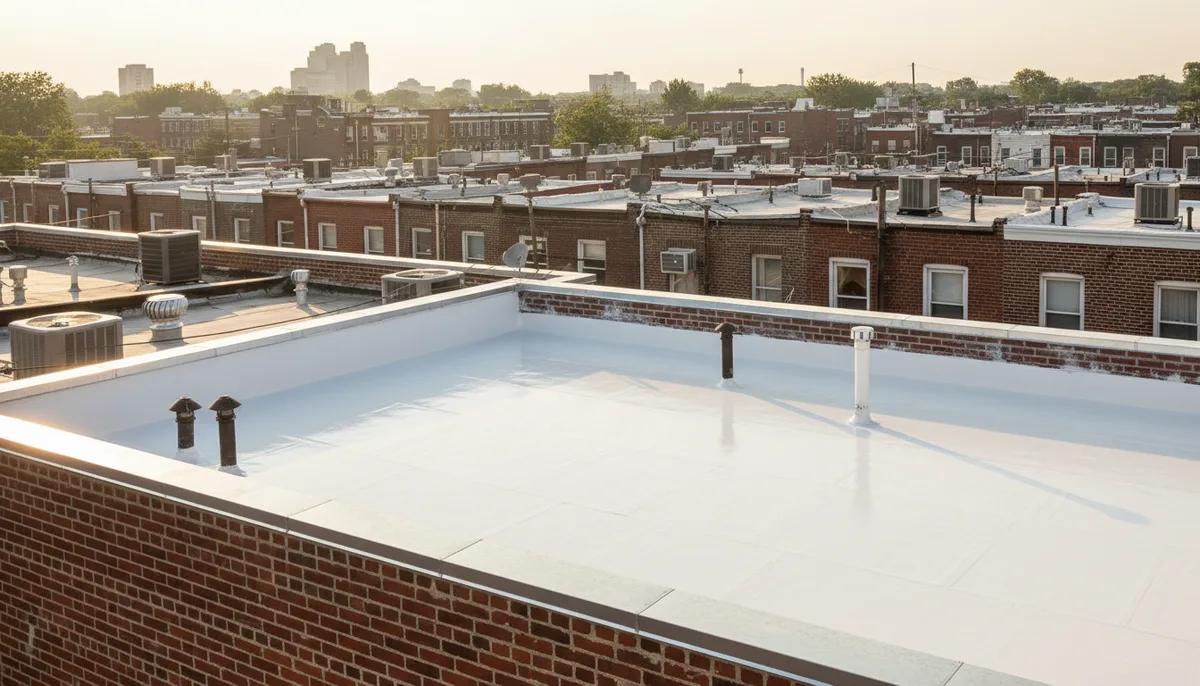
Flat roofs are a defining feature of Philadelphia's rowhouses, commercial buildings, and mixed-use properties — and choosing the right membrane can mean the difference between a roof that lasts 30 years and one that fails in five.

James Callahan
Published April 8, 2026·Updated April 8, 2026
1

Understanding Flat Roofs in Philadelphia: Why Membrane Choice Matters

Philadelphia is a city built on flat roofs. From the classic brick rowhouses of South Philly and Kensington to the commercial corridors of Frankford Avenue and the mixed-use buildings of Fishtown and Northern Liberties, low-slope and flat roofs are everywhere. According to local roofing professionals, a significant portion of Philadelphia's residential and commercial building stock relies on flat or near-flat roof systems — which means the membrane you choose has a direct impact on your property's long-term performance and value.

Unlike pitched roofs that shed water quickly, flat roofs depend entirely on their membrane to act as a watertight barrier. Water pools, UV rays beat down during summer heat waves, and winter freeze-thaw cycles — Philadelphia experiences all of these in abundance. The city's climate sits in USDA Hardiness Zone 7b, with summer temperatures regularly climbing into the 90s°F and winters that dip well below freezing. That thermal range puts serious stress on roofing membranes year after year.

The two dominant single-ply membrane options you'll encounter from Philadelphia roofing contractors are TPO (Thermoplastic Polyolefin) and EPDM (Ethylene Propylene Diene Monomer). Both are widely used, both are code-compliant under Philadelphia's Department of Licenses and Inspections (L&I) requirements, and both can deliver excellent results — but they are not interchangeable. Understanding the key differences will help you have a more informed conversation with any contractor you bring in for an estimate.

This guide is designed specifically for Philadelphia property owners: homeowners with rowhouse roofs, landlords managing rental properties in neighborhoods like West Philly or Germantown, and small business owners dealing with aging commercial roofs. We'll walk through the material science, cost differences, installation considerations, energy performance, and long-term maintenance so you can make the right call for your specific situation.
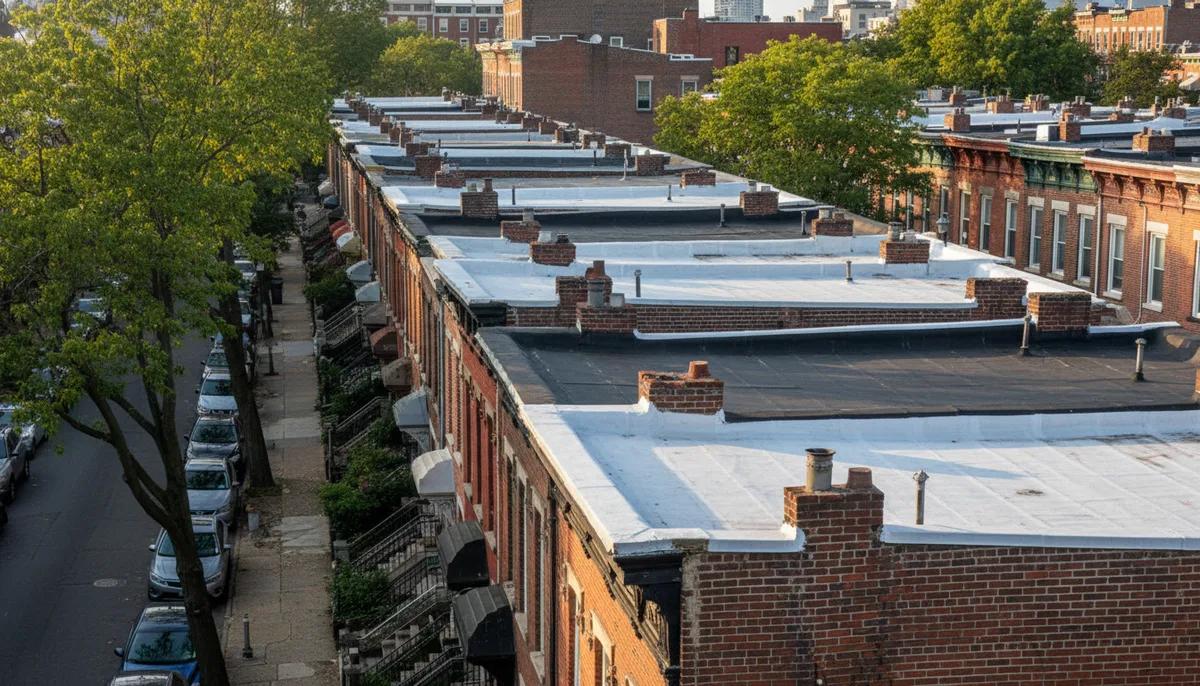
Aerial view of Philadelphia rowhouse rooftops in South Philadelphia showing flat rubber and white TPO membrane roofs on densely packed brick homes
Understanding Flat Roofs in Philadelphia: Why Membrane Choice Matters

2

What Is TPO Roofing and How Does It Perform in Philadelphia's Climate?

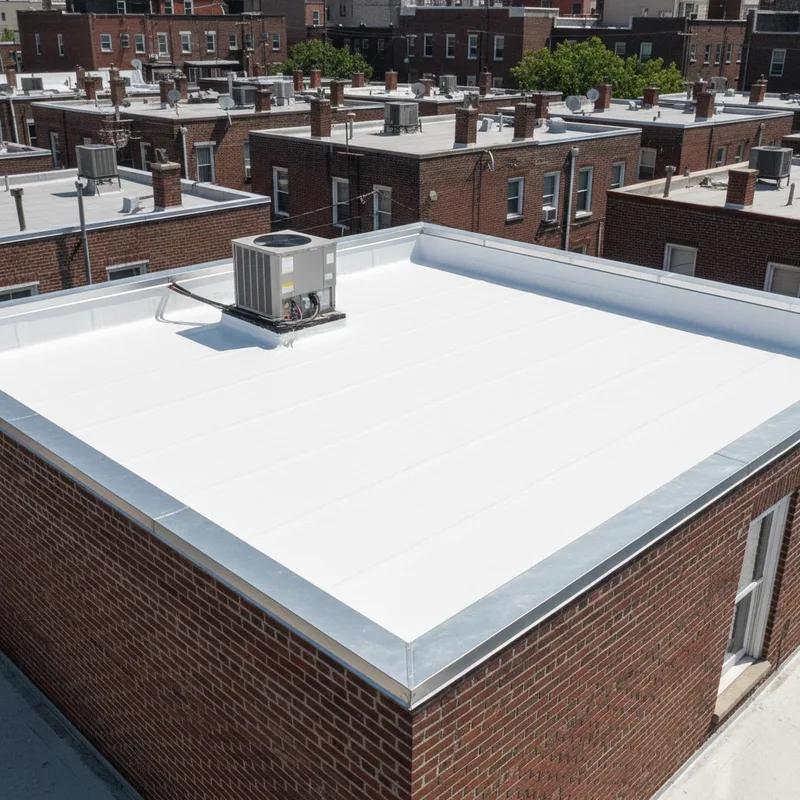
TPO, or Thermoplastic Polyolefin, is a single-ply roofing membrane that has grown rapidly in popularity over the past two decades. It's manufactured as a flexible sheet — typically white or light gray — that is heat-welded at the seams to create a continuous, watertight surface. TPO membranes are usually available in thicknesses ranging from 45 mil to 80 mil, with 60 mil being the most common specification for Philadelphia residential and light commercial applications.

One of TPO's biggest selling points in Philadelphia is its reflectivity. The white surface reflects a significant portion of solar radiation, which can meaningfully reduce cooling loads during the city's increasingly hot summers. For property owners interested in Philadelphia's various energy efficiency incentive programs or simply looking to lower utility bills in a building without central air, a TPO roof can make a noticeable difference. This has made TPO especially popular for commercial properties and rooftop additions in neighborhoods like Center City, University City, and the Navy Yard development corridor.

TPO also performs well in Philadelphia's wet seasons. The heat-welded seams — when properly installed — create bonds that are actually stronger than the membrane itself, reducing the risk of seam failures that plague older roofing systems. However, TPO's performance is highly installation-dependent. Improperly welded seams, inadequate fastening, or poor detailing around HVAC equipment and parapet walls (common on older Philly rowhouses) can lead to premature failures.

One legitimate concern with TPO is its track record compared to more established materials. Earlier generations of TPO membranes had documented issues with brittleness and seam failures, though modern formulations have improved substantially. When evaluating TPO bids from Philadelphia contractors, ask specifically about the membrane manufacturer, thickness, and warranty terms — details that vary widely between products and installers.

For flat roofs with significant rooftop equipment, high foot traffic, or complex geometry, TPO's rigidity and weldability make it a practical choice when installed by an experienced crew.

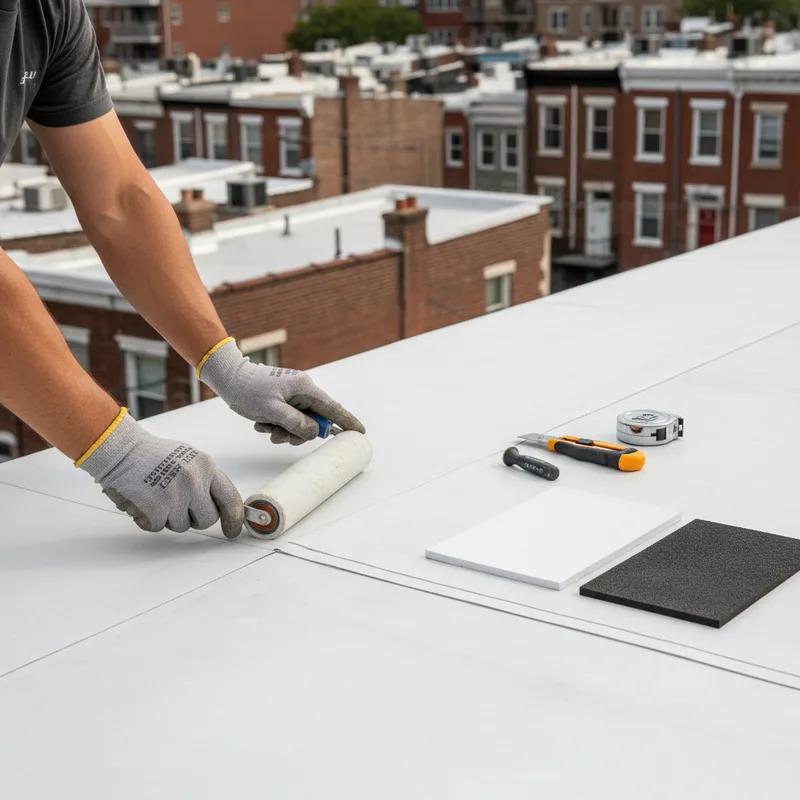
Roofing crew heat-welding white TPO membrane seams on a flat commercial rooftop in Philadelphia with the city skyline visible in the background
What Is TPO Roofing and How Does It Perform in Philadelphia's Climate?

3

What Is EPDM Roofing and Why Is It Still a Top Choice for Philly Rowhouses?

EPDM — Ethylene Propylene Diene Monomer — is a synthetic rubber membrane that has been used on flat roofs across the United States for over 50 years. It's the classic black rubber roof you've likely seen on countless Philadelphia rowhouses, older apartment buildings, and neighborhood commercial properties from Roxborough to Port Richmond. That longevity isn't accidental: EPDM has a well-documented performance history that few competing products can match.

EPDM is available in large sheet sizes that minimize the number of seams on a given roof — a major advantage since seams are always a potential vulnerability. The material is highly flexible, which allows it to accommodate the thermal movement that Philadelphia's freeze-thaw cycles demand. Unlike TPO, EPDM doesn't become brittle in cold temperatures, making it particularly forgiving during harsh winters when contractors may need to make emergency repairs.

Installation methods for EPDM include fully adhered (glued directly to the roof deck), mechanically fastened, and ballasted (held down with river stone). For Philadelphia rowhouses with older plywood or wood plank decks, fully adhered EPDM is often the preferred approach because it conforms well to irregular surfaces and doesn't rely on the deck's fastening capacity as heavily as mechanically attached systems.

The primary aesthetic drawback of EPDM is its black color. While newer white and light-colored EPDM products exist, traditional black EPDM absorbs heat — a disadvantage in summer but a modest benefit in winter. For property owners in Philadelphia's historic districts, including parts of Society Hill, Old City, and Chestnut Hill, the dark, low-profile appearance of EPDM can actually be preferable to bright white TPO when rooftops are visible from adjacent buildings or public spaces.

EPDM seams are typically sealed with adhesive tape or liquid sealant rather than heat welding, which means seam integrity depends heavily on surface preparation and the quality of materials used. When properly installed and maintained, EPDM roofs routinely achieve 25 to 30-year service lives in Philadelphia's climate — a track record that gives many property owners and contractors continued confidence in the material.

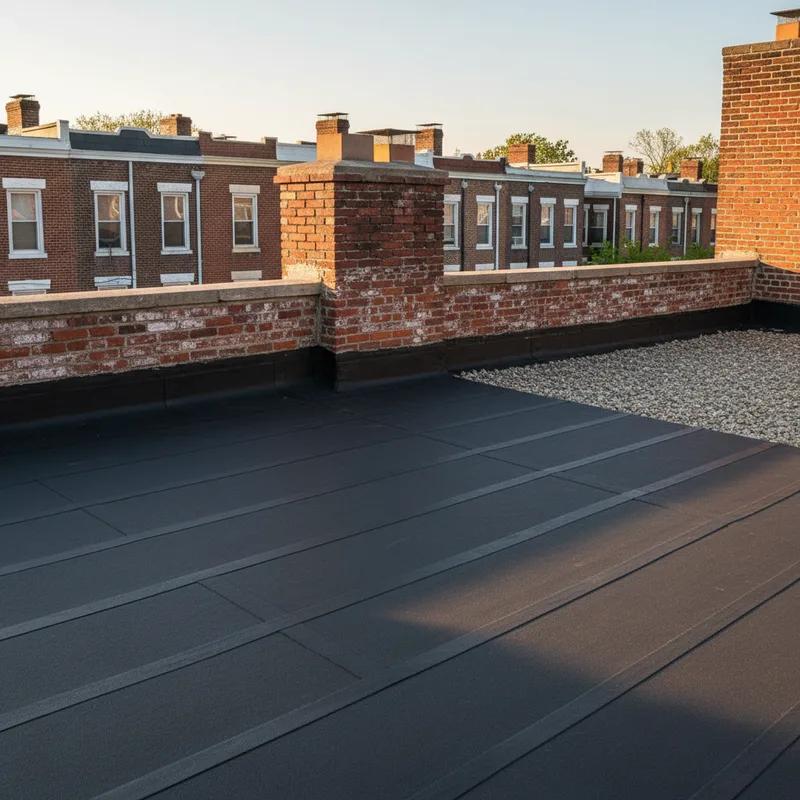
Close-up of black EPDM rubber roofing membrane on a Philadelphia rowhouse flat roof with parapet walls and a rooftop HVAC unit visible
What Is EPDM Roofing and Why Is It Still a Top Choice for Philly Rowhouses?

4

TPO vs EPDM: Cost, Installation, and Contractor Considerations in Philadelphia

Cost is almost always a central factor for Philadelphia property owners, and the TPO vs EPDM decision does involve meaningful price differences — though the gap has narrowed in recent years as material supply chains have stabilized.

As of 2026, installed TPO roofing in Philadelphia typically runs between $7 and $12 per square foot for standard residential and light commercial applications, depending on roof complexity, insulation requirements, and contractor overhead. EPDM installations generally fall in the $6 to $10 per square foot range for comparable projects. On a typical Philadelphia rowhouse with a 600 to 800 square foot flat roof, that translates to a total project cost difference of roughly $600 to $1,600 — significant but not always the deciding factor when you weigh lifespan and energy performance.

Note that these figures can shift based on factors specific to your property: parapet wall height and condition, the presence of rooftop equipment, whether a tear-off of existing material is required, and current material costs influenced by supply chain conditions. Always get at least three itemized quotes from licensed Philadelphia roofing contractors before committing.

Philadelphia's Department of Licenses and Inspections requires permits for roof replacements that involve structural work or changes to the roof system. While a straight membrane replacement on an existing flat roof may not always trigger a full permit, any work involving new insulation, deck replacement, or drainage modifications typically does. Confirm permit requirements with L&I or your contractor before work begins — unpermitted work can create complications when selling your property or filing insurance claims.

When hiring a contractor, verify that they hold a valid Home Improvement Contractor (HIC) license with the Pennsylvania Attorney General's office, carry general liability and workers' compensation insurance, and have documented experience with the specific membrane system they're proposing. Ask for local references from Philadelphia neighborhoods similar to yours. TPO installation in particular requires specialized hot-air welding equipment and training — not every roofer who offers it has the experience to do it correctly.

Philadelphia roofing contractor reviewing a flat roof replacement estimate with a homeowner on a rowhouse rooftop in West Philadelphia
TPO vs EPDM: Cost, Installation, and Contractor Considerations in Philadelphia

5

Energy Efficiency, Sustainability, and Philadelphia's Cool Roof Incentives

Energy performance is an increasingly important part of the TPO vs EPDM conversation, especially as Philadelphia continues to experience hotter summers and as utility costs remain a concern for homeowners and commercial property managers alike.

TPO's white reflective surface gives it a clear advantage in the energy efficiency category. Cool roofs — those with high solar reflectance and thermal emittance — can reduce rooftop surface temperatures dramatically compared to dark membranes, which translates to lower cooling costs and reduced urban heat island effect. Philadelphia has recognized this through various sustainability initiatives, and reflective roofing is encouraged under the City's Green Building requirements for certain commercial projects.

The Philadelphia Water Department's Green City, Clean Waters program and related stormwater management initiatives also intersect with flat roofing decisions. If you're considering a green roof system (a vegetative roof layer installed over a waterproof membrane), EPDM is frequently the preferred base membrane because of its compatibility with root-resistant formulations and its long track record in green roof assemblies. Philadelphia offers stormwater billing credits for qualifying green infrastructure, which can offset installation costs over time — worth exploring if you own a larger commercial or multifamily property.

For standard residential rowhouses, the practical energy difference between a well-installed white TPO and a black EPDM roof will vary based on insulation levels beneath the membrane. A roof with proper continuous insulation — increasingly required under updated energy codes — will perform well regardless of membrane color. If your primary goal is energy savings, focus as much on insulation R-value as on membrane color.

Philadelphia homeowners should also be aware of potential financing options through programs like the Pennsylvania Housing Finance Agency (PHFA) and various utility rebate programs that may apply to energy-efficient roofing upgrades. Eligibility requirements and available funding change periodically, so check current offerings directly with PHFA and PECO before planning your project.

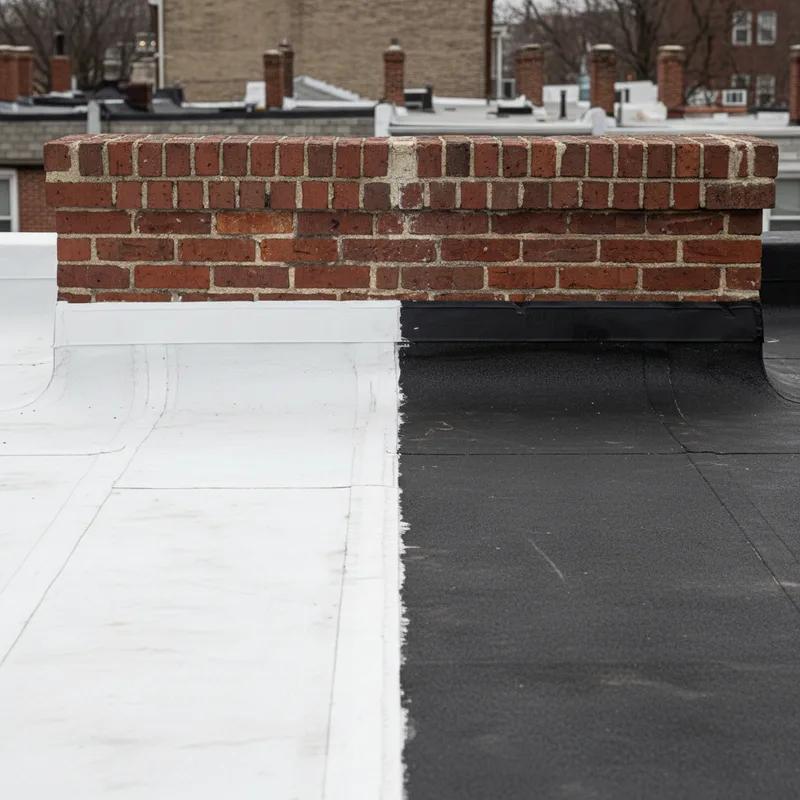
Side-by-side comparison of a white TPO roof and a black EPDM roof on adjacent Philadelphia commercial buildings showing the visual contrast in solar reflectance
Energy Efficiency, Sustainability, and Philadelphia's Cool Roof Incentives

6

Making the Final Decision: Which Membrane Is Right for Your Philadelphia Property?

After weighing material properties, costs, installation requirements, and energy performance, the right answer for most Philadelphia property owners comes down to a few key factors specific to their building and goals.

Choose TPO if: You own a commercial property or larger multifamily building where energy efficiency and cool roof performance are priorities. Your building has a relatively simple, open rooftop with minimal penetrations. You want the longest available manufacturer warranties (some TPO products carry 20-year or longer warranties when installed by certified contractors). You're in a neighborhood where rooftop aesthetics matter and a clean white surface is acceptable or preferred.

Choose EPDM if: You own a Philadelphia rowhouse or older residential property with a complex roofline, multiple penetrations, or an aging wood deck. You want a material with a 50-plus-year performance history and a well-understood repair process. Your budget is tighter and you want a proven, lower-maintenance option. You're planning a green roof assembly or your property is in a historic district where dark, low-profile roofing is more appropriate.

In practice, many experienced Philadelphia roofing contractors will recommend EPDM for residential rowhouses and TPO for commercial or larger flat-roof applications — and that general guidance reflects real-world performance patterns in the city. But there are excellent reasons to go either direction depending on your specific situation.

Regardless of which membrane you choose, the quality of installation matters more than the material itself. A well-installed EPDM roof will outlast a poorly installed TPO roof every time. Invest the time to find a licensed, experienced, and locally reputable contractor, get multiple detailed bids, and don't let price alone drive your decision.

Philly Roof Find connects Philadelphia property owners with vetted local roofing contractors who specialize in flat roof systems. Use our directory to find professionals familiar with your neighborhood's specific building stock, permitting requirements, and weather challenges — and get the flat roof your property deserves.

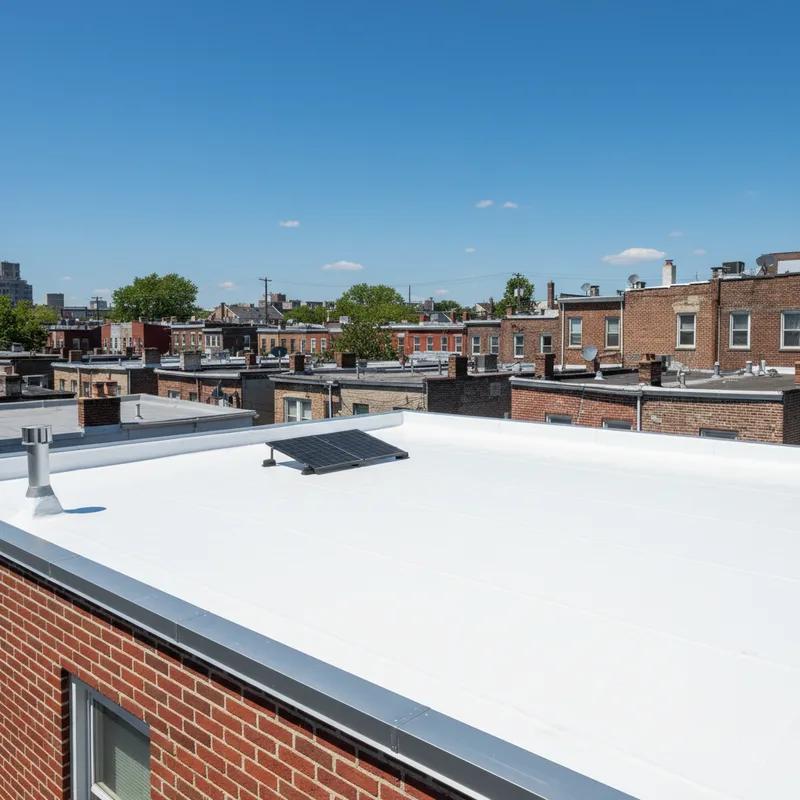
Philadelphia homeowner inspecting a newly completed flat roof membrane installation on their rowhouse with a roofing contractor pointing out key details of the finished system
Making the Final Decision: Which Membrane Is Right for Your Philadelphia Property?

Frequently Asked Questions

How long does a TPO or EPDM roof last in Philadelphia?

A properly installed EPDM roof typically lasts 25 to 30 years in Philadelphia's climate, with well-maintained systems sometimes exceeding that range. Modern TPO roofs generally carry manufacturer warranties of 15 to 25 years, with real-world performance depending heavily on installation quality and membrane thickness. Both materials are subject to Philadelphia's freeze-thaw cycles, so regular inspections and prompt repairs are essential to reaching their full lifespan.

Do I need a permit to replace a flat roof in Philadelphia?

Permit requirements in Philadelphia depend on the scope of work. A straight like-for-like membrane replacement on a residential rowhouse may not always require a permit, but any work involving structural repairs, new insulation, deck replacement, or drainage changes typically does require a permit from the Department of Licenses and Inspections (L&I). Always confirm with L&I or your licensed contractor before work begins, as unpermitted work can create issues with property sales and insurance claims.

Is TPO or EPDM better for a Philadelphia rowhouse?

For most Philadelphia rowhouses, EPDM is the more commonly recommended option due to its flexibility in cold weather, compatibility with older wood roof decks, simpler repair process, and long performance history. TPO can also work well on rowhouses, particularly when energy efficiency is a priority, but its installation is more technique-sensitive. Consult with a licensed Philadelphia roofing contractor who has specific experience with rowhouse flat roofs to get a recommendation tailored to your property.

Can I install a TPO or EPDM roof over my existing flat roof?

In some cases, yes — a new membrane can be installed over an existing flat roof if the existing deck is structurally sound and dry, and local codes permit it. However, Philadelphia roofing professionals generally recommend a full tear-off when the existing membrane shows significant deterioration, when there is trapped moisture in the insulation, or when the roof has already been recovered once before. A proper assessment by a qualified contractor will determine whether a recover or full replacement is appropriate.

What is the average cost to replace a flat roof on a Philadelphia rowhouse?

As of 2026, replacing a flat roof on a typical Philadelphia rowhouse (approximately 600 to 800 square feet) generally costs between $4,500 and $9,500 depending on the membrane chosen, insulation requirements, tear-off needs, and contractor pricing. EPDM installations tend to fall toward the lower end of that range, while TPO with upgraded insulation may approach the higher end. Always obtain at least three itemized quotes from licensed Philadelphia contractors to understand the full scope and cost of your specific project.

James Callahan
Founder & Editor, Philly Roof Find

James founded Philly Roof Find to give Philadelphia homeowners a transparent, independent resource for evaluating roofing contractors. With a background in building trades and a focus on local construction practices, he writes practical guides grounded in Philadelphia-specific building codes, materials, and contractor standards.