Guide to Spring Roof Cleaning for Philadelphia Homes

Discover effective roof cleaning tips for Philadelphia homes, ensuring a well-maintained and durable roof this spring.

Guide to Spring Roof Cleaning for Philadelphia Homes - Philadelphia roofing guide

Prepare your Philadelphia home for spring with our comprehensive roof cleaning guide.

James Callahan
Published March 4, 2026·Updated March 4, 2026
1

Understanding Philadelphia's Spring Weather and Its Impact on Roofs

Philadelphia's spring season brings a mix of rain, sun, and occasional storms, which can significantly impact your roof's condition. As temperatures rise and snow melts, moisture becomes a primary concern for homeowners. Understanding local weather patterns is crucial for effective roof maintenance. In neighborhoods like Center City and Chestnut Hill, row homes and older structures may have unique vulnerabilities, such as flat roofs and intricate drainage systems. Ensuring these systems are clear of debris after winter can prevent water accumulation and potential leaks. To prepare for the upcoming spring rains, homeowners should prioritize checking for clogged gutters and downspouts, which are common culprits of water damage.
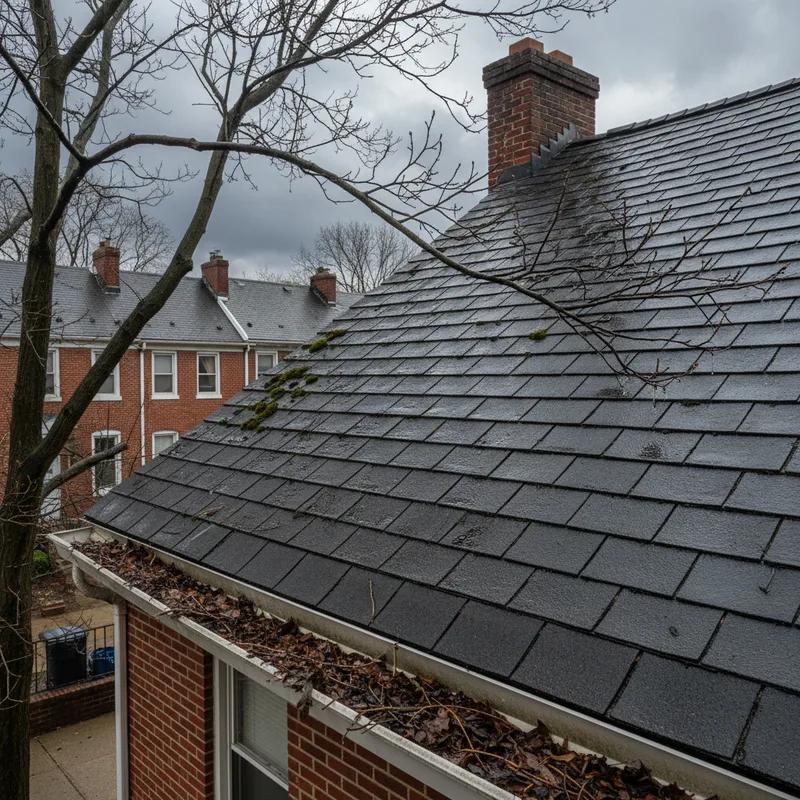
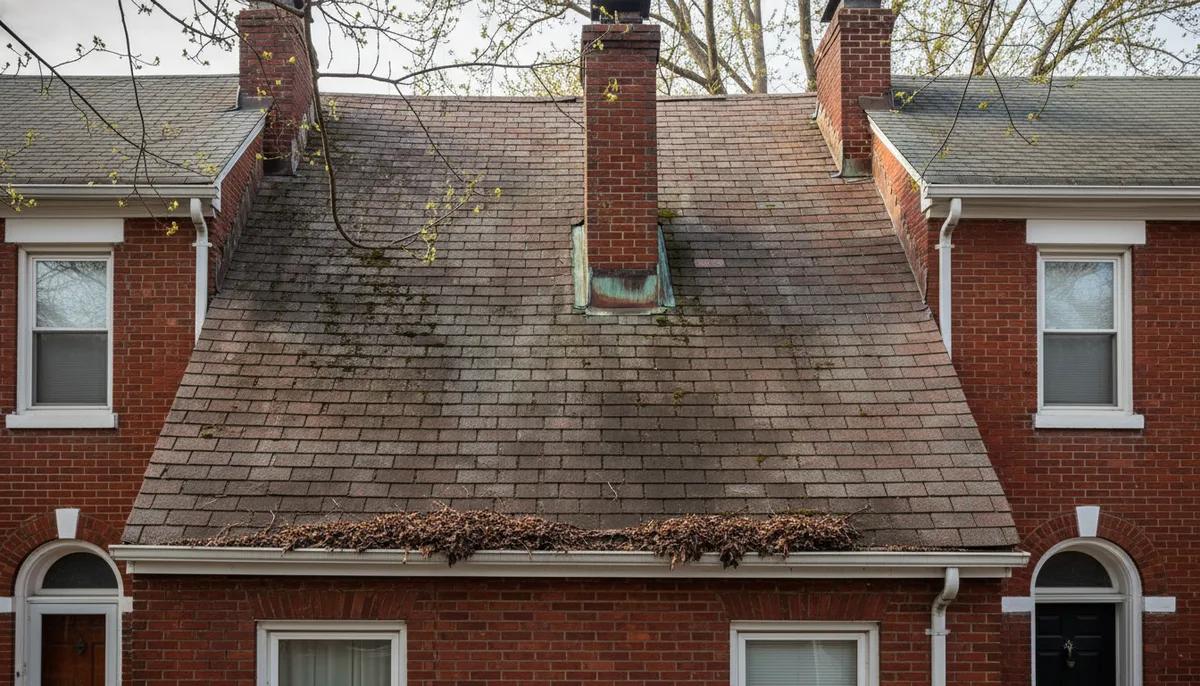
A typical Philadelphia row home roof with visible debris and gutters in need of cleaning, set against a cloudy spring sky.
Understanding Philadelphia's Spring Weather and Its Impact on Roofs

2

Essential Tools and Safety Measures for Roof Cleaning

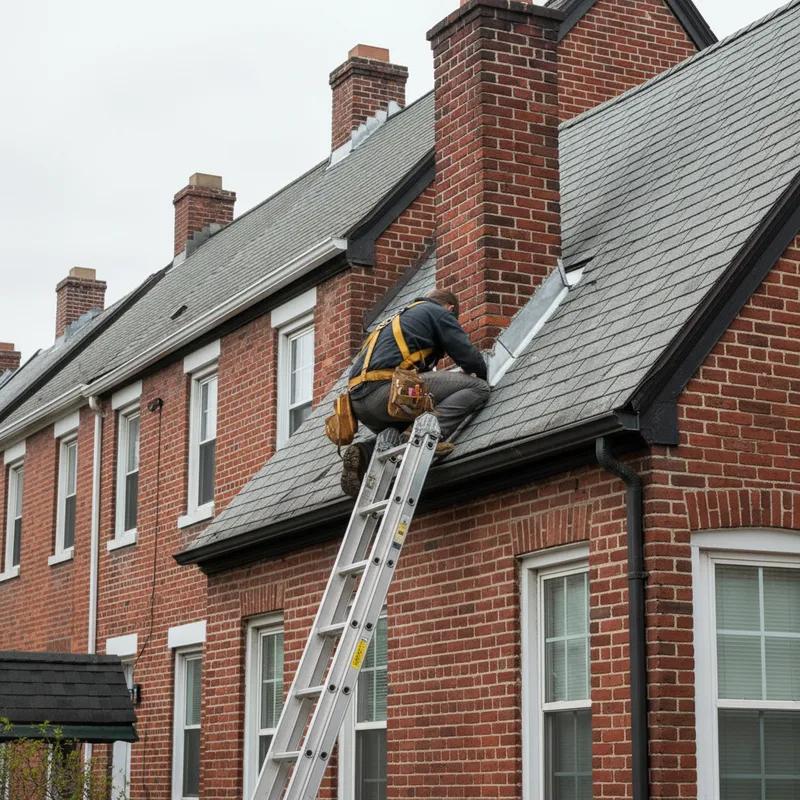
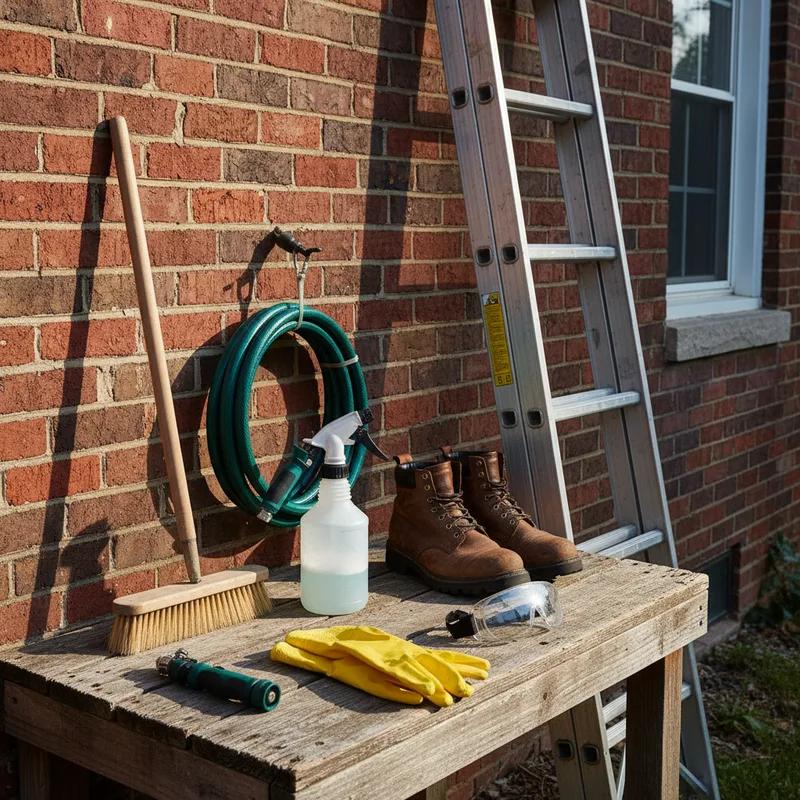
Before embarking on your spring roof cleaning, gather the essential tools: a sturdy ladder, non-slip shoes, gloves, a hose, and a soft-bristle brush. Safety is paramount, especially for Philadelphia's historic row homes with steep or flat roofs. Always ensure your ladder is secure and positioned on a stable surface. Consider using a harness for added safety on pitched roofs. If your roof is accessible, inspect it for signs of wear, such as missing shingles or damaged flashing. For those living in areas like Fishtown or South Philly, where roofs can be challenging to access, hiring a professional roofing contractor might be the safest option. Remember, Philadelphia building codes require that any significant roofing work be performed by a licensed contractor.

A homeowner wearing safety gear, standing on a ladder while inspecting a Philadelphia row home roof with cleaning tools in hand.
Essential Tools and Safety Measures for Roof Cleaning

3

Step-by-Step Roof Cleaning Process

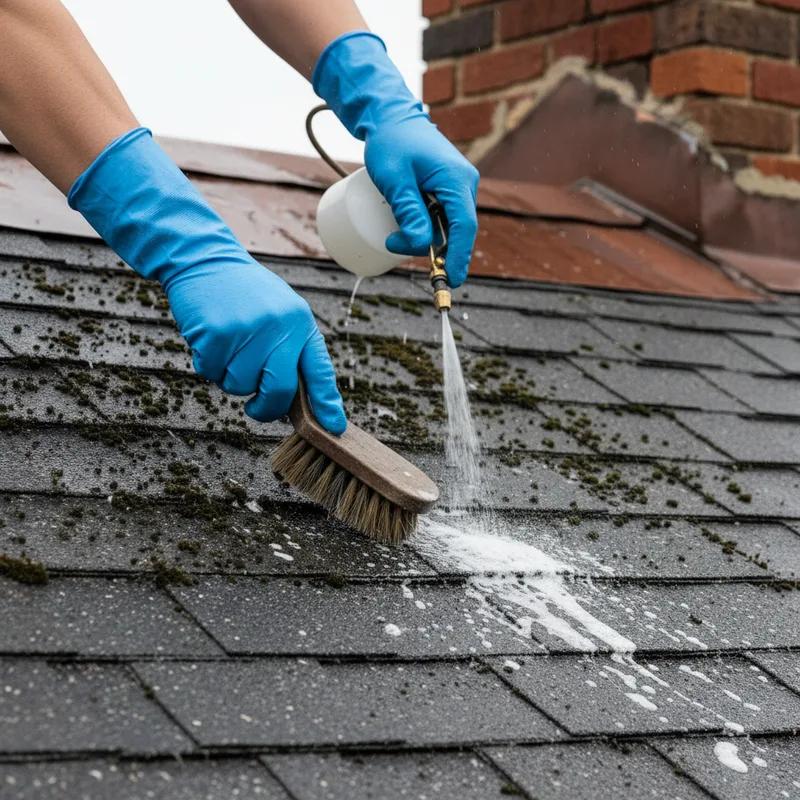
Start your roof cleaning by removing loose debris, such as leaves and branches, using a soft-bristle brush. Be cautious not to damage shingles or roofing material. Next, clean your gutters and downspouts to ensure proper drainage. Philadelphia's trees can deposit a significant amount of debris, especially in areas like Fairmount Park. Use a garden hose to flush out any remaining dirt and check for leaks or blockages. For stubborn stains or moss, a gentle roof cleaner can be applied. It's important to avoid pressure washing, which can damage roofing materials. For those with solar panels or green roofs, special care should be taken to clean these areas without using harsh chemicals.

A homeowner carefully cleaning debris from a roof and gutters on a sunny Philadelphia day, surrounded by spring foliage.
Step-by-Step Roof Cleaning Process

4

Identifying and Addressing Roof Damage

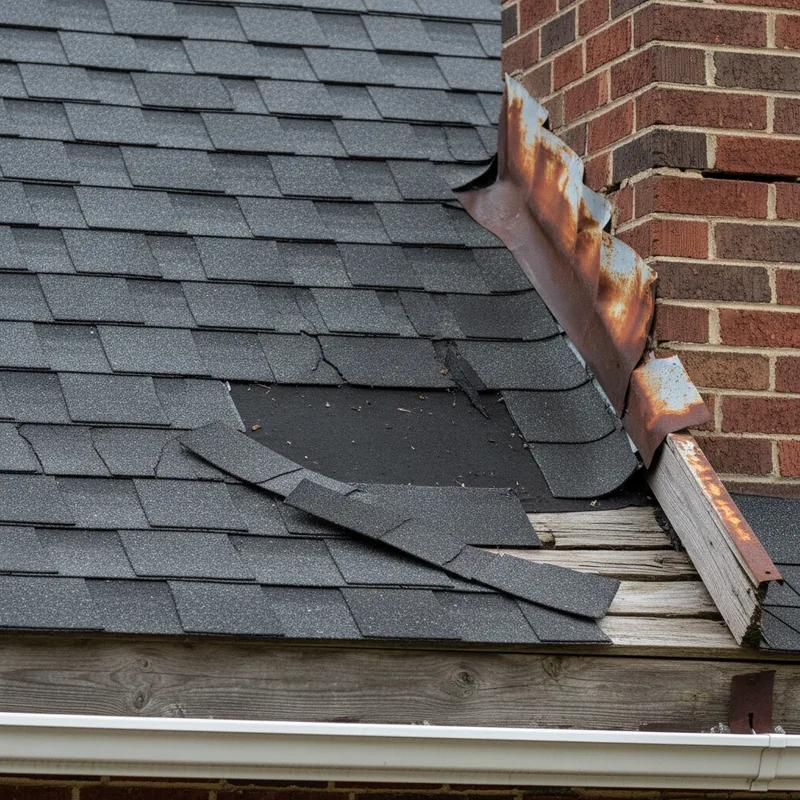
While cleaning, it's crucial to inspect for any signs of damage. Look for cracked, curled, or missing shingles, especially if you've experienced harsh winter conditions. Philadelphia's older homes, particularly in neighborhoods like Germantown and Old City, may have unique roofing materials that require special attention. If you notice any significant damage, it's advisable to contact a professional roofing contractor familiar with local building codes and materials. Addressing minor issues in spring can prevent costly repairs down the line. Utilize resources like the Philadelphia Department of Licenses & Inspections to verify contractor credentials and ensure all repairs comply with city regulations.

Close-up of a Philadelphia roof with visible shingle damage and a contractor assessing the necessary repairs.
Identifying and Addressing Roof Damage

5

Hiring a Professional Philadelphia Roofing Contractor

For many homeowners, hiring a professional is the best way to ensure a thorough and safe roof cleaning. Philadelphia's unique architecture and weather conditions necessitate specialized knowledge. When searching for a contractor, check for local reviews and ensure they are licensed and insured. Websites like Philly Roof Find can connect you with reputable contractors in your area. It's wise to obtain multiple quotes and ask for references from recent projects. Consider contractors experienced with Philadelphia's historic homes, as they will understand the nuances of different roofing materials and styles.

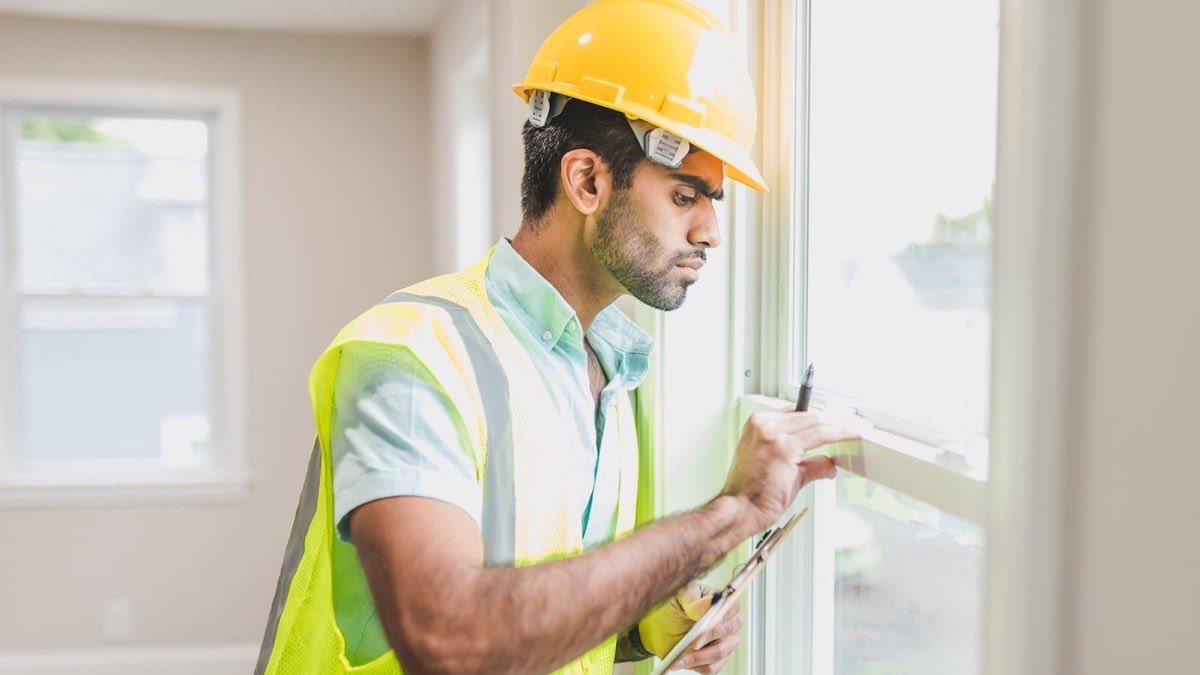
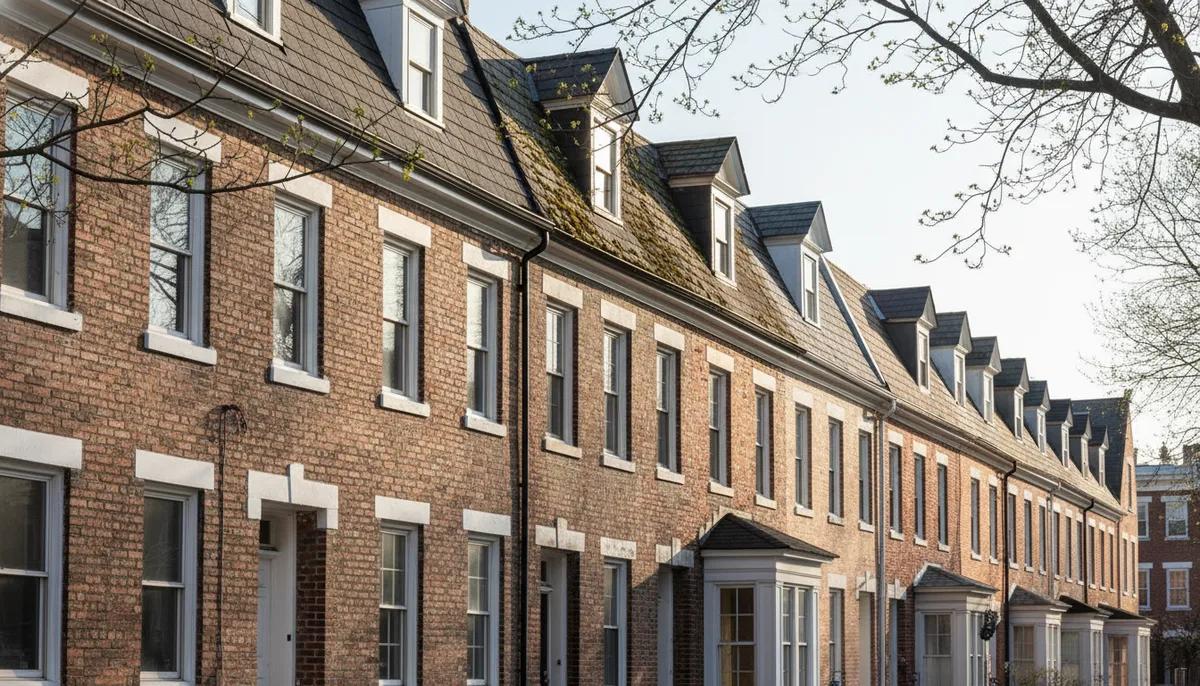
A professional roofing contractor with equipment, assessing a Philadelphia roof with a historic architectural style.
Hiring a Professional Philadelphia Roofing Contractor

6

Sustainable and Eco-Friendly Roof Cleaning Options

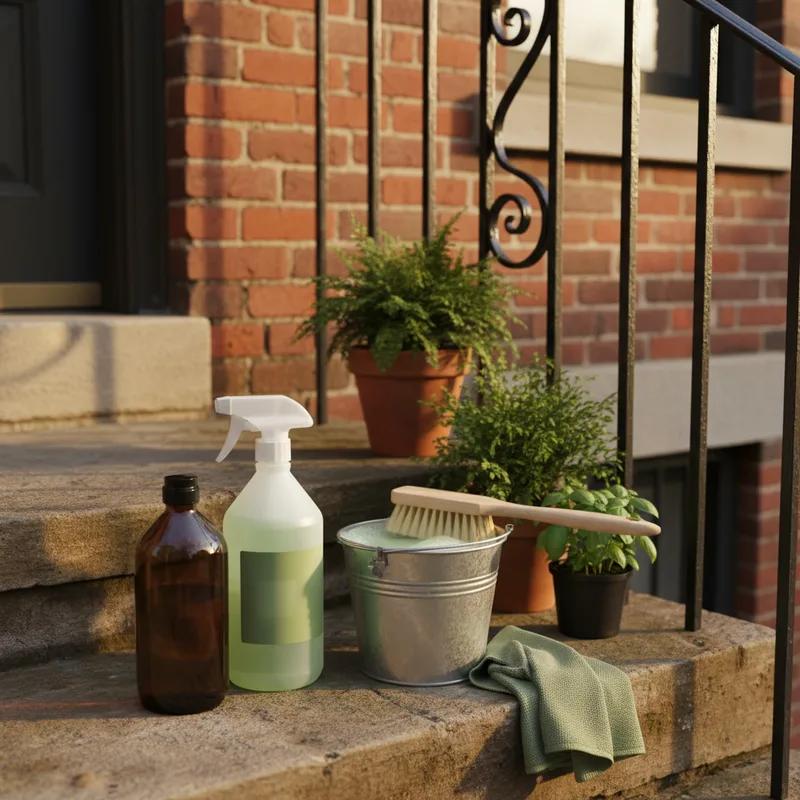
As environmental awareness grows, many Philadelphia homeowners are turning to eco-friendly roof cleaning solutions. Consider using biodegradable cleaners that are gentle on your roof and the environment. For those with green roofs or living in eco-conscious areas like University City, maintaining sustainability is a priority. Avoid harsh chemicals that can harm local vegetation or wildlife. Additionally, explore options for water conservation, such as using collected rainwater for rinsing. Implementing sustainable practices not only benefits the environment but can also extend the life of your roof by reducing chemical exposure.

Eco-friendly cleaning products and rainwater collection barrels used for sustainable roof maintenance in a Philadelphia neighborhood.
Sustainable and Eco-Friendly Roof Cleaning Options

Frequently Asked Questions

How often should I clean my roof in Philadelphia?

It's recommended to clean your roof at least once a year, ideally during spring, to address winter debris and prepare for spring rains. Depending on your location and tree coverage, more frequent cleanings may be necessary.

Can I clean my roof myself, or should I hire a professional?

While you can clean your roof yourself if you have the right tools and safety gear, hiring a professional is advisable for difficult-to-access roofs or if you're unsure about handling potential damage.

What are the signs of roof damage I should look for?

Key signs include missing or cracked shingles, sagging areas, water spots on ceilings, and clogged gutters. Addressing these issues early can prevent more extensive damage.

James Callahan
Founder & Editor, Philly Roof Find

James founded Philly Roof Find to give Philadelphia homeowners a transparent, independent resource for evaluating roofing contractors. With a background in building trades and a focus on local construction practices, he writes practical guides grounded in Philadelphia-specific building codes, materials, and contractor standards.