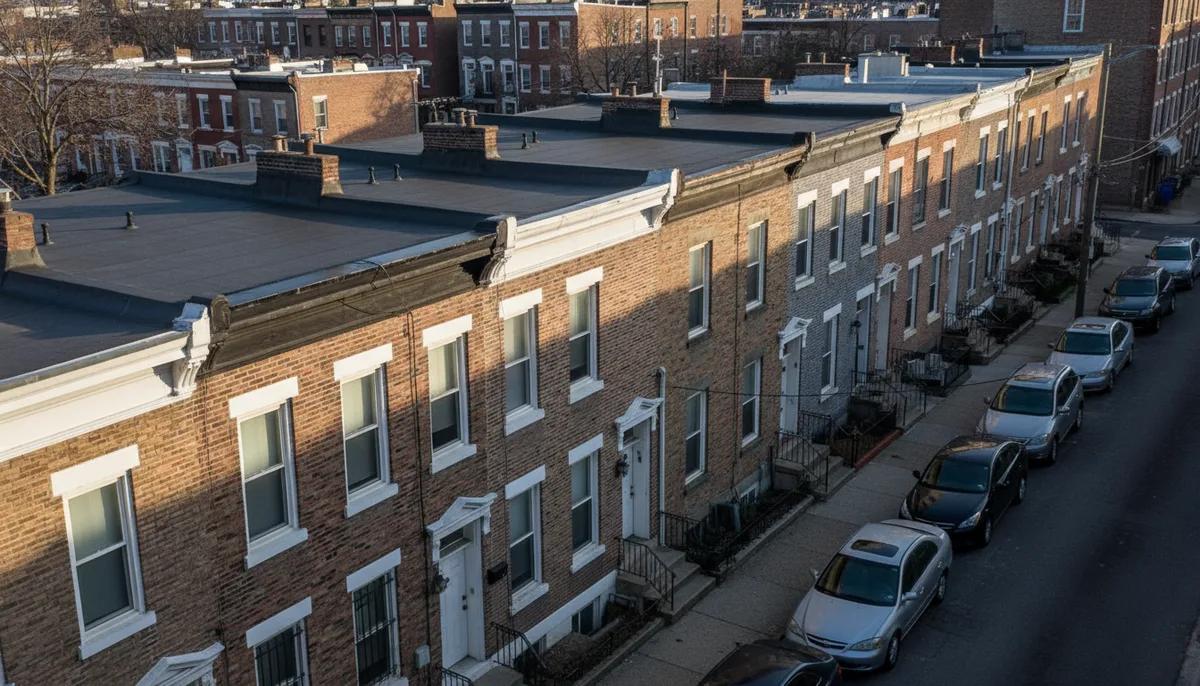
Why Philadelphia Row Homes Are Built for EPDM Rubber Roofing
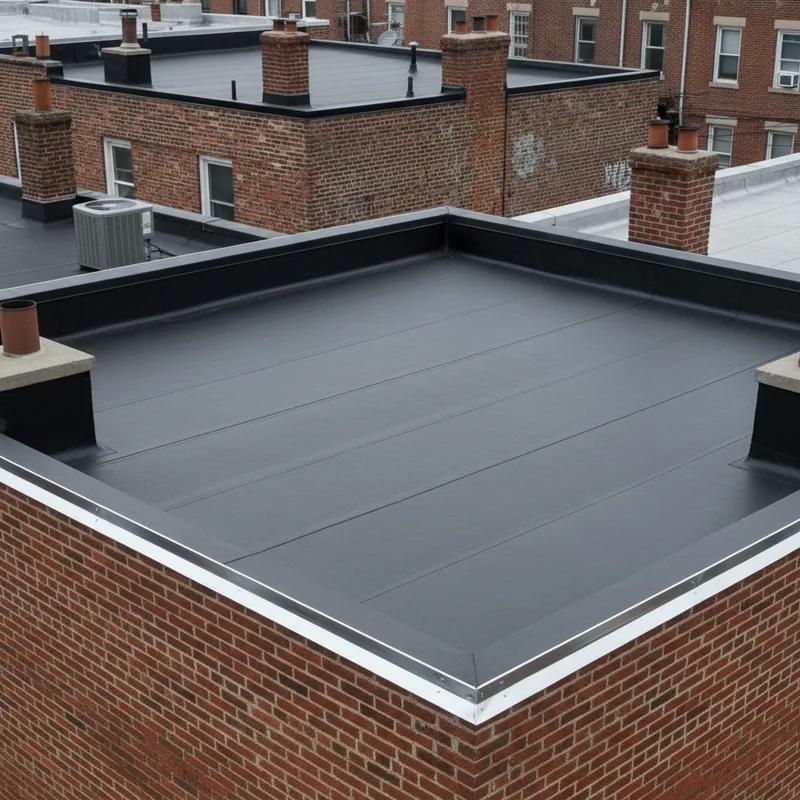
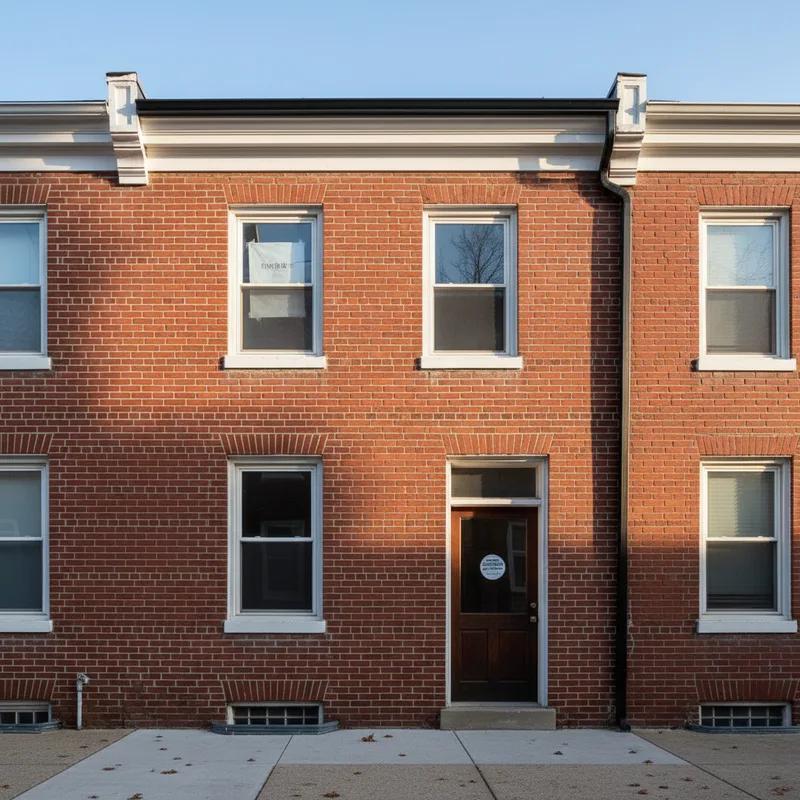
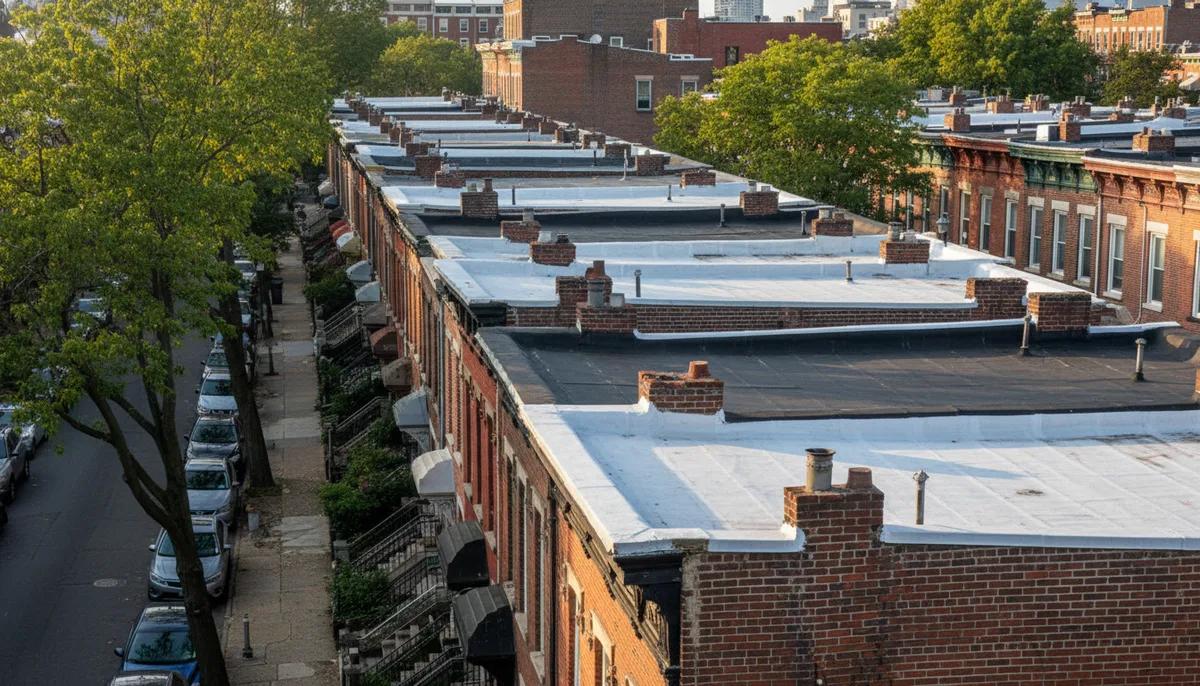
Walk down almost any block in South Philadelphia, Kensington, Point Breeze, or West Philly, and you'll notice something the suburbs don't have: a sea of flat rooftops stretching as far as the eye can see. Philadelphia's iconic row home architecture — largely built between the late 1800s and mid-20th century — almost universally features low-slope or completely flat roofs. That design quirk is exactly why EPDM (Ethylene Propylene Diene Monomer) rubber roofing has become the dominant material choice for homeowners across the city.
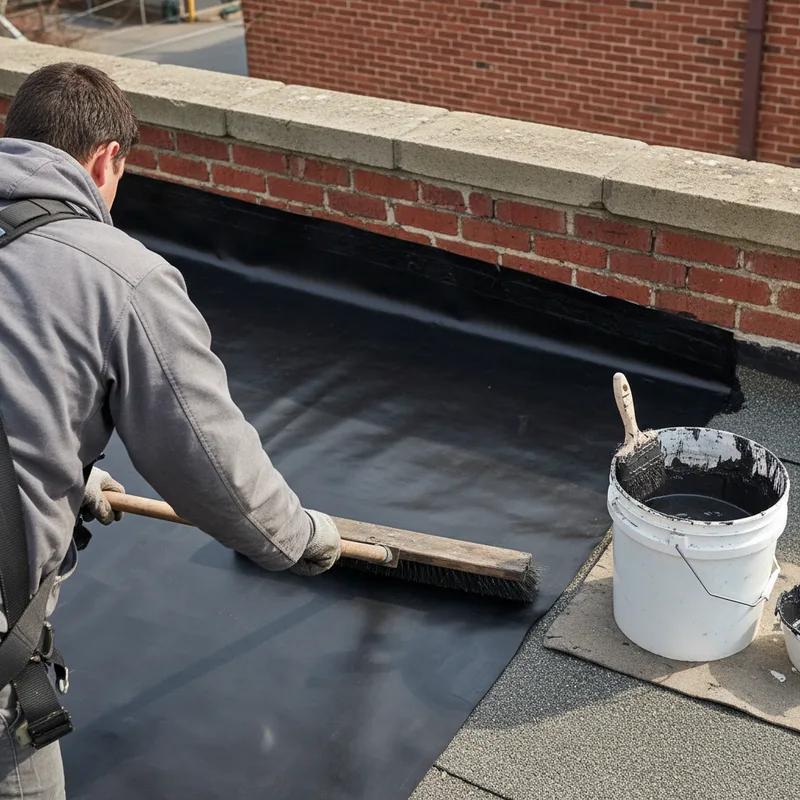
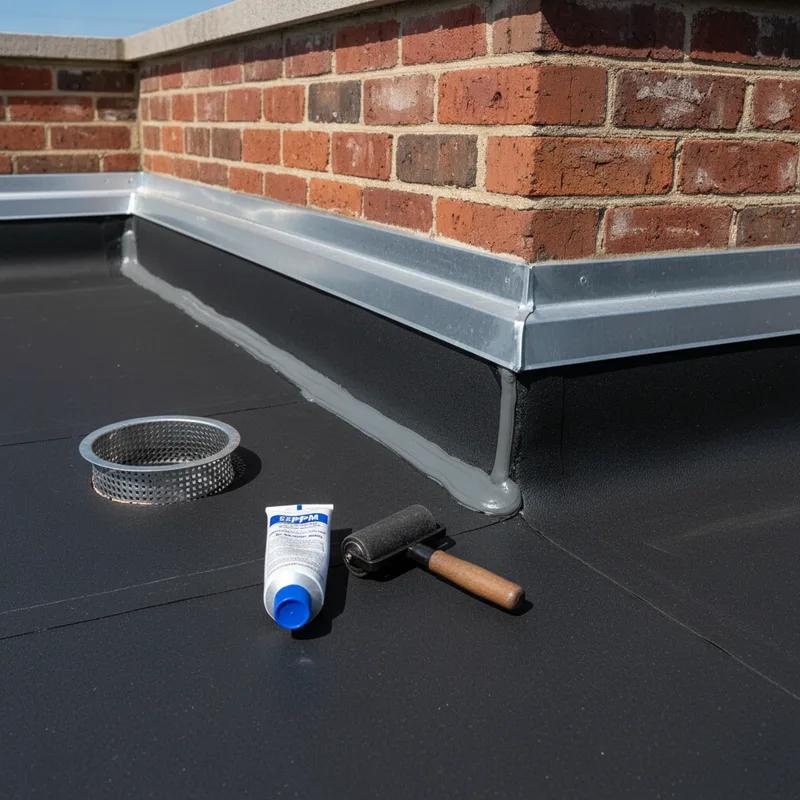
Unlike pitched roofs that can shed water through gravity alone, flat roofs require a membrane system that creates a watertight seal across the entire surface. EPDM excels at this job. It's a synthetic rubber material that comes in large, flexible sheets — typically 45 or 60 mils thick — that can be rolled out across a flat deck and adhered or mechanically fastened into place. The result is a seamless or near-seamless surface with very few points of vulnerability.
Philadelphia's rowhome stock also presents a practical challenge: most of these properties share party walls, meaning contractors have limited access and can't use heavy equipment. EPDM's lightweight nature and roll-based installation make it well-suited to the tight working conditions common in neighborhoods like Passyunk Square, Brewerytown, and Germantown.
The city's building density also means that when one row home roof fails, neighboring properties are at risk of water intrusion. EPDM's proven track record — it's been used commercially and residentially for over five decades — gives Philadelphia homeowners and their neighbors peace of mind. For a city with roughly 60,000 or more flat-roof row homes, EPDM isn't just popular; it's practically the standard.