Roof Replacement Costs in Philadelphia: What Homeowners Pay

Find out what Philadelphia homeowners pay for roof replacement in 2026, including cost factors, material options, and tips to avoid overpaying.

Roof Replacement Costs in Philadelphia: What Homeowners Pay - Philadelphia roofing guide

Roof replacement in Philadelphia costs more than the national average due to the city's unique housing stock, strict permitting requirements, and variable weather.

James Callahan
Published May 3, 2026·Updated May 3, 2026
1

Average Roof Replacement Costs in Philadelphia in 2026

Philadelphia homeowners typically pay between $8,500 and $22,000 for a full roof replacement in 2026, with the average falling around $12,000 to $15,000 for a standard asphalt shingle roof on a detached single-family home. That range is broader than many homeowners expect, and for good reason — Philadelphia's housing stock is extraordinarily diverse, from narrow two-story row homes in Fishtown to sprawling Victorian-era houses in West Mount Airy.

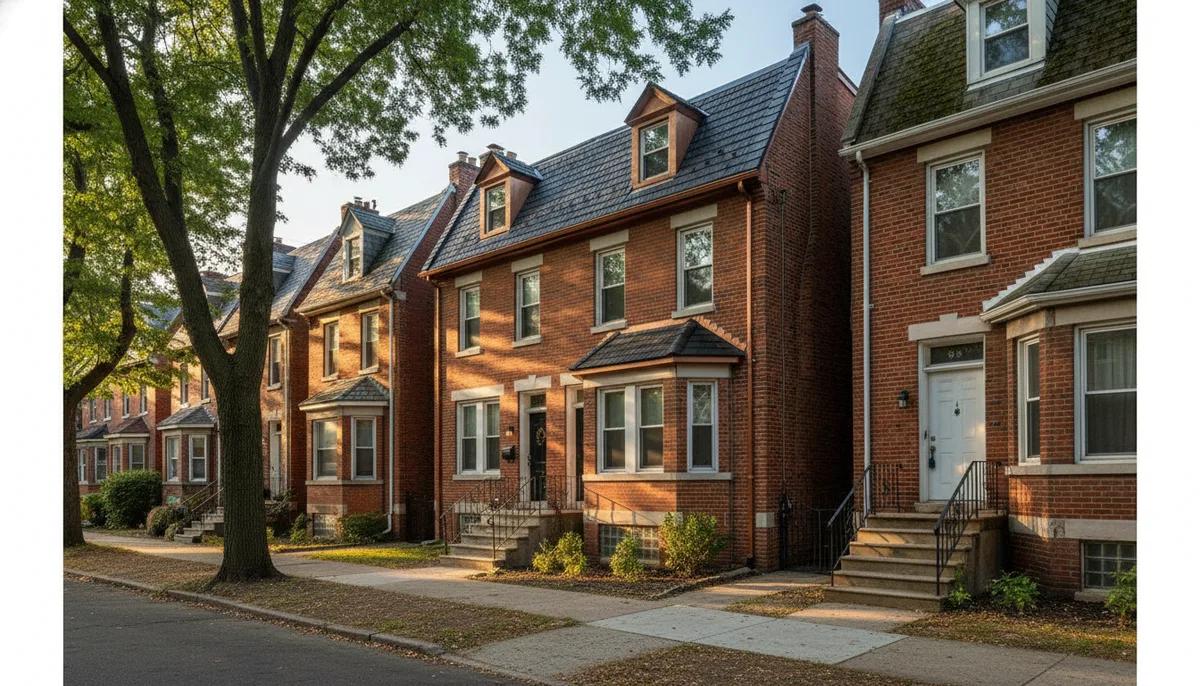
For the city's iconic row homes, which make up the majority of Philadelphia's residential properties, costs tend to run on the lower end of the spectrum. A typical row home roof spans just 800 to 1,200 square feet, so material and labor costs are naturally compressed. Homeowners in these properties often pay $6,500 to $11,000 for a basic asphalt shingle replacement.

Detached homes in neighborhoods like Northeast Philadelphia, Roxborough, or Chestnut Hill tell a different story. Larger footprints, steeper pitches, and more complex rooflines push costs toward the higher end. A 2,000-square-foot roof with multiple valleys, dormers, or skylights can easily exceed $18,000.

Flat roofs — extremely common on Philadelphia row homes and older twin homes — are priced differently. EPDM rubber roofing typically runs $5,000 to $9,000, while TPO membrane systems average $6,000 to $11,000 depending on roof size and accessibility.

It's also worth noting that material costs have been influenced by supply chain pressures and tariff adjustments in recent years, so getting multiple quotes in 2026 is more important than ever. Prices can vary by 20 to 30 percent between contractors for the same scope of work, making comparison shopping a critical step before signing any contract.
Philadelphia roofing contractor standing on a completed asphalt shingle roof replacement on a row home in South Philadelphia with city skyline visible in the background
Average Roof Replacement Costs in Philadelphia in 2026

2

Key Factors That Drive Up (or Down) Your Roofing Bill

No two roofs in Philadelphia are priced the same, and understanding the variables that affect your quote can help you evaluate bids more accurately and avoid being overcharged.

Roof size and pitch are the most straightforward cost drivers. Roofers measure by the "square" — 100 square feet of roof surface. A steeper pitch requires more safety equipment and slower work, adding $1,000 to $3,000 to the total cost on a typical Philadelphia home.

Material choice has a major impact. Architectural asphalt shingles are the most common and affordable option, averaging $4.50 to $7.50 per square foot installed. Metal roofing runs $10 to $18 per square foot but offers a 40-to-50-year lifespan. Slate, popular in historic neighborhoods like Germantown and Rittenhouse Square, can cost $20 to $40 per square foot installed but may be required by local historic preservation guidelines.

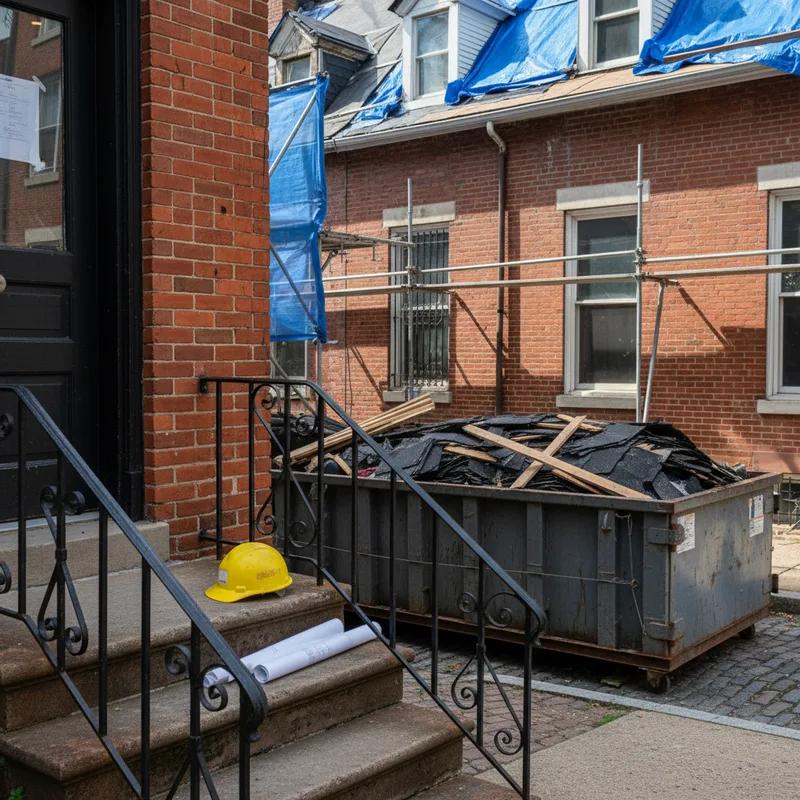
Tear-off and disposal adds $1,000 to $2,500 to most projects. If your home has multiple layers of existing roofing, Philadelphia building code generally requires full tear-off before re-roofing, which increases labor time and dumpster fees.

Accessibility matters more in Philadelphia than in many cities. Tight alleyways between row homes, limited street parking for equipment, and dense urban block configurations can all slow a crew down and increase labor costs. Homes in densely packed neighborhoods like Bella Vista or Point Breeze may carry a modest accessibility surcharge.

Decking repairs are a wildcard. Once old shingles are removed, contractors often find rotted plywood or damaged sheathing underneath. Budget an additional $2 to $4 per square foot for decking replacement if your roof is more than 20 years old.

Finally, permit fees through the Philadelphia Department of Licenses and Inspections (L&I) are required for full roof replacements and typically add $200 to $500 to your project cost.

Close-up view of a roofing contractor measuring the steep pitch of a Victorian-era home roof in the Germantown neighborhood of Philadelphia before providing a replacement estimate
Key Factors That Drive Up (or Down) Your Roofing Bill

3

Philadelphia's Unique Roofing Challenges: Row Homes, Flat Roofs, and Historic Districts

Philadelphia presents roofing challenges you simply won't find in suburban markets, and these challenges directly affect what contractors charge — and what they should charge.

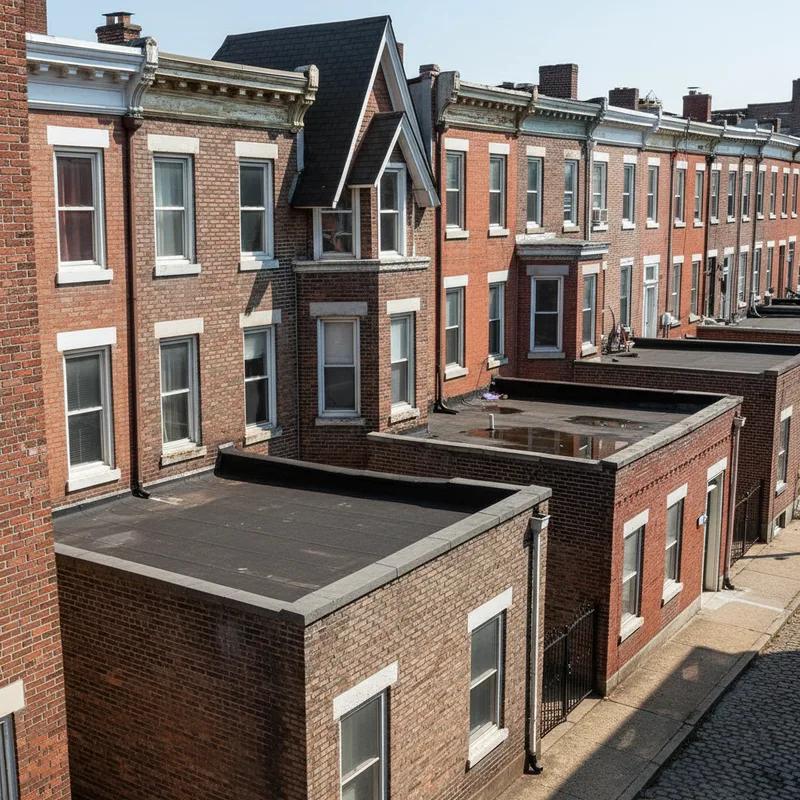
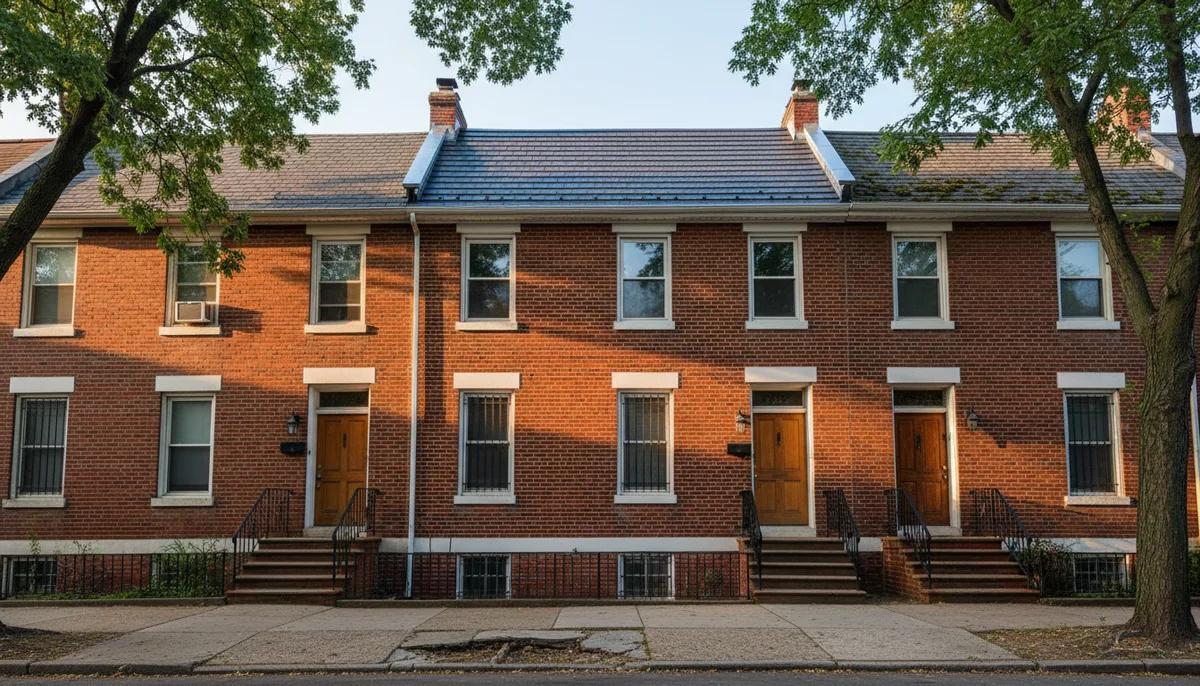
The city's approximately 57,000 row homes are a defining feature of neighborhoods from Kensington to Passyunk Square. Most row homes built before 1960 have flat or low-slope rear roofs — often covering a rear addition or kitchen extension — paired with a sloped front section. This hybrid configuration means many homeowners are essentially replacing two different roof systems at once, which requires different materials, different application methods, and sometimes different subcontractors.

Flat roofs in Philadelphia's climate face specific stresses. The region experiences genuine four-season weather: summer heat pushing 95°F, winter temperatures regularly dipping below 20°F, and significant freeze-thaw cycling that accelerates membrane degradation. EPDM rubber and TPO membranes are both well-suited to this climate, but improper installation — especially around parapet walls, drains, and HVAC penetrations — is the leading cause of premature flat roof failure in the city.

Historic preservation adds another layer of complexity. Philadelphia has over 30 designated historic districts managed through the Philadelphia Historical Commission, including Society Hill, Rittenhouse Square, and portions of Germantown. Homeowners in these areas may be required to use specific materials — natural slate, standing seam metal, or period-appropriate shingles — that cost significantly more than standard options. Always verify your property's historic status before accepting a contractor's material recommendation.

Party walls — the shared walls between attached row homes — also create unique flashing and waterproofing requirements. Improper flashing at party walls is one of the most common sources of water intrusion in Philadelphia row homes, and quality contractors will include thorough flashing work in their bids. If a quote seems unusually low, ask specifically what's included for party wall and chimney flashing.

Aerial drone view of a dense Philadelphia row home block in South Philadelphia showing a mix of flat rear roofs and sloped front roofs in various states of condition
Philadelphia's Unique Roofing Challenges: Row Homes, Flat Roofs, and Historic Districts

5

How to Compare Contractor Quotes and Avoid Overpaying

Getting multiple quotes is the single most effective thing a Philadelphia homeowner can do to avoid overpaying for a roof replacement. Industry guidance consistently recommends obtaining at least three written estimates before making a decision — and in Philadelphia's competitive roofing market, the spread between quotes can be substantial.

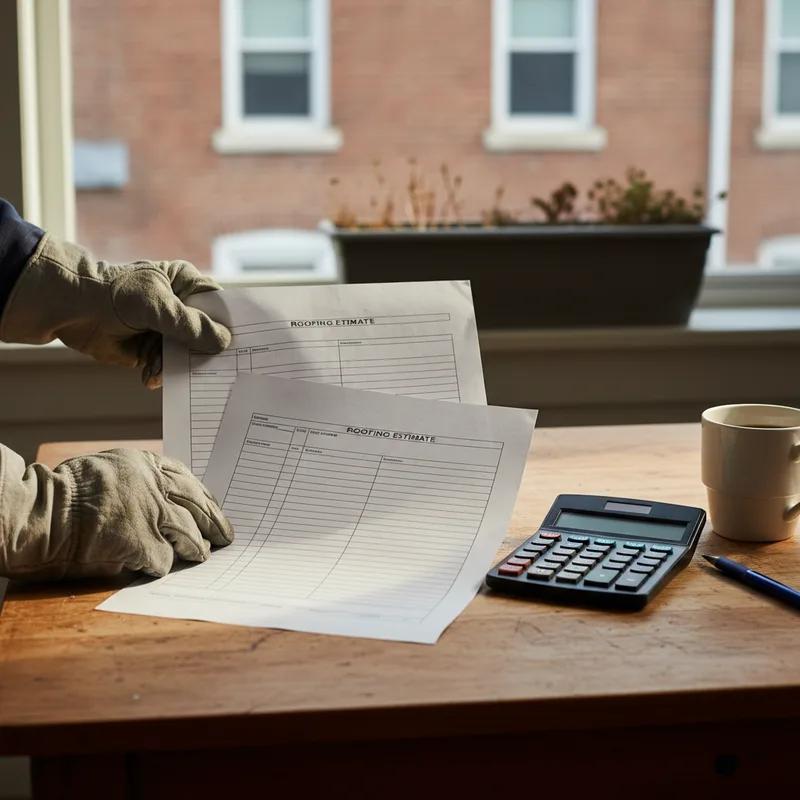
When comparing quotes, don't evaluate price alone. A detailed, itemized estimate should specify the roofing material brand and product line, the number of layers being removed, the type and weight of underlayment, the flashing materials being used, the warranty terms (both manufacturer and workmanship), and the permit and disposal fees. Vague estimates that list only a lump sum are difficult to compare and often hide corners being cut.

Watch out for storm-chaser contractors who appear in Philadelphia neighborhoods after major weather events. These out-of-state or out-of-area companies often offer low prices, collect deposits, and either disappear or deliver substandard work. Always verify that a contractor holds a current Philadelphia business license and carries both general liability insurance and workers' compensation coverage. You can verify contractor registrations through the Pennsylvania Attorney General's Home Improvement Contractor database.

Timing your project can also affect price. The roofing industry in Philadelphia tends to be busiest from late spring through early fall. Scheduling a replacement in late fall or winter — when contractor schedules are lighter — can sometimes yield a 5 to 10 percent discount, though weather windows must be considered carefully.

Finally, understand the difference between a low-ball bid and a competitive one. If one quote is dramatically lower than the others, ask why. Common explanations include thinner underlayment, fewer fasteners, skipping ice-and-water shield at eaves, or planning to lay new shingles over existing ones rather than performing a proper tear-off. Each of these shortcuts creates long-term problems that cost far more to fix later.

Philadelphia homeowner sitting at a kitchen table comparing three printed roofing contractor estimates side by side with a pen and notepad, row home exterior visible through the window
How to Compare Contractor Quotes and Avoid Overpaying

6

Financing Options and Financial Assistance for Philadelphia Homeowners

For many Philadelphia homeowners, a $10,000 to $15,000 roof replacement is a significant financial burden. The good news is that several financing and assistance options are available in 2026 that can make the project more manageable.

The Philadelphia Home Improvement Loan Program, administered through the Philadelphia Redevelopment Authority (PRA), offers low-interest loans to eligible homeowners for essential repairs including roof replacement. Income-qualified residents may also be eligible for grants rather than loans through affiliated programs. Eligibility requirements and funding availability change periodically, so contact the PRA directly for current terms.

Restore, Repair, Renew is another city-supported initiative that connects Philadelphia homeowners with affordable financing for critical home repairs. The program partners with local lenders to offer below-market interest rates for repairs that affect health and safety — a category that includes roof replacement when there is active leakage or structural compromise.

Many Philadelphia roofing contractors also offer in-house financing or work with third-party lenders such as GreenSky or Hearth. These options vary widely in interest rates and terms, so read the fine print carefully. Zero-percent promotional financing can be valuable if paid off within the promotional window, but deferred interest clauses can create large surprise balances if you're not careful.

Homeowner's insurance may cover part or all of a roof replacement if the damage is caused by a covered peril — typically wind, hail, or falling debris. Document any storm damage thoroughly with photos and contact your insurer before scheduling repairs. Pennsylvania's insurance regulations require insurers to handle claims promptly, and you have the right to obtain your own contractor estimate regardless of what the insurer's adjuster quotes.

For seniors and low-income homeowners, the Philadelphia Corporation for Aging (PCA) administers repair assistance programs that may include roofing. Contact PCA at (215) 765-9040 to determine current eligibility and funding availability.

Philadelphia homeowner speaking with a roofing contractor and reviewing financing paperwork on a tablet device outside a brick twin home in Northeast Philadelphia
Financing Options and Financial Assistance for Philadelphia Homeowners

Frequently Asked Questions

How much does it cost to replace a roof on a Philadelphia row home?

Most Philadelphia row home roof replacements cost between $6,500 and $11,000 for a standard asphalt shingle roof, depending on size, pitch, and whether a flat rear section is also being replaced. Flat roof sections using EPDM or TPO membrane typically add $3,000 to $6,000 to the total project cost.

Do I need a permit to replace my roof in Philadelphia?

Yes. The Philadelphia Department of Licenses and Inspections (L&I) requires a building permit for full roof replacements. Your licensed contractor should pull this permit on your behalf before work begins. Working without a permit can void warranties, complicate home sales, and create liability issues.

How long does a roof replacement take in Philadelphia?

Most residential roof replacements in Philadelphia are completed in one to three days for standard sloped roofs. Flat roof replacements may take two to four days depending on the system being installed. Larger or more complex roofs, or those with significant decking damage, can take longer.

What is the best roofing material for Philadelphia's climate?

Architectural asphalt shingles are the most popular choice for sloped roofs in Philadelphia due to their cost-effectiveness, durability in freeze-thaw conditions, and wind resistance. For flat roofs, EPDM rubber and TPO membrane systems both perform well in Philadelphia's four-season climate, with TPO offering slightly better heat reflectivity for summer energy savings.

Are there financial assistance programs for roof replacement in Philadelphia?

Yes. The Philadelphia Redevelopment Authority's Home Improvement Loan Program and the Restore, Repair, Renew initiative both offer financing options for eligible homeowners. The Philadelphia Corporation for Aging also administers repair assistance for qualifying seniors. Contact these agencies directly for current eligibility requirements and funding availability.

James Callahan
Founder & Editor, Philly Roof Find

James founded Philly Roof Find to give Philadelphia homeowners a transparent, independent resource for evaluating roofing contractors. With a background in building trades and a focus on local construction practices, he writes practical guides grounded in Philadelphia-specific building codes, materials, and contractor standards.