Financing a New Roof in Philadelphia: Options and Tips

Compare home equity loans, personal loans, contractor financing & assistance programs to fund your Philadelphia roof replacement. Expert tips inside.

Financing a New Roof in Philadelphia: Options and Tips - Philadelphia roofing guide

A new roof in Philadelphia can cost anywhere from $8,000 to $25,000 or more, making financing an essential consideration for most homeowners.

James Callahan
Published April 13, 2026·Updated April 13, 2026
1

What Does a New Roof Actually Cost in Philadelphia?

Before exploring financing options, it helps to understand what you're financing. In Philadelphia, the cost of a full roof replacement varies significantly based on roof type, size, material, and neighborhood-specific factors like roof access and structural complexity.

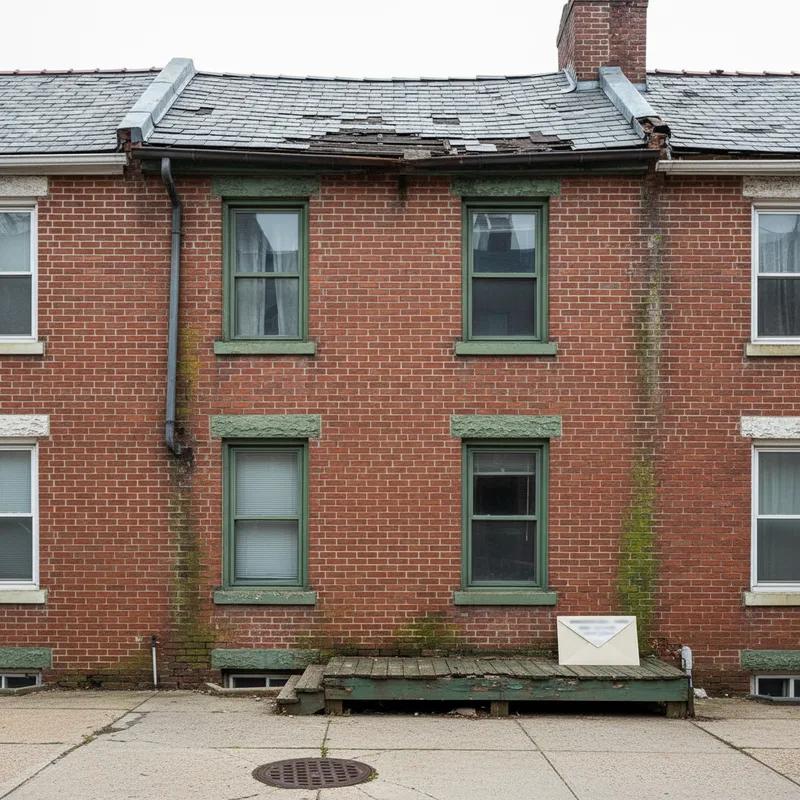
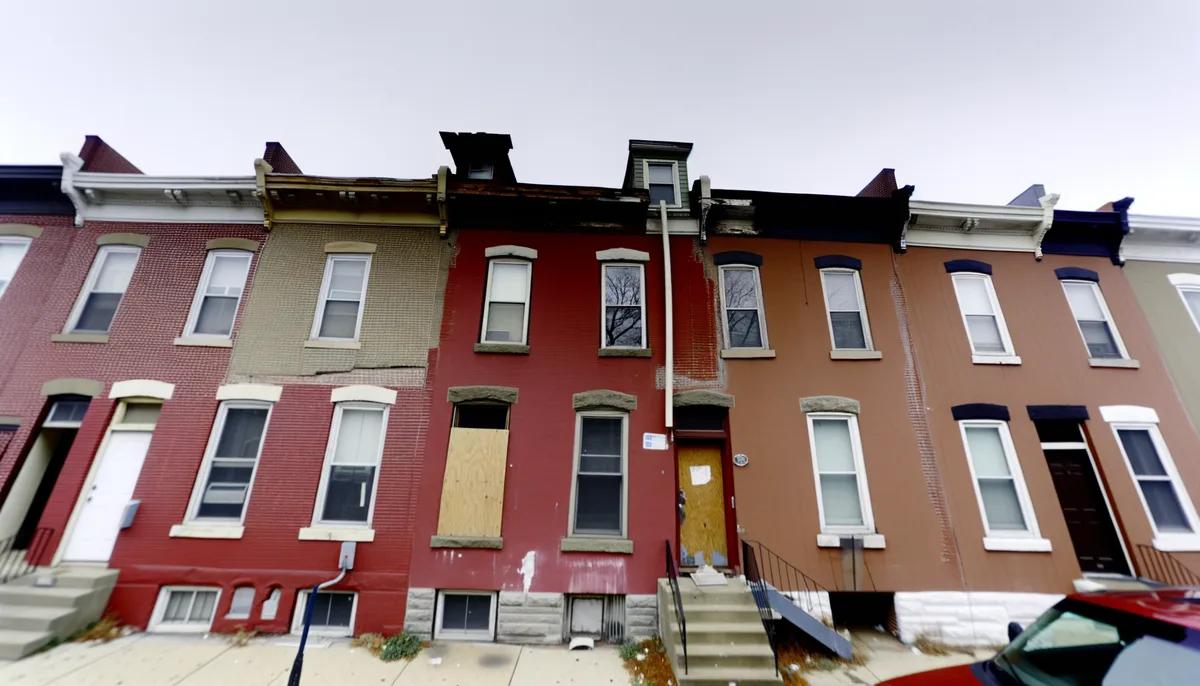
For a typical Philadelphia row home — common in neighborhoods like South Philly, Kensington, and Fishtown — a flat roof replacement using TPO or EPDM membrane typically runs between $4,000 and $10,000, depending on square footage. Pitched roofs with asphalt shingles, more common in neighborhoods like Roxborough, Chestnut Hill, and the Northeast, generally range from $8,000 to $18,000. Premium materials like slate or metal roofing, often found on historic homes in Germantown or Society Hill, can push costs to $20,000–$30,000 or beyond.

Labor costs in Philadelphia tend to run higher than suburban areas due to parking restrictions, permit requirements from the Department of Licenses and Inspections (L&I), and the logistical challenges of dense urban construction. Permit fees, dumpster placement permits, and mandatory inspections add several hundred dollars to most projects.

Material prices have remained elevated in recent years due to supply chain pressures and fluctuating oil prices, which directly affect asphalt shingle costs. Getting at least three written estimates from licensed Philadelphia roofing contractors is the best way to establish a realistic budget before choosing a financing path.

Understanding your total project cost — including permits, tear-off, underlayment, flashing, and disposal — gives you a clear financing target and prevents you from borrowing too little or taking on more debt than necessary.
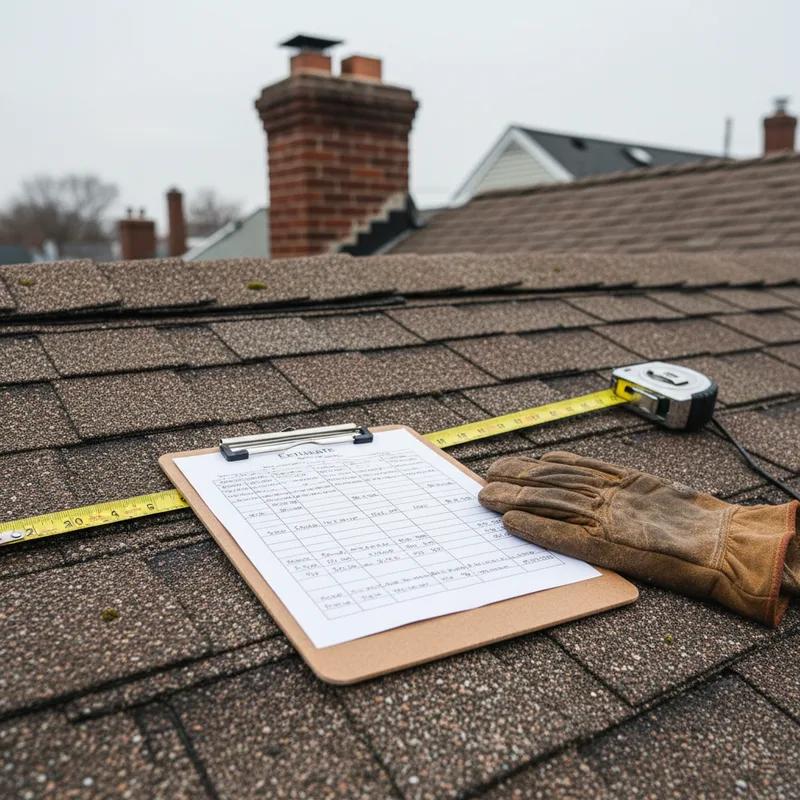
Philadelphia row home rooftop being measured by a contractor holding a clipboard, with the city skyline visible in the background
What Does a New Roof Actually Cost in Philadelphia?

2

Home Equity Loans and HELOCs: Leveraging Your Philadelphia Home's Value

For homeowners who have built up equity in their Philadelphia property, a home equity loan or home equity line of credit (HELOC) is often the most cost-effective way to finance a roof replacement. Philadelphia's real estate market has seen steady appreciation over the past decade, meaning many long-term homeowners have substantial equity to draw on.

A home equity loan provides a lump sum at a fixed interest rate, repaid over a set term — typically 5 to 15 years. This predictability makes it easy to budget monthly payments alongside your existing mortgage. A HELOC, by contrast, works like a revolving credit line with a variable interest rate, giving you flexibility to draw funds as the project progresses and only pay interest on what you use.

As of 2026, interest rates on home equity products remain higher than the historic lows seen earlier in the decade, so it's worth shopping multiple lenders — including local institutions like The Philadelphia Federal Credit Union and Pennsylvania-based community banks — alongside national lenders. Interest paid on home equity loans used for home improvements may be tax-deductible; consult a tax professional to confirm your eligibility.

The main risk with equity-based financing is that your home serves as collateral. If you default, you could face foreclosure. This makes home equity financing best suited to homeowners with stable income and a long-term commitment to their property.

Always get a formal loan estimate from at least two or three lenders and compare the annual percentage rate (APR), not just the interest rate, to account for fees and closing costs. Many lenders can close on a home equity loan within two to four weeks, which works well if your roof issue isn't an emergency.

Philadelphia homeowner sitting at a kitchen table reviewing home equity loan documents with a bank representative
Home Equity Loans and HELOCs: Leveraging Your Philadelphia Home's Value

3

Personal Loans: Fast Financing Without Tapping Your Home's Equity

If you don't have significant home equity, have recently purchased your home, or simply prefer not to use your property as collateral, a personal loan is a viable alternative for financing a Philadelphia roof replacement. Personal loans are unsecured, meaning approval is based on your credit score and income rather than your home's value.

Personal loans for home improvement typically range from $5,000 to $50,000, with repayment terms of two to seven years. Interest rates vary widely based on creditworthiness — borrowers with excellent credit (720+) can qualify for competitive rates, while those with fair credit may face higher APRs that significantly increase the total cost of the loan.

The biggest advantage of a personal loan is speed. Many online lenders and local credit unions can fund a personal loan within one to three business days, making this an excellent option when you're dealing with an active leak or storm damage and can't wait weeks for a home equity approval.

Philadelphia residents should explore local credit unions like TruMark Financial and Philadelphia Federal Credit Union, which often offer lower rates and more flexible terms than large national banks. Online lenders such as LightStream, SoFi, and Marcus by Goldman Sachs are also worth comparing, as they frequently offer rate discounts for autopay enrollment.

Before applying, check your credit report through AnnualCreditReport.com to catch any errors that could be dragging your score down. Even a modest improvement in your credit score before applying can translate to a meaningfully lower interest rate and hundreds of dollars saved over the life of the loan.

For smaller repairs — say, a $3,000–$5,000 flat roof patch on a Kensington row home — a personal loan often makes more financial sense than the closing costs associated with a home equity product.

Person using a laptop to compare personal loan rates on a financial comparison website, with roofing estimate papers beside the keyboard
Personal Loans: Fast Financing Without Tapping Your Home's Equity

4

Contractor Financing and Payment Plans: Convenient but Read the Fine Print

Many Philadelphia roofing contractors offer in-house financing or partner with third-party lenders to provide payment plans directly at the point of sale. This can feel like the path of least resistance — you get your roof, and you pay it off over time without hunting for a separate loan. But convenience comes with trade-offs worth understanding.

Contractor-arranged financing is typically offered through lending partners like GreenSky, Synchrony Home, or Service Finance Company. These programs often advertise promotional offers such as deferred interest for 12 or 18 months. Be extremely cautious with deferred interest deals: if you don't pay the full balance before the promotional period ends, you may be charged interest retroactively on the original balance — sometimes at rates of 25% or higher.

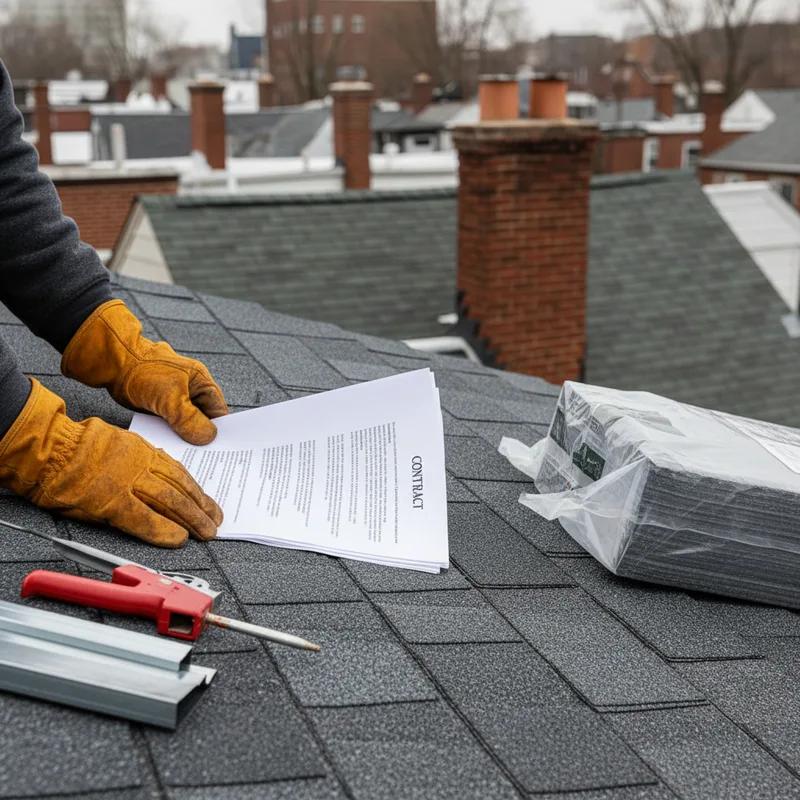
Some contractors offer genuine zero-interest installment plans, particularly for loyal customers or larger projects. These can be excellent deals if the terms are clearly stated in writing. Always ask the contractor to provide the full financing agreement — including the APR, total repayment amount, and any fees — before signing anything.

When evaluating contractor financing, compare the total cost of the financed project against what you'd pay using a personal loan or HELOC. Sometimes contractors mark up project costs slightly to offset financing program fees, so the effective price of the roof may be higher than the sticker quote.

For Philadelphia homeowners, it's also worth asking whether a contractor offers a simple staged payment plan — for example, 30% upfront, 40% at project midpoint, and 30% upon completion — without formal financing. This approach avoids interest entirely and keeps cash flow manageable. Reputable, licensed contractors registered with Philadelphia's Department of Licenses and Inspections should be willing to discuss flexible payment structures.

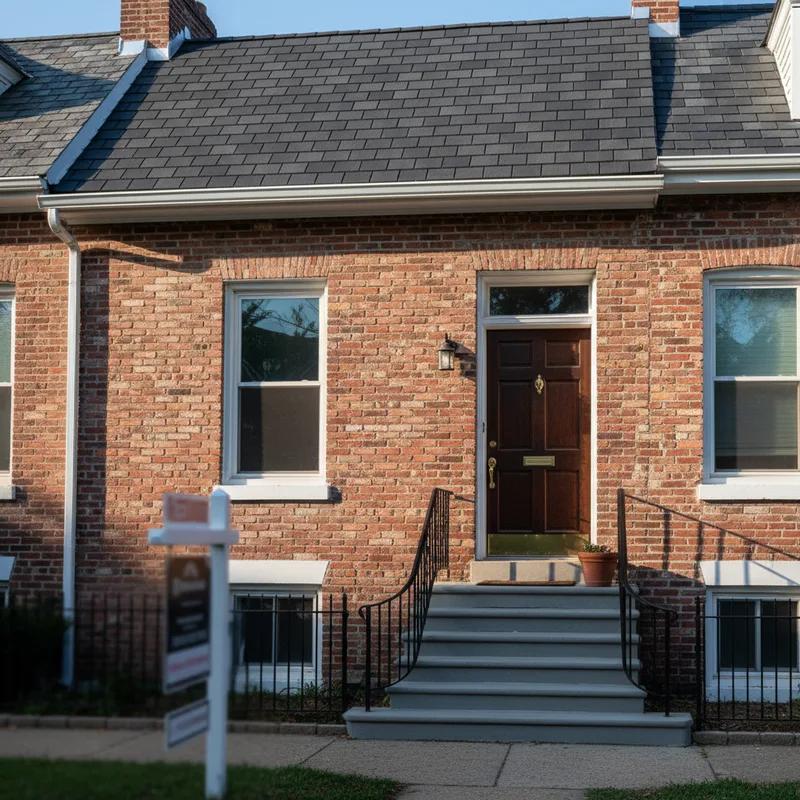
Philadelphia homeowner and roofing contractor reviewing a financing agreement on a tablet outside a brick row home in South Philadelphia
Contractor Financing and Payment Plans: Convenient but Read the Fine Print

5

Philadelphia Assistance Programs and Grants for Roof Repair

Philadelphia homeowners who meet income eligibility requirements may qualify for city, state, or nonprofit assistance programs that can significantly reduce or even eliminate out-of-pocket roofing costs. These programs are particularly valuable for seniors, low-income households, and residents in historically underserved neighborhoods.

The Philadelphia Housing Development Corporation (PHDC) administers the Basic Systems Repair Program (BSRP), which provides free repairs to low-income homeowners for critical home systems — including roofing. Eligibility is based on income and owner-occupancy status. Wait times can be long due to high demand, but for qualifying homeowners, this program can cover thousands of dollars in roof repair costs at no charge.

The Adaptive Modifications Program and Weatherization Assistance Program also address structural and energy-related home issues that sometimes overlap with roofing needs, such as attic insulation and ventilation — factors that directly affect roof longevity.

At the state level, the Pennsylvania Housing Finance Agency (PHFA) offers loan programs for home improvements, including roofing, through its Keystone Home Energy Loan Program (HELP) and other initiatives. These loans often carry below-market interest rates and are designed to be accessible to moderate-income homeowners.

Federal programs through the U.S. Department of Housing and Urban Development (HUD) and the USDA (for eligible areas) may also provide grants or low-interest loans for critical home repairs. Philadelphia's Office of Housing also periodically administers targeted neighborhood stabilization funding that can include roofing assistance.

Nonprofit organizations like Habitat for Humanity Philadelphia and community development corporations in neighborhoods such as North Philadelphia and West Philadelphia sometimes offer repair assistance as well. Contact 311 or visit the City of Philadelphia's official website to get current program availability and application information, as funding cycles and eligibility criteria change regularly.

Philadelphia Housing Development Corporation office exterior with a homeowner speaking to a staff member about home repair assistance eligibility
Philadelphia Assistance Programs and Grants for Roof Repair

6

Smart Tips for Financing Your Roof Without Getting Burned

Regardless of which financing route you choose, a few universal best practices can protect your wallet and your peace of mind throughout the process.

Always get multiple estimates. Philadelphia L&I requires roofing contractors to be licensed and carry proper insurance. Before financing anything, collect at least three written estimates from licensed contractors, and verify their credentials through the city's online contractor license lookup tool. This not only ensures competitive pricing but also protects you from inflated quotes designed to maximize financing amounts.

Never pay the full project cost upfront. A standard and reputable payment structure involves a deposit (typically 10–30%), a progress payment, and a final payment upon satisfactory completion. Be wary of any contractor demanding full payment before work begins — this is a common red flag in roofing scams that surface frequently in Philadelphia after major storms.

Understand your permit obligations. Philadelphia requires permits for most roof replacement work, and the permit must be pulled by the licensed contractor — not the homeowner. Confirm this is included in your contract, as unpermitted work can create problems when you sell your home or file an insurance claim.

Consider timing your financing. Roofing contractors in Philadelphia are typically busiest from late spring through early fall. Scheduling a replacement in late fall or winter — when demand is lower — can sometimes yield better pricing or more flexible payment terms, though weather windows need to be managed carefully.

Finally, check whether your homeowners insurance covers any portion of the roof replacement. If damage was caused by a covered event like a windstorm or hail — both common in Philadelphia's spring and summer storm season — your insurer may cover a significant portion of the cost, reducing the amount you need to finance. Filing a claim before arranging financing can dramatically change your financial picture.

Philadelphia homeowner reviewing multiple roofing contractor estimates spread on a dining room table, comparing costs and financing terms
Smart Tips for Financing Your Roof Without Getting Burned

Frequently Asked Questions

What is the average cost of a roof replacement in Philadelphia?

The average cost of a roof replacement in Philadelphia ranges from approximately $4,000 for a small flat roof on a row home to $18,000 or more for a larger pitched roof with premium materials. Costs vary based on roof type, size, material choice, and neighborhood-specific factors like permit requirements and site access. Always get at least three written estimates from licensed Philadelphia contractors before committing.

Can I get a grant for roof repair in Philadelphia?

Yes. Philadelphia's Basic Systems Repair Program (BSRP), administered by the Philadelphia Housing Development Corporation (PHDC), provides free roofing repairs to income-eligible homeowners. Additional assistance may be available through the Pennsylvania Housing Finance Agency and nonprofit organizations like Habitat for Humanity Philadelphia. Eligibility is based on income level and owner-occupancy status.

Is contractor financing a good option for roof replacement in Philadelphia?

Contractor financing can be convenient, but it requires careful scrutiny. Deferred-interest promotional offers can result in large retroactive interest charges if the balance isn't paid in full before the promotional period ends. Always compare the total repayment cost of contractor financing against a personal loan or home equity product before signing, and get all terms in writing.

Does homeowners insurance cover roof replacement in Philadelphia?

Homeowners insurance may cover roof replacement if the damage was caused by a covered peril, such as wind, hail, or storm damage — all of which are common in Philadelphia. Damage from normal wear and age is typically not covered. Review your policy carefully and file a claim before arranging financing, as insurance proceeds could significantly reduce your out-of-pocket costs.

Do I need a permit to replace my roof in Philadelphia?

Yes. Philadelphia's Department of Licenses and Inspections (L&I) requires permits for most roof replacement projects. The permit must be obtained by your licensed roofing contractor, not the homeowner. Unpermitted work can complicate home sales, insurance claims, and future financing. Always confirm that permits are included in your contractor's scope of work before signing a contract.

James Callahan
Founder & Editor, Philly Roof Find

James founded Philly Roof Find to give Philadelphia homeowners a transparent, independent resource for evaluating roofing contractors. With a background in building trades and a focus on local construction practices, he writes practical guides grounded in Philadelphia-specific building codes, materials, and contractor standards.