Protecting Your Philadelphia Roof from Fall Storm Damage

Discover essential tips to safeguard your Philadelphia home from fall storm damage with expert roofing maintenance and repair advice.

Protecting Your Philadelphia Roof from Fall Storm Damage

As fall approaches, Philadelphia homeowners must prepare their roofs for storm season.

James Callahan
Published February 11, 2026·Updated February 11, 2026
1

Understanding Philadelphia's Fall Weather Patterns

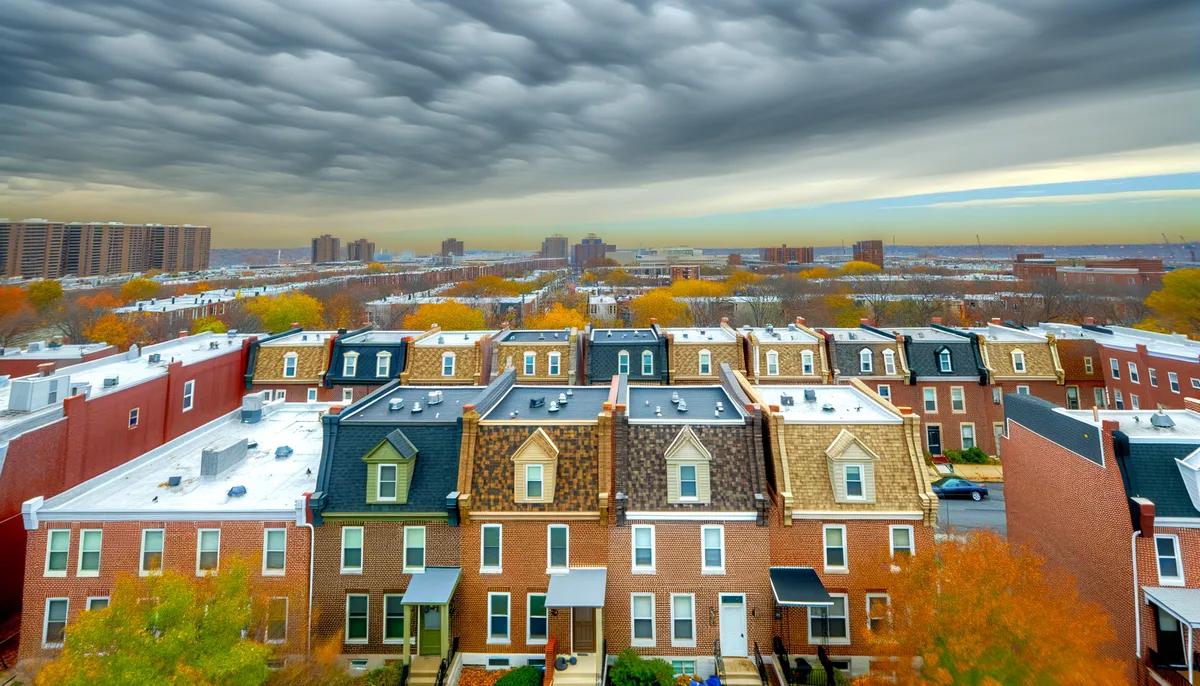
Philadelphia's fall months are characterized by unpredictable weather that can include heavy rains and strong winds. These conditions can wreak havoc on roofs, especially if they are not adequately prepared. The city’s location in the Mid-Atlantic region means it's susceptible to remnants of hurricanes and nor'easters, which can bring intense storms even during the fall.

Homeowners in areas like Chestnut Hill, Rittenhouse Square, and Fishtown should be particularly vigilant, as older homes in these neighborhoods may have aging roofing materials that are more vulnerable to damage. Understanding these weather patterns allows homeowners to plan preventive measures effectively, such as scheduling regular inspections before the storm season hits.

Additionally, keeping abreast of local weather forecasts and warnings is crucial. Philadelphia’s local news stations and the National Weather Service offer timely updates that can help you prepare for impending storms. Being proactive rather than reactive is key to minimizing roof damage during fall storms.
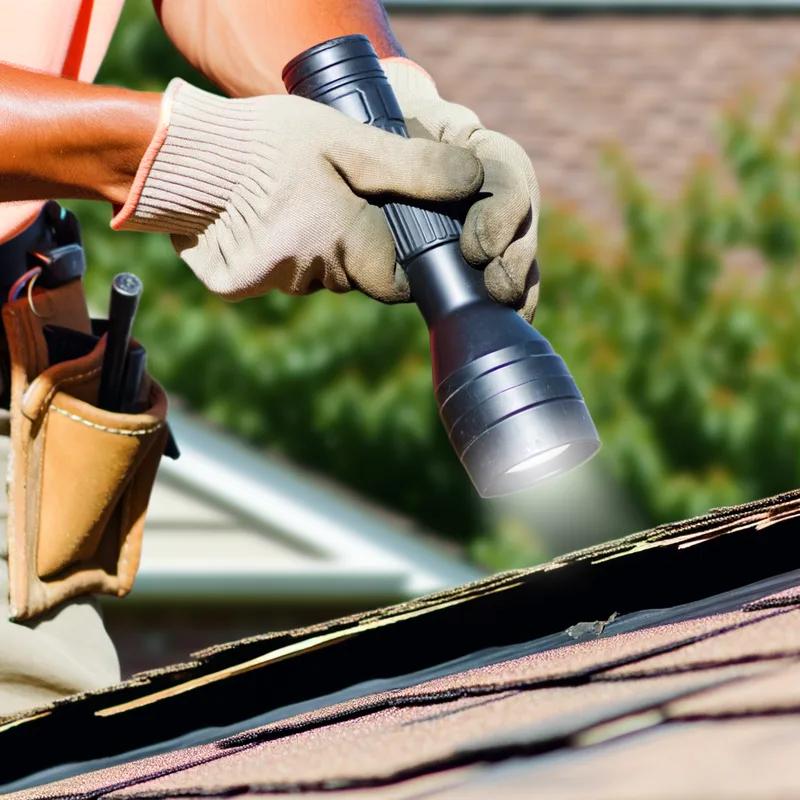
Understanding Philadelphia's Fall Weather Patterns

2

Conducting a Thorough Roof Inspection

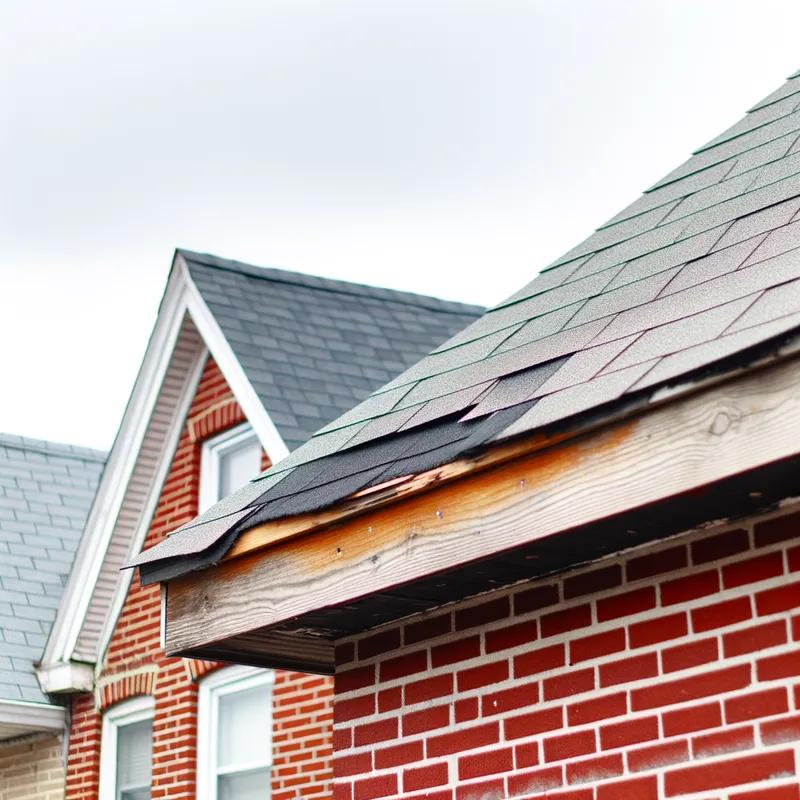
Before the fall storms arrive, conducting a comprehensive roof inspection is essential. This involves checking for loose or missing shingles, damaged flashing, and clogged gutters. In areas like Society Hill, where historic row homes are prevalent, special attention should be paid to the unique roofing styles and materials used.

Hiring a professional roofing contractor to perform this inspection can be invaluable. They have the expertise to identify potential weak spots that a layperson might miss. When choosing a contractor, ensure they are familiar with Philadelphia’s specific building codes and roofing requirements. Refer to our related article, 'How to Choose a Roofing Contractor in Philadelphia,' for guidance on selecting the right professional.

During the inspection, don't forget to check the attic for signs of leaks or water damage. This can indicate underlying issues with the roof that need addressing before the storm season. A thorough inspection not only helps in identifying current issues but also in preventing future damage.

Conducting a Thorough Roof Inspection

3

Essential Maintenance Tips for Fall

Regular maintenance is crucial in ensuring your roof withstands Philadelphia's fall storms. Start with cleaning your gutters and downspouts to prevent water accumulation and potential leaks. In neighborhoods with abundant trees like Fairmount Park, leaves and debris can quickly clog gutters, leading to water damage.

Trimming overhanging branches is another essential maintenance task. Strong winds can break branches, causing them to fall on your roof and inflict significant damage. Ensure that any trees near your home are pruned regularly to reduce this risk.

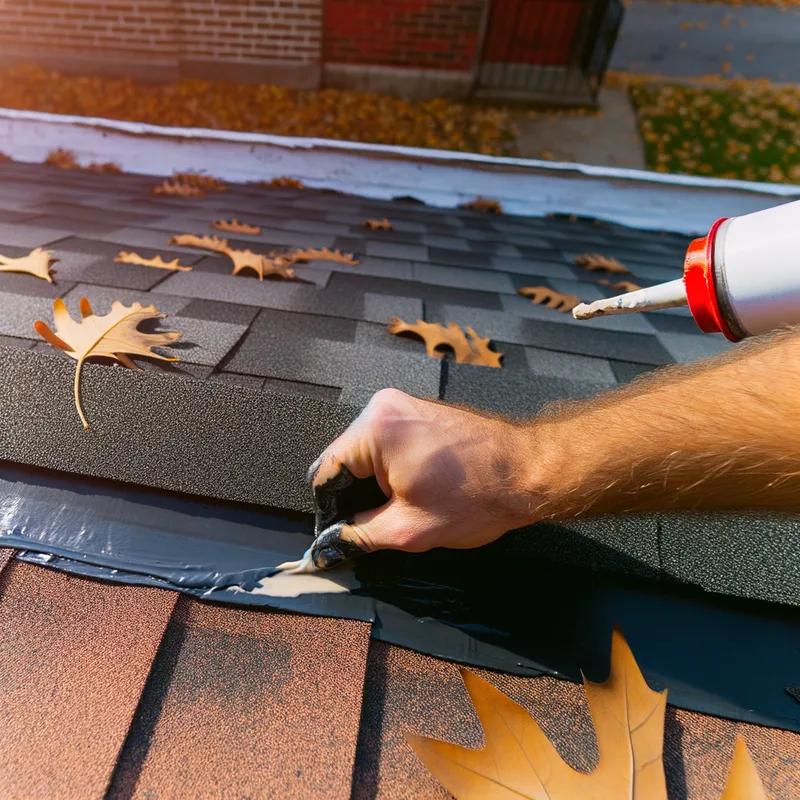
It's also important to address minor repairs promptly. Small issues, like cracked shingles or minor leaks, can escalate into significant problems during a storm. By keeping up with regular maintenance, homeowners can extend the life of their roofs and avoid costly repairs.

Essential Maintenance Tips for Fall

4

Philadelphia-Specific Building Codes and Permits

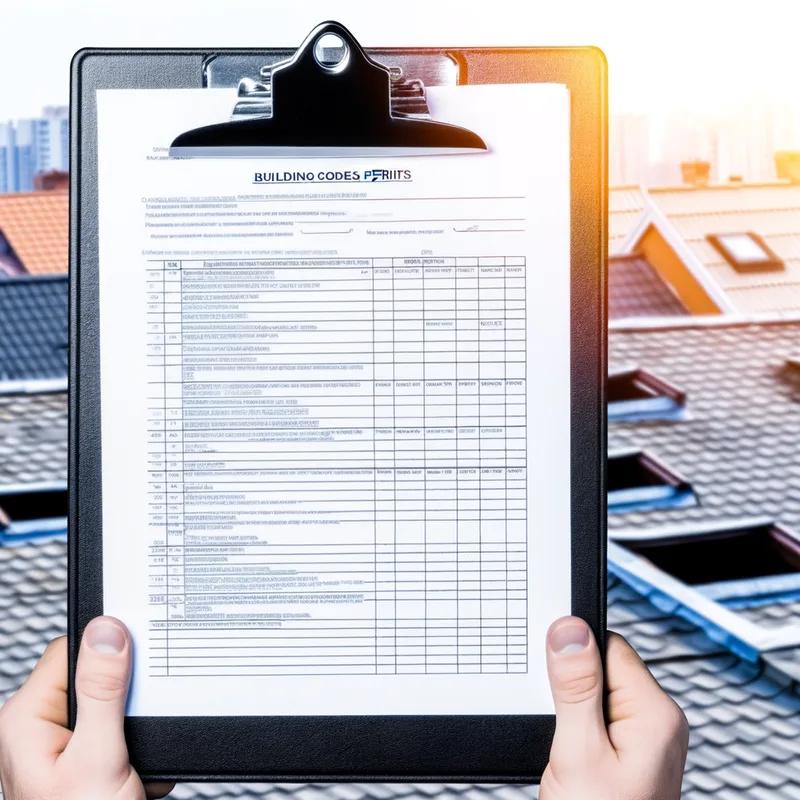
Adhering to Philadelphia’s building codes is crucial when performing any significant roofing work. These regulations are designed to ensure that all construction work is safe and up to standard. For instance, the city requires permits for roof replacements and certain major repairs. Understanding these requirements can save homeowners from potential fines and ensure the work is done legally and safely.

Philadelphia’s Department of Licenses and Inspections (L&I) provides detailed information on the necessary permits and codes. Engaging with a knowledgeable contractor who is familiar with these local regulations can streamline the process and ensure compliance.

For those living in historic districts, such as Old City and Germantown, additional considerations may apply. These areas have specific guidelines to preserve the architectural integrity of historic homes. Consulting with the Philadelphia Historical Commission can provide clarity on these requirements.

Philadelphia-Specific Building Codes and Permits

5

When to Consider Professional Roof Repair or Replacement

Understanding when to repair versus replace your roof can be challenging, but it's crucial for protecting your home from fall storms. If your roof is over 20 years old, it might be time to consider a full replacement, especially if it's showing signs of extensive wear and tear.

For homes in neighborhoods like South Philadelphia, where many row homes have flat roofs, specific issues such as ponding water can indicate serious problems. In such cases, consulting with a professional to evaluate the roof's condition is advisable.

Deciding between repair and replacement involves assessing the extent of the damage, the age of the roof, and the materials used. A professional contractor can provide a detailed estimate and help you make an informed decision. For more insights, read our related article, 'Repair vs. Replace Roof in Philadelphia.'

When to Consider Professional Roof Repair or Replacement

6

Preparing for Emergencies: A Philadelphia Guide

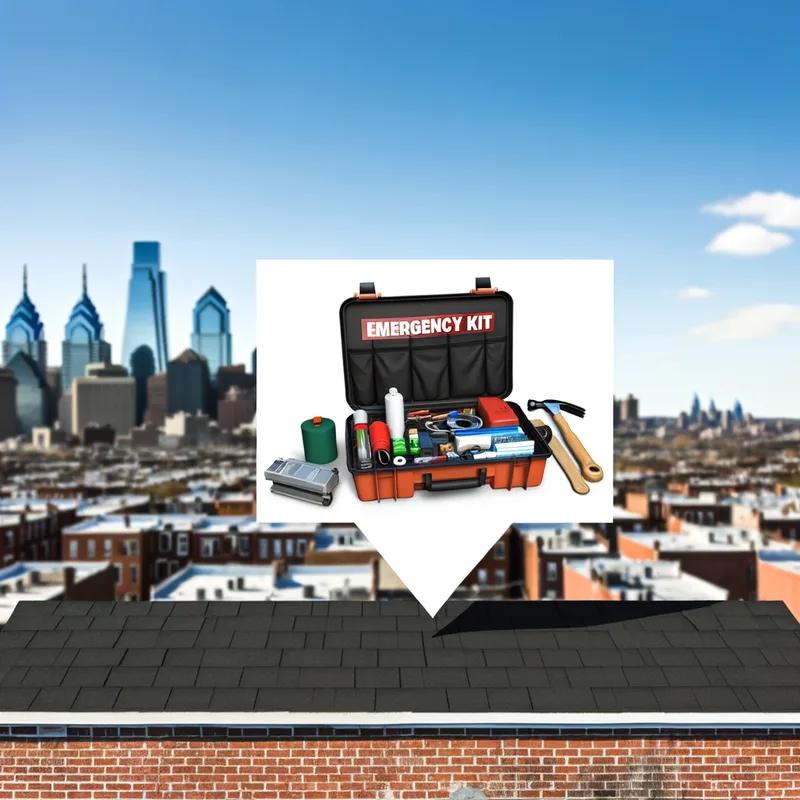
Even with the best preparation, emergencies can happen. Having an emergency plan in place is essential for Philadelphia homeowners. This includes knowing who to call for immediate repairs and having a temporary solution, like tarps, ready to minimize damage.

Compile a list of local contractors who offer emergency services and keep it in an accessible place. During a storm, if you notice leaks or structural damage, it's crucial to act quickly to prevent further damage.

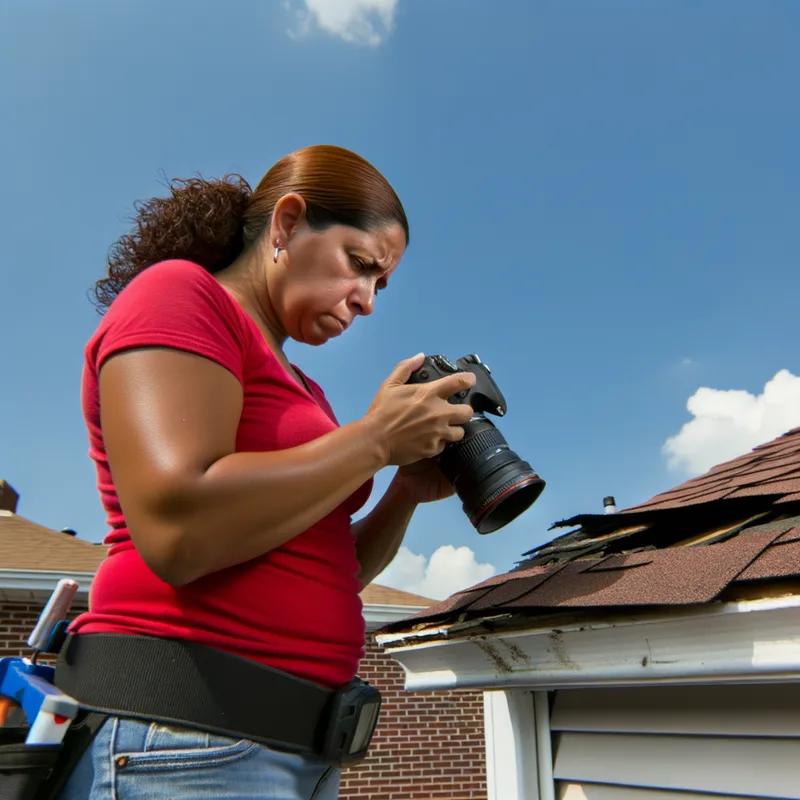
Understanding your insurance policy and what it covers is also vital in emergency situations. Document any damage with photographs and reach out to your insurance company promptly. For a comprehensive checklist on handling roof emergencies, refer to our related article, 'Emergency Roof Leak Checklist Philadelphia.'

Preparing for Emergencies: A Philadelphia Guide

Sources & References

  1. Philadelphia Department of Licenses and Inspections - Provides information on building codes and permits.
  2. National Weather Service - Offers weather forecasts and warnings for Philadelphia.
  3. Philadelphia Historical Commission - Guides on preserving historical properties.
  4. Local news stations - Provide updates on weather patterns and storm forecasts.
James Callahan
Founder & Editor, Philly Roof Find

James founded Philly Roof Find to give Philadelphia homeowners a transparent, independent resource for evaluating roofing contractors. With a background in building trades and a focus on local construction practices, he writes practical guides grounded in Philadelphia-specific building codes, materials, and contractor standards.