How to Protect Your Philadelphia Roof from Spring Contractor Scams

Spring brings roofing scammers to Philly. Learn how to spot red flags, verify contractors, and protect your home from fraud this season.

How to Protect Your Philadelphia Roof from Spring Contractor Scams - Philadelphia roofing guide

Every spring, roofing scammers descend on Philadelphia neighborhoods—targeting homeowners fresh off a tough winter with promises of quick, cheap fixes.

James Callahan
Published March 19, 2026·Updated March 19, 2026
1

Why Spring Is Prime Season for Roofing Scams in Philadelphia

Philadelphia winters are no joke. Between nor'easters, ice dams along rooflines in Roxborough and Germantown, and the freeze-thaw cycles that wreak havoc on flat roofs in South Philly and Point Breeze, homeowners emerge in March and April anxious to assess the damage. Scammers know this—and they plan for it.

So-called "storm chasers" are out-of-town contractors who follow severe weather events and flood local neighborhoods with door-to-door solicitations. After any significant late-winter storm, it's common to see unmarked vans cruising through Kensington, Mayfair, and Northeast Philadelphia, with workers offering to inspect your roof "for free" right then and there. The urgency they create is intentional.

The scam typically works in one of a few ways: they collect a large deposit and disappear, they perform shoddy work using substandard materials, or they complete a job without pulling the required permits from Philadelphia's Department of Licenses & Inspections (L&I)—leaving you on the hook for code violations down the road. In some cases, homeowners have discovered fraudulent mechanics' liens filed against their properties after a scammer claimed they weren't paid.

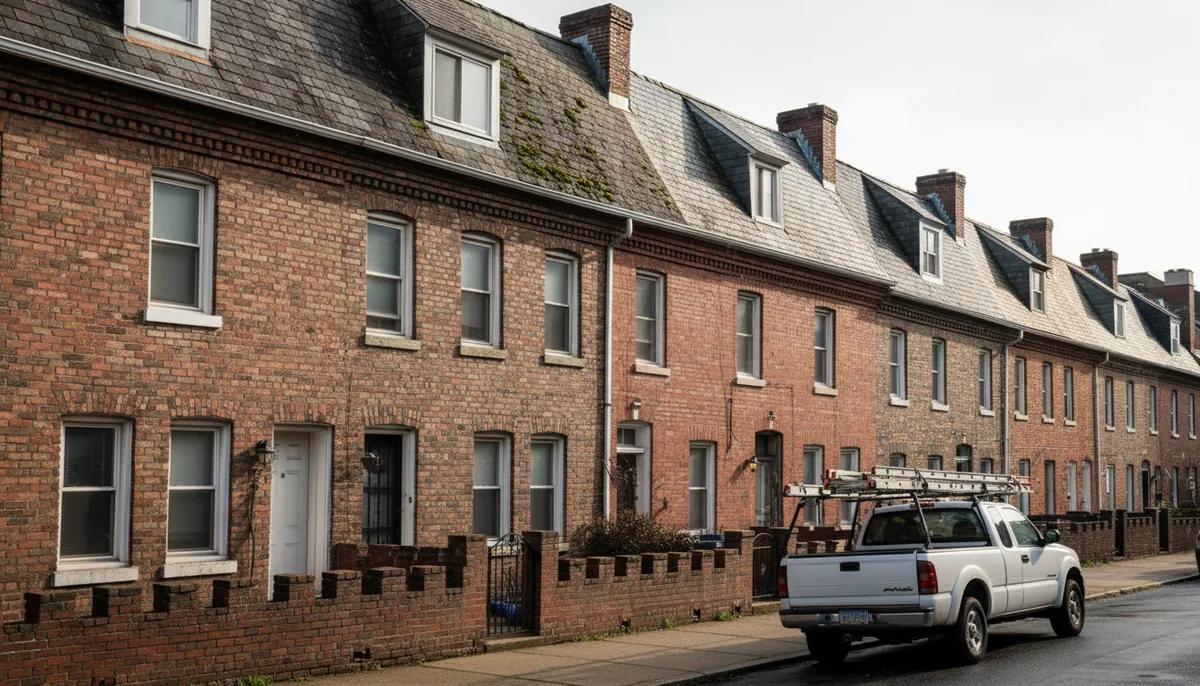
Philadelphia's dense housing stock—particularly the city's iconic row homes—makes neighborhoods especially vulnerable. One scammer can work an entire block in an afternoon, exploiting the fact that neighbors often share similar roofing issues. The social proof of seeing a contractor's truck next door can lower your guard.

Understanding that spring scam season is real and predictable is your first line of defense. Awareness alone won't protect you, but it primes you to slow down, ask questions, and do your homework before handing over a single dollar.
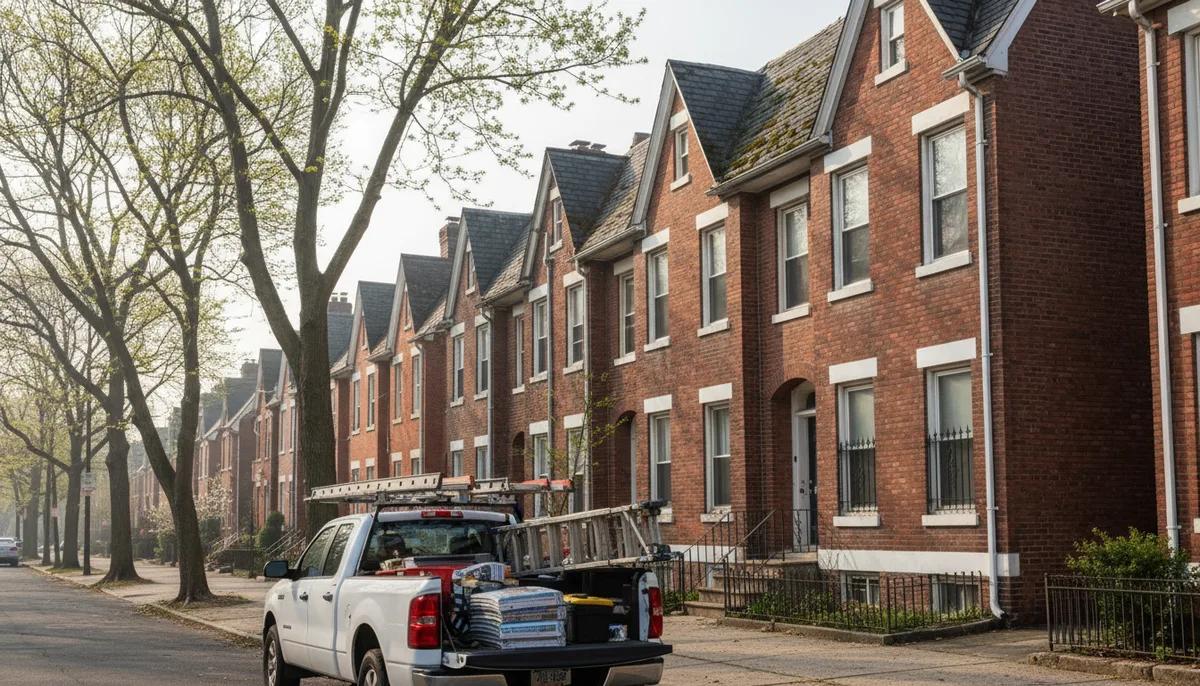
An unmarked contractor van parked on a narrow Philadelphia row home street in spring, with a worker approaching a front door
Why Spring Is Prime Season for Roofing Scams in Philadelphia

2

How to Verify a Philadelphia Roofing Contractor's Credentials

Before you let anyone climb onto your roof—or sign anything—you need to verify that the contractor is legitimate. In Philadelphia, this means checking several layers of credentials, and it takes less than 30 minutes if you know where to look.

First, confirm that the contractor holds a valid Home Improvement Contractor (HIC) registration with the Pennsylvania Attorney General's Office. Pennsylvania law requires any contractor performing home improvement work over $500 to be registered. You can search the registry online at the PA Attorney General's website. An unregistered contractor is an immediate red flag.

Next, check with Philadelphia's Department of Licenses & Inspections (L&I) to confirm the business is licensed to operate in the city. Philadelphia has its own contractor licensing requirements on top of state registration, and legitimate roofers will have no problem providing their license number. You can verify licenses through the city's eCLIPSE portal.

Always ask for proof of general liability insurance and workers' compensation coverage. A reputable contractor will hand these over without hesitation. Call the insurance company directly to confirm the policy is active—don't just accept a certificate at face value, as fraudulent certificates do exist.

Check the contractor's standing with the Better Business Bureau and look them up on Google, Yelp, and Nextdoor. Philadelphia neighborhood groups on social media—particularly those organized by community like the Fishtown Neighbors Association or civic groups in Chestnut Hill—are excellent resources for real contractor recommendations and warnings.

Finally, ask how long the company has operated in the Philadelphia area and request references from recent local jobs. A contractor who has been working Philly roofs for years will have a paper trail. A storm chaser who arrived last week will not.

A Philadelphia homeowner reviewing a contractor's license and insurance documents at a kitchen table before signing a roofing agreement
How to Verify a Philadelphia Roofing Contractor's Credentials

3

Red Flags to Watch for Before and During Any Roofing Job

Knowing the warning signs of a roofing scam can stop a bad situation before it starts. Some red flags appear before the job even begins; others emerge during the work itself. Here's what to watch for at every stage.

Before signing anything, be wary of contractors who show up unsolicited after a storm, demand full payment upfront, offer a price that seems dramatically lower than other estimates, or pressure you to sign immediately with claims that the deal expires today. Legitimate contractors understand that getting multiple estimates is standard practice and will never rush you into a decision.

Be especially cautious of anyone who offers to waive your insurance deductible. In Pennsylvania, this practice is considered insurance fraud under state law—and if a contractor is willing to commit fraud against your insurer, they're willing to commit fraud against you.

Contracts themselves are a major red flag zone. A trustworthy roofing contract should include a detailed scope of work, the specific materials to be used (manufacturer, product line, and warranty details), a payment schedule tied to project milestones, a start and estimated completion date, and the contractor's full business name, address, and license number. If any of these are missing, do not sign.

During the job, watch out for workers who begin tearing off roofing material before a permit is posted on the property. In Philadelphia, most roofing jobs require a permit from L&I, and that permit must be visibly displayed. You can also verify active permits through the eCLIPSE portal using your address.

After the job, request a lien waiver from the contractor and any subcontractors before making your final payment. This document confirms they've been paid and cannot place a mechanics' lien on your home—a protection every Philadelphia homeowner should insist upon.

Close-up of a roofing contract with red warning flags highlighted, including a missing license number and a vague scope of work section
Red Flags to Watch for Before and During Any Roofing Job

4

Understanding Philadelphia Roofing Permits and Why They Protect You

One of the most effective—and most overlooked—protections against roofing fraud is Philadelphia's permitting process. Many homeowners see permits as bureaucratic hassle. Scammers count on that attitude.

In Philadelphia, roofing work that involves structural changes, full replacements, or significant repairs typically requires a building permit issued by the Department of Licenses & Inspections. The permit process ensures that work is inspected and meets the Philadelphia Building Code, which is based on the International Building Code with local amendments. For row homes—which make up a significant portion of Philly's housing stock—proper permitting is especially important because shared party walls and drainage systems mean that shoddy work on one property can affect neighbors.

When a contractor pulls a permit, they are putting their license on the line. If the work fails inspection, they are legally responsible for correcting it. Unpermitted work, by contrast, leaves you with no recourse if the job is done poorly. Worse, when you go to sell your home, unpermitted work can surface during a buyer's inspection and complicate or kill the sale.

Always ask your contractor who will pull the permit. The answer should always be the contractor—not you. If a contractor asks you to pull the permit yourself, that's a serious red flag. It often means they aren't licensed to pull permits in Philadelphia, and it shifts liability onto you as the homeowner.

You can track the status of any permit associated with your address through the City of Philadelphia's eCLIPSE system. This is a free, publicly accessible tool that lets you confirm a permit was actually filed and approved—not just promised. Make it a habit to verify before work begins and check in as the job progresses.

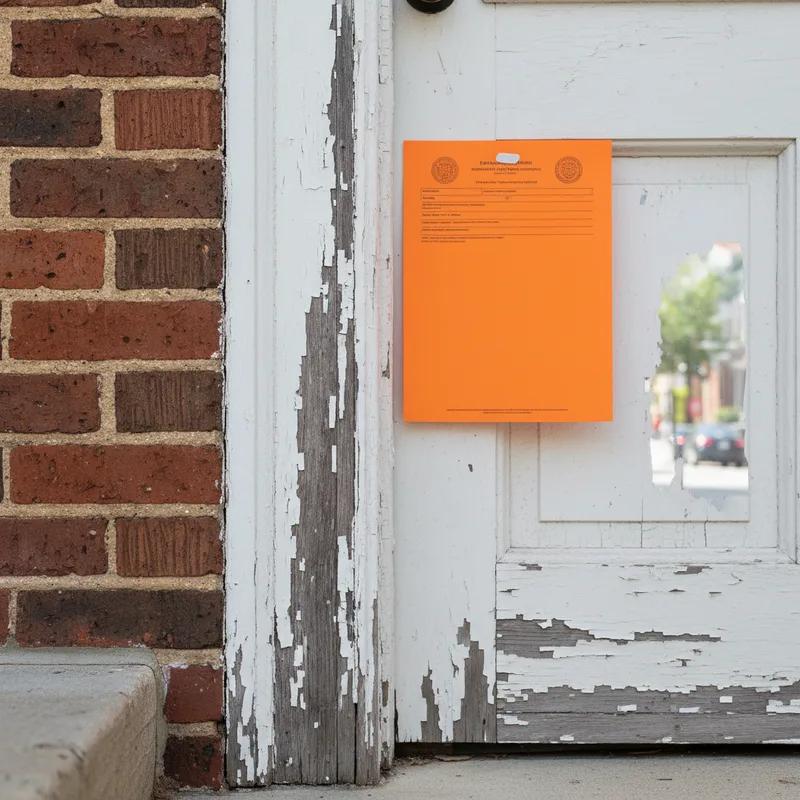
A Philadelphia Department of Licenses and Inspections building permit posted on the front of a row home during a roofing project
Understanding Philadelphia Roofing Permits and Why They Protect You

5

Protecting Yourself Legally: Contracts, Liens, and Dispute Resources

Even when you've done your homework, disputes can arise. Understanding your legal protections as a Philadelphia homeowner gives you the tools to resolve problems without losing your investment.

Pennsylvania's Home Improvement Consumer Protection Act (HICPA) provides significant protections for homeowners. Under this law, contracts for home improvement work over $500 must be in writing and include specific disclosures. Contractors who violate HICPA can face civil penalties, and homeowners may be entitled to recover damages. Keep a copy of every document you sign, and never pay in cash—always use a check or credit card so you have a paper trail.

Mechanics' liens are a real risk in the Philadelphia area. If a contractor doesn't pay their subcontractors or material suppliers, those parties can file a lien against your property—even if you paid the general contractor in full. The best protection is to request a lien waiver from every party involved in the job before releasing final payment. Your contractor should provide these without issue; refusal is a red flag.

If you believe you've been scammed, you have several avenues for recourse. File a complaint with the Pennsylvania Attorney General's Bureau of Consumer Protection, which actively investigates home improvement fraud. You can also file with the Philadelphia District Attorney's office or contact the Pennsylvania State Police if criminal fraud is suspected.

For smaller disputes, Philadelphia's Municipal Court handles civil claims, and many homeowners have successfully recovered deposits and damages through small claims proceedings. Document everything: photographs of the work (or lack thereof), all communications with the contractor, and any receipts or bank records.

Finally, consider consulting a Philadelphia-based consumer protection attorney if the amount at stake is significant. Many offer free initial consultations and work on contingency for fraud cases.

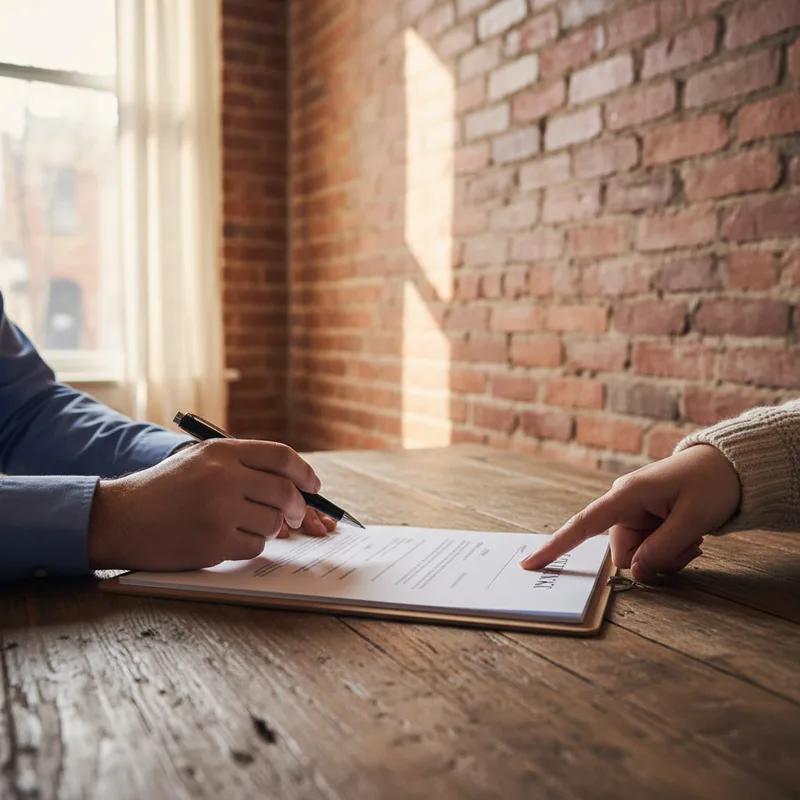
A Philadelphia homeowner consulting with a consumer protection attorney, with roofing contract documents and photos of incomplete work spread on a desk
Protecting Yourself Legally: Contracts, Liens, and Dispute Resources

6

How to Find a Trustworthy Philadelphia Roofer This Spring

After all the warnings, here's the good news: Philadelphia has plenty of legitimate, experienced roofing contractors who do excellent work. Finding them just requires a systematic approach rather than responding to whoever knocks on your door first.

Start with referrals from people you trust. Ask neighbors, your local civic association, or community groups specific to your neighborhood—whether that's a South Philly block captain, a Manayunk homeowners group, or a community organization in West Philadelphia. Personal referrals from people who've seen the finished work firsthand are invaluable.

Use Philly Roof Find's contractor directory to identify verified, Philadelphia-area roofing professionals. Look for contractors who have been operating locally for multiple years, carry proper licensing and insurance, and have a track record of pulling permits through L&I.

Get at least three written estimates for any significant roofing job. Estimates should be detailed and itemized—not just a single dollar figure. Compare not just price but the scope of work, materials specified, warranty terms, and projected timeline. A significantly lower bid often means cut corners, inferior materials, or a plan to demand more money once the job is underway.

Ask each contractor for references from jobs completed in the past year, ideally on properties similar to yours. Philadelphia's flat-roof row homes in neighborhoods like Passyunk Square or Fairmount have different needs than the pitched roofs common in Chestnut Hill or the Northeast—make sure your contractor has relevant local experience.

Take your time. A good contractor will respect that. Anyone pushing you to decide today, sign tonight, or pay in full before work begins is not someone you want on your roof. Spring is busy for legitimate roofers, but the right one will work with your schedule—not against your better judgment.

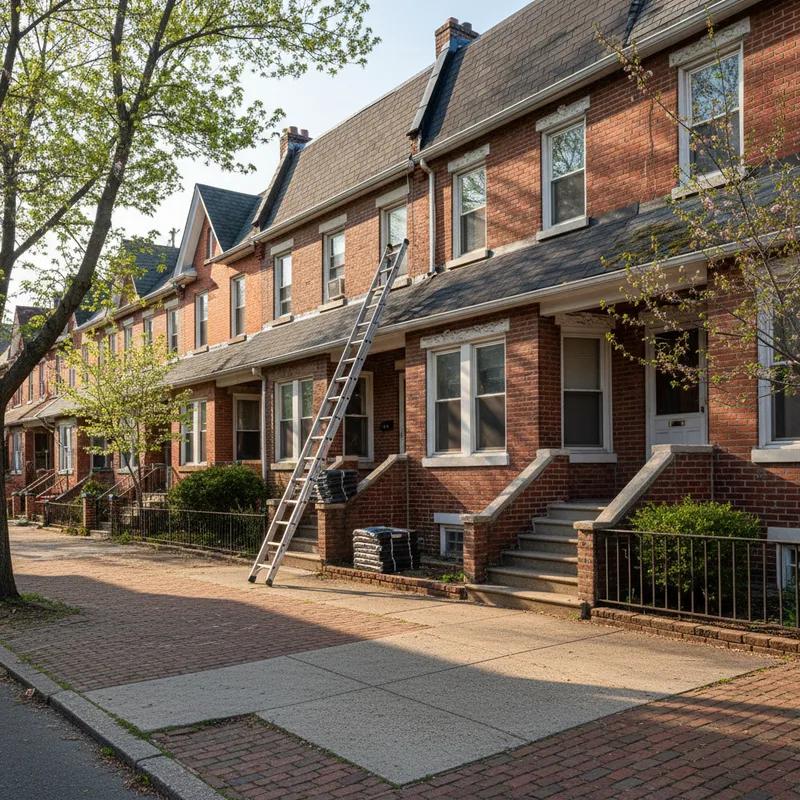
A licensed Philadelphia roofing contractor reviewing a detailed written estimate with a homeowner on the front steps of a brick row home in spring
How to Find a Trustworthy Philadelphia Roofer This Spring

Frequently Asked Questions

How do I check if a roofing contractor is licensed in Philadelphia?

You can verify a contractor's license through Philadelphia's eCLIPSE portal at eclipse.phila.gov, which allows you to search by contractor name or license number. You should also confirm their Pennsylvania Home Improvement Contractor (HIC) registration through the PA Attorney General's website. Always ask the contractor for their license number before agreeing to any work.

Do I need a permit for roof repairs in Philadelphia?

Most significant roofing work in Philadelphia—including full replacements and major repairs—requires a permit from the Department of Licenses & Inspections (L&I). Minor repairs may not always require a permit, but your contractor should advise you and pull any required permits themselves. Unpermitted work can create problems when selling your home and leaves you without legal recourse if the work is defective.

What should I do if a roofing contractor takes my deposit and disappears?

File a complaint immediately with the Pennsylvania Attorney General's Bureau of Consumer Protection at attorneygeneral.gov, and report the contractor to the Philadelphia District Attorney's office if criminal fraud is involved. Gather all documentation—contracts, receipts, communications, and photos—and consider filing a claim in Philadelphia Municipal Court for amounts within small claims limits. Acting quickly improves your chances of recovery.

Is it illegal for a roofer to waive my insurance deductible in Pennsylvania?

Yes. In Pennsylvania, a contractor offering to waive or absorb your insurance deductible as an inducement to hire them is engaging in insurance fraud, which is illegal under state law. If a contractor makes this offer, walk away and consider reporting them to the PA Insurance Department.

How can I tell if a roofing contractor is a storm chaser?

Storm chasers typically show up unsolicited shortly after a major weather event, have no local business address or verifiable history in Philadelphia, pressure you to sign immediately, and may offer prices that seem too good to be true. Ask how long they've operated in the Philadelphia area, request local references, and verify their license through L&I—legitimate local contractors will have a traceable record.

James Callahan
Founder & Editor, Philly Roof Find

James founded Philly Roof Find to give Philadelphia homeowners a transparent, independent resource for evaluating roofing contractors. With a background in building trades and a focus on local construction practices, he writes practical guides grounded in Philadelphia-specific building codes, materials, and contractor standards.