How to Prepare Your Philadelphia Roof for Spring Storms

Prepare your Philadelphia roof for spring storms with effective maintenance tips to protect against damage.

How to Prepare Your Philadelphia Roof for Spring Storms - Philadelphia roofing guide

Learn how to ready your Philadelphia roof for the unpredictable spring storms with expert maintenance advice.

James Callahan
Published February 27, 2026·Updated February 27, 2026
1

Understanding Philadelphia's Spring Weather Patterns

Philadelphia is known for its unpredictable spring weather, which can range from heavy rainstorms to sudden temperature changes. Understanding these patterns is crucial for proper roof maintenance. The city often experiences thunderstorms and wind gusts that can exceed 50 mph, especially in neighborhoods with taller buildings such as Center City and Northern Liberties. These conditions can lead to debris accumulation and potential damage to roofing materials. Familiarizing yourself with these weather patterns can help prioritize maintenance tasks that reinforce your roof's durability against spring storms.
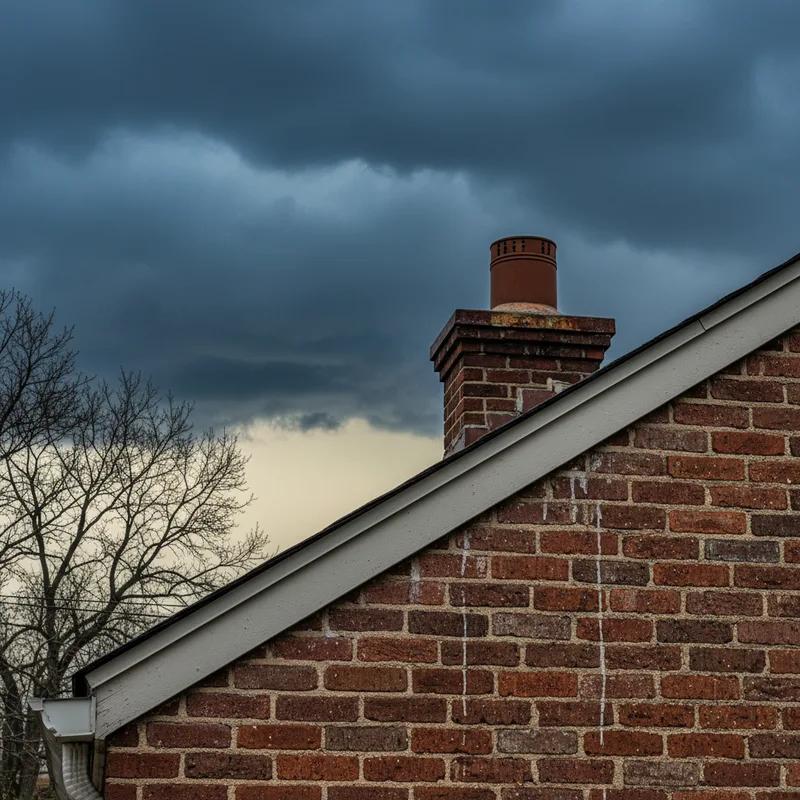
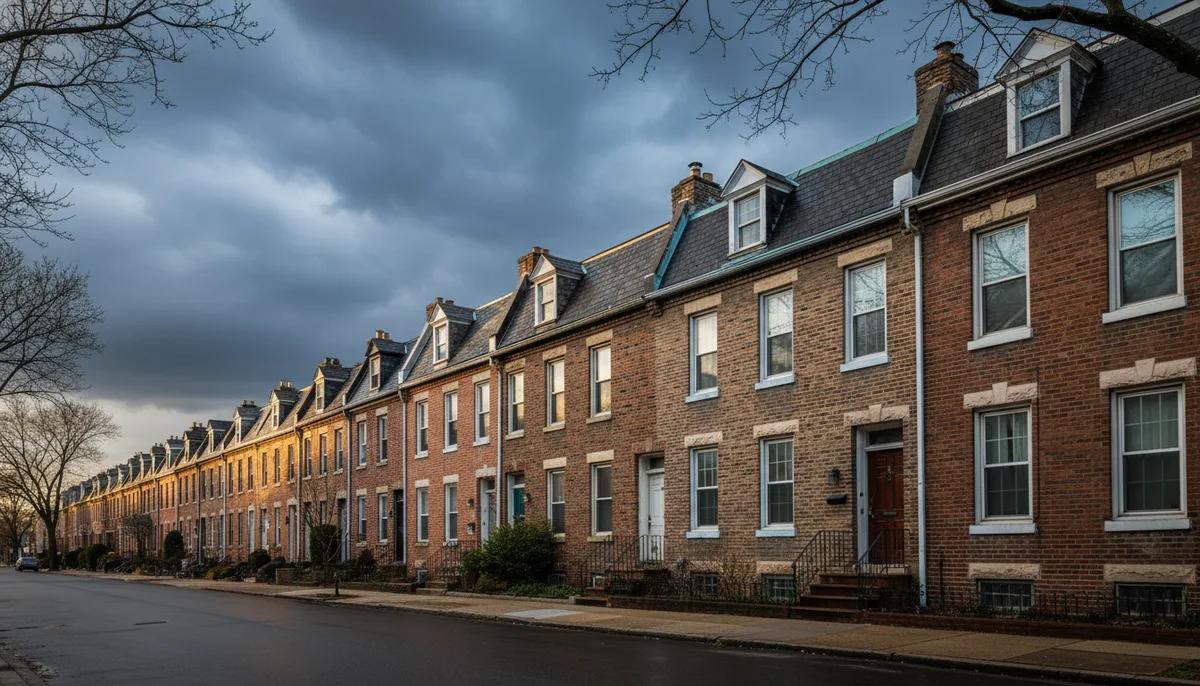
A skyline view of Philadelphia during a spring rainstorm, illustrating the typical weather patterns.
Understanding Philadelphia's Spring Weather Patterns

2

Conducting a Thorough Roof Inspection

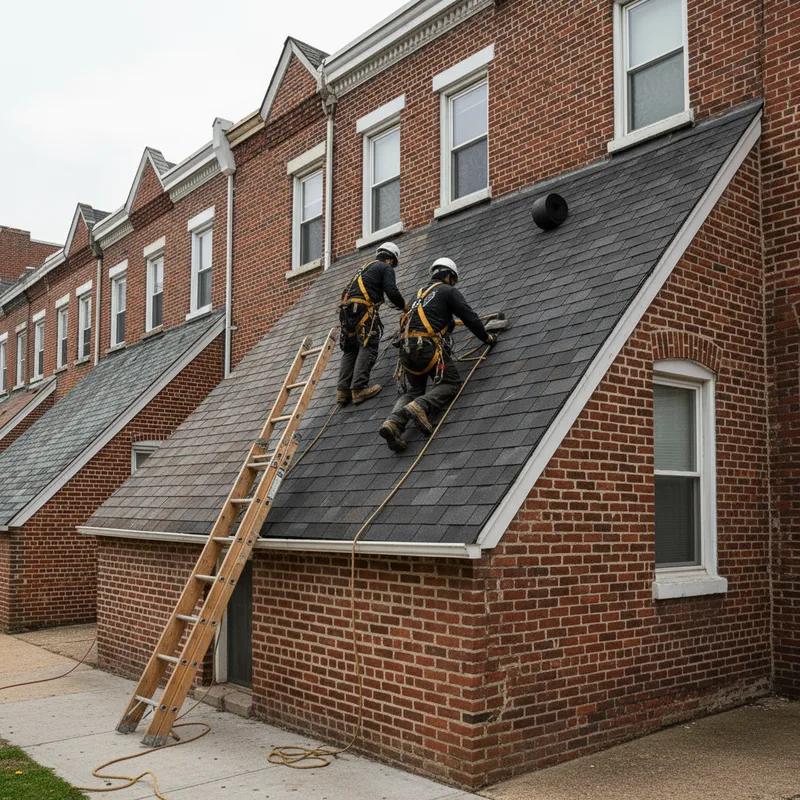
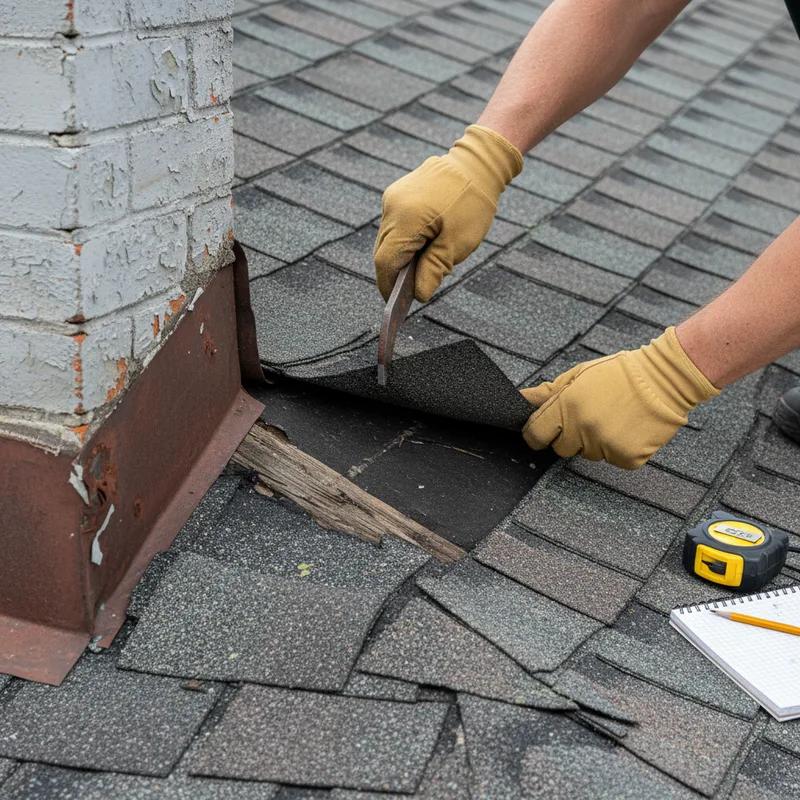
Before the stormy season hits, it's vital to conduct a comprehensive roof inspection. This involves checking for loose or missing shingles, damaged flashing, and clogged gutters. In Philadelphia's row homes, special attention should be paid to shared walls and parapets, which are prone to water intrusion. Hiring a local contractor familiar with Philadelphia's building codes, such as those in South Philly or Manayunk, ensures that any repairs meet local standards. Regular inspections can prevent minor issues from escalating into significant damage during heavy rainfalls.

A roofer inspecting a row home's roof for damage and wear in a Philadelphia neighborhood.
Conducting a Thorough Roof Inspection

3

Essential Maintenance Tasks Before Spring

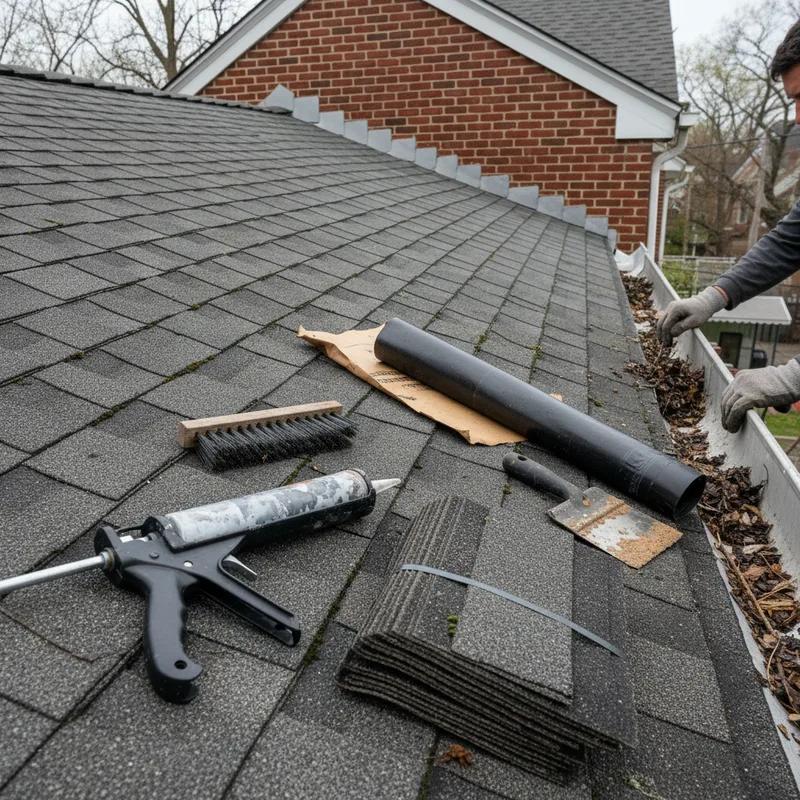
Preventive maintenance can save you from costly repairs down the line. Start by cleaning gutters and downspouts to prevent water overflow—a common issue in Philadelphia's historic homes. Trim overhanging branches that could damage your roof in high winds. It's also advisable to check for algae or moss growth, particularly on shaded roofs in neighborhoods like Germantown. Applying a protective sealant can enhance your roof's resilience against moisture. Regular upkeep not only extends the life of your roof but also ensures your home remains safe during spring storms.

A homeowner cleaning gutters on a Philadelphia row house, preparing for spring weather.
Essential Maintenance Tasks Before Spring

4

Choosing the Right Roofing Materials for Storm Resistance

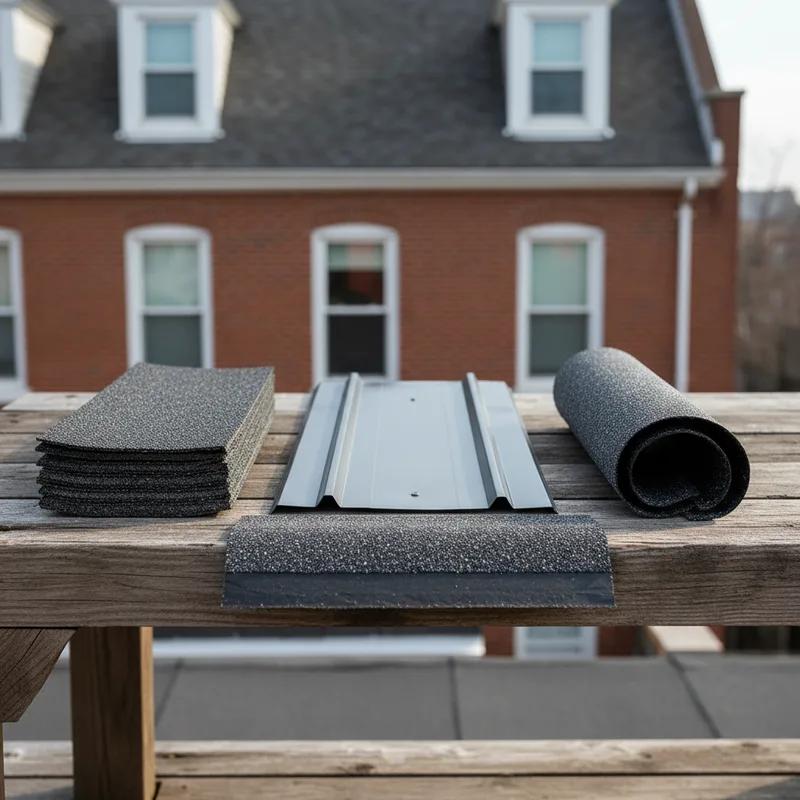
Selecting robust roofing materials is a proactive way to defend against Philadelphia's spring storms. Asphalt shingles are popular due to their cost-effectiveness and durability, but for enhanced protection, consider synthetic or metal roofing options. These materials offer superior resistance to high winds and heavy rains, common in neighborhoods like Roxborough. Consulting with local roofing specialists can provide insights into the best materials suited for your specific home type and location. Investing in quality materials now can prevent frequent repairs and extend your roof's lifespan.

Various roofing materials on display, including asphalt shingles and metal panels, suitable for storm resistance.
Choosing the Right Roofing Materials for Storm Resistance

5

Working with Philadelphia Roofing Experts

Partnering with experienced local roofing contractors is crucial for effective storm preparation. Philadelphia boasts a variety of skilled professionals who understand the unique challenges posed by the city's weather and architecture. When selecting a contractor, ensure they are licensed and familiar with the Philadelphia Department of Licenses & Inspections' guidelines. Contractors from areas like Fishtown or Chestnut Hill can offer tailored advice and services that align with neighborhood-specific needs. Additionally, they can assist with any necessary permits and ensure all work complies with city regulations.

A Philadelphia roofing contractor discussing plans with a homeowner, highlighting local expertise.
Working with Philadelphia Roofing Experts

6

Post-Storm Roof Assessment and Repairs

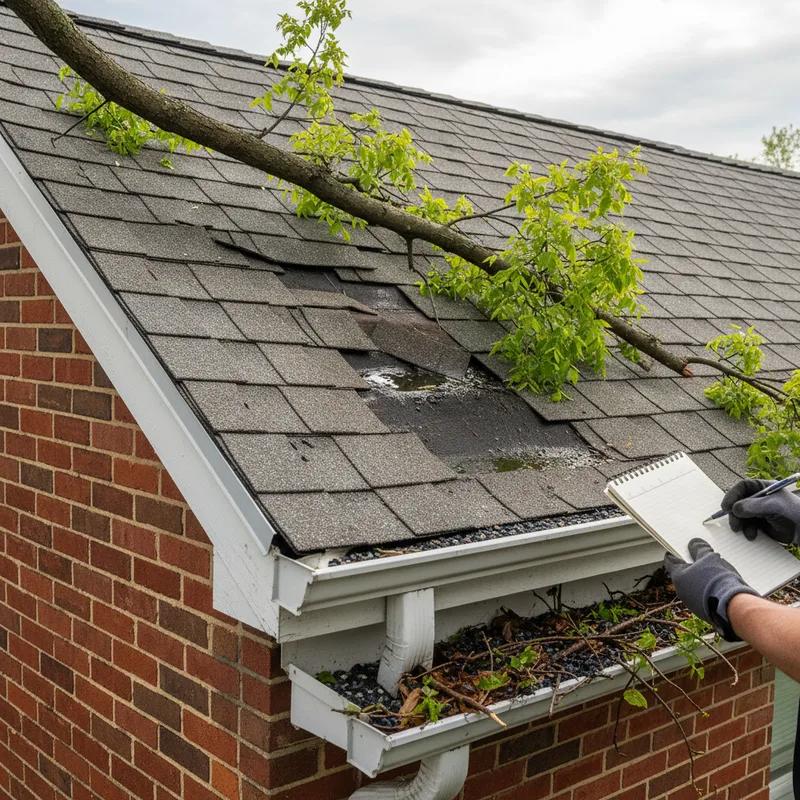
After a spring storm passes, a prompt roof assessment is crucial to identify and address any damage. Look for signs like water stains on ceilings, loose shingles, or debris buildup. Philadelphia's older homes, particularly those in historic districts like Old City, may require special attention to preserve their architectural integrity. Having a post-storm checklist can facilitate thorough inspections and repairs, ensuring no potential issue is overlooked. Swift action can prevent minor damages from evolving into more significant problems, safeguarding your home's value and safety.

A homeowner examining their roof for damage after a spring storm in Philadelphia.
Post-Storm Roof Assessment and Repairs

Frequently Asked Questions

What are the common spring storm threats to roofs in Philadelphia?

Spring storms in Philadelphia often bring heavy rains, strong winds, and sudden temperature shifts, which can damage roofing materials, cause leaks, and lead to debris accumulation.

How often should I inspect my roof in Philadelphia?

It's recommended to inspect your roof at least twice a year, ideally in the spring and fall, and after any major storm to promptly address potential damage.

Can I perform roof maintenance myself, or should I hire a professional?

While basic tasks like gutter cleaning can be DIY, hiring a professional for thorough inspections and repairs is advisable, especially for complex issues or if your roof has significant height or pitch.

James Callahan
Founder & Editor, Philly Roof Find

James founded Philly Roof Find to give Philadelphia homeowners a transparent, independent resource for evaluating roofing contractors. With a background in building trades and a focus on local construction practices, he writes practical guides grounded in Philadelphia-specific building codes, materials, and contractor standards.